Micro Inverter System: Advanced Solar Power Optimization Technology for Maximum Energy Production

Get a Free Quote

Our representative will contact you soon.
Email
Mobile/WhatsApp
Name
Company Name
Message
0/1000

micro inverter system

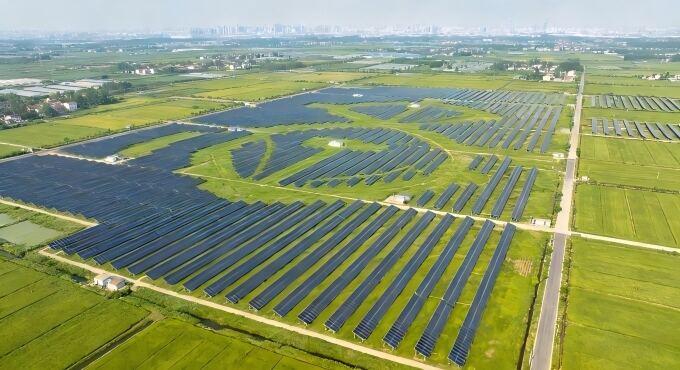
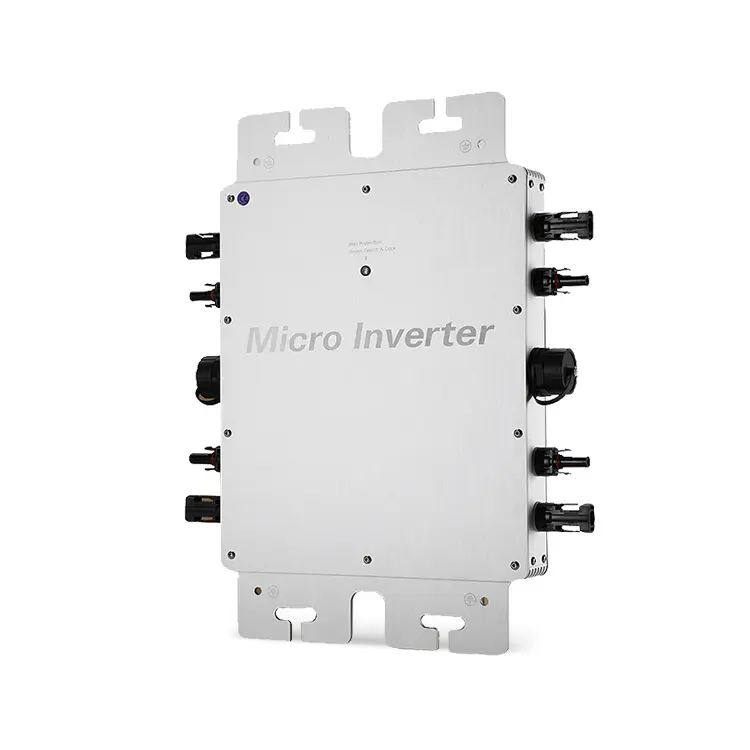
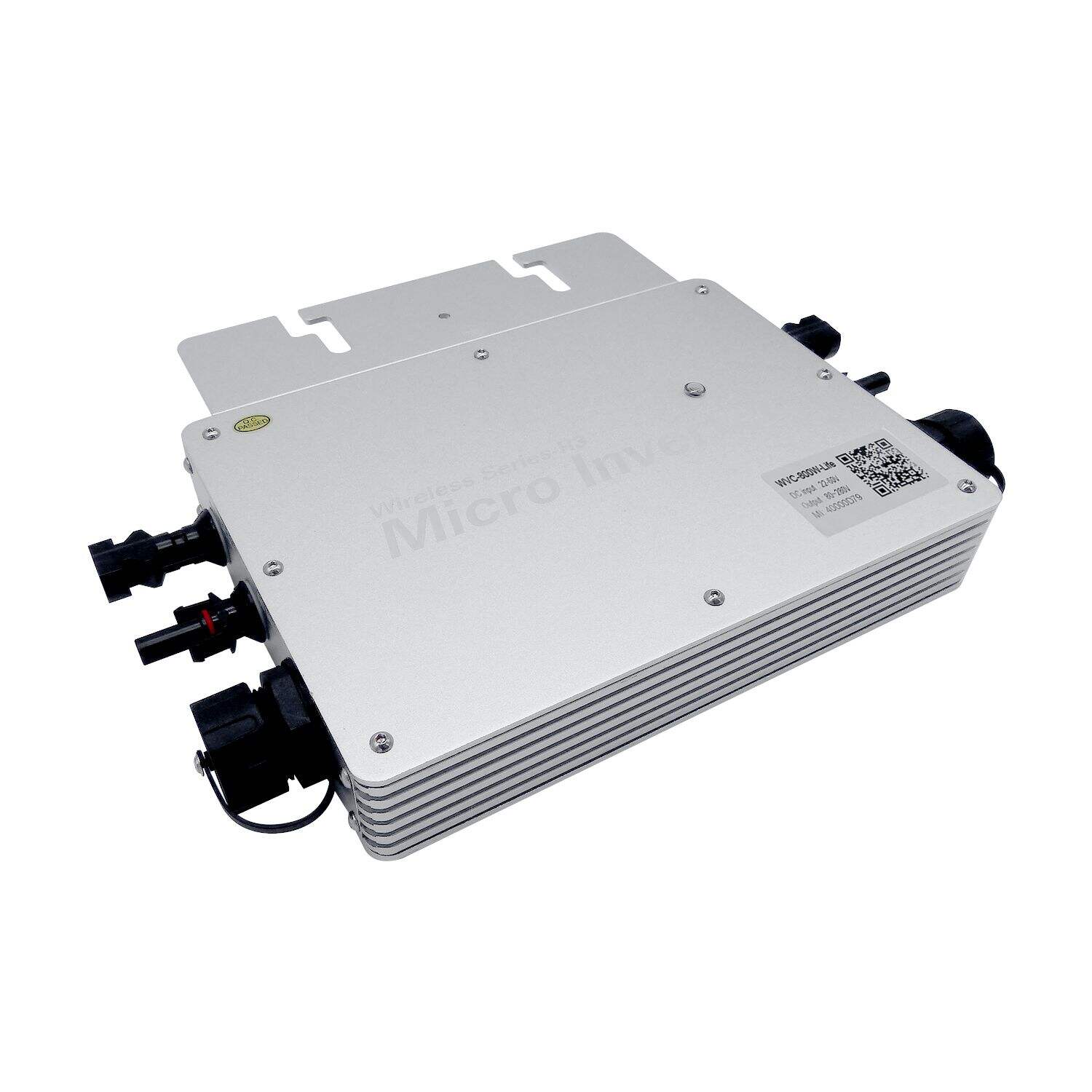
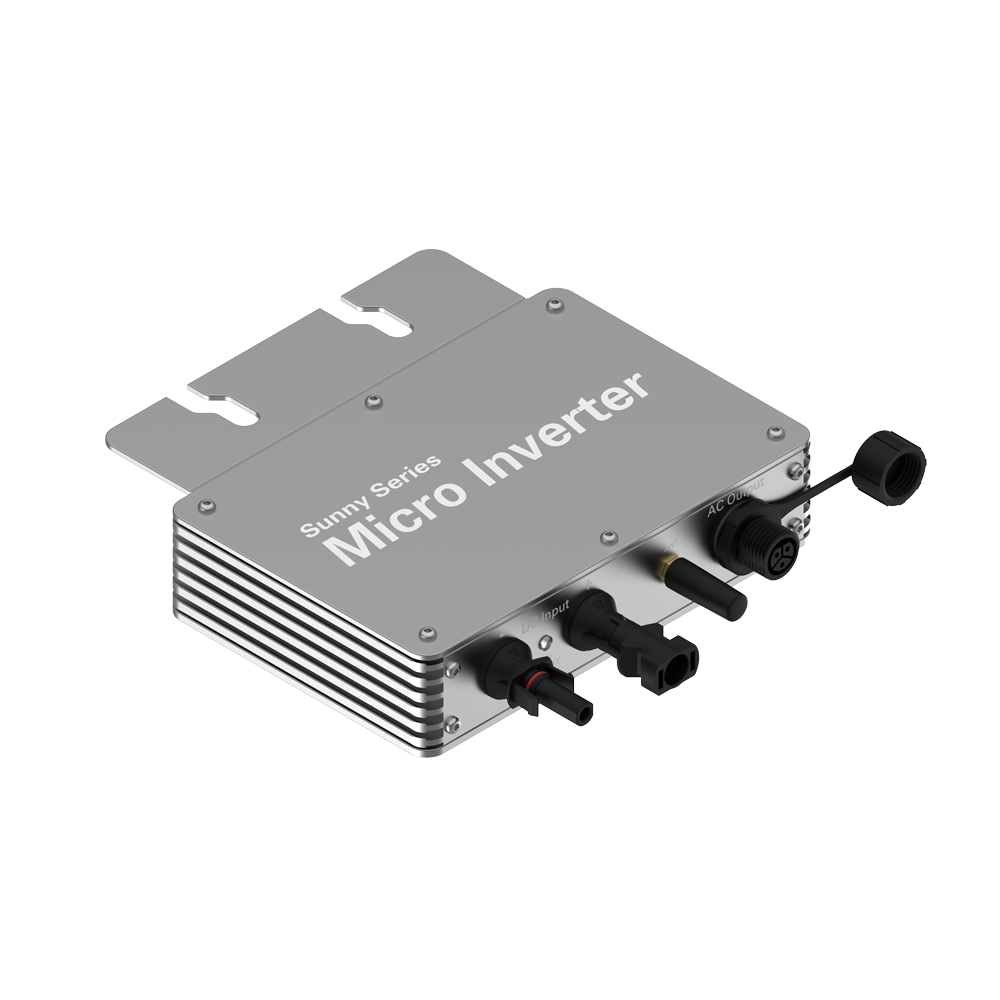
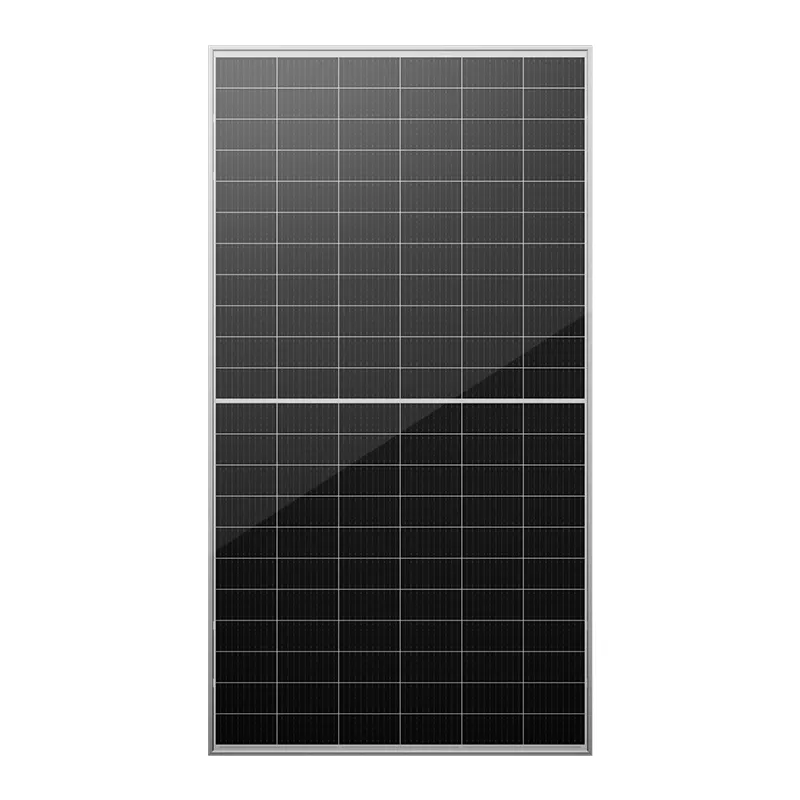
A micro inverter system represents a revolutionary approach to solar energy conversion that transforms direct current electricity from individual solar panels into alternating current at the panel level. Unlike traditional string inverters that manage multiple panels through a central unit, each micro inverter system operates independently with one inverter per solar panel. This distributed architecture fundamentally changes how solar installations perform and function. The micro inverter system connects directly beneath each photovoltaic panel, converting DC electricity to AC power immediately at the source. This configuration eliminates the single point of failure common in centralized systems while optimizing energy production from each panel individually. The technology employs advanced maximum power point tracking algorithms that continuously monitor and adjust to extract peak performance from every solar module. Modern micro inverter systems integrate sophisticated monitoring capabilities that provide real-time data on individual panel performance, allowing homeowners and installers to identify issues quickly and maintain optimal system efficiency. These systems typically operate within wide input voltage ranges and feature robust weather-resistant enclosures designed for decades of outdoor operation. The micro inverter system architecture supports modular expansion, enabling property owners to add panels incrementally without redesigning the entire installation. Communication protocols built into these systems facilitate seamless integration with home energy management platforms and utility grid requirements. Safety features include rapid shutdown capabilities that automatically disconnect panels during maintenance or emergency situations, exceeding standard electrical codes. The compact design of each micro inverter system unit allows for flexible installation configurations on various roof types and orientations. Advanced thermal management ensures reliable operation across extreme temperature conditions while maintaining high conversion efficiency. This technology has transformed residential and commercial solar installations by delivering enhanced performance, improved safety, and simplified maintenance compared to conventional inverter solutions.

Popular Products

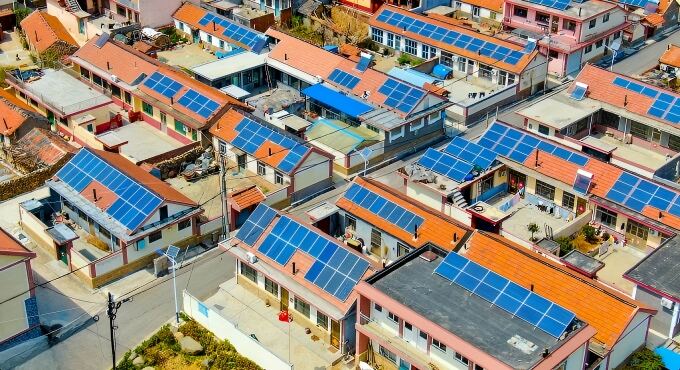
The micro inverter system delivers significant advantages that make solar installations more efficient, reliable, and profitable for property owners. Individual panel optimization stands as the most compelling benefit, where each micro inverter system maximizes energy production regardless of shading, debris, or panel mismatch issues affecting neighboring modules. Traditional string systems suffer when one panel underperforms, dragging down the entire string's output, but micro inverter systems eliminate this weakness entirely. Enhanced monitoring capabilities provide unprecedented visibility into system performance, allowing users to track each panel's production through user-friendly apps and web portals. This granular data helps identify maintenance needs early, preventing minor issues from becoming costly problems. Safety improvements represent another crucial advantage, as micro inverter systems operate at lower DC voltages and include rapid shutdown features that automatically disconnect power during emergencies or maintenance. Installation flexibility increases significantly with micro inverter systems, accommodating complex roof layouts, multiple orientations, and mixed panel types that would challenge traditional inverter configurations. System expansion becomes straightforward since additional panels with micro inverters integrate seamlessly without requiring central inverter upgrades or rewiring. Reliability improves through distributed architecture where individual inverter failures affect only single panels rather than entire arrays, maintaining system productivity even during component maintenance. Extended warranty coverage typically accompanies micro inverter systems, often reaching 20-25 years compared to 10-12 years for string inverters, providing long-term peace of mind and protection for the investment. Performance in challenging conditions excels with micro inverter systems, as partial shading from trees, buildings, or chimneys impacts only affected panels while others continue optimal production. Module-level power electronics enable compliance with modern electrical codes including NEC 690.12 rapid shutdown requirements. The technology supports various panel technologies and manufacturers, preventing vendor lock-in and allowing optimization of component selection for specific project requirements. Maintenance simplification reduces ongoing costs since technicians can service individual units without shutting down entire systems, minimizing production losses during repairs.

Practical Tips

Solar Product Tech Advances In 2025

20

Jan

Solar Product Tech Advances In 2025

View More
2025 Global Solar Market Demand (Emerging Markets)

20

Jan

2025 Global Solar Market Demand (Emerging Markets)

View More
Solar Products & Rural Electrification 2025

20

Jan

Solar Products & Rural Electrification 2025

View More

Get a Free Quote

Our representative will contact you soon.
Email
Mobile/WhatsApp
Name
Company Name
Message
0/1000

micro inverter system

Maximum Energy Harvest Through Individual Panel Optimization

Maximum Energy Harvest Through Individual Panel Optimization

The micro inverter system delivers unparalleled energy harvesting capabilities by optimizing each solar panel independently, ensuring maximum power extraction regardless of varying conditions across the installation. This individual optimization approach represents a fundamental shift from traditional string inverter systems where the weakest performing panel determines the output of the entire string. With micro inverter systems, each panel operates at its optimal maximum power point, adapting continuously to changing environmental conditions throughout the day. Shading from trees, buildings, chimneys, or even debris like leaves affects only the specific panels experiencing reduced sunlight, while neighboring panels continue producing at full capacity. This isolation prevents the cascading performance losses common in string configurations. The advanced maximum power point tracking algorithms within each micro inverter system continuously monitor voltage and current characteristics, making real-time adjustments to extract peak power under varying irradiance and temperature conditions. During morning and evening hours when sunlight strikes panels at different angles, micro inverter systems ensure each module contributes its maximum possible output to the overall system production. Panel mismatch tolerance becomes a significant advantage, allowing installation of panels with different wattages, ages, or even technologies within the same system without compromising performance. Manufacturing variations between panels, which can cause efficiency differences in string systems, become irrelevant with micro inverter systems since each unit optimizes its connected panel independently. Weather-related performance variations, such as temperature coefficients affecting different panels unequally, are managed individually rather than forcing all panels to operate at the least efficient level. The cumulative effect of this optimization typically results in 15-25% increased energy production compared to string inverter installations under real-world conditions. Seasonal performance improvements become particularly notable in locations with regular partial shading patterns, where micro inverter systems maintain consistent high performance while string systems experience significant losses. This enhanced energy harvest directly translates to improved return on investment, faster payback periods, and greater long-term value for solar system owners.
Advanced Monitoring and Diagnostic Capabilities for Optimal System Performance

Advanced Monitoring and Diagnostic Capabilities for Optimal System Performance

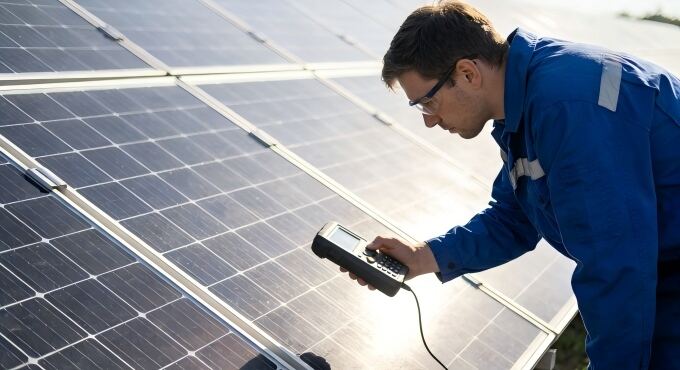
The micro inverter system incorporates sophisticated monitoring and diagnostic features that provide unprecedented insight into solar system performance, enabling proactive maintenance and optimization strategies that maximize long-term productivity and value. Each micro inverter system unit functions as an intelligent data collection point, continuously gathering performance metrics including power output, voltage, current, temperature, and operational status from its connected solar panel. This comprehensive data streams wirelessly to central monitoring platforms accessible through intuitive web portals and mobile applications, giving system owners real-time visibility into their energy production. The granular monitoring capabilities of micro inverter systems enable immediate identification of performance anomalies, whether caused by equipment issues, environmental factors, or maintenance needs. Users can track individual panel performance trends over time, identifying gradual degradation patterns that might indicate cleaning needs, physical damage, or component wear. Alert systems notify owners and installers when panels fall below expected performance thresholds, facilitating prompt intervention before minor issues escalate into significant problems. Historical performance data collected by micro inverter systems supports informed decisions about system maintenance, cleaning schedules, and potential upgrades or expansions. Comparative analysis tools help identify consistently underperforming panels that may require attention, replacement, or repositioning. The monitoring platform typically includes weather data integration, allowing correlation between environmental conditions and system performance to establish baseline expectations and identify abnormal behavior patterns. Energy production forecasting becomes more accurate with the detailed data provided by micro inverter systems, helping users plan energy consumption and evaluate system ROI more precisely. Installer diagnostic capabilities are enhanced significantly, as technicians can remotely assess system health, identify specific problematic units, and arrive on-site with appropriate replacement components and targeted repair strategies. This remote diagnostic capability reduces service call frequency and duration, minimizing system downtime and maintenance costs. Integration with home energy management systems enables sophisticated load balancing and energy optimization strategies based on real-time production data from the micro inverter system.
Enhanced Safety Features and Code Compliance for Peace of Mind

Enhanced Safety Features and Code Compliance for Peace of Mind

The micro inverter system incorporates comprehensive safety features and code compliance capabilities that significantly reduce electrical hazards while meeting or exceeding modern safety standards and regulatory requirements. Unlike traditional string inverter installations that maintain high DC voltages across rooftop wiring, micro inverter systems convert to AC power immediately at each panel, dramatically reducing DC voltage exposure and associated fire risks. The National Electrical Code 690.12 rapid shutdown requirements are inherently satisfied by micro inverter systems, which automatically reduce DC voltage to safe levels within seconds when the AC supply is disconnected, either intentionally during maintenance or automatically during grid outages. This rapid shutdown capability provides crucial safety protection for firefighters, emergency responders, and maintenance personnel who need to work near or on solar installations. Each micro inverter system unit includes built-in arc fault detection and interruption capabilities that monitor for dangerous electrical arcing conditions and immediately disconnect affected circuits to prevent potential fire hazards. Ground fault protection integrated into micro inverter systems continuously monitors for insulation failures or ground faults that could create shock hazards or equipment damage, automatically isolating problematic circuits while maintaining operation of unaffected panels. The distributed architecture of micro inverter systems eliminates single points of failure that could compromise entire system safety, as each unit operates independently with its own protection mechanisms. Installation safety improves significantly since installers work with standard AC wiring techniques for most of the system, reducing exposure to high-voltage DC circuits and specialized DC installation requirements. Maintenance safety benefits extend throughout the system lifetime, as technicians can safely service individual micro inverter system units without de-energizing entire arrays or working with dangerous voltage levels. Communication protocols built into micro inverter systems enable remote monitoring of safety parameters, allowing early detection of potential issues before they become hazardous. Temperature monitoring capabilities alert users to overheating conditions that might indicate installation problems, component failures, or environmental issues requiring attention. The robust enclosure design of micro inverter systems includes appropriate ingress protection ratings for outdoor installation, preventing moisture intrusion and environmental contamination that could compromise safety or performance. Compliance certification from recognized testing laboratories ensures micro inverter systems meet rigorous safety standards for electrical equipment, providing assurance of reliable and safe long-term operation.

Get a Free Quote

Our representative will contact you soon.
Email
Mobile/WhatsApp
Name
Company Name
Message
0/1000