Monitorium Complectens et Scalabilitas Futura-Proof
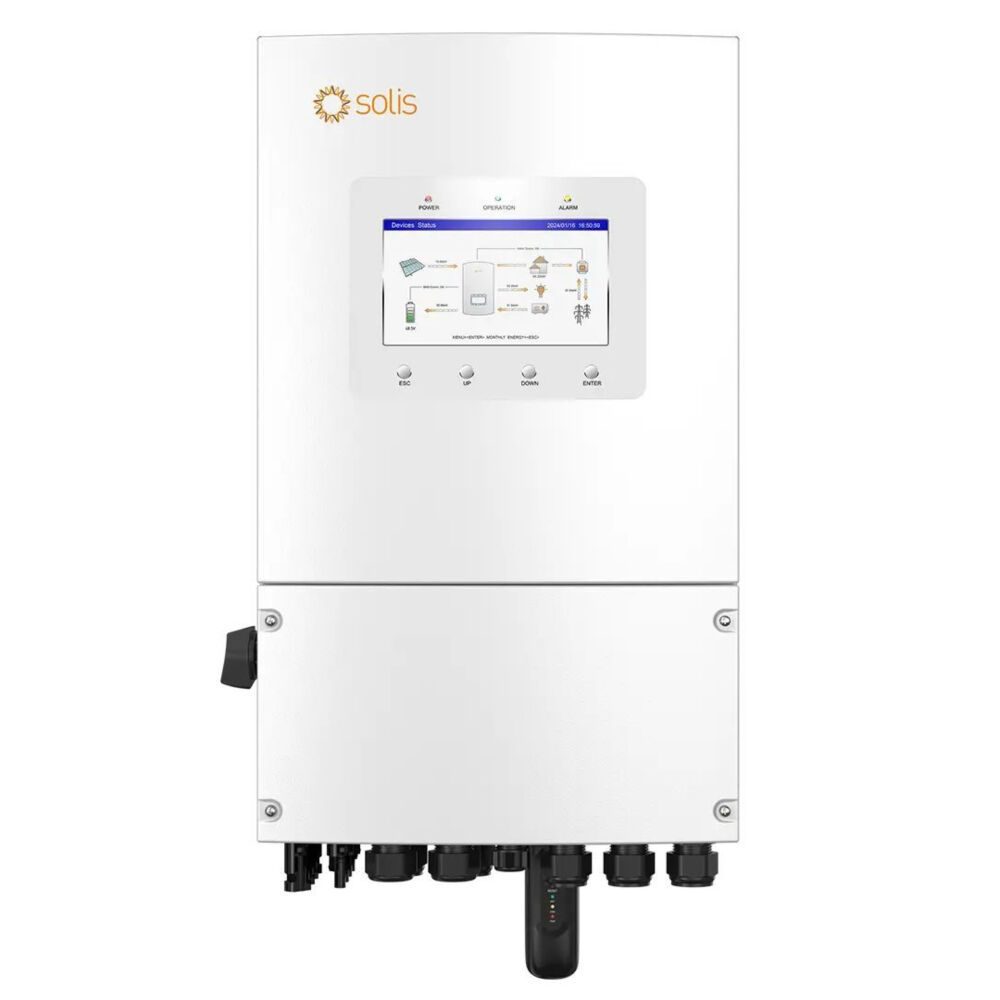
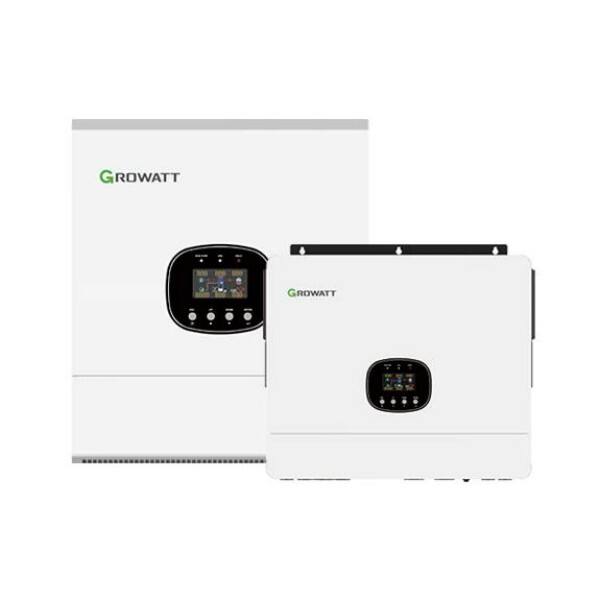
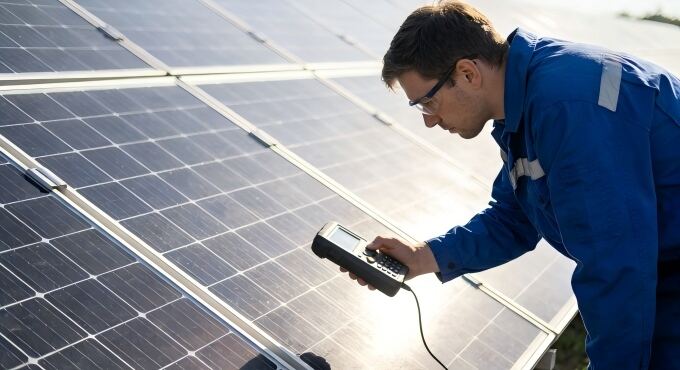
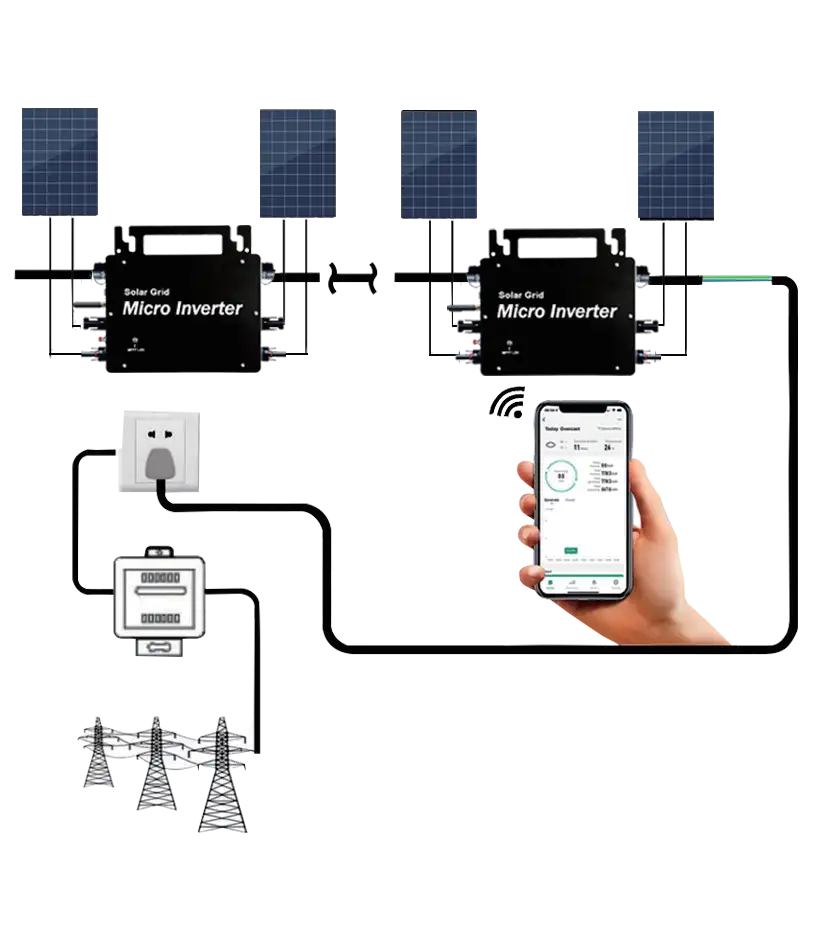
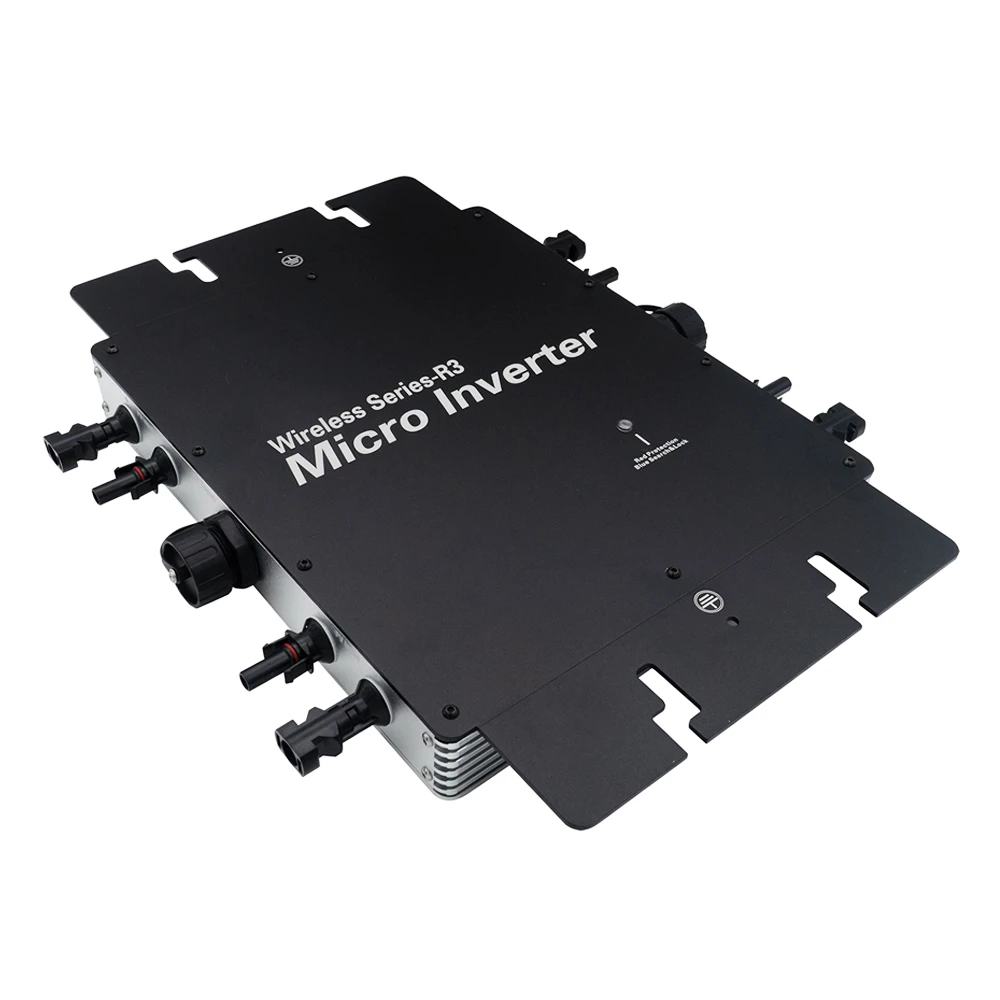
Tecnologia microinversorum photovoltaicorum praebet facultates monitoriae inaequales et optiones scalabilitatis quae valorem diuturnum et adaptabilitatem ad mutantes necessitates energeticas et progressus technologicos afferunt. Unusquisque microinversor photovoltaicus ut nodus monitorius intelligens fungitur, collectans data exacta de functione, inter quae productio energiae, temperaturae operationis, niveles tensionis, et indices efficacitatis, quae visibilitatem systematis integram constituunt. Protocolla communicationis in tempore reali transmissionem continuam datorum ad platformas monitorias centralizatas permittunt, ut utentes per faciles interfaces web et applicationes mobilis functionem singulorum panellarum observare possint. Facultates monitoriae minutae maintenancem proactivam faciliorem reddunt, anomalias functionis, quaestiones potenciales apparatus, aut factores ambientales quae singula panele afficiunt ante quam systematis totius productivitatem impediunt detegendo. Data historica de functione analysin exactam variationum saecularium, effectuum meteorologicorum, et schematum degradationis diuturnae permittunt, ut decisiones informatae de optimisatione systematis et programmatione maintenance fiat. Architectura modularis systematum microinversorum photovoltaicorum scalabilitatem egregiam praebet, ut domini possessionum incipere possint cum installationibus parvis et capacitatem gradatim augere, dum necessitates energeticae crescunt aut res pecuniariae adhiberi possunt. Expansiones futurae tantum nova panelea et microinversores photovoltaici correspondentes requirunt, sine mutationibus apparatus iam existentis aut proceduris complexis reconfigurationis systematis. Emendationes technologicae faciliores fiunt cum microinversoribus photovoltaicis, quia singulae partes emendari aut novis modellis substitui possunt sine effectu in operatione systematis totius aut necessitate substitutionis systematis integrum. Designatio distributa integrationem cum technologiis emergentibus, ut systemata storationis energiae, apparatus ad vehicula electrica repleta, et platformae automationis domus intelligentis, per protocolla communicationis normalizata sublevat. Facultates diagnosticarum provectae possibilitatem praebent remotae investigationis errorum et optimisationis functionis, ita ut numerus visitationum technicorum et summae maintenance minuantur, dum tempus operationis systematis et productio energiae maximantur. Collectio data comprehensiva strategias gestionis energiae sublevat, ut utentes schemata consumtionis optimizare et investitiones ulteriores in efficacitatem energiae aestimare possint ad maximum beneficium oeconomicum et ambientale.
 EN
EN