EN
EN


Case Study: How a Major Cold Chain Logistics Facility Cut Energy Costs by 45% and Secured 100% Power Reliability
Time : 2026-06-02
Introduction: The Ultra-High Stakes of Cold Storage Energy Management
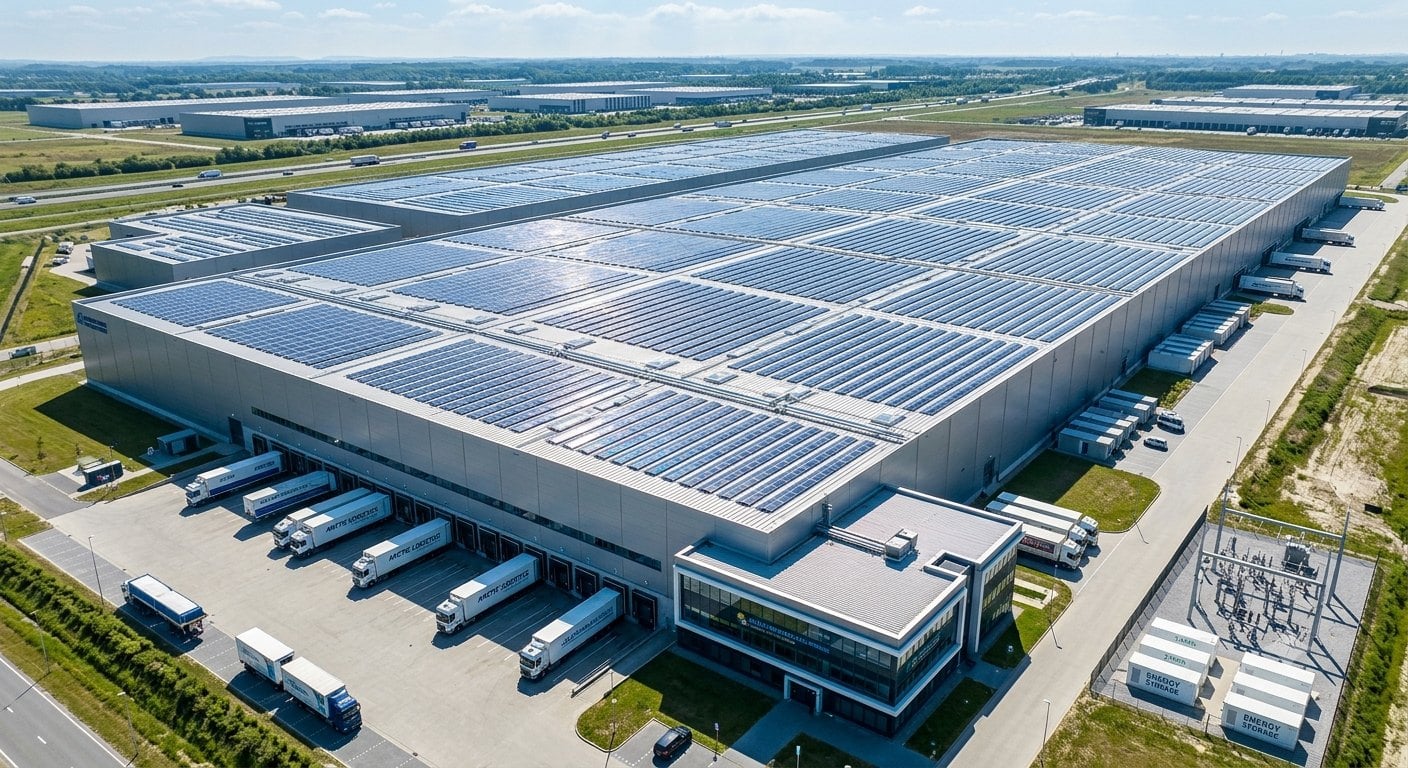
In the competitive world of cold chain logistics, electricity is often the single largest operational expense. Refrigeration compressors and advanced HVAC climate control systems must run continuously, 24 hours a day, 7 days a week, to preserve millions of dollars worth of perishable food and pharmaceutical inventories. For the management team at FrigoLogix Logistics—a leading temperature-controlled warehouse operator in a region plagued by skyrocketing peak demand tariffs and frequent rolling utility blackouts—energy costs were severely eroding corporate profit margins. Seeking a structural solution to lower overhead and guarantee operational continuity, FrigoLogix partnered with Oryta Solar to deploy a comprehensive, fully integrated solar-plus-storage microgrid solution.
Client Background & The Core Operational Challenges
FrigoLogix operates a state-of-the-art, 25,000-square-meter refrigerated distribution center. The facility experienced three primary operational bottlenecks that threatened its financial and physical security:
· Astronomical Peak Tariffs: Local utility structures imposed extreme pricing penalties during afternoon hours (2:00 PM to 7:00 PM), precisely when ambient temperatures peaked and the facility's refrigeration systems required maximum cooling power.
· High Demand Charges: Simultaneous activation of heavy industrial compressors created brief but intense electrical spikes, resulting in punitive monthly demand charges from the utility provider.
· Grid Unreliable Risk: Even a localized grid outage lasting more than 30 minutes posed an unacceptable risk of interior temperature rise, potentially invalidating strict pharmaceutical storage compliance standards.
The Engineered Solution: A Unified Solar-Plus-Storage Ecosystem
To address these multi-layered challenges, Oryta Solar’s engineering team designed and supplied a fully customized, integrated hardware and software solution tailored to the facility’s specific load profile:
· High-Generation Photovoltaic Array: We installed a 1.2 MWp rooftop solar array utilizing Oryta Solar’s premium N-type TOPCon solar modules. These panels were selected for their exceptional low-light performance and low temperature coefficient, ensuring maximum energy harvest during hot summer afternoons.
· Industrial Lithium Storage (BESS): A containerized 1.5 MWh Lithium Iron Phosphate (LiFePO4) battery energy storage system was deployed on-site. The system features advanced liquid cooling to ensure uniform cell temperatures and maximize the lifespan of the battery cells.
· Smart Hybrid Inverters: The microgrid is driven by five synchronized 100 kW smart hybrid inverters equipped with ultra-fast transient response capabilities, ensuring seamless management of heavy inductive compressor loads.
Implementation & Real-World Value Delivered
Following seamless commissioning executed by our local EPC partner, the system was configured for automated Peak Shaving and Time-of-Use (ToU) Optimization. During the morning, the solar array powers the facility's cooling systems directly while simultaneously charging the 1.5 MWh battery bank with clean, zero-cost surplus energy.
When the expensive peak tariff window opens at 2:00 PM, the intelligent Energy Management System (EMS) instantly commands the lithium batteries to discharge. This shifts the facility's heavy electrical load entirely off the utility grid during peak hours. Furthermore, the EMS monitors real-time building draw, discharging small bursts of battery power to smooth out sudden compressor startup spikes, keeping total grid demand firmly below the utility’s penalty threshold.
The Data: Hard Results over 12 Months of Operation
A comprehensive audit of the facility's utility bills and operational logs over a one-year period yielded undeniable proof of performance:
· 45% Reduction in Total Monthly Electricity Expenses: The combination of direct solar consumption and battery-driven peak shifting reduced the facility's reliance on grid energy during expensive hours.
· 60% Reduction in Monthly Peak Demand Charges: Automated load smoothing successfully flattened power spikes.
· Zero Downtime from Outages: The system successfully transitioned to isolated 'Island Mode' during two separate regional grid failures, maintaining uninterrupted cooling for critical inventory with a transition time under 10ms.
· Projected ROI Payback Period: The total capital investment is firmly on track to be fully recovered within 4.2 years, ahead of original financial models.
Conclusion & Call to Action
The FrigoLogix project demonstrates that solar energy is no longer just an environmental statement; it is an incredibly powerful tool for industrial cost control and operational risk management. By combining high-efficiency solar generation with smart lithium storage, heavy industry can effectively decouple itself from volatile utility grids.
Discover how much your industrial facility can save. Read the full detailed engineering brief of this project, or contact our commercial project specialists to request a customized economic viability simulation for your enterprise.