 EN
EN
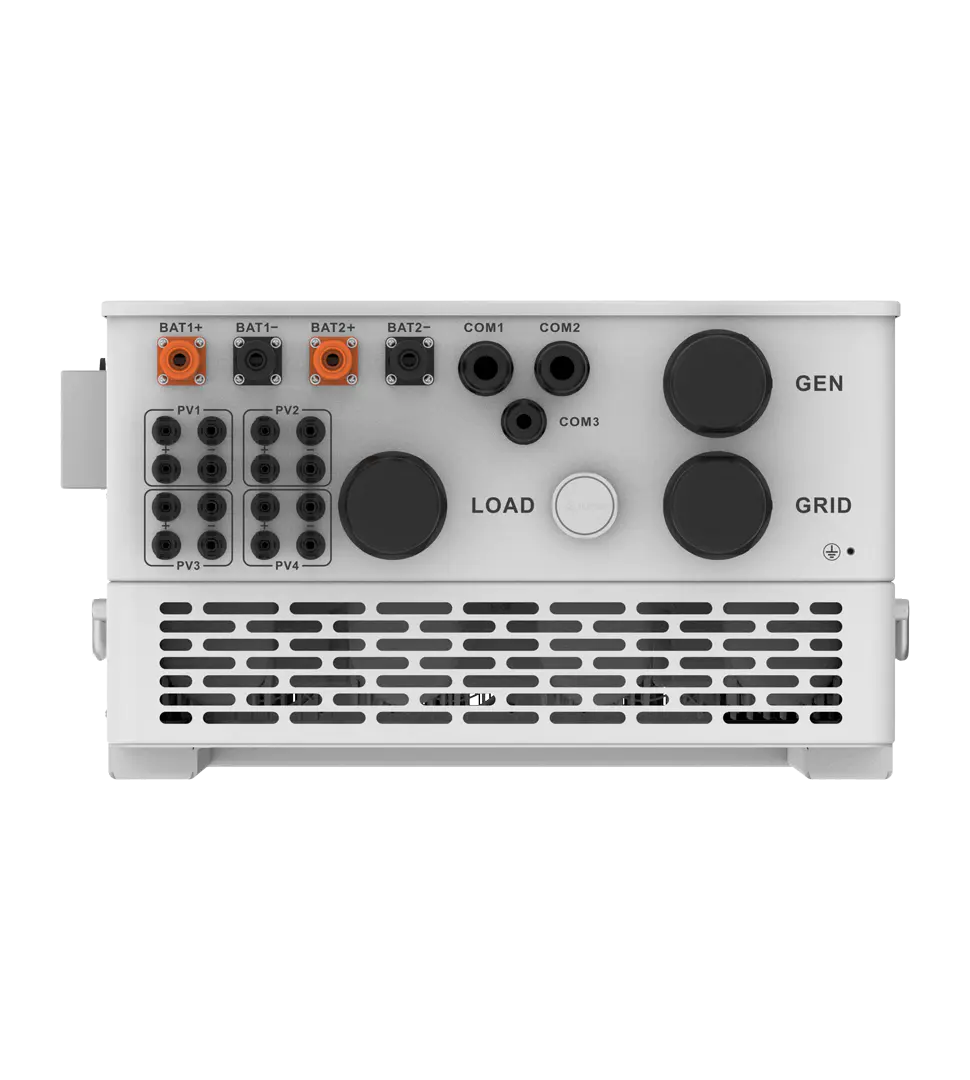
סוללה פושט מְהַפֵּךְ סוללות מהווה גשר קריטי בין האנרגיה שנצברה לבין החשמל הניתן לשימוש ביתי, ומשנה באופן מהותי את הדרך שבה בתים צורכים ומديירים חשמל. על ידי המרה של זרם ישר (DC) ממערכות אחסון סוללות לזרם חילופין (AC) שמייצר חשמל למכשירים הביתיים, מכשיר מתקדם זה מאפשר לבעלי בתים לאפשר אופטימיזציה של דפוסי הצריכה שלהם ולפחית את התלות בחשמל מהרשת במהלך תקופות השיא, שבהן המחירים גבוהים.
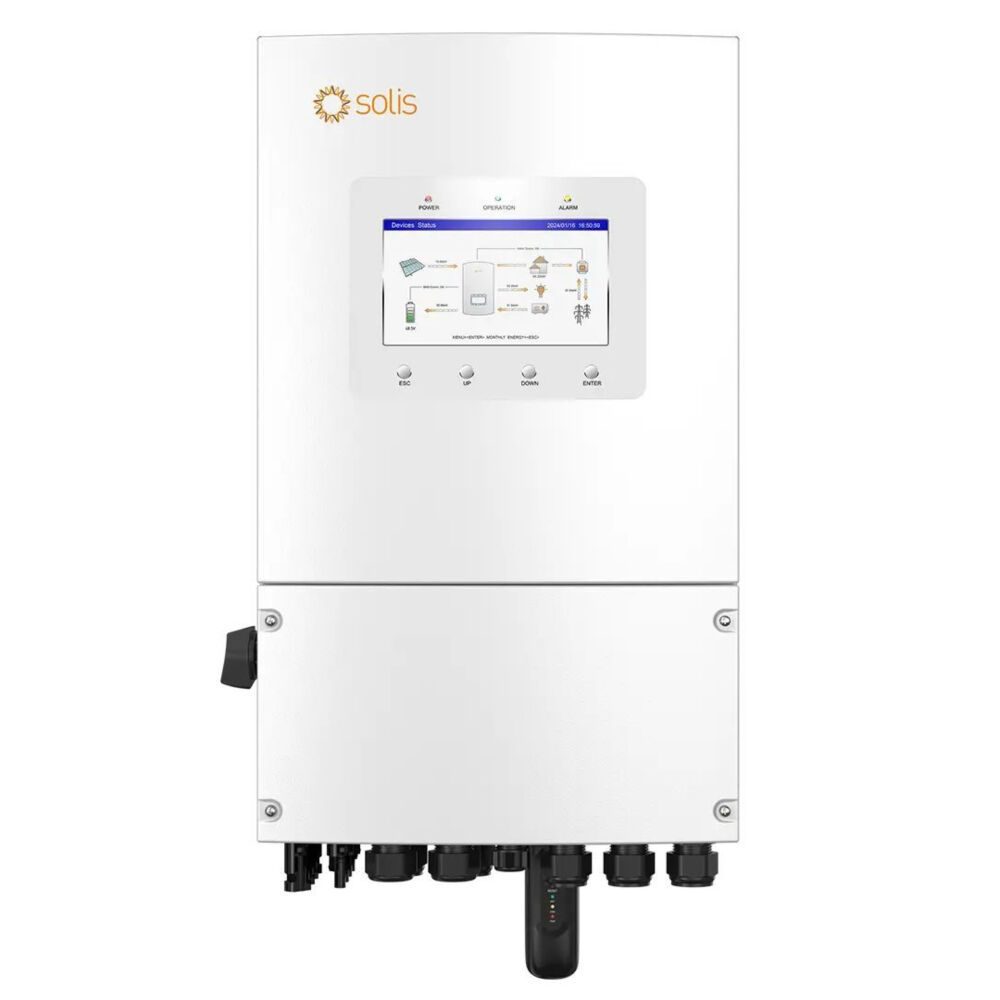
השדרוגים בכفاءה שמביא הממיר הסוללה הולכים רחוק מעבר להמרת הספק הפשוטה, וכוללים ניהול חכם של עומסים, יכולות תגובה לדרישות, ותמרון אסטרטגי באנרגיה שיכול לצמצם משמעותית את עלויות החשמל החודשיות. מערכות ממירים סוללות מודרניות משולבות באלקטרוניקה מתקדמת של הספק ובאלגוריתמי בקרה חכמים כדי למקסם את יעילות השימוש באנרגיה תוך שמירה על יציבות הרשת ומבטיחות האספקה הלא-מפורקת של הספק לעומסי הבית הקריטיים.
מנגנוני יעילות בהמרת אנרגיה
אופטימיזציה להמרת הספק מ-DC ל-AC
ממיר סוללות משיג יעילות אנרגטית מתקדמת באמצעות טכנולוגיות מתקדמות להמרת הספק שמזערות את אובדי האנרגיה במהלך המרה של זרם ישר (DC) מאוחסן לזרם חילופין (AC) ניתן לשימוש. יחידות ממיר סוללות באיכות גבוהה פועלות בדרך כלל ביעילות המרה העולה על 95%, כלומר פחות מ-5% מהאנרגיה האגורה נאבדת בתהליך ההמרה, לעומת טכנולוגיות ממירים ישנות יותר שיכולות לבזבז 15–20% מההספק הזמין.
יעילות המרת הספק של ממיר סוללות תלויה בטכנולוגיות מתחלפות מתקדמות כגון סמי־מוליכים של קרביד סיליקון ועיצובי טרנספורמטורים מותאמים שמקטינים אובדי התנגדות ואינטראקציה אלקטרומגנטית. רכיבים אלו פועלים יחד כדי להבטיח שהאנרגיה האגורה המרבית מגיעה למכשירי חשמל ביתיים, מה שמוביל ישירות לצמצום הצריכה של חשמל מהרשת ולחיסכון בשווארי החשמל.
מערכות ממרנים מתקדמות לסוללות משתמשות בטכנולוגיית נשלטת תדר משתנה (VFD) ובמודולציה של רוחב הגל (PWM) כדי להתאים את הספק החשמל המוצא בדיוק לצרכי העומס, ומבטלות בזבוז אנרגיה בתנאי ספקי יתר. יכולת ההתאמה המדויקת הזו של הספק מבטיחה שממיר הסוללה מספק בדיוק את כמות החשמל הנדרשת על ידי ההתקנים המחוברים, ומונעת איבודים של אנרגיה שتحدث כאשר מערכות חשמל מסורתיות מספקות יותר חשמל מאשר נדרש.
אינטגרציה של ניהול עומסים חכם
מערכות ממרנים מודרניות לסוללות כוללות תכונות חכמות לניהול עומסים שמאפשרות קביעת עדיפויות אוטומטית להספקת אנרגיה למערכות ביתיות חיוניות, תוך דחיית עומסים שאינם קריטיים בתקופות שבהן קיבולת הסוללה מוגבלת. קביעת העדיפויות החכמה הזו מבטיחה שהאנרגיה האגורה הזמינה מתחלקת לפונקציות הביתיות החשובות ביותר, ומקסימה את הערך הפרקטי של כל קילוואט-שעה שאגור בסיסטמת הסוללות.
יכולות ניהול העומס של מֻפְרָך סוללה משתרעות לתחום הניטור בזמן אמת של דפוסי הצריכה האנרגטית במשק הבית, מה שמאפשר למערכת ללמוד מהרגלי השימוש ולשפר את זמנים האספקה של האנרגיה בהתאם. על ידי הבנת הזמנים שבהם מכשירים מסוימים פועלים בדרך כלל והכמות של הספק החשמלי שהם דורשים, מֻפְרָך הסוללה יכול להכין מראש את משאבי האנרגיה ולהקטין לאפס את אובדי ההמרה באמצעות תכנון חכם של הספקת האנרגיה.
השילוב עם מערכות ניהול אנרגיה לביתיות מאפשר למֻפְרָך הסוללה לתאם פעולה עם תרמוסטטים חכמים, מחממי מים ומכונות צריכה אחרות שניתן לשלוט בהן, כדי להעביר את הצריכה האנרגטית לתקופות שבהן כמות האנרגיה האגורה בסוללה היא מרובה ביותר או כאשר מחירי החשמל מהרשת נמוכים ביותר. יכולת התיאום הזו הופכת את מֻפְרָך הסוללה ממח_converter פשוט לאפליקציה מקיפה לאופטימיזציה של אנרגיה.
אשכול אסטרטגיות לצמצום ביקוש שיא
אופטימיזציה של תעריפי שימוש לפי זמנים
ממיר סוללה מאפשר לבעלי בתים לנצל את תעריפי החשמל המבוססים על זמן השימוש על ידי אחסון אנרגיה בתקופות של מחיר נמוך ופליטת האנרגיה האצורה בתקופות של שיעור תעריף גבוה. אסטרטגית הארביטראז' האנרגטי הזה יכול לצמצם את עלויות החשמל ב-30–50% למשפחות הנמצאות תחת מבנה תעריפים המבוסס על זמן השימוש, כיוון שממיר הסוללה מחליף באופן אוטומטי בין חשמל מהרשת לבין חשמל מאוחסן בסוללה בהתאם לסימני המחירים בזמן אמת.
יכולות האופטימיזציה הכלכלית של ממיר סוללה הולכות רחוק מעבר להעברת זמן פשוטה, וכוללות גם הפחתת חיוב הביקוש למבנים הנמצאים תחת חיוב לפי שיא הביקוש. על ידי אספקת חשמל מאוחסן בתקופות של צריכה גבוהה של חשמל במשק הבית, ממיר הסוללה מונע צקיצות יקרות של ביקוש שיכולות להוסיף מאות דולרים לחשבונות החשמל החודשיים, במיוחד במבנים שבהם יש טעינה של רכב חשמלי או מכשירי חשמל בעלי הספק גבוה.
מערכות מתקדמות של ממירים לסוללות יכולות לקבל את תכניות התעריפים של חברת החשמל ולהתאים אוטומטית את דפוסי הטעינה והפריקה כדי למקסם את היתרונות הכלכליים, תוך שמירה על קיבולת רזרבה מספקת לאספקת חשמל חירום. אופטימיזציה אוטומטית זו מבטיחה שבעלי בתים ייהנו משיפורים ביעילות האנרגיה ללא צורך בהתערבות ידנית מתמדת או תכנות מורכב.
הסתמך על רשת וריבוי
במהלך הפסקות ברשת או בעיות באיכות החשמל, מַמָּיר בַּטרִיּוֹת ממיר סוללות מספק חשמל גיבוי חלק ובלתי מפריע שמשמר את פעילות הבית ללא אובדן יעילות הקשורים בממירי הגיבוי המסורתיים. בניגוד לממירי הגיבוי המונעים בדלק שפועלים ברמת פליטה קבועה ללא קשר לדרישות העומס הממשיות, ממיר הסוללות מתאים את פליטת החשמל בדיוק לצריכת הבית, ובכך מונע בזבוז הנובע מייצור חשמל מוגזם.
יכולת התגובה המיידית של מִפְרִיד סוללות בזמן הפרעות ברשת מונעת בעיות באיכות החשמל שעשויות לפגוע בציוד אלקטרוני רגיש ולפחית את היעילות הפעולה של מכשירי חשמל ביתיים. על ידי שמירה על מתח ותדר יציבים, מִפְרִיד הסוללות מבטיח שמקלחות, מערכות מיזוג אויר (HVAC) ומכשירים אחרים התלויים ביעילות ממשיכה לפעול ברמה האופטימלית שלהן גם בזמן אי-יציבות ברשת.
אספקת חשמל חירום ממִפְרִיד סוללות מונעת את עיכובים בהפעלה ואת אי-היעילות בשימוש בדלק שקשורים למערכות מחולל מסורתיות, ומספקת המשכיות מיידית באספקת החשמל שמניעה בזבוז אנרגיה מחזורים של הפעלה מחדש של מכשירים ופעולות שחזור טמפרטורה. יכולת התגובה המיידית הזו היא במיוחד ערכה לשמירה על יעילות מערכות בקרת אקלים וציוד לשימור מזון.
שילוב סולרי ואיסוף אנרגיה
מעקב אחר נקודת ההספק המרבית
כאשר מותקן יחד עם מערכות פאנלים סולריים, מומר סולרי עם סוללה משתמש בטכנולוגיית מעקב אחר נקודת ההספק המרבית (MPPT) כדי למשוך את האנרגיה האופטימלית ממערכי הפוטו-וולטאיים בתנאי מזג אוויר ואור משתנים. יכולת המעקב המתקדמת הזו מבטיחה שכל וואט זמין של אנרגיה סולרית נאסף ונעשה בו שימוש מיידי לעומסים ביתיים או שמאוחסן בסוללות לשימוש עתידי, מה שממקסם את יעילות האנרגיה הכוללת של מערכת האנרגיה הבתית.
התפקוד של MPPT במומר סולרי עם סוללה מכוונן באופן רציף את העומס החשמלי המוצג בפני הפאנלים הסולריים כדי לשמור על חילוץ האנרגיה האופטימלי כאשר עוצמת האור והטמפרטורה של הפאנלים משתנות במהלך היום. אופטימיזציה דינמית זו יכולה לשפר את איסוף האנרגיה הסולרית ב-15–25% בהשוואה לשלטים פשוטים יותר לטעינה, ובכך מגבירה ישירות את כמות האנרגיה הסולרית החינאמית הזמינה להחלפת צריכה של חשמל מהרשת.
מערכות מומר סולרי מתקדמות למספקים עם מספר ערוצים של MPPT יכולים לאפשר אופטימיזציה עצמאית של רצועות פאנלים סולריים שונות, תוך התאמה לכיווני גגות, דפוסי צללים וסוגי פאנלים שיכלו להפחית את היעילות במערכות מסורתיות עם קנה-מידה יחיד של MPPT. גמישות זו מאפשרת לבעלי בתים למקסם את איסוף האנרגיה הסולרית מהתצורות המורכבות של הגגות, תוך שמירה על יעילות טעינה אופטימלית למערכות אחסון סולרי.
תיאום איחסון אנרגיה
מומר סולרי מתאם את ייצור האנרגיה הסולרית לתבניות הצריכה הביתיות כדי למזער בזבוז אנרגיה ולמקסם את הצריכה העצמית של חשמל מתחדש. במהלך תקופות של ייצור סולרי עודף, מומר הסולרי מפנה באופן אוטומטי את האנרגיה הנוספת לאחסון הסולרי במקום לייצאה לרשת החשמל במחירי קנייה פגועים, ובכך שומר על אנרגיה יקרה זו לשימוש עתידי, כאשר ייצור הסולרי אינו מספיק.
יכולות הקואורדינציה לאחסון אנרגיה של מִמְשֵׁך סוללה כוללות פונקציות מתקדמות לניהול סוללות המאופטמות מחזורי הטעינה כדי להאריך את חיי הסוללה תוך שמירה על קיבולת האחסון המקסימלית. באמצעות בקרה על קצב הטעינה, עומק הפריקה וניהול הטמפרטורה, מִמְשֵׁך הסוללה מבטיח שמערכות אחסון האנרגיה יפעלו ביעילות מקסימלית לאורך כל תקופת פעולתן.
האינטגרציה בין מערכות חיזוי ייצור האנרגיה הסולרית למערכות הבקרה של מִמְשֵׁך הסוללה מאפשרת ניהול אנרגיה חיזויי שמעדכן מראש את האנרגיה האצורה בהתאם לחיזויי מזג האוויר ודפוסי הצריכה ההיסטוריים. יכולת החיזוי הזו מאפשרת למִמְשֵׁך הסוללה למקסם את ניצול האנרגיה הסולרית והאנרגיה האצורה בסוללה, תוך מינימיזציה של התלות בחשמל מהרשת, אשר יקר במיוחד בתקופות השיא.
תכונות בקרה וניטור מתקדמות
אופטימיזציה של ביצועים בזמן אמת
מערכות מודרניות של אינורטרים לסוללות מספקות ניטור בזמן אמת מקיף של זרימות האנרגיה, יעילויות ההמרה ומדדי ביצוע המערכת, מה שמאפשר לבעלי בתים לזהות ולתעדף בזבוז אנרגיה במערכות הביתיות שלהם. החשיפה המפורטת הזו לתבניות הצריכה של אנרגיה מאפשרת שיפורים ממוקדים ביעילות שיכולים להפחית את צריכת החשמל הכוללת על ידי זיהוי עומסים פנטומים, מכשירים לא יעילים ותבניות שימוש תת-אופטימליות.
יכולות הניטור של אינורטר הסוללה משתרעות גם ל Cảnh התראות לשימור חיזוקי פרוגנוסטי, אשר מזהות אי-יעילויות פוטנציאליות במערכת לפני שהן גורמות לאובדן אנרגיה משמעותי או לתקלות בציוד. על ידי מעקב אחר מגמות הביצועים והשוואה בין הפעולה האמיתית לפרמטרי היעילות הבסיסיים, אינורטר הסוללה יכול להודיע לבעלי הבתים על צרכים בשימור שיאפשרו לשמור על יעילות המרה אופטימלית של אנרגיה.
יכולות של שמע ושליטה מרחוק מאפשרות למערכות הממיר הסוללה לקבל עדכוני תוכנה ואלגוריתמי אופטימיזציה שמשפרים באופן רציף את ביצועי היעילות האנרגטית לאורך תקופת הפעולה של המערכת. אפשרות העדכון הזו מבטיחה ששיפורים ביעילות שפותחו לאחר ההתקנה יוכלו להיות מיושמים על מערכות קיימות, ובכך לספק שיפור ערך מתמשך ללא צורך בהחלפת חומרה.
שירותי רשת ושירותים משניים
ממיר סוללה יכול להשתתף בתוכניות שירות הרשת של חברת החשמל שמספקות זרמי הכנסות נוספים תוך תרומה לייעילות וליציבות הכוללת של הרשת. תוכניות אלו משלמות לבעלי בתים על כך שמאפשרים למערכות הממיר הסוללה שלהם לספק שירותי התאמות תדר, תמיכה במתח וצמצום ביקוש בשיא, אשר משפרים את יעילות תשתית הרשת החשמלית הרחבה.
יכולות שירותי הרשת של מֻפְרָק סוללה כוללות השתתפות בתגובה לדרישה, אשר מפחיתה אוטומטית את צריכת החשמל במשק הבית במהלך תקופות הלחץ המרבי על הרשת, תמורת תמריצים מהחברה המספקת החשמל. יכולת זו לא רק מפחיתה את עלויות האנרגיה במשק הבית אלא גם תורמת לייעול כללי של הרשת על ידי הפחתת הצורך בתחנות כח יקרות להפעלת שיא ובחידוש תשתיות ההולכה.
מערכות מֻפְרָק סוללה מתקדמות יכולות לספק תמיכה בהספק הפעיל לרשתות ההתפלגות המקומיות, לשפר את איכות החשמל ולפחת את אובדי ההולכה המשפיעים על הייעול הכללי של הרשת. פונקציות התמיכה ברשת אלו יוצרות זרמי ערך נוספים לבעלי בתים, תוך תרומה לפעולת תשתיות החשמל היעילה יותר בקהילות המקומיות שלהן.
שאלה נפוצה
בכמה יכול מֻפְרָק הסוללה לפגוע בחשבונות החשמל שלי?
ממיר סולרי עם סוללה יכול לרוב להפחית את חשבונות החשמל ב-20–60%, בהתאם למבנה tarifים המקומי של חברת החשמל, דפוסי הצריכה הבתית של אנרגיה וكمיות האנרגיה הסולרית הזמינה. בתים שמשלמים tarif לפי שעות (Time-of-Use) או שמשלמים עמלות על ביקוש (Demand Charges) נהנים מהחיסכון הגדול ביותר, מאחר שממיר הסוללה מסוגל להעביר את צריכת האנרגיה לתקופות שבהן המחירים נמוכים יותר ולצמצם את העונשים על ביקוש שיא, אשר מגדילים באופן משמעותי את חשבון החודשי.
באילו דירוג יעילות יש לחפש בממיר סוללה?
יש לחפש ממיר סוללה שדירוג היעילות שלו הוא לפחות 95%, אם כי מערכות מתקדמות יותר יכולות להגיע ליעילות של 97–98%. דירוג יעילות גבוה יותר מתורגם ישירות לכמות גדולה יותר של חשמל שימושי המתקבל מהאנרגיה שנצברה, ולפיחות בפסידים במהלך המרה של החשמל. יש לקחת בחשבון ששיפור של 2–3% ביעילות עלול לייצר 50–100 קילוואט-שעה נוספים של חשמל שימושי מדי שנה ביישומים תושבים טיפוסיים.
האם ממיר סוללה יכול לפעול ללא פאנלים סולריים?
כן, מומר סוללה יכול לשפר את יעילות האנרגיה בבית גם ללא פאנלים סולריים, על ידי אפשרו אופטימיזציה של שיעורי שימוש לפי השעות ויכולת הספקת חשמל חירום. המערכת יכולה לטעון סוללות מחשמל הרשת בתקופות של מחיר נמוך ולשחרר את החשמל המאוחסן בתקופות של שיעור גבוה, ובכך לצמצם את עלויות החשמל ולספק חשמל חירום בעת הפסקות זרם.
מהו תוחלת החיים הרגילה של מערכת מומר סוללה?
מערכת מומר סוללה איכותית פועלת בדרך כלל ביעילות למשך 15–20 שנה עם תחזוקה מתאימה, אם כי תוחלת החיים המדויקת תלויה בתנאי הפעלה, דפוסי השימוש וגורמים סביבתיים. רוב היצרנים מספקים אחריות של 10–12 שנה על רכיבי מומר הסוללה, והשיפור ביעילות והחיסכון בעלויות מספקים בדרך כלל תקופת החזר של 5–8 שנים בסביבות שיעורים מועדפים.