High-Performance Parallel Inverters: Advanced Power Solutions for Reliable Energy Systems

Get a Free Quote

Our representative will contact you soon.
Email
Mobile/WhatsApp
Name
Company Name
Message
0/1000

parallel inverters

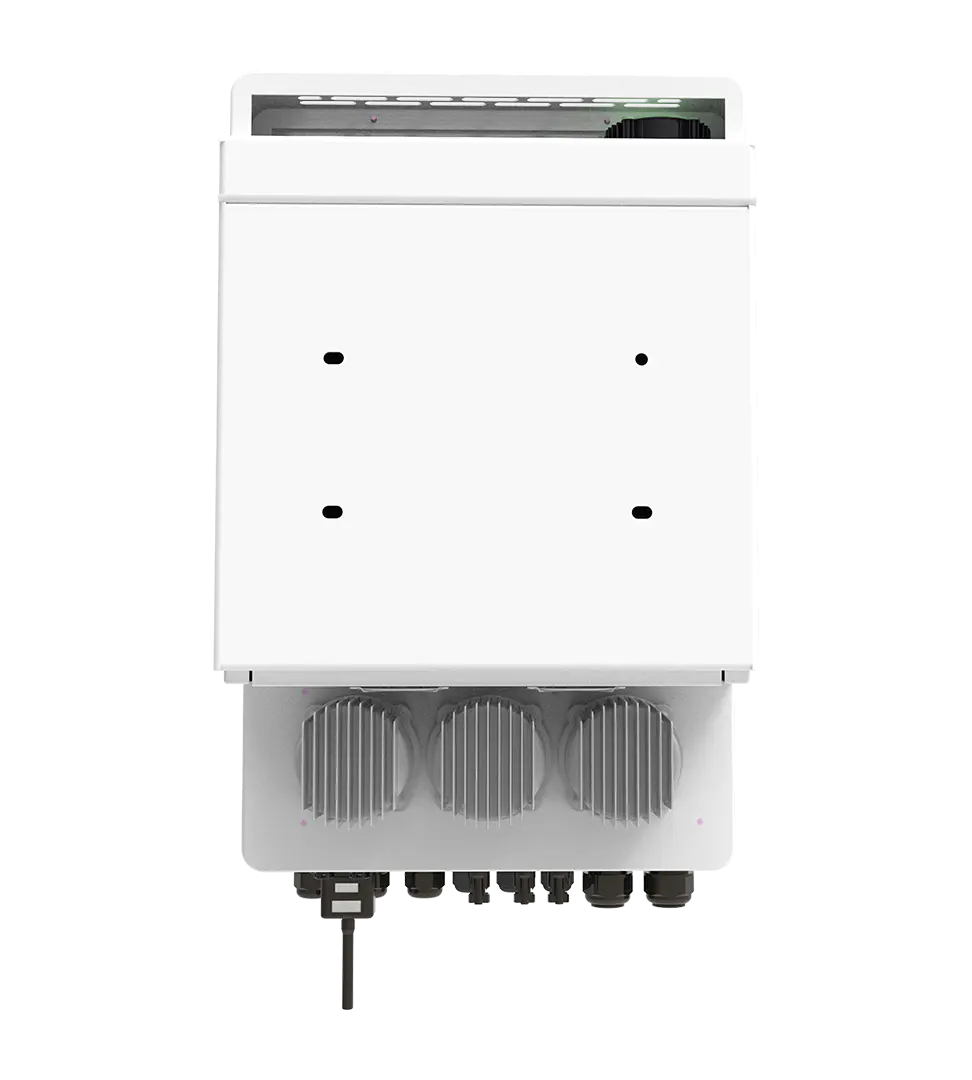
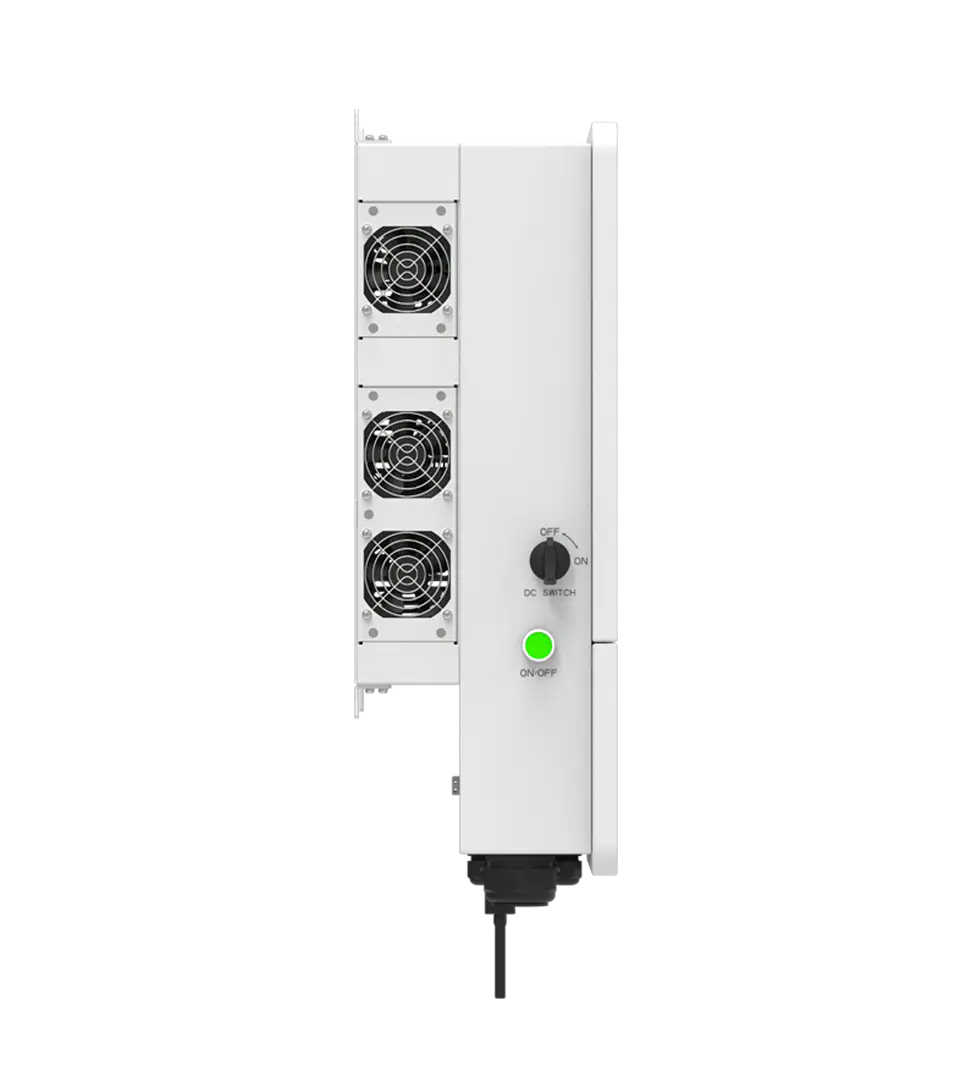
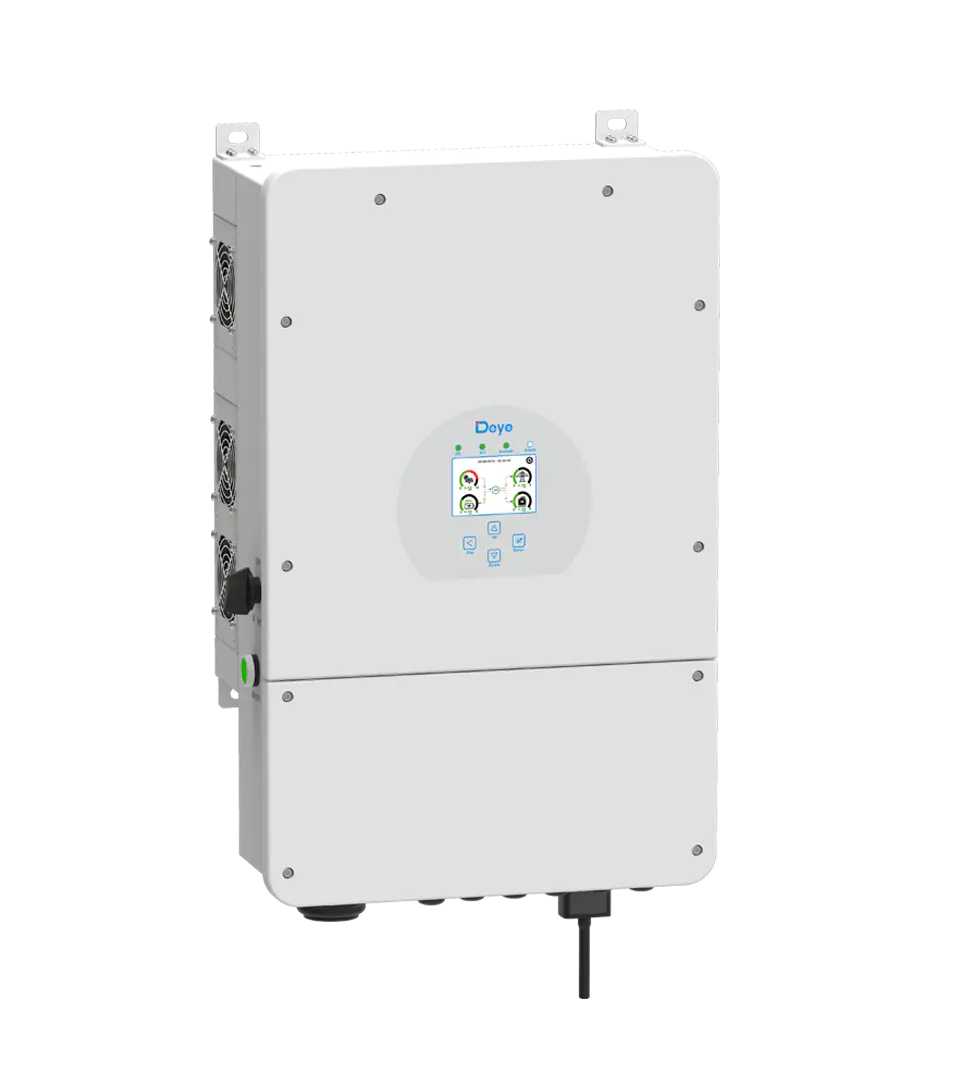
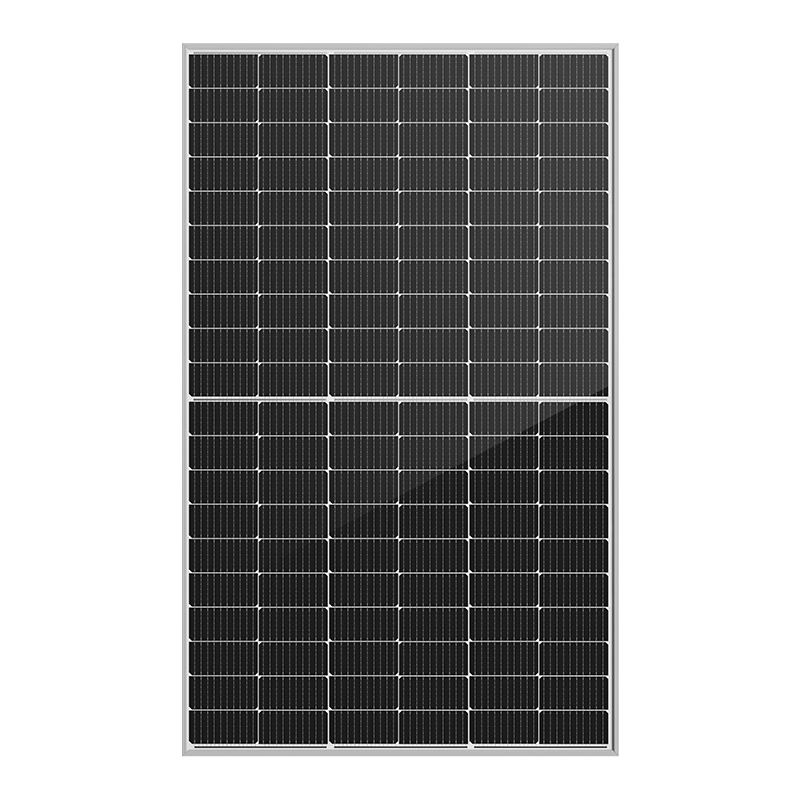
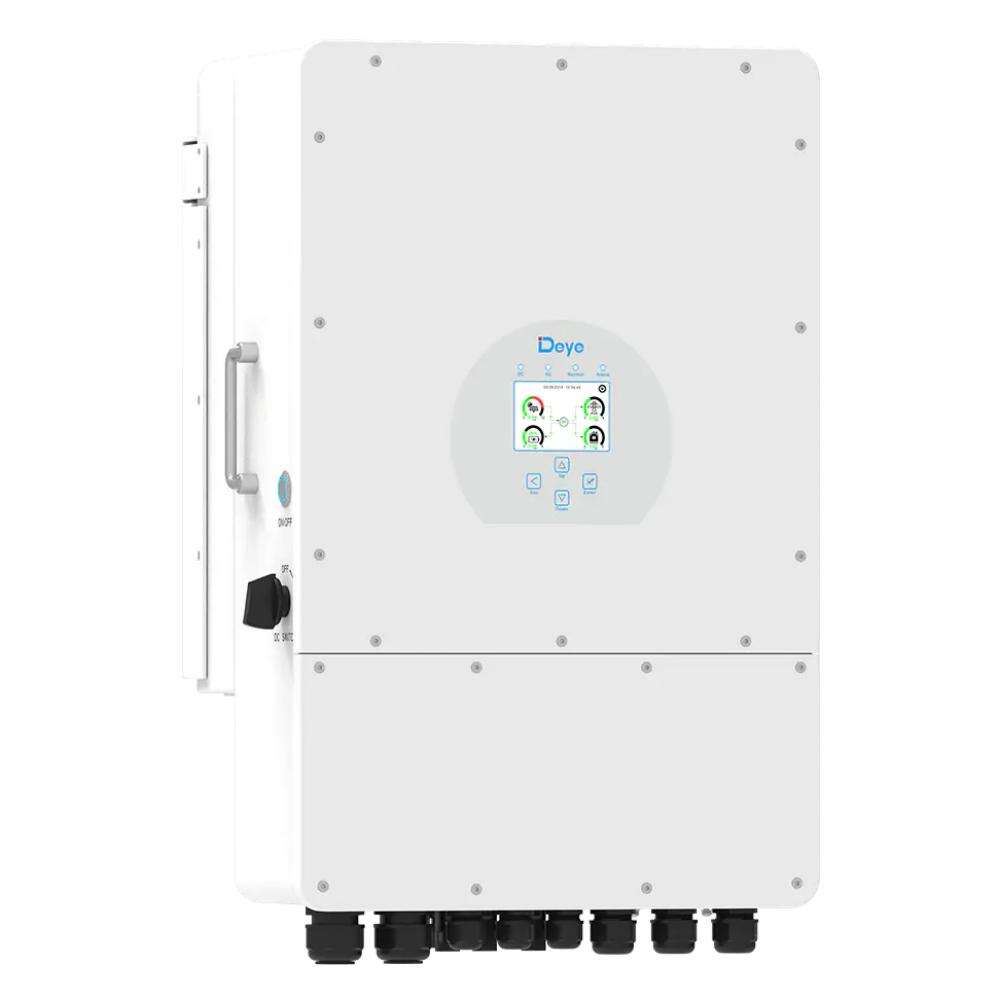
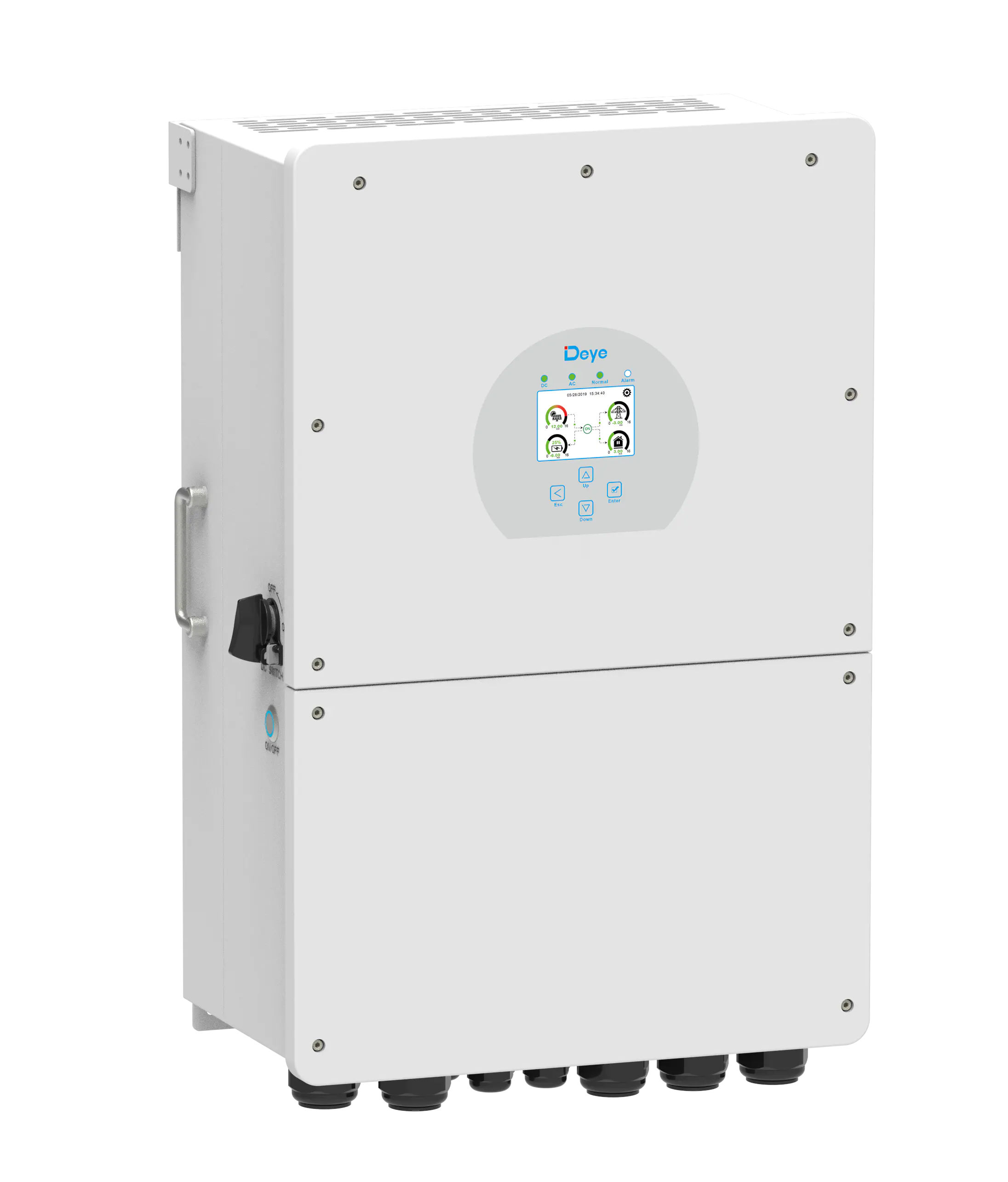
Parallel inverters represent a sophisticated power conversion technology that enables multiple inverter units to work together as a unified system. These advanced electrical devices convert direct current electricity into alternating current power while operating in synchronized harmony. The fundamental principle behind parallel inverters involves connecting two or more individual inverter units to share electrical loads efficiently and provide enhanced system reliability. This configuration allows each unit to contribute proportionally to the total power output while maintaining consistent voltage and frequency characteristics across the entire system. The main functions of parallel inverters encompass load distribution, redundancy provision, and scalable power generation capabilities. When one inverter unit experiences technical issues or requires maintenance, the remaining units continue operating seamlessly, ensuring uninterrupted power supply to connected equipment. This load-sharing mechanism prevents individual units from becoming overloaded while maximizing overall system efficiency. Technological features of parallel inverters include advanced synchronization circuits, communication protocols, and intelligent control systems that coordinate operations between multiple units. These systems employ sophisticated algorithms to monitor voltage, frequency, and phase relationships, ensuring optimal performance across all connected inverters. Modern parallel inverters incorporate digital signal processing technology, real-time monitoring capabilities, and automated fault detection systems that enhance operational reliability and maintenance efficiency. Applications for parallel inverters span numerous industries and sectors, including renewable energy installations, data centers, industrial manufacturing facilities, healthcare institutions, and critical infrastructure systems. Solar power installations frequently utilize parallel inverters to maximize energy harvest from photovoltaic arrays while providing system redundancy. Data centers rely on parallel inverters to maintain consistent power quality for sensitive computing equipment. Manufacturing facilities employ these systems to ensure continuous production operations, while hospitals depend on parallel inverters for life-critical medical equipment. The versatility and reliability of parallel inverters make them essential components in modern electrical infrastructure where consistent power delivery is paramount.

New Products

Parallel inverters deliver exceptional benefits that make them superior choices for demanding electrical applications. The primary advantage lies in enhanced system reliability through built-in redundancy capabilities. When you install parallel inverters, you create a robust power system that continues operating even when individual units fail or require maintenance. This redundancy eliminates single points of failure that plague traditional single-inverter installations, providing peace of mind for critical applications. Your business operations remain uninterrupted because the remaining inverters automatically compensate for any unit that goes offline. The load-sharing capability of parallel inverters maximizes efficiency while extending equipment lifespan. Each inverter operates within optimal parameters rather than being pushed to maximum capacity, reducing thermal stress and component wear. This balanced operation translates to lower maintenance costs and longer equipment life, delivering significant long-term savings for your investment. You benefit from improved power quality as parallel inverters work together to minimize harmonic distortion and voltage fluctuations that can damage sensitive equipment. Scalability represents another major advantage of parallel inverters, allowing you to expand power capacity as your needs grow. You can start with a smaller system and add additional inverter units without replacing existing equipment, making this solution highly cost-effective for growing businesses. This modular approach lets you match power generation to actual demand rather than over-investing in unused capacity. Parallel inverters also provide superior fault tolerance through their distributed architecture. If one unit experiences problems, the system isolates the faulty component while continuing to supply power through healthy units. This intelligent fault management prevents cascading failures that could shut down entire power systems. The advanced monitoring capabilities built into parallel inverters give you real-time visibility into system performance, allowing proactive maintenance that prevents unexpected downtime. You can track individual unit performance, identify potential issues before they become critical, and optimize system operation for maximum efficiency. These monitoring features reduce operational costs by enabling predictive maintenance schedules rather than reactive repairs. Energy efficiency improvements result from the optimized load distribution across multiple units, ensuring each inverter operates at peak efficiency points rather than being oversized for typical loads.

Latest News

Solar Product Tech Advances In 2025

20

Jan

Solar Product Tech Advances In 2025

View More
2025 Global Solar Market Demand (Emerging Markets)

20

Jan

2025 Global Solar Market Demand (Emerging Markets)

View More
Solar Products & Rural Electrification 2025

20

Jan

Solar Products & Rural Electrification 2025

View More

Get a Free Quote

Our representative will contact you soon.
Email
Mobile/WhatsApp
Name
Company Name
Message
0/1000

parallel inverters

Advanced Load Distribution Technology

Advanced Load Distribution Technology

The sophisticated load distribution technology in parallel inverters represents a revolutionary approach to power management that transforms how electrical systems handle varying demand scenarios. This intelligent system continuously monitors power requirements and automatically distributes electrical loads across multiple inverter units based on real-time demand patterns and individual unit capabilities. The technology employs advanced algorithms that calculate optimal load sharing ratios, ensuring each inverter operates within its most efficient operating range while preventing any single unit from becoming overloaded or underutilized. This dynamic load balancing mechanism adapts instantly to changing power requirements, whether demand increases during peak usage periods or decreases during low-consumption times. The system's ability to redistribute loads seamlessly means that your electrical infrastructure operates at maximum efficiency regardless of fluctuating demand patterns. Each parallel inverter communicates with others through sophisticated control networks that share performance data, status information, and load requirements in real-time. This constant communication enables the system to make split-second decisions about load allocation, ensuring optimal performance across the entire network. When demand spikes occur, the load distribution technology immediately engages additional inverter units to handle increased requirements without compromising power quality or system stability. Conversely, during periods of reduced demand, the system can selectively reduce the number of active units, improving overall energy efficiency and reducing operational costs. The technology also incorporates predictive capabilities that anticipate load changes based on historical usage patterns and external factors, allowing the system to pre-position inverter units for optimal response times. This proactive approach minimizes response delays and ensures consistent power delivery even during rapid load transitions. The load distribution technology provides significant economic benefits by maximizing the lifespan of individual inverter units through balanced usage patterns. Rather than subjecting specific units to continuous high-load operation while others remain underutilized, the system ensures equitable usage distribution that extends overall equipment life and reduces replacement costs. This intelligent load management also improves power quality by maintaining consistent voltage and frequency characteristics across all output terminals, regardless of load variations or individual unit performance differences.
Intelligent Fault Detection and Isolation

Intelligent Fault Detection and Isolation

The intelligent fault detection and isolation system integrated into parallel inverters provides unmatched reliability and operational continuity that sets these systems apart from conventional single-unit installations. This sophisticated technology continuously monitors every aspect of system performance, from individual component temperatures and voltage levels to overall system efficiency and power quality parameters. The system employs multiple layers of protection that work together to identify potential problems before they can impact system performance or cause equipment damage. Advanced sensor networks throughout each inverter unit collect thousands of data points every second, feeding this information to centralized processing systems that analyze trends, identify anomalies, and predict potential failure modes. When the system detects abnormal operating conditions, it immediately initiates protective protocols that isolate the affected unit while maintaining power delivery through healthy inverters. This isolation process occurs automatically within milliseconds, preventing cascading failures that could compromise the entire power system. The fault detection algorithms can distinguish between temporary conditions that require brief corrective action and serious faults that necessitate unit shutdown, ensuring appropriate responses for different types of issues. The system maintains detailed logs of all detected events, providing valuable diagnostic information that helps technicians quickly identify root causes and implement effective repairs. This comprehensive monitoring capability extends beyond simple fault detection to include performance optimization features that continuously tune system operation for maximum efficiency. The intelligent system can detect gradual performance degradation that might indicate upcoming maintenance requirements, enabling proactive service scheduling that prevents unexpected downtime. When faults occur, the isolation system ensures that only the affected inverter unit is taken offline while the remaining units continue operating normally. This selective isolation capability means that partial system failures never result in complete power outages, providing exceptional reliability for critical applications. The system also includes automatic restart capabilities that attempt to bring isolated units back online once fault conditions are resolved, minimizing the impact of temporary issues on overall system capacity. The fault detection and isolation technology provides significant cost savings by preventing minor issues from escalating into major equipment failures that require expensive repairs or replacements.
Seamless System Scalability and Integration

Seamless System Scalability and Integration

The seamless system scalability and integration capabilities of parallel inverters offer unparalleled flexibility that adapts to evolving power requirements and technological advances. This modular architecture allows you to start with a basic configuration and expand capacity incrementally as your needs grow, eliminating the need for costly complete system replacements. The integration process for additional inverter units is remarkably straightforward, requiring minimal downtime and no modifications to existing equipment. Each new inverter automatically synchronizes with the existing system upon connection, immediately contributing to total system capacity while maintaining operational continuity. This plug-and-play functionality means that system expansions can be completed quickly and efficiently, minimizing disruption to ongoing operations. The scalability extends beyond simple capacity increases to include advanced feature integration as new technologies become available. Modern parallel inverters support firmware updates and hardware upgrades that can enhance system capabilities without requiring complete equipment replacement. This forward-compatible design protects your investment by ensuring that current systems remain relevant as technology evolves. The integration capabilities encompass compatibility with various energy sources, storage systems, and grid configurations, making parallel inverters suitable for diverse applications ranging from renewable energy installations to backup power systems. The system can seamlessly integrate with solar panels, wind turbines, battery storage systems, and conventional grid connections, creating hybrid power solutions that maximize reliability and efficiency. Advanced communication protocols built into parallel inverters enable integration with building management systems, energy monitoring platforms, and remote control interfaces that provide comprehensive system oversight and control capabilities. The scalability features also include load management capabilities that automatically optimize system performance as capacity increases, ensuring that expanded systems operate as efficiently as smaller configurations. When you add inverter units to existing systems, the intelligent control algorithms automatically recalibrate load distribution patterns to incorporate the new capacity while maintaining optimal efficiency across all units. This automatic optimization eliminates the need for manual tuning or configuration changes when expanding system capacity. The integration technology supports both local and remote monitoring interfaces that provide comprehensive visibility into system performance regardless of system size or configuration complexity. These monitoring capabilities scale seamlessly with system expansion, ensuring that larger installations maintain the same level of operational oversight as smaller systems.

Get a Free Quote

Our representative will contact you soon.
Email
Mobile/WhatsApp
Name
Company Name
Message
0/1000