parallel inverters
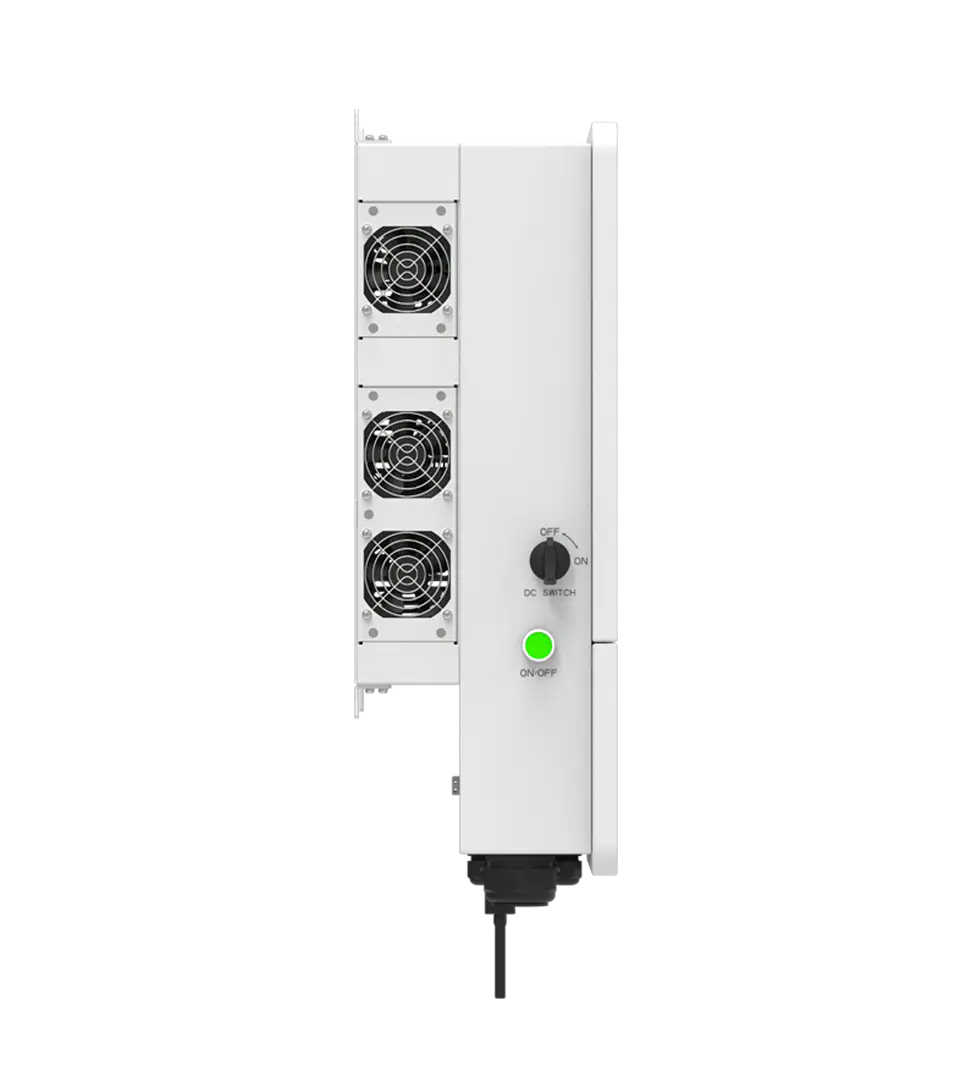
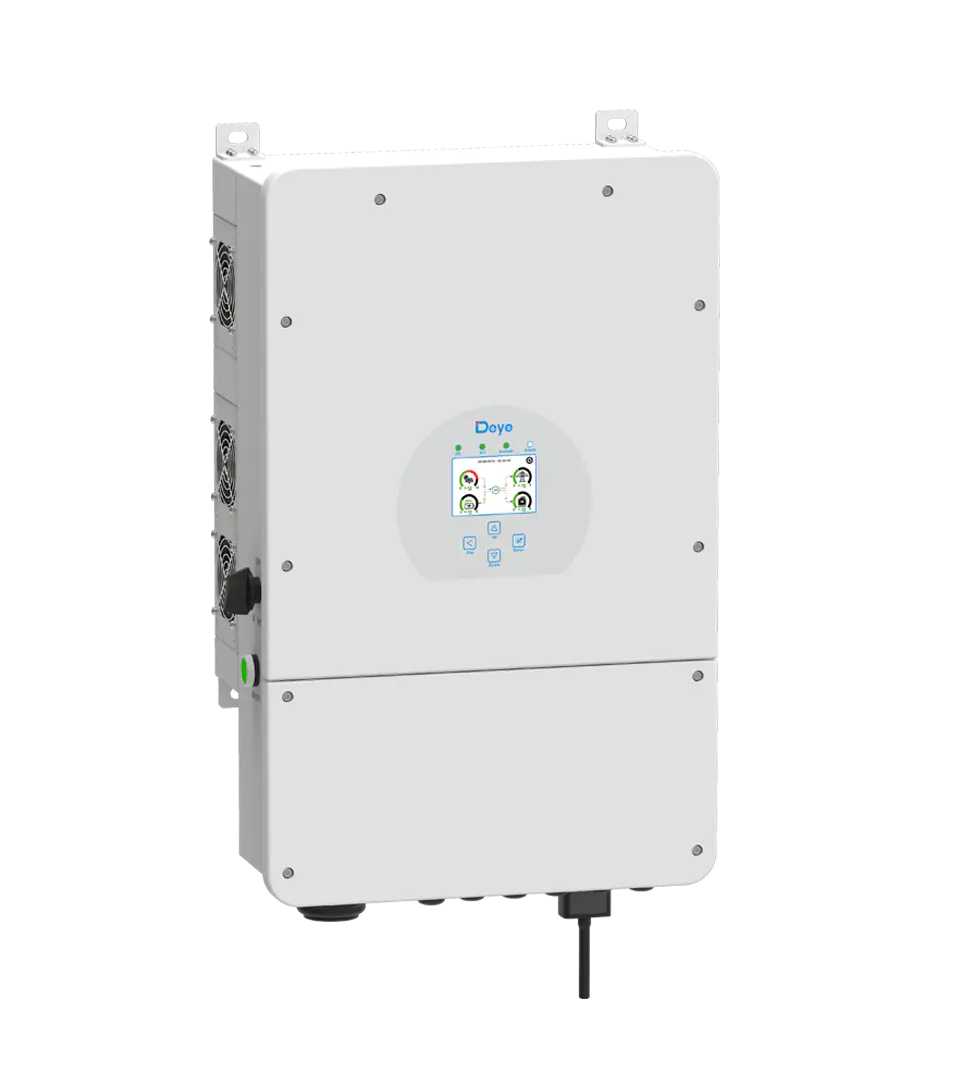
Parallel inverters represent a sophisticated power conversion technology that enables multiple inverter units to work together as a unified system. These advanced electrical devices convert direct current electricity into alternating current power while operating in synchronized harmony. The fundamental principle behind parallel inverters involves connecting two or more individual inverter units to share electrical loads efficiently and provide enhanced system reliability. This configuration allows each unit to contribute proportionally to the total power output while maintaining consistent voltage and frequency characteristics across the entire system. The main functions of parallel inverters encompass load distribution, redundancy provision, and scalable power generation capabilities. When one inverter unit experiences technical issues or requires maintenance, the remaining units continue operating seamlessly, ensuring uninterrupted power supply to connected equipment. This load-sharing mechanism prevents individual units from becoming overloaded while maximizing overall system efficiency. Technological features of parallel inverters include advanced synchronization circuits, communication protocols, and intelligent control systems that coordinate operations between multiple units. These systems employ sophisticated algorithms to monitor voltage, frequency, and phase relationships, ensuring optimal performance across all connected inverters. Modern parallel inverters incorporate digital signal processing technology, real-time monitoring capabilities, and automated fault detection systems that enhance operational reliability and maintenance efficiency. Applications for parallel inverters span numerous industries and sectors, including renewable energy installations, data centers, industrial manufacturing facilities, healthcare institutions, and critical infrastructure systems. Solar power installations frequently utilize parallel inverters to maximize energy harvest from photovoltaic arrays while providing system redundancy. Data centers rely on parallel inverters to maintain consistent power quality for sensitive computing equipment. Manufacturing facilities employ these systems to ensure continuous production operations, while hospitals depend on parallel inverters for life-critical medical equipment. The versatility and reliability of parallel inverters make them essential components in modern electrical infrastructure where consistent power delivery is paramount.
 EN
EN