Advanced Hybrid Battery Inverter Systems: Complete Guide to Smart Energy Storage Solutions

Get a Free Quote

Our representative will contact you soon.
Email
Mobile/WhatsApp
Name
Company Name
Message
0/1000

hybrid battery inverter

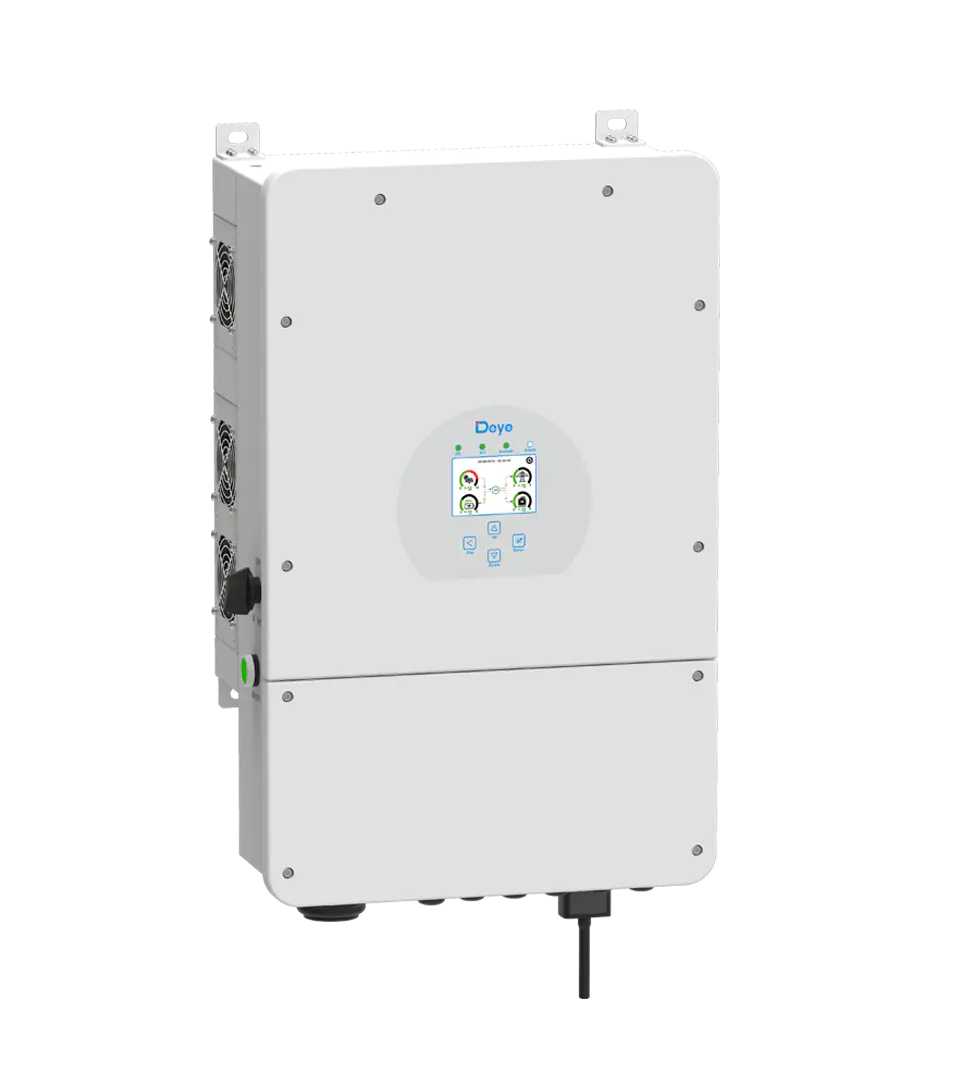
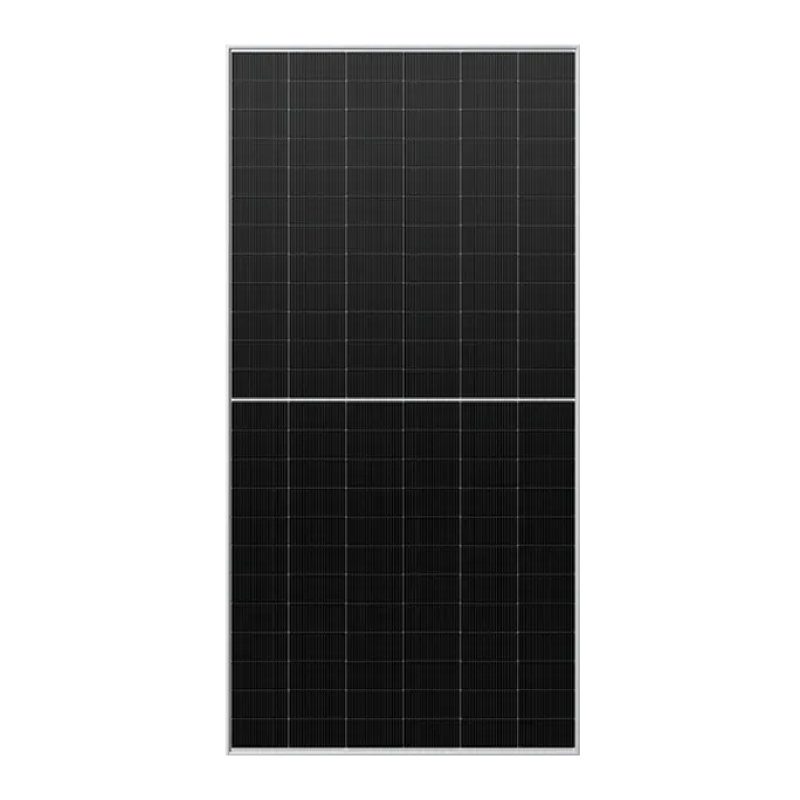
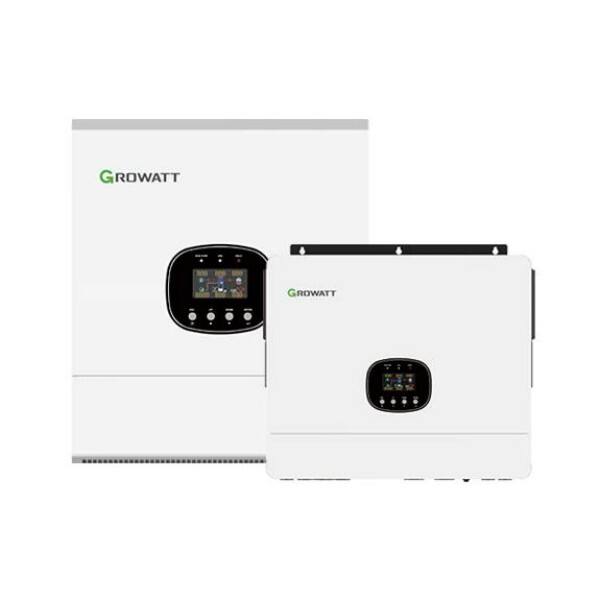
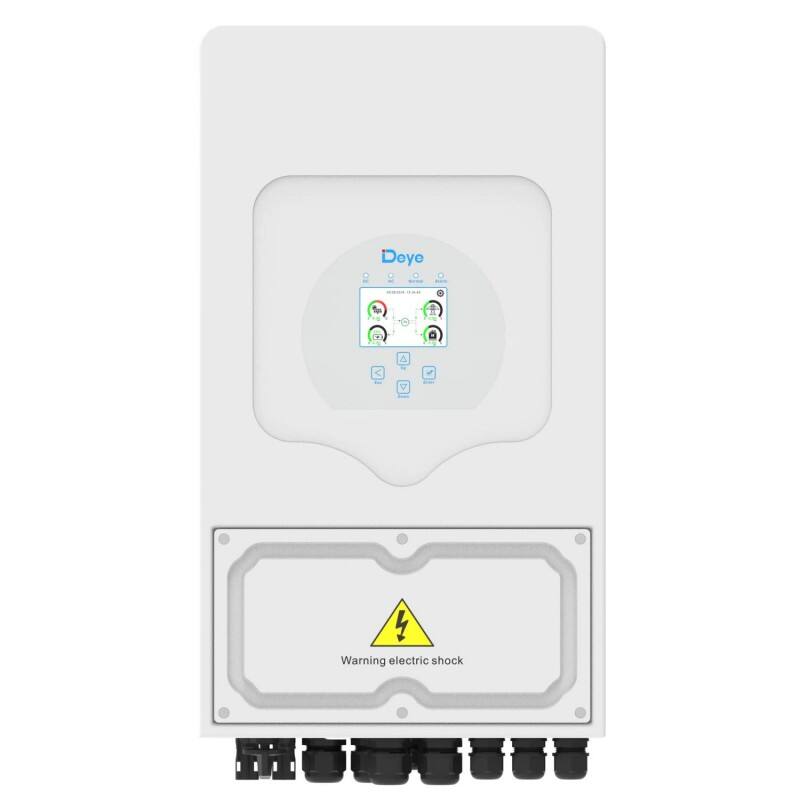
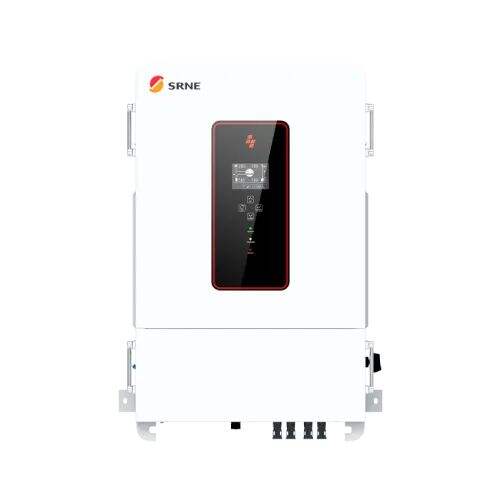
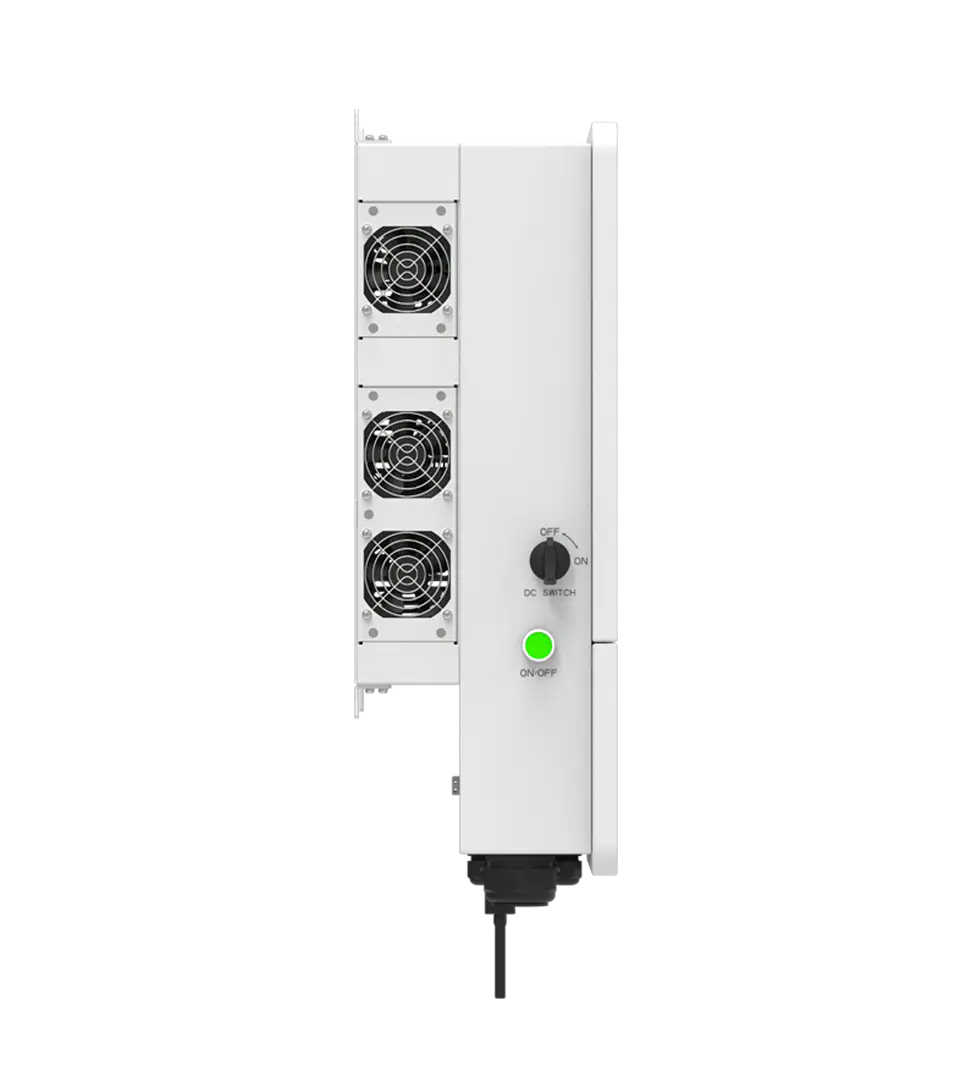
A hybrid battery inverter represents a revolutionary advancement in energy management technology that combines multiple power generation sources with intelligent battery storage capabilities. This sophisticated device serves as the central hub for modern renewable energy systems, seamlessly integrating solar panels, wind turbines, grid electricity, and battery storage into one cohesive unit. The hybrid battery inverter transforms direct current electricity from renewable sources into alternating current suitable for household appliances while simultaneously managing energy storage and distribution. The primary function of a hybrid battery inverter involves converting DC power from solar panels or batteries into AC power that homes and businesses can use directly. Beyond basic conversion, these devices incorporate advanced battery management systems that optimize charging cycles, prevent overcharging, and extend battery lifespan. The inverter continuously monitors energy production, consumption patterns, and grid conditions to make intelligent decisions about when to store excess energy, when to draw from batteries, and when to sell surplus power back to the utility grid. Modern hybrid battery inverters feature sophisticated technological components including maximum power point tracking algorithms that ensure optimal energy harvest from solar installations. These units incorporate built-in charge controllers that regulate battery charging processes while protecting against voltage fluctuations and power surges. Many models include smart connectivity options that enable remote monitoring and control through mobile applications or web interfaces. The applications for hybrid battery inverters span residential, commercial, and industrial sectors. Homeowners utilize these systems to reduce electricity bills, achieve energy independence, and maintain power during outages. Commercial establishments deploy hybrid battery inverters to manage peak demand charges and improve operational efficiency. Industrial facilities leverage these systems for backup power solutions and to participate in grid stabilization programs. The versatility of hybrid battery inverters makes them suitable for off-grid installations, grid-tied systems with backup capabilities, and hybrid configurations that maximize both energy savings and reliability.
Popular Products

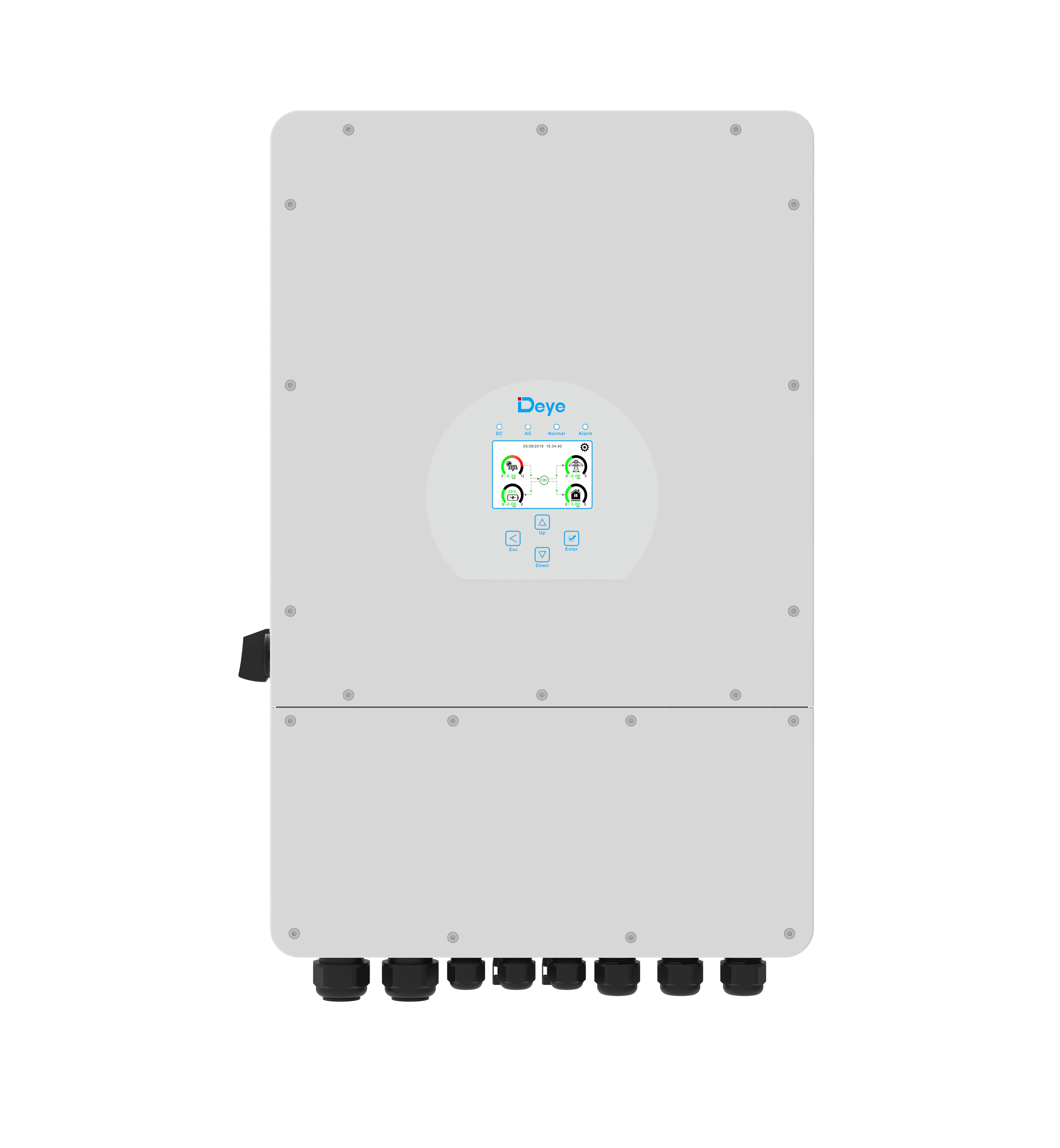
Hybrid battery inverters deliver substantial cost savings by enabling users to store excess renewable energy during peak production periods and utilize this stored power during expensive peak rate hours. This time-shifting capability allows homeowners and businesses to avoid high electricity costs while maximizing the value of their renewable energy investments. The inverter automatically switches between different power sources based on real-time pricing and availability, ensuring optimal economic performance without requiring manual intervention. Energy independence represents another significant advantage, as hybrid battery inverters reduce reliance on traditional utility companies by creating self-sufficient power systems. Users can maintain essential electrical functions during grid outages, natural disasters, or planned maintenance periods. This backup capability proves especially valuable in areas prone to severe weather events or unreliable grid infrastructure. The seamless transition between grid power and battery backup occurs instantaneously, preventing interruptions to sensitive electronic equipment and maintaining comfort levels. Environmental benefits emerge through reduced carbon footprint and decreased demand on fossil fuel power plants. Hybrid battery inverters optimize renewable energy utilization by storing clean energy that would otherwise be wasted during low-consumption periods. This increased efficiency translates directly into reduced greenhouse gas emissions and environmental impact. The systems encourage greater adoption of renewable energy technologies by addressing storage challenges that previously limited solar and wind installations. Installation flexibility allows hybrid battery inverters to integrate with existing electrical systems without extensive modifications. These units accommodate various battery technologies including lithium-ion, lead-acid, and emerging storage solutions. The modular design enables system expansion as energy needs grow or additional renewable sources are added. Professional installation typically requires minimal structural changes, making upgrades accessible to most property owners. Advanced monitoring capabilities provide detailed insights into energy production, consumption patterns, and system performance. Users can track savings, identify optimization opportunities, and receive maintenance alerts through intuitive interfaces. This transparency helps optimize energy usage habits while ensuring peak system performance. The intelligent automation eliminates guesswork by managing complex energy decisions automatically, making renewable energy systems accessible to users without technical expertise.

Tips And Tricks

Solar Product Tech Advances In 2025

20

Jan

Solar Product Tech Advances In 2025

View More
2025 Global Solar Market Demand (Emerging Markets)

20

Jan

2025 Global Solar Market Demand (Emerging Markets)

View More
Solar Products & Rural Electrification 2025

20

Jan

Solar Products & Rural Electrification 2025

View More

Get a Free Quote

Our representative will contact you soon.
Email
Mobile/WhatsApp
Name
Company Name
Message
0/1000

hybrid battery inverter

Intelligent Energy Management and Grid Integration

Intelligent Energy Management and Grid Integration

The intelligent energy management capabilities of hybrid battery inverters represent the pinnacle of modern power system automation, delivering unprecedented control over energy flows and consumption patterns. These sophisticated systems utilize advanced algorithms to continuously analyze multiple data streams including solar production forecasts, historical consumption patterns, real-time electricity pricing, and weather conditions to make optimal energy management decisions. The inverter automatically determines the most cost-effective power source at any given moment, seamlessly switching between solar generation, battery storage, and grid electricity without user intervention. This intelligent orchestration ensures maximum economic benefit while maintaining reliable power supply. The grid integration features enable hybrid battery inverters to participate in modern smart grid programs, allowing users to sell excess stored energy back to utilities during peak demand periods. This bidirectional power flow capability transforms homes and businesses from simple energy consumers into active participants in the electrical grid ecosystem. The inverter communicates with utility systems to provide grid stabilization services, potentially generating additional revenue streams through demand response programs and grid support services. Advanced power quality management ensures that electricity fed back into the grid meets strict utility standards, protecting both the local electrical infrastructure and neighboring properties. The system continuously monitors grid conditions and can instantly disconnect from the utility during outages or abnormal conditions, ensuring safety for utility workers and equipment. Remote monitoring and control capabilities allow users to oversee their energy systems from anywhere in the world through smartphone applications or web portals. These platforms provide real-time data visualization, performance analytics, and predictive maintenance alerts that help optimize system performance and prevent costly failures. The intelligent energy management extends to load prioritization during backup operation, automatically managing which circuits receive power during outages to maximize battery runtime for essential functions.
Maximum Power Point Tracking and Efficiency Optimization

Maximum Power Point Tracking and Efficiency Optimization

Maximum Power Point Tracking technology embedded within hybrid battery inverters ensures optimal energy harvest from renewable sources by continuously adjusting operating parameters to match changing environmental conditions. This sophisticated feature monitors the voltage and current characteristics of connected solar panels or wind turbines in real-time, automatically adjusting the electrical load to extract maximum available power regardless of weather variations, shading conditions, or equipment aging. The MPPT algorithms operate at frequencies measured in milliseconds, responding instantly to cloud cover, temperature fluctuations, or partial shading that would otherwise reduce energy production. Multiple MPPT channels allow independent optimization of different solar array sections, preventing underperforming panels from affecting the output of high-performing sections. This granular control maximizes energy harvest even in challenging installation environments where uniform conditions cannot be maintained. The efficiency optimization extends beyond simple power extraction to encompass the entire energy conversion process. Modern hybrid battery inverters achieve conversion efficiencies exceeding ninety-seven percent, meaning minimal energy loss during the transformation from DC to AC power. Advanced switching technologies including silicon carbide semiconductors reduce heat generation and improve overall system reliability while maintaining peak efficiency across varying load conditions. Temperature management systems ensure optimal performance even in extreme climate conditions, automatically adjusting operating parameters to prevent thermal stress and maintain efficiency ratings. The inverter continuously calibrates itself to account for component aging, seasonal variations, and changing system configurations, ensuring consistent peak performance throughout the equipment lifespan. Power factor correction capabilities improve grid interaction efficiency while reducing strain on electrical infrastructure. Harmonic distortion minimization ensures clean power output that meets or exceeds utility interconnection standards, preventing interference with sensitive electronic equipment and maintaining compliance with electrical codes and regulations.
Modular Scalability and Future-Ready Technology

Modular Scalability and Future-Ready Technology

The modular scalability features of hybrid battery inverters provide exceptional flexibility for growing energy needs and evolving technology landscapes. These systems accommodate incremental capacity additions without requiring complete system replacements, making them ideal for users who want to start with basic configurations and expand over time. The modular architecture supports various battery chemistry types including lithium iron phosphate, lithium-ion, and emerging solid-state technologies, ensuring compatibility with current and future energy storage solutions. Multiple inverter units can be connected in parallel configurations to increase total system capacity while maintaining redundancy for critical applications. This scalability extends to renewable energy sources, with support for additional solar panel arrays, wind turbines, and other emerging generation technologies. The future-ready design incorporates communication protocols and hardware interfaces that accommodate technological advances and changing industry standards. Software updates delivered through internet connectivity ensure that systems remain current with evolving utility requirements, safety standards, and performance optimization algorithms. The inverter platform supports integration with smart home automation systems, electric vehicle charging infrastructure, and emerging technologies like hydrogen fuel cells or micro-hydroelectric systems. Standardized mounting systems and electrical connections simplify expansion projects while maintaining safety and reliability standards. The modular approach reduces initial investment requirements by allowing users to implement renewable energy systems in phases aligned with budget availability and energy needs growth. Professional system design tools help optimize configurations for specific applications while ensuring proper sizing and compatibility between components. Warranty programs often extend to added components, providing long-term protection for expanding systems. The investment protection inherent in modular design ensures that initial purchases retain value as technology evolves, with upgrade paths that preserve existing investments while incorporating technological improvements. This approach democratizes access to advanced energy systems by reducing financial barriers and providing clear expansion roadmaps for users at all experience levels.

Get a Free Quote

Our representative will contact you soon.
Email
Mobile/WhatsApp
Name
Company Name
Message
0/1000