Single Battery Inverter: Complete Guide to DC to AC Power Conversion Solutions

Get a Free Quote

Our representative will contact you soon.
Email
Mobile/WhatsApp
Name
Company Name
Message
0/1000

single battery inverter

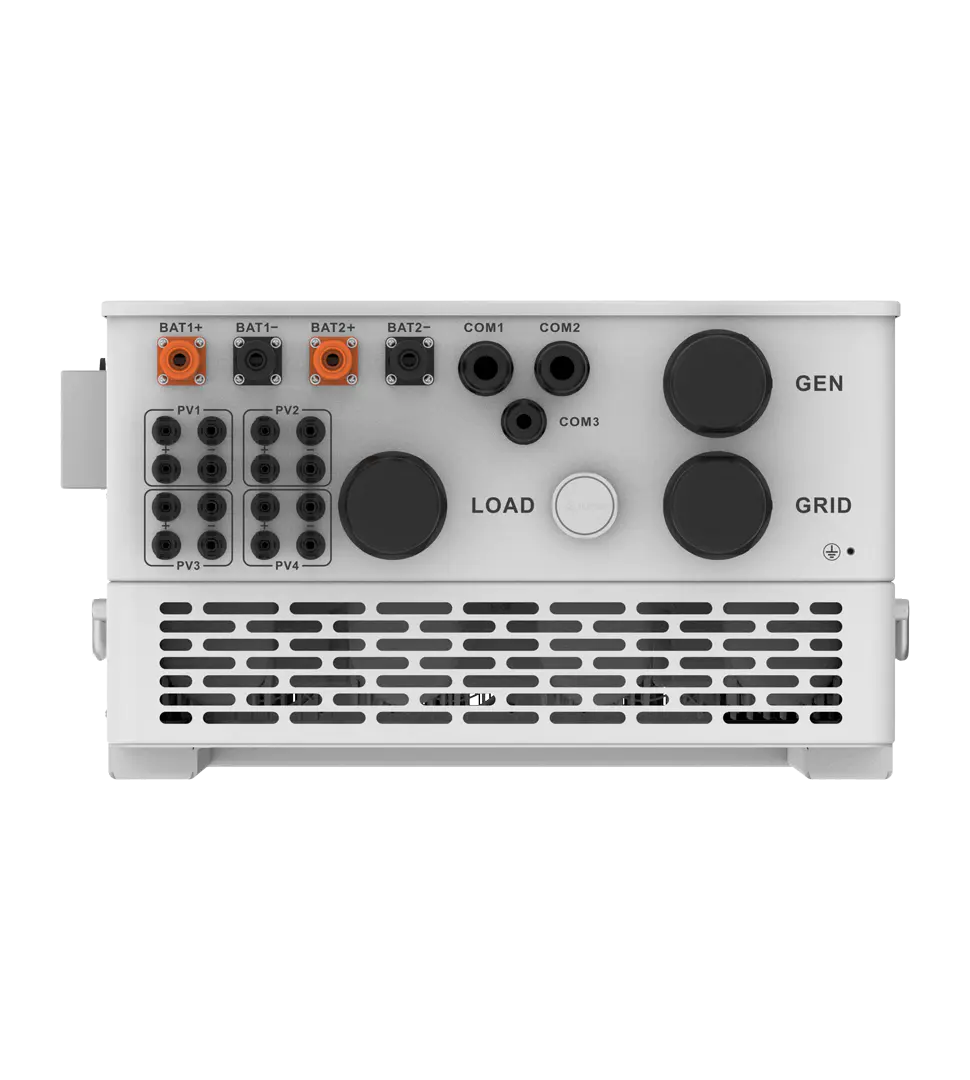
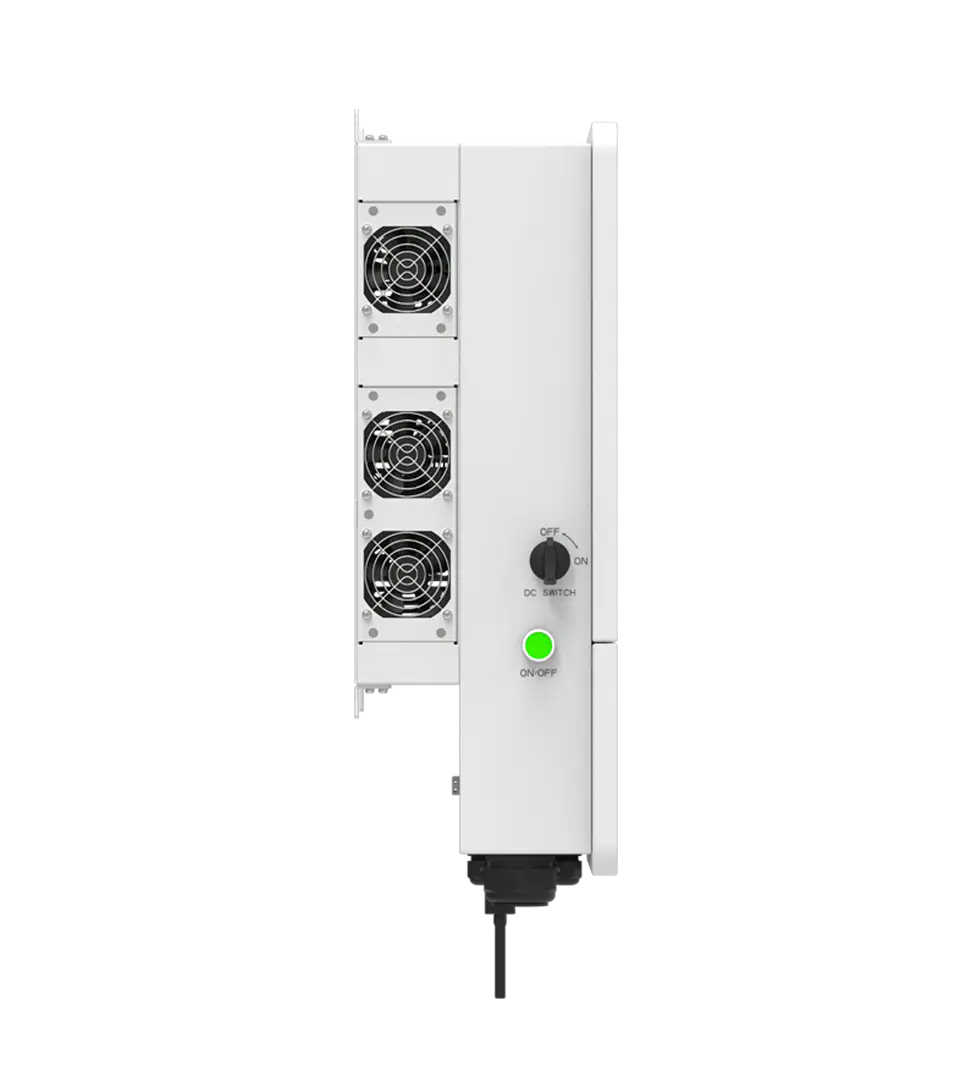
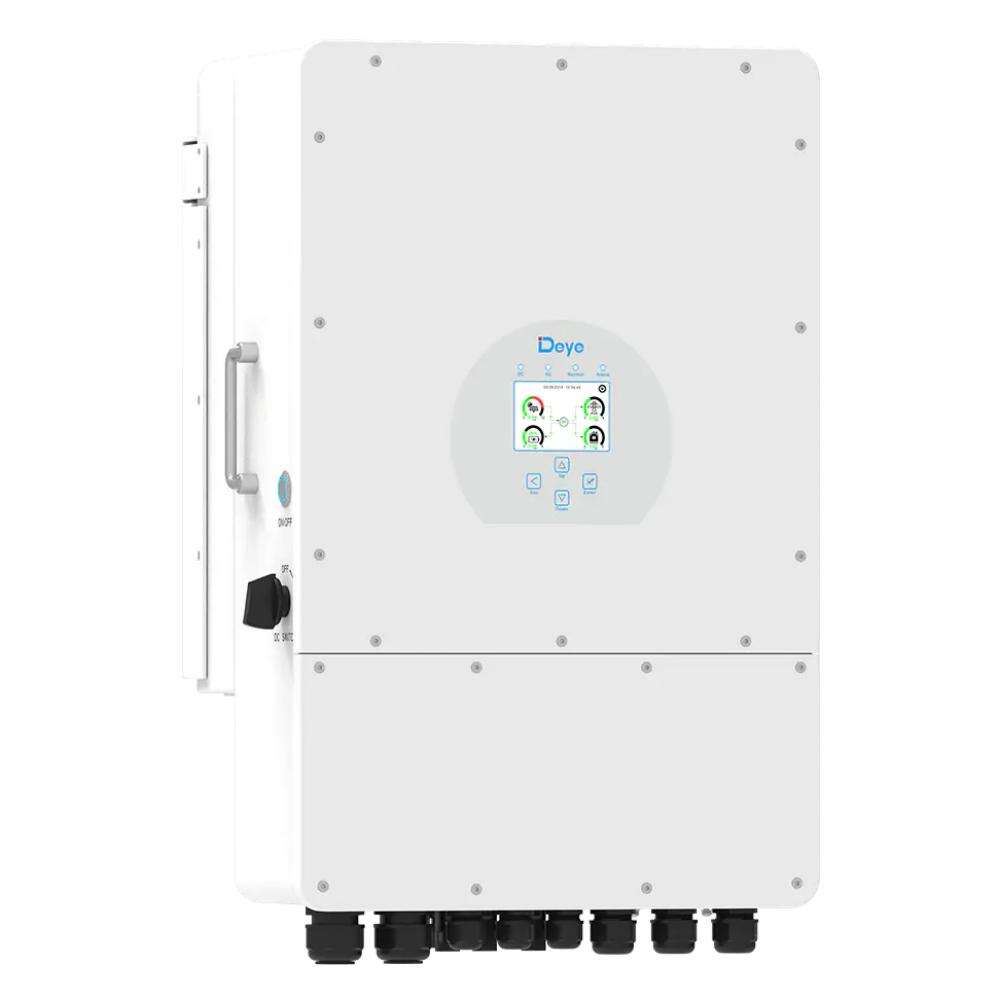
A single battery inverter represents a cutting-edge energy conversion solution designed to transform direct current (DC) power stored in one battery into alternating current (AC) electricity that powers household appliances and electronic devices. This innovative device serves as the crucial bridge between battery storage systems and standard electrical equipment, making it an essential component for backup power solutions, off-grid applications, and renewable energy systems. The single battery inverter operates through sophisticated power conversion technology, utilizing advanced switching circuits and transformers to efficiently convert 12V, 24V, or 48V DC input from a connected battery into standard 110V or 220V AC output. This conversion process maintains stable voltage levels and clean sine wave output, ensuring compatibility with sensitive electronics and appliances. Modern single battery inverter units incorporate intelligent monitoring systems that continuously track battery voltage, current draw, and temperature conditions to optimize performance and protect both the inverter and connected battery from damage. These devices feature multiple safety mechanisms including over-voltage protection, under-voltage shutdown, short-circuit protection, and thermal management systems that automatically regulate operating temperatures. The technological architecture of a single battery inverter includes pure sine wave output generation, which produces electricity that closely mimics utility grid power quality, making it suitable for powering computers, medical equipment, and other sensitive devices without risk of interference or damage. Many contemporary models integrate smart connectivity features, allowing users to monitor system performance remotely through mobile applications or web interfaces. Installation flexibility represents another key characteristic, as these inverters can be mounted in various configurations and connected to different battery types including lead-acid, lithium-ion, and gel batteries. The compact design of modern single battery inverter systems makes them ideal for residential installations, recreational vehicles, boats, and emergency backup applications where space constraints require efficient utilization of available area while maintaining high performance standards.

New Product Recommendations

The single battery inverter delivers exceptional convenience by providing instant access to AC power whenever you need it, eliminating dependence on grid electricity during outages or in remote locations. This reliability ensures that critical appliances like refrigerators, medical devices, and communication equipment continue operating seamlessly during power interruptions. Cost-effectiveness stands out as a major benefit, as a single battery inverter requires minimal initial investment compared to complex multi-battery systems while still delivering substantial power output for most residential and small commercial applications. The simplified installation process saves both time and money, requiring only basic electrical connections between the inverter, battery, and load circuits without complex wiring configurations or professional installation services in many cases. Energy efficiency represents another significant advantage, with modern single battery inverter units achieving conversion rates exceeding 90 percent, meaning minimal energy loss during the DC to AC conversion process. This high efficiency translates to longer battery runtime and reduced operating costs over the system's lifespan. Portability becomes a crucial benefit for users who need flexible power solutions, as single battery inverter systems can be easily relocated or transported for camping trips, outdoor events, or temporary power needs at different locations. The maintenance requirements remain minimal, with most units requiring only periodic visual inspections and basic cleaning to ensure optimal performance, reducing long-term ownership costs and complexity. Safety features built into modern single battery inverter designs provide peace of mind through comprehensive protection systems that prevent electrical hazards, equipment damage, and fire risks. These safety mechanisms automatically shut down the system when dangerous conditions are detected, protecting both users and connected equipment. Scalability offers future expansion possibilities, allowing users to add additional inverter units or upgrade to higher capacity models as their power needs grow without replacing the entire system. The quiet operation of contemporary single battery inverter technology makes them suitable for indoor use without creating noise disturbances, unlike traditional gas generators that produce significant noise pollution. Environmental benefits include zero emissions during operation, contributing to cleaner air quality and reduced carbon footprint compared to fossil fuel-powered generators, making them an environmentally responsible choice for conscious consumers seeking sustainable power solutions.

Practical Tips

Solar Product Tech Advances In 2025

20

Jan

Solar Product Tech Advances In 2025

View More
2025 Global Solar Market Demand (Emerging Markets)

20

Jan

2025 Global Solar Market Demand (Emerging Markets)

View More
Solar Products & Rural Electrification 2025

20

Jan

Solar Products & Rural Electrification 2025

View More

Get a Free Quote

Our representative will contact you soon.
Email
Mobile/WhatsApp
Name
Company Name
Message
0/1000

single battery inverter

Advanced Pure Sine Wave Technology

Advanced Pure Sine Wave Technology

The single battery inverter incorporates sophisticated pure sine wave technology that generates electricity identical to utility grid power, ensuring optimal performance and protection for all connected devices. This advanced waveform production represents a significant technological achievement that distinguishes quality inverters from basic modified sine wave units. Pure sine wave output eliminates the electrical noise and harmonic distortion commonly associated with cheaper inverter technologies, making it completely safe for sensitive electronics including computers, televisions, audio equipment, and medical devices that require clean, stable power to function properly. The precision engineering behind pure sine wave generation involves complex switching algorithms and high-frequency transformers that recreate the smooth, continuous waveform characteristic of grid electricity. This technology prevents equipment malfunctions, reduces electromagnetic interference, and extends the operational lifespan of connected appliances by providing consistent voltage and frequency output. Motors and compressors in appliances like refrigerators, air conditioners, and power tools operate more efficiently and quietly when powered by pure sine wave electricity, reducing energy consumption and mechanical wear. The single battery inverter's pure sine wave capability also enables it to power inductive loads such as fluorescent lights, fans, and transformers without the buzzing, flickering, or reduced performance commonly experienced with modified sine wave inverters. This technological superiority becomes particularly important in applications where power quality directly affects performance, such as charging sensitive battery-powered devices, operating variable speed drives, or powering precision instruments. The clean electrical output also ensures that battery chargers, switching power supplies, and other electronic devices operate at their designed efficiency levels, maximizing the utility of stored battery power. Furthermore, pure sine wave technology eliminates the risk of data corruption in computers and prevents interference with radio and television reception that can occur with lower-quality power conversion methods. This advanced feature makes the single battery inverter suitable for professional applications where power quality cannot be compromised, including telecommunications equipment, laboratory instruments, and critical backup systems where reliability and precision are paramount for operational success.
Intelligent Battery Management Integration

Intelligent Battery Management Integration

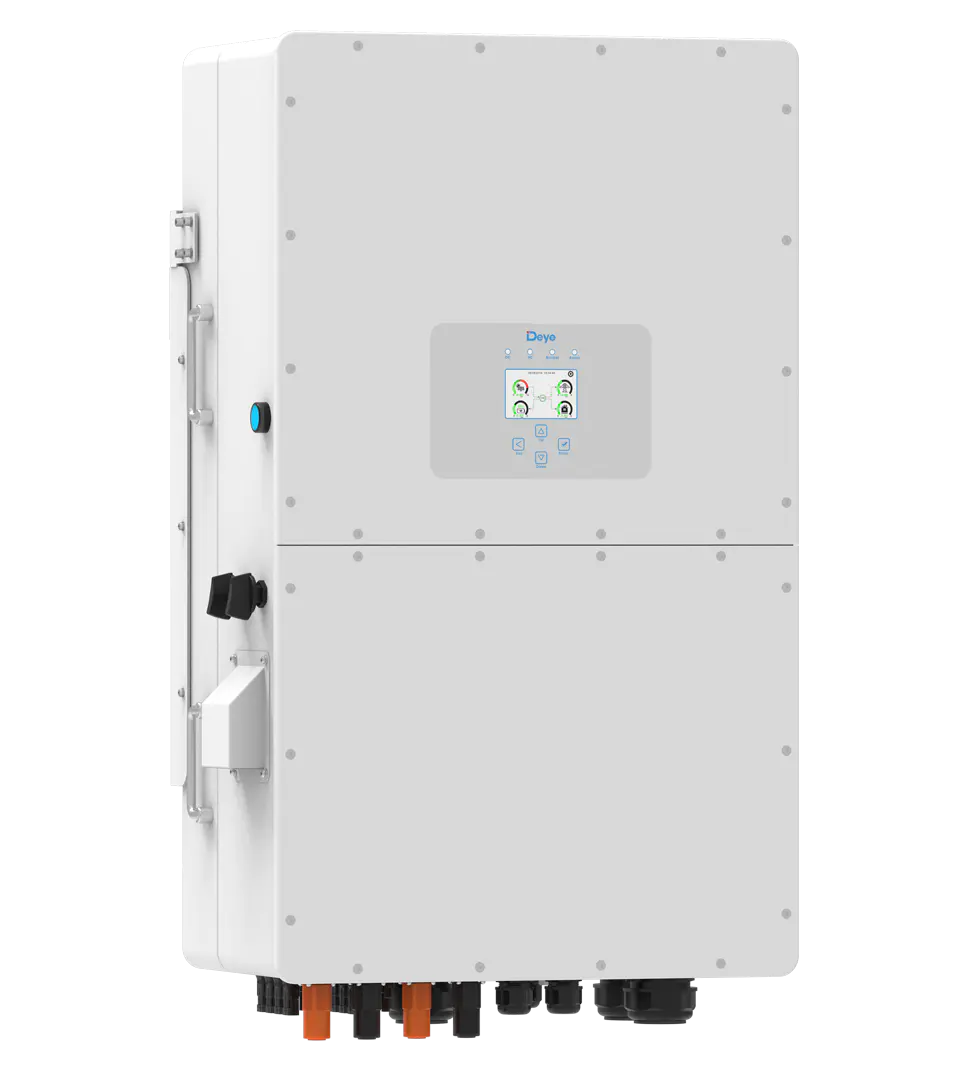
Modern single battery inverter systems feature sophisticated battery management integration that continuously monitors and optimizes battery performance to maximize lifespan and ensure reliable operation. This intelligent monitoring capability represents a crucial advancement in power system technology that protects valuable battery investments while delivering consistent performance over extended periods. The integrated management system constantly tracks multiple battery parameters including voltage levels, current flow, temperature conditions, and state of charge to provide real-time assessment of battery health and remaining capacity. Advanced algorithms within the single battery inverter automatically adjust charging and discharging rates based on battery type, ambient conditions, and load requirements to prevent overcharging, deep discharge, and thermal stress that can permanently damage battery cells. The system incorporates multi-stage charging protocols that optimize battery charging cycles through bulk, absorption, and float charging phases, ensuring complete battery restoration while preventing sulfation and other degradation mechanisms common in lead-acid batteries. Temperature compensation features automatically adjust charging voltages based on ambient temperature readings, preventing overcharging in hot conditions and undercharging in cold environments that could compromise battery performance and longevity. Low voltage disconnect functionality protects batteries from harmful deep discharge by automatically shutting down the inverter when battery voltage drops below safe thresholds, preserving sufficient charge for battery recovery and preventing irreversible capacity loss. The intelligent management system also provides predictive maintenance alerts, notifying users when battery replacement or servicing becomes necessary based on performance trends and capacity measurements over time. Battery equalization features help maintain uniform cell voltages in multi-cell battery configurations, preventing capacity imbalances that reduce overall system performance and battery life. Remote monitoring capabilities allow users to track battery status and inverter performance through smartphone applications or web interfaces, enabling proactive maintenance and system optimization from anywhere. The integration also supports various battery technologies including lead-acid, AGM, gel, and lithium-ion batteries, automatically configuring optimal charging parameters for each battery type to ensure maximum compatibility and performance across different energy storage solutions.
Compact Design with Maximum Power Density

Compact Design with Maximum Power Density

The single battery inverter achieves remarkable power density through innovative engineering that maximizes electrical output while minimizing physical footprint, making it ideal for space-constrained installations and portable applications. This compact design philosophy represents a significant advancement in power electronics that delivers substantial electrical capacity without requiring large installation spaces or heavy mounting requirements. Advanced circuit topology and high-frequency switching technology enable manufacturers to reduce transformer size and eliminate bulky components traditionally required for power conversion, resulting in inverter units that are significantly smaller and lighter than previous generation models while maintaining or exceeding power output specifications. The efficient thermal management integrated into compact single battery inverter designs utilizes advanced heat dissipation techniques including aluminum heat sinks, thermal interface materials, and intelligent cooling algorithms that maintain optimal operating temperatures without requiring external ventilation systems or oversized cooling components. This thermal efficiency allows for higher power density while ensuring reliable operation and extended component lifespan even in challenging environmental conditions. Modular construction techniques enable manufacturers to optimize internal component layout, positioning critical elements for maximum cooling efficiency while minimizing electrical losses and electromagnetic interference between circuits. The compact form factor makes single battery inverter units suitable for installation in recreational vehicles, boats, small cabins, and residential applications where available space is limited but reliable AC power is essential for comfortable living and operational requirements. Mounting flexibility becomes enhanced through compact design, allowing installation in various orientations and locations including wall mounting, shelf installation, or integration into existing electrical panels without requiring significant modifications to existing infrastructure. Transportation advantages emerge from the reduced size and weight, making it practical to relocate the system for temporary applications or transport backup power to remote locations where grid electricity is unavailable. The high power-to-size ratio also enables users to install multiple units in parallel configurations for increased capacity without overwhelming available installation space, providing scalability options that accommodate growing power needs. Manufacturing efficiency benefits from compact designs result in cost savings that are passed to consumers, making high-quality inverter technology more accessible while maintaining professional-grade performance and reliability standards expected in critical power applications.

Get a Free Quote

Our representative will contact you soon.
Email
Mobile/WhatsApp
Name
Company Name
Message
0/1000