Leading Hybrid Inverter Manufacturer | Advanced Solar Energy Solutions & Battery Storage Systems

Get a Free Quote

Our representative will contact you soon.
Email
Mobile/WhatsApp
Name
Company Name
Message
0/1000

hybrid inverter manufacturer

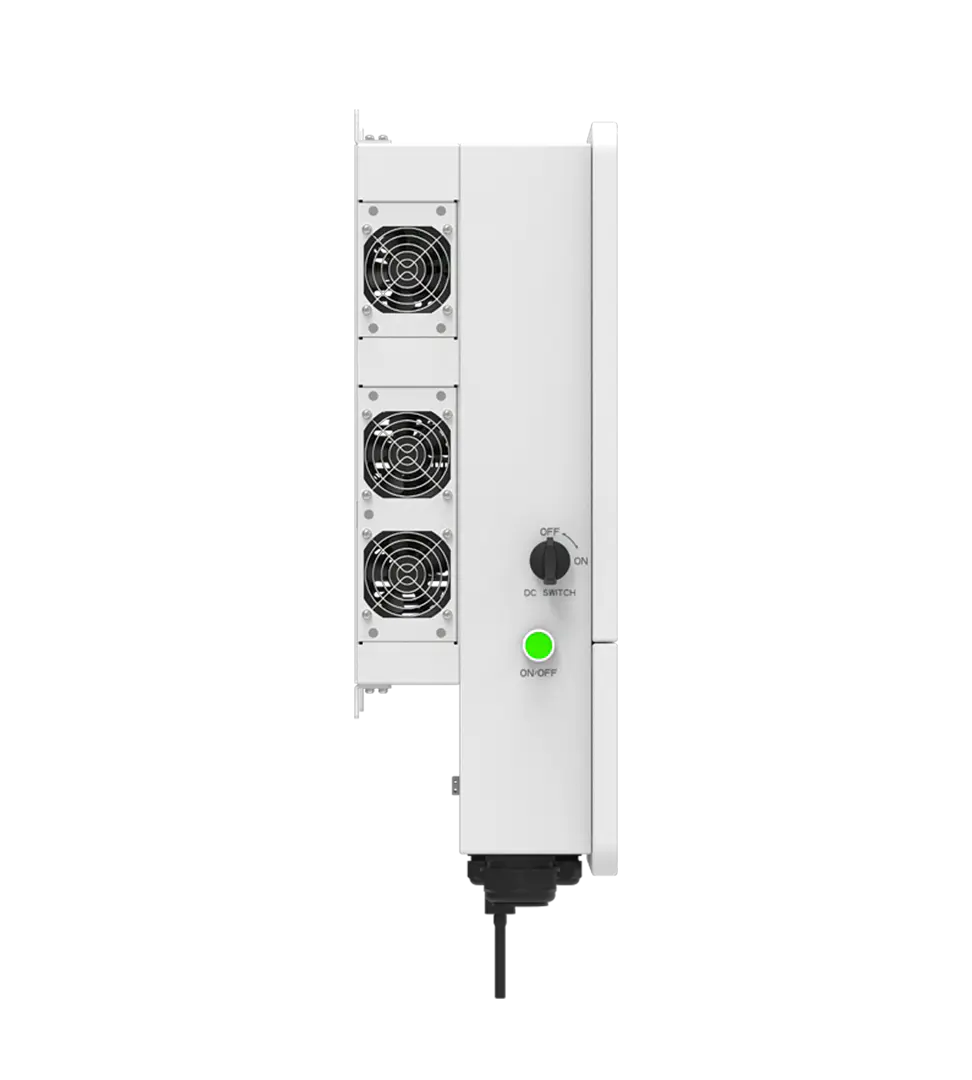
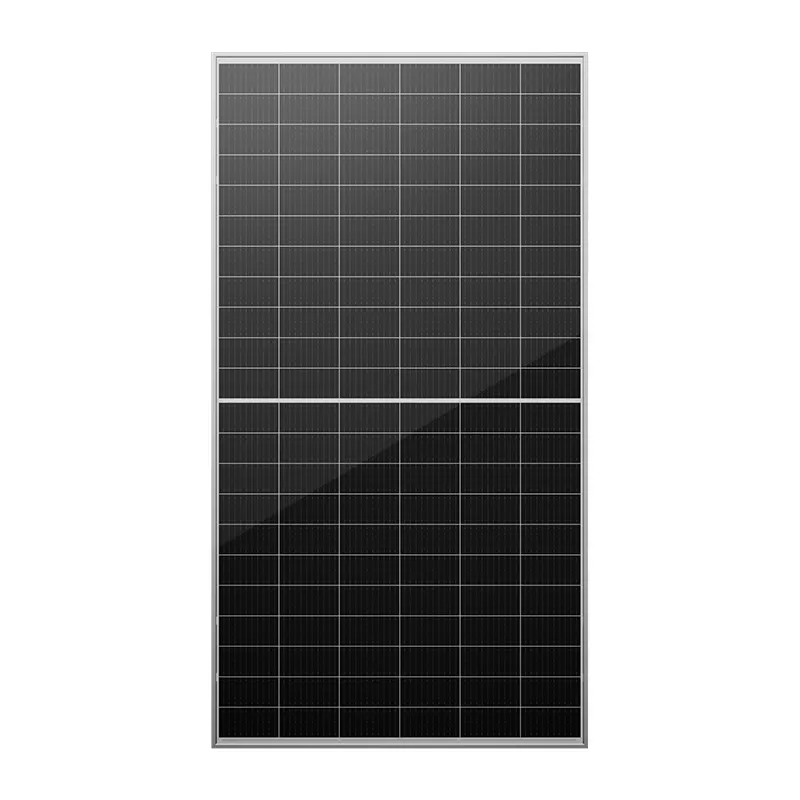
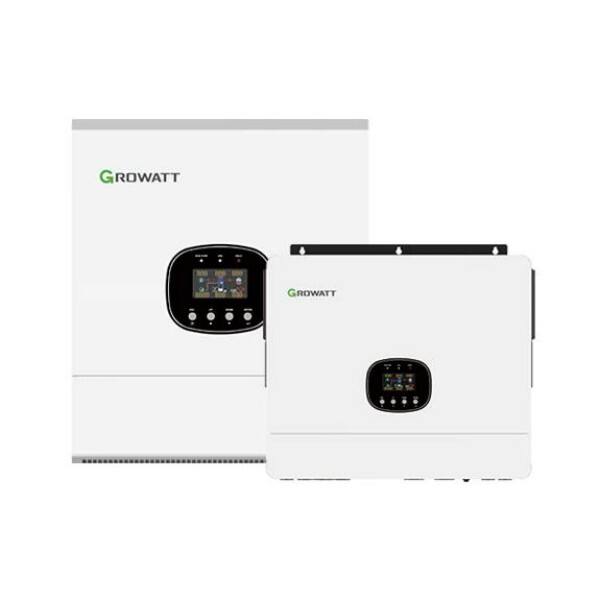
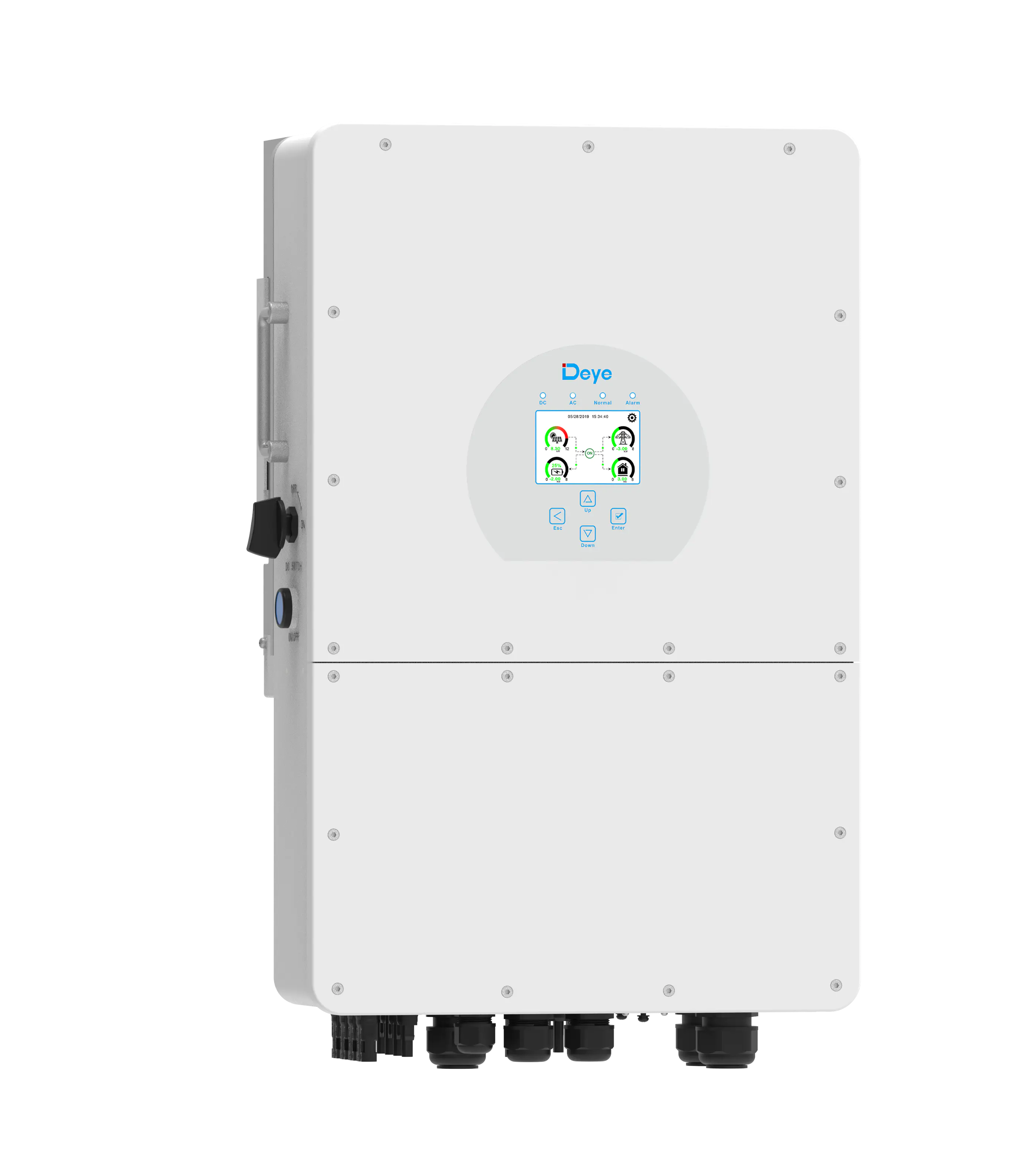
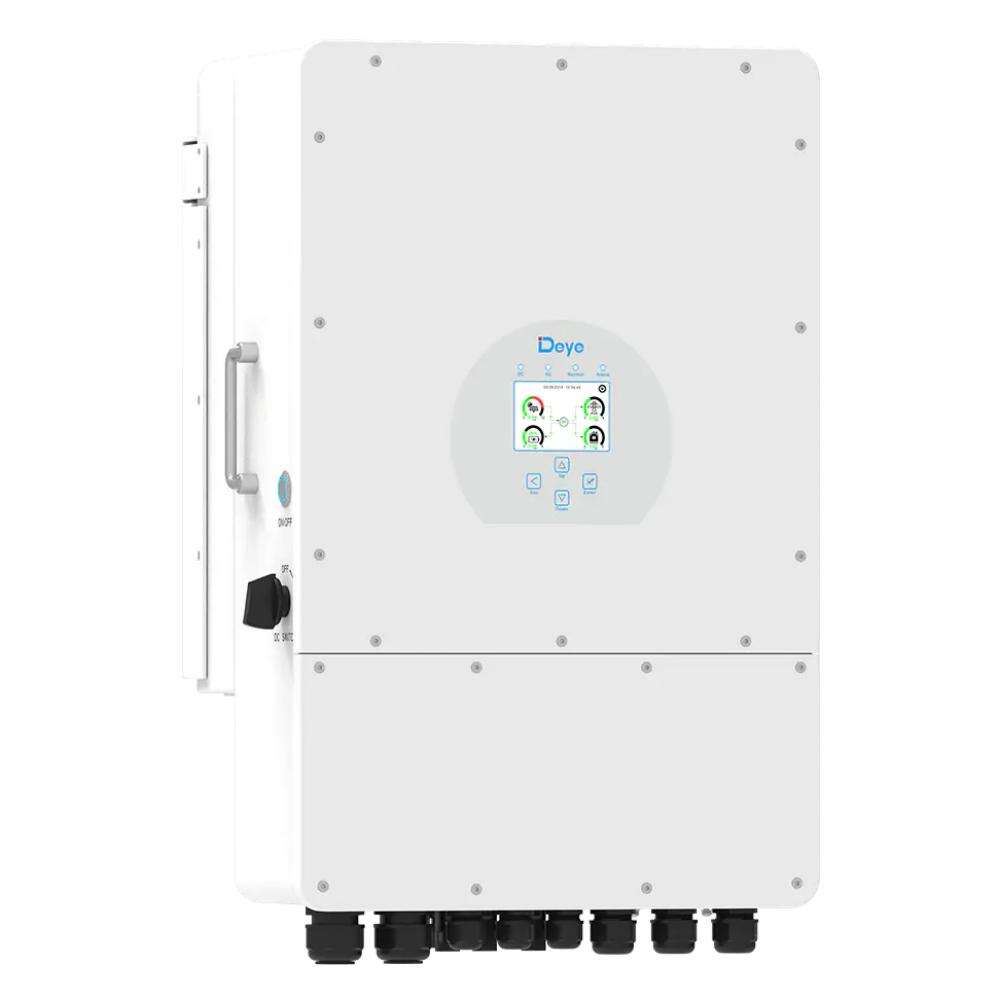
A hybrid inverter manufacturer stands at the forefront of renewable energy innovation, producing sophisticated power conversion devices that seamlessly integrate solar panels, battery storage systems, and grid connectivity into a unified energy solution. These manufacturers specialize in developing cutting-edge technology that transforms direct current electricity from solar panels into alternating current for household use while simultaneously managing energy storage and grid interactions. The primary function of a hybrid inverter manufacturer involves creating versatile energy management systems that automatically switch between different power sources based on availability, demand, and cost-effectiveness. Their products feature advanced maximum power point tracking technology that optimizes solar panel performance under varying weather conditions, ensuring maximum energy harvest throughout the day. The technological framework includes sophisticated monitoring capabilities that provide real-time data on energy production, consumption, and storage levels through user-friendly interfaces and mobile applications. Modern hybrid inverter manufacturers incorporate artificial intelligence algorithms that learn household energy patterns and automatically adjust power distribution to minimize electricity costs while maintaining reliable power supply. These systems support various battery technologies including lithium-ion, lead-acid, and emerging storage solutions, allowing customers flexibility in choosing storage options that match their specific requirements and budget constraints. Applications span residential, commercial, and industrial sectors, with manufacturers tailoring their products to meet diverse energy demands from small residential installations to large-scale commercial projects. The manufacturing process involves rigorous quality control measures, extensive testing protocols, and compliance with international safety standards to ensure reliable operation in diverse environmental conditions. Leading hybrid inverter manufacturers invest heavily in research and development to continuously improve efficiency ratings, reduce manufacturing costs, and enhance user experience through intuitive control systems and comprehensive warranty programs.
New Product Recommendations

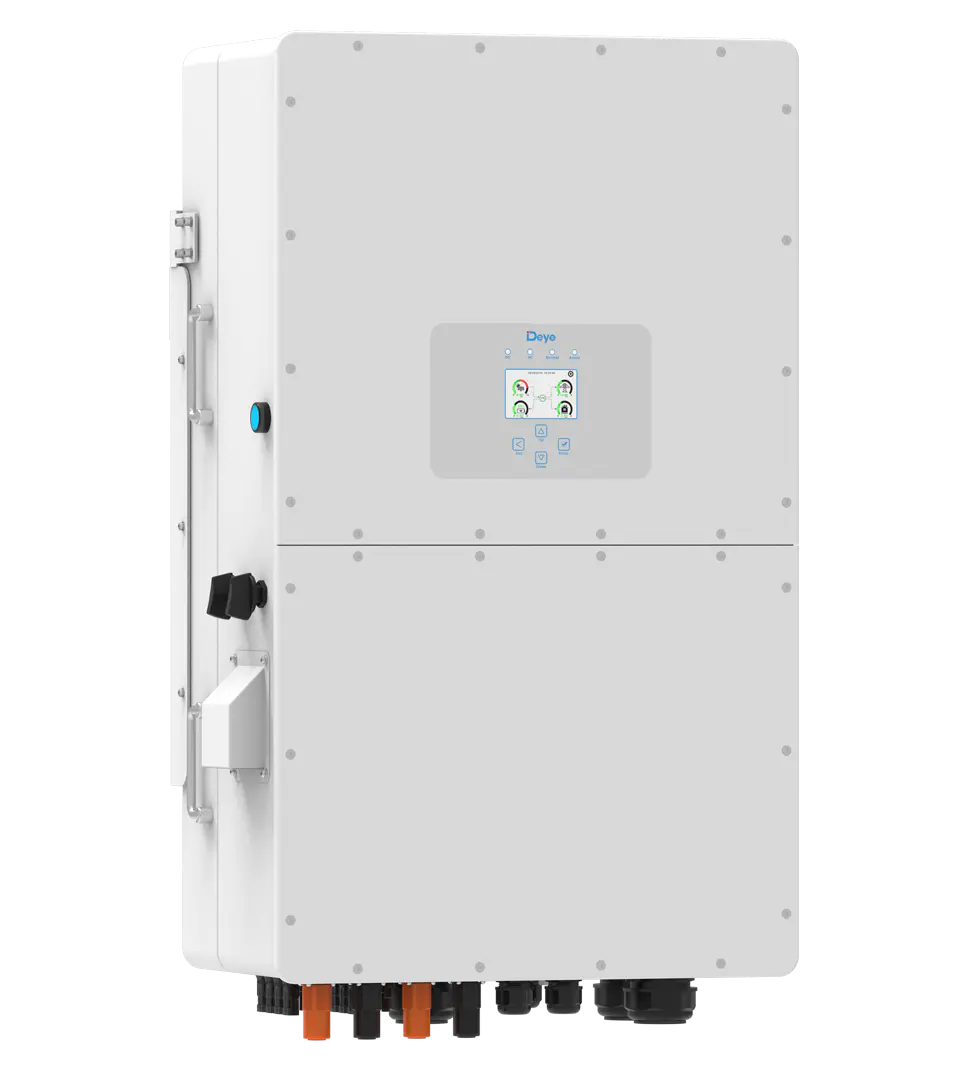
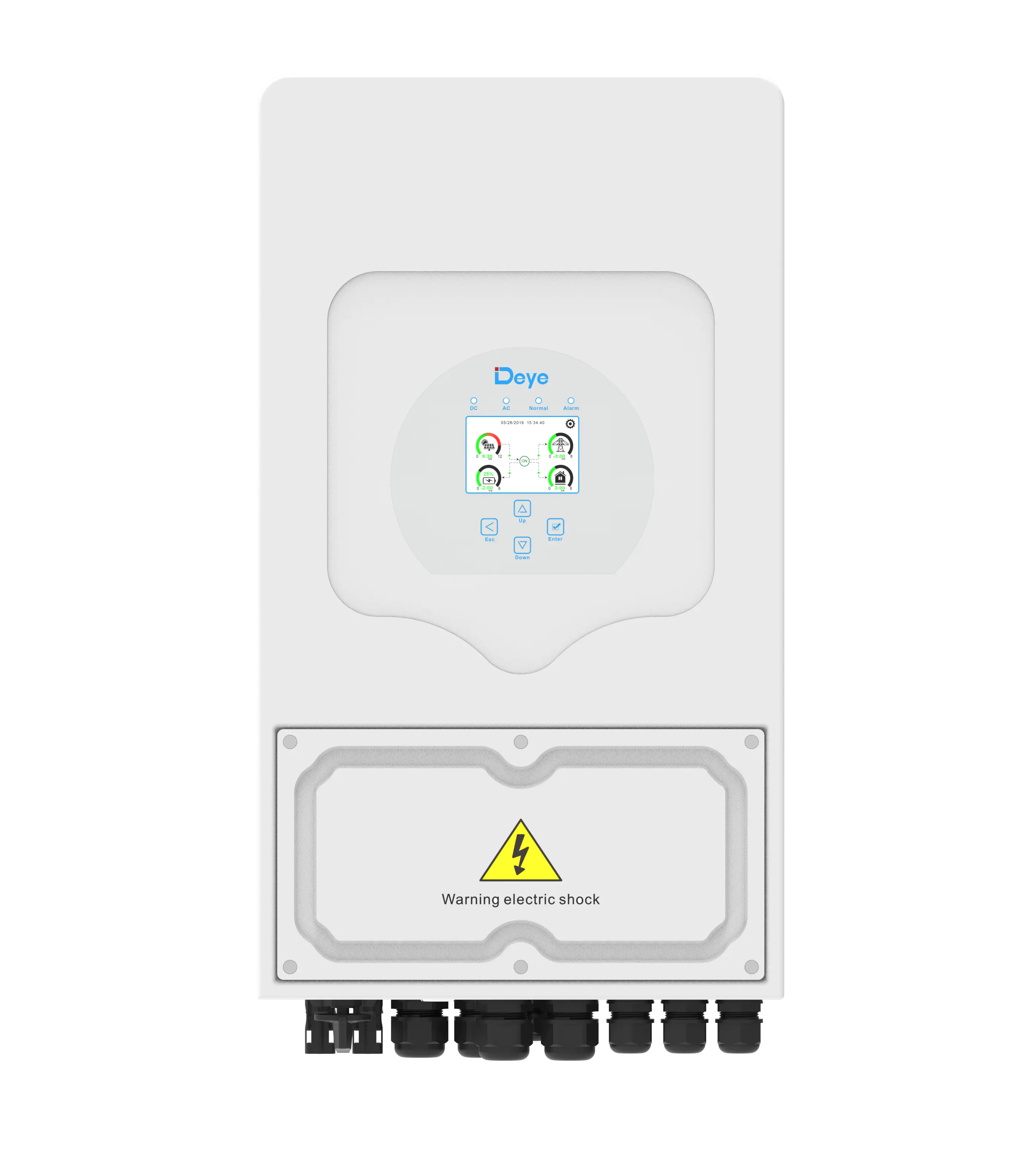
Choosing an established hybrid inverter manufacturer provides numerous practical benefits that directly impact energy savings, system reliability, and long-term investment returns for residential and commercial customers. These manufacturers offer superior product quality through extensive research and development programs that continuously improve performance metrics, efficiency ratings, and durability standards. Their products typically achieve higher energy conversion rates compared to standalone inverters, maximizing the financial returns from solar installations by ensuring minimal energy loss during the conversion process. The integrated design philosophy eliminates the need for multiple separate components, reducing installation complexity and associated labor costs while minimizing potential failure points in the energy system. Advanced monitoring capabilities provided by reputable hybrid inverter manufacturers enable proactive maintenance scheduling and rapid troubleshooting, reducing downtime and maintenance expenses over the system's operational lifetime. These manufacturers maintain extensive technical support networks with certified technicians who provide prompt assistance during installation, commissioning, and ongoing operation phases. Their products feature modular designs that allow easy system expansion as energy needs grow, protecting initial investments while accommodating future requirements without complete system replacement. Quality manufacturing processes ensure extended product lifecycles with comprehensive warranty coverage that provides peace of mind and financial protection against unexpected failures or performance degradation. Leading manufacturers establish partnerships with component suppliers to guarantee consistent availability of replacement parts and accessories, ensuring long-term system maintainability and optimal performance. Their products undergo rigorous testing in various climatic conditions and electrical environments, resulting in robust systems that perform reliably across different geographical locations and weather patterns. The economies of scale achieved by established manufacturers translate into competitive pricing without compromising quality, making advanced energy management technology accessible to broader market segments. Additionally, these manufacturers provide comprehensive training programs for installers and maintenance personnel, ensuring proper system setup and ongoing care that maximizes performance and extends equipment lifespan.

Practical Tips

Solar Product Tech Advances In 2025

20

Jan

Solar Product Tech Advances In 2025

View More
2025 Global Solar Market Demand (Emerging Markets)

20

Jan

2025 Global Solar Market Demand (Emerging Markets)

View More
Solar Products & Rural Electrification 2025

20

Jan

Solar Products & Rural Electrification 2025

View More

Get a Free Quote

Our representative will contact you soon.
Email
Mobile/WhatsApp
Name
Company Name
Message
0/1000

hybrid inverter manufacturer

Advanced Energy Management Intelligence

Advanced Energy Management Intelligence

Leading hybrid inverter manufacturers integrate sophisticated energy management systems that revolutionize how households and businesses consume and store electricity. These intelligent systems continuously monitor energy production from solar panels, current electricity consumption patterns, battery charge levels, and grid electricity prices to make optimal power distribution decisions automatically. The advanced algorithms learn from historical usage data to predict future energy needs and adjust system behavior accordingly, ensuring maximum cost savings while maintaining reliable power supply. This intelligent management extends beyond simple load switching by incorporating weather forecasting data to anticipate solar production levels and pre-charge batteries during low-cost grid electricity periods. The system automatically prioritizes solar energy utilization during peak production hours, seamlessly switches to battery power during expensive peak rate periods, and draws from the grid only when necessary and cost-effective. Smart load management features allow users to prioritize critical appliances during power outages while managing non-essential loads to extend battery runtime. The integration includes advanced safety protocols that protect both the electrical system and connected devices from power surges, voltage fluctuations, and other electrical anomalies. Real-time monitoring capabilities provide detailed insights into energy flows, system performance metrics, and potential maintenance needs through intuitive dashboard interfaces accessible via smartphone applications or web portals. These systems support multiple communication protocols enabling integration with smart home automation systems, allowing coordinated control of energy-consuming devices based on available power sources and current electricity rates. The predictive maintenance features analyze system performance trends to identify potential issues before they cause system failures, scheduling maintenance activities during convenient times and minimizing unexpected downtime costs.
Modular Scalability and Future-Proof Design

Modular Scalability and Future-Proof Design

Modern hybrid inverter manufacturers prioritize modular architecture that allows customers to start with basic configurations and expand their energy systems as needs evolve and budgets permit. This scalable approach protects initial investments while providing clear upgrade paths that accommodate growing energy demands, additional battery capacity, or expanded solar panel installations. The modular design philosophy extends to both hardware and software components, ensuring compatibility between different product generations and allowing customers to benefit from technological advances without complete system replacement. Advanced manufacturers design their systems with standardized communication protocols and universal mounting systems that simplify integration with third-party components and future technology upgrades. The future-proof design includes over-provisioned electrical capacity and expandable control systems that can accommodate emerging battery technologies, enhanced monitoring capabilities, and evolving grid interconnection standards. These systems support various battery chemistries and configurations, allowing customers to upgrade to newer, more efficient storage technologies as they become available and cost-effective. The software platforms receive regular updates that enhance functionality, improve efficiency algorithms, and add new features without requiring hardware modifications. This approach ensures that customers continue benefiting from technological improvements throughout the system's operational lifetime. The modular concept also extends to installation and maintenance procedures, with standardized mounting systems, plug-and-play connections, and modular component replacement that reduces service time and associated costs. Manufacturing standards ensure that expansion modules integrate seamlessly with existing installations, maintaining system reliability and performance characteristics regardless of configuration changes. The design flexibility accommodates diverse installation scenarios from simple residential setups to complex commercial installations with multiple power sources and sophisticated load management requirements. Quality manufacturers provide detailed expansion planning tools and technical support to help customers optimize their system growth strategies based on energy usage patterns, available space, and budget considerations.
Comprehensive Quality Assurance and Support Network

Comprehensive Quality Assurance and Support Network

Established hybrid inverter manufacturers distinguish themselves through rigorous quality assurance programs that encompass every aspect of product development, manufacturing, and post-sale support services. These comprehensive programs begin with stringent component selection criteria that ensure only premium materials and components meeting strict performance and reliability standards enter the production process. Advanced manufacturing facilities employ automated testing protocols that verify each unit's performance across multiple operating conditions, electrical parameters, and environmental stress factors before shipment. The quality assurance extends to comprehensive burn-in testing procedures that identify potential early failures and ensure only fully reliable units reach customers. These manufacturers maintain extensive certification portfolios including international safety standards, electrical codes, and environmental regulations that guarantee product compatibility and safety across diverse global markets. The support network includes strategically located service centers staffed with factory-trained technicians who possess deep knowledge of product specifications, installation requirements, and troubleshooting procedures. Comprehensive warranty programs provide multi-year coverage that protects customer investments while demonstrating manufacturer confidence in product reliability and longevity. Technical support services include pre-installation consultation, system design assistance, commissioning support, and ongoing performance optimization guidance that ensures customers achieve maximum value from their energy investments. Training programs for certified installers ensure proper installation procedures, optimal system configuration, and adherence to safety protocols that maximize system performance and reliability. The manufacturer's commitment to quality extends to continuous product improvement based on field performance data, customer feedback, and emerging technology developments. Regular software updates and firmware enhancements provide ongoing value by improving system efficiency, adding new features, and maintaining compatibility with evolving grid standards and regulations. Quality manufacturers maintain comprehensive spare parts inventory and supply chain networks that ensure rapid availability of replacement components, minimizing system downtime and maintenance costs. The support infrastructure includes detailed documentation, installation guides, and troubleshooting resources that enable efficient problem resolution and optimal system operation throughout the product lifecycle.

Get a Free Quote

Our representative will contact you soon.
Email
Mobile/WhatsApp
Name
Company Name
Message
0/1000