Smart Solar Inverter Technology: Advanced Monitoring, Grid Integration & Safety Features

Get a Free Quote

Our representative will contact you soon.
Email
Mobile/WhatsApp
Name
Company Name
Message
0/1000

smart solar inverter

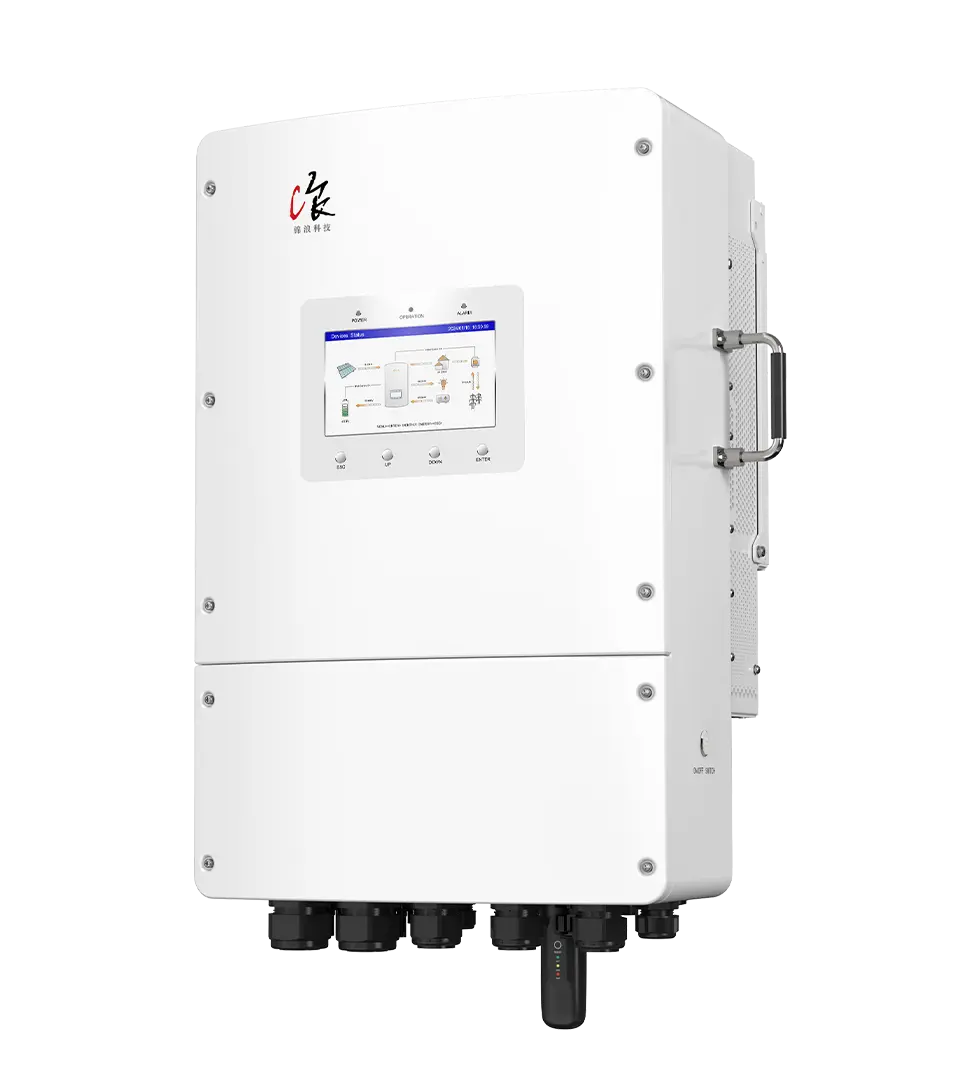
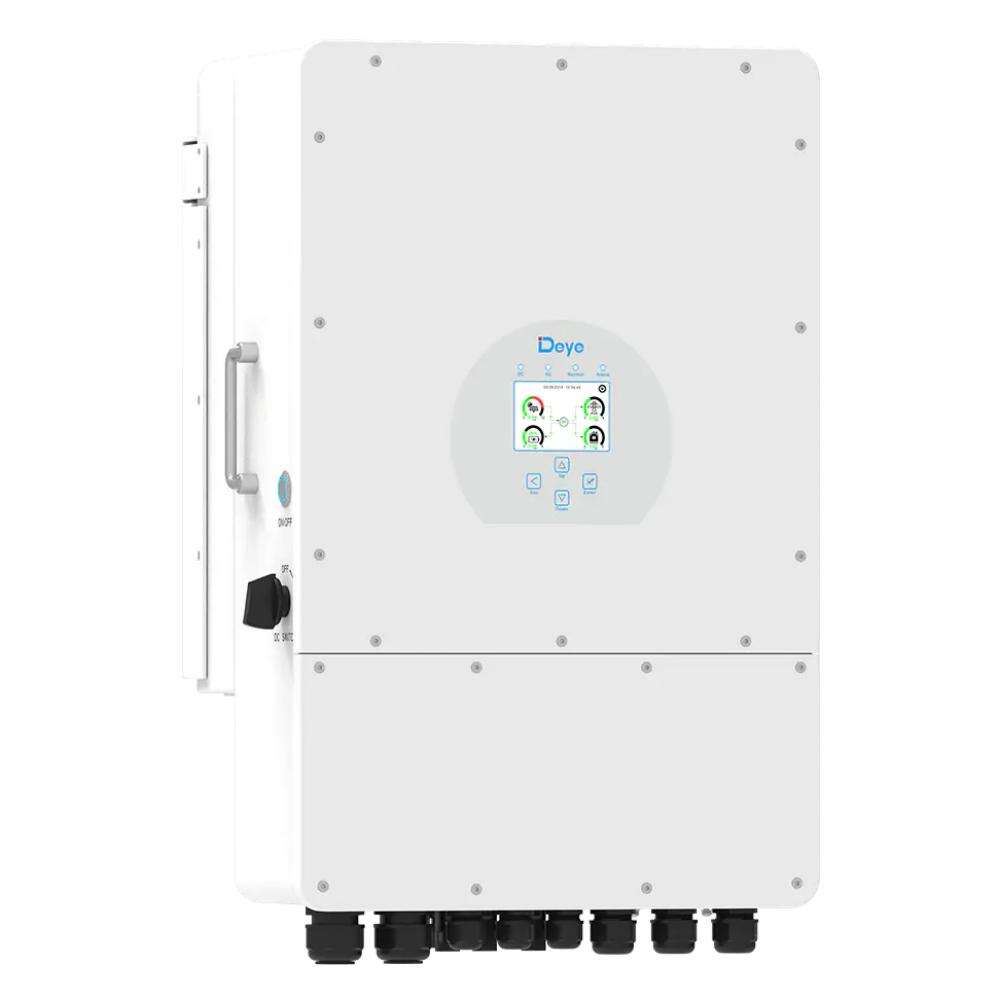
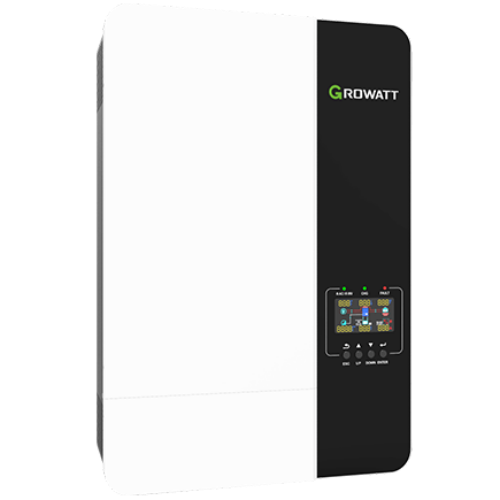
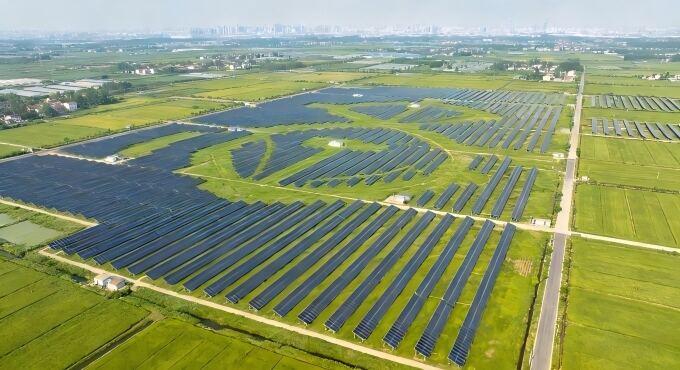
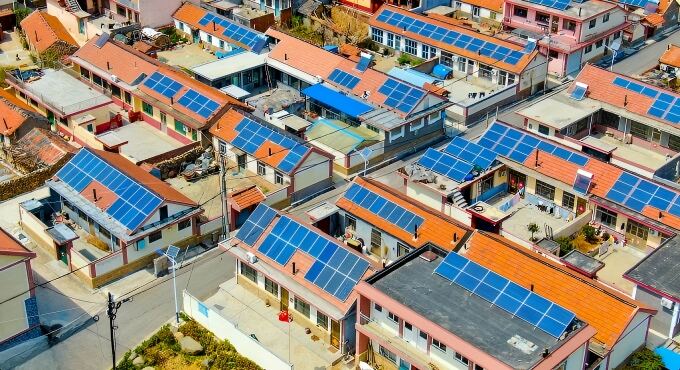
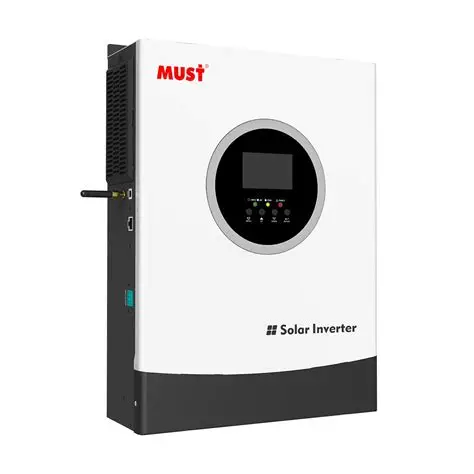
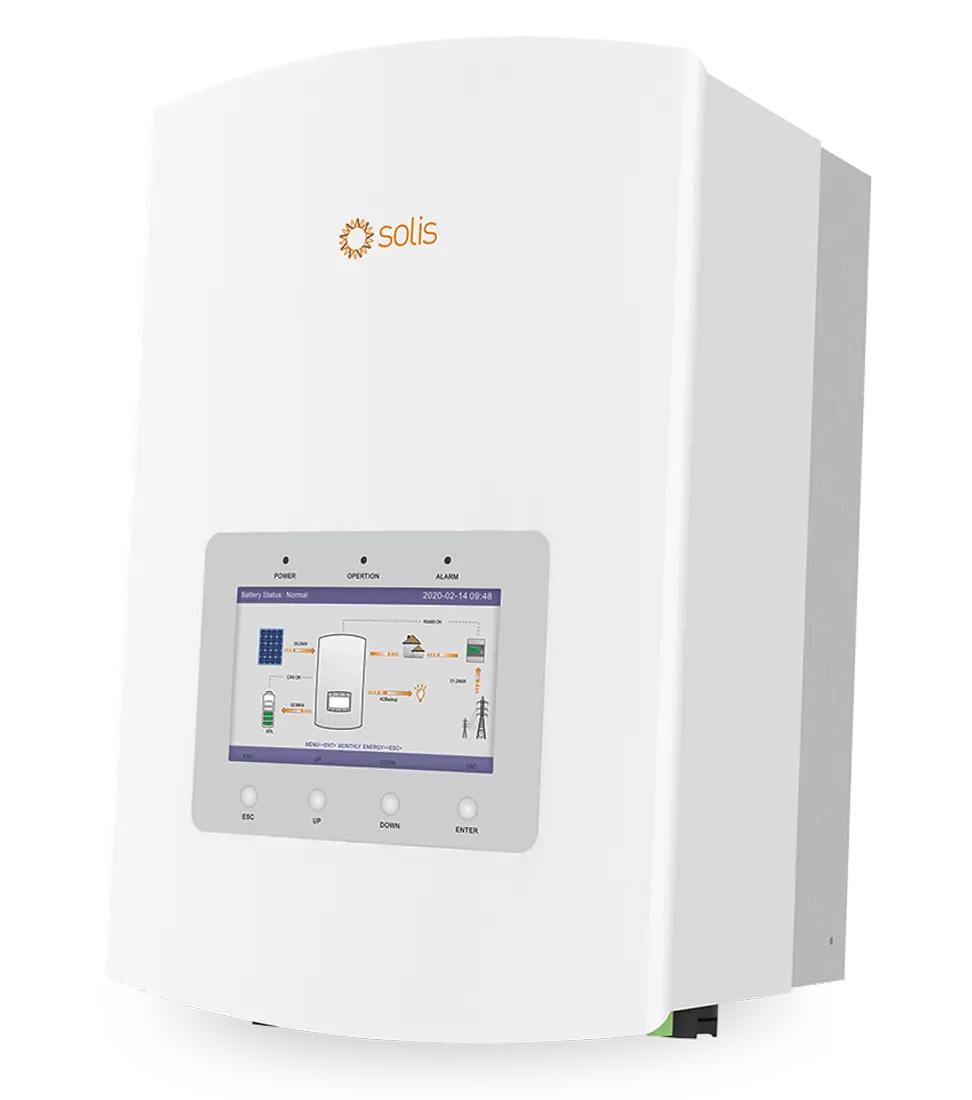
A smart solar inverter represents the cutting-edge evolution of traditional solar power conversion technology, transforming direct current electricity generated by solar panels into alternating current suitable for home and business use. Unlike conventional inverters, the smart solar inverter incorporates advanced digital communication capabilities, real-time monitoring systems, and intelligent grid management features that revolutionize how solar energy systems operate and interact with electrical grids. These sophisticated devices serve as the central nervous system of modern photovoltaic installations, managing power flow while providing comprehensive data analytics and remote control functionality. The core function of a smart solar inverter extends beyond basic DC to AC conversion, encompassing maximum power point tracking that optimizes energy harvest from solar panels under varying weather conditions. These units continuously adjust their operating parameters to extract peak performance from photovoltaic arrays, ensuring maximum electricity generation throughout daylight hours. Advanced technological features include built-in WiFi connectivity, smartphone app integration, and cloud-based monitoring platforms that allow users to track system performance from anywhere in the world. Many smart solar inverters also incorporate rapid shutdown capabilities for enhanced safety compliance, anti-islanding protection to prevent grid feedback during outages, and sophisticated surge protection mechanisms. The applications for smart solar inverters span residential rooftop installations, commercial solar arrays, utility-scale solar farms, and hybrid energy systems that combine solar with battery storage. These versatile devices support various installation configurations, from string inverters handling multiple panel connections to power optimizers that manage individual panel performance. Grid-tie functionality enables seamless integration with existing electrical infrastructure, while some models support off-grid applications for remote locations. The intelligent features of smart solar inverters make them particularly valuable for installations requiring precise monitoring, regulatory compliance reporting, and proactive maintenance scheduling, establishing them as essential components in modern renewable energy systems.

New Products

Smart solar inverters deliver exceptional value through their comprehensive monitoring capabilities that provide real-time visibility into system performance, enabling users to identify issues immediately and maximize energy production. The built-in communication systems allow homeowners and businesses to track electricity generation, consumption patterns, and system efficiency through intuitive smartphone applications, eliminating guesswork about solar system performance. This transparency helps users understand their energy usage better and make informed decisions about electricity consumption habits. The intelligent diagnostic features detect potential problems early, sending automatic alerts when maintenance is needed or when performance drops below expected levels. This proactive approach prevents minor issues from becoming costly repairs and ensures optimal system operation throughout its lifespan. Users save significant money on maintenance costs because smart solar inverters eliminate the need for manual system checks and provide detailed performance data that technicians can review remotely. The advanced safety features built into smart solar inverters protect both property and personnel through automatic shutdown systems that activate during electrical faults or grid disturbances. These safety mechanisms exceed standard electrical codes and provide peace of mind for property owners concerned about fire risks or electrical hazards. The rapid shutdown capability ensures that solar panels stop producing electricity within seconds when triggered, meeting stringent safety requirements and protecting emergency responders during incidents. Smart solar inverters also optimize energy harvest through sophisticated algorithms that continuously adjust operating parameters based on environmental conditions, panel temperature, and shading patterns. This optimization typically increases energy production by ten to twenty percent compared to traditional inverters, translating directly into higher electricity bill savings and faster return on investment. The grid management features enable participation in utility programs that compensate solar owners for providing grid stability services, creating additional revenue streams. Remote troubleshooting capabilities reduce service call expenses and minimize system downtime, while detailed performance analytics help users track their environmental impact and carbon footprint reduction. The scalability of smart solar inverter systems allows easy expansion of solar installations without replacing existing equipment, protecting the initial investment and providing flexibility for future energy needs. These practical benefits combine to deliver superior value, enhanced safety, and improved financial returns for solar energy investments.

Tips And Tricks

Solar Product Tech Advances In 2025

20

Jan

Solar Product Tech Advances In 2025

View More
2025 Global Solar Market Demand (Emerging Markets)

20

Jan

2025 Global Solar Market Demand (Emerging Markets)

View More
Solar Products & Rural Electrification 2025

20

Jan

Solar Products & Rural Electrification 2025

View More

Get a Free Quote

Our representative will contact you soon.
Email
Mobile/WhatsApp
Name
Company Name
Message
0/1000

smart solar inverter

Advanced Real-Time Performance Monitoring and Analytics

Advanced Real-Time Performance Monitoring and Analytics

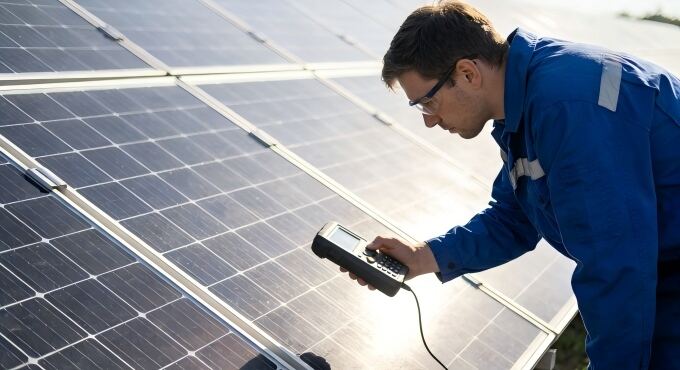
The sophisticated monitoring capabilities of smart solar inverters represent a revolutionary advancement in solar energy management, providing users with unprecedented visibility into their energy systems through comprehensive real-time analytics and detailed performance tracking. These intelligent devices continuously collect and analyze thousands of data points every second, monitoring panel-level performance, environmental conditions, energy production rates, and system efficiency metrics with laboratory-grade precision. The integrated communication systems transmit this valuable information to cloud-based platforms accessible through user-friendly smartphone applications and web dashboards, allowing property owners to monitor their solar investment from anywhere in the world. Users can track daily, monthly, and annual energy production trends, compare actual performance against projected outputs, and identify seasonal variations or weather-related impacts on electricity generation. The smart solar inverter system creates detailed reports showing energy production patterns, peak performance hours, and cumulative environmental benefits including carbon dioxide reduction and equivalent tree planting impact. Advanced algorithms analyze historical performance data to predict future energy production, helping users plan electricity consumption and identify optimal times for high-energy activities. The monitoring system also tracks individual panel performance, detecting shading issues, debris accumulation, or panel degradation that might affect overall system output. This granular visibility enables precise maintenance scheduling and helps users understand exactly how external factors influence their solar energy production. When performance anomalies occur, the smart solar inverter immediately sends notifications through multiple channels including email alerts, push notifications, and text messages, ensuring users stay informed about their system status. The detailed analytics help users optimize their electricity usage patterns, shifting high-consumption activities to periods of peak solar production and reducing reliance on grid electricity. This intelligent monitoring capability transforms solar energy from a passive investment into an actively managed asset that users can optimize for maximum financial and environmental benefits. The comprehensive data collection also provides valuable documentation for warranty claims, insurance purposes, and regulatory compliance requirements, while the historical performance records support property value assessments and energy efficiency certifications.
Intelligent Grid Integration and Energy Management

Intelligent Grid Integration and Energy Management

Smart solar inverters excel at seamlessly integrating residential and commercial solar installations with existing electrical grid infrastructure through advanced grid management technologies that optimize energy flow, enhance system stability, and enable participation in modern utility programs. These sophisticated devices continuously communicate with both local electrical systems and utility grid networks, automatically adjusting power output to match real-time demand while maintaining strict voltage and frequency requirements mandated by electrical standards. The intelligent grid-tie functionality allows smart solar inverters to inject excess electricity into the utility grid during peak production periods while drawing power when solar generation is insufficient, creating a dynamic energy exchange that maximizes economic benefits for property owners. Advanced anti-islanding protection ensures safe operation during grid outages, immediately disconnecting the solar system to prevent dangerous back-feed conditions that could harm utility workers performing maintenance or repairs. The smart solar inverter continuously monitors grid conditions, detecting voltage fluctuations, frequency variations, and power quality issues that could affect sensitive electrical equipment, automatically adjusting its output parameters to provide stable, clean electricity that protects valuable appliances and electronics. Many utility companies now offer time-of-use pricing programs and demand response incentives that reward customers for shifting electricity consumption to off-peak hours or reducing usage during high-demand periods, and smart solar inverters can automatically participate in these programs to maximize savings. The bi-directional communication capabilities enable utilities to remotely monitor distributed solar installations, gathering valuable data about renewable energy production patterns and grid impact that supports broader renewable energy integration efforts. Smart solar inverters also support virtual power plant concepts where multiple distributed solar systems work together to provide grid services like frequency regulation and voltage support, creating new revenue opportunities for solar owners while contributing to grid stability. The load management features help optimize on-site energy consumption by prioritizing solar electricity for immediate use before selling excess power to the utility, reducing electricity bills and improving the economic return on solar investments. During partial grid outages or voltage sags, smart solar inverters can continue operating in reduced capacity modes, maintaining critical power supply for essential loads while protecting the overall electrical system from damage.
Enhanced Safety Features and Rapid Shutdown Technology

Enhanced Safety Features and Rapid Shutdown Technology

Smart solar inverters incorporate comprehensive safety systems that exceed industry standards and provide multiple layers of protection for property, equipment, and personnel through advanced rapid shutdown technology, fault detection mechanisms, and emergency response capabilities. The integrated rapid shutdown feature represents a critical safety advancement that addresses fire department and emergency responder concerns about solar installations, automatically de-energizing solar panels within ten seconds of activation to eliminate electrical hazards during emergency situations. This technology monitors multiple safety parameters continuously, including arc fault detection that identifies dangerous electrical arcing conditions that could lead to fires, ground fault protection that prevents electrical shock hazards, and insulation monitoring that detects deteriorating wire conditions before they become dangerous. When any safety parameter exceeds acceptable limits, the smart solar inverter immediately initiates protective actions, isolating affected circuits and sending detailed fault information to monitoring systems and emergency contacts. The sophisticated arc fault circuit interrupter technology can distinguish between normal electrical switching events and dangerous arcing conditions, preventing false alarms while providing reliable protection against electrical fires that have historically been a concern with solar installations. Temperature monitoring systems track inverter operating conditions and solar panel temperatures, automatically reducing power output or shutting down the system if overheating occurs, protecting expensive equipment from thermal damage and preventing fire hazards. The integrated surge protection shields sensitive electronics from lightning strikes and electrical surges that could damage inverters, solar panels, or connected electrical equipment, while the robust enclosure design provides protection against moisture, dust, and extreme weather conditions. Smart solar inverters also include comprehensive diagnostic systems that continuously test internal components, identifying potential failures before they occur and scheduling preventive maintenance to avoid safety hazards. The remote monitoring capabilities allow trained technicians to assess system safety remotely, identifying potential issues and coordinating appropriate responses without requiring immediate site visits. Emergency shutdown systems can be activated remotely by homeowners, utility companies, or emergency responders, providing multiple pathways for quickly de-energizing solar systems during hazardous conditions. The detailed fault logging and event recording capabilities provide valuable information for troubleshooting safety incidents, insurance claims, and regulatory compliance documentation, while the automatic restart features ensure systems resume normal operation safely after temporary fault conditions are resolved.
Get a Free Quote

Our representative will contact you soon.
Email
Mobile/WhatsApp
Name
Company Name
Message
0/1000