Professional-Grade Monitoring and Diagnostic Capabilities
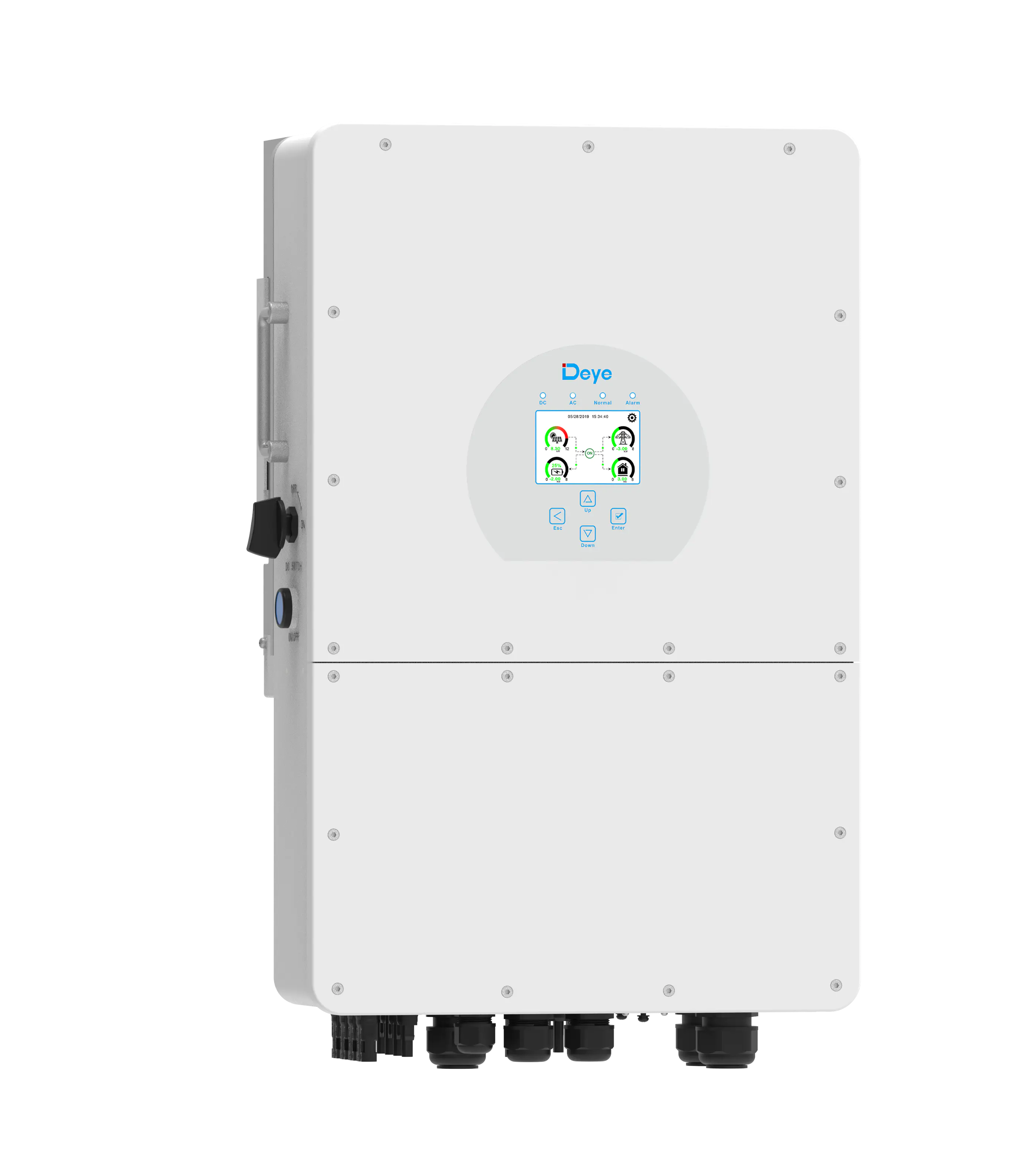
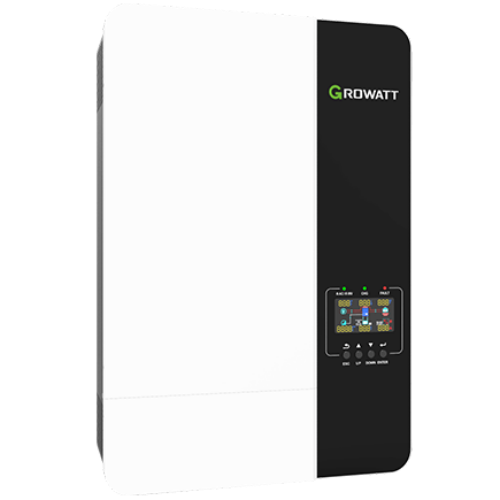
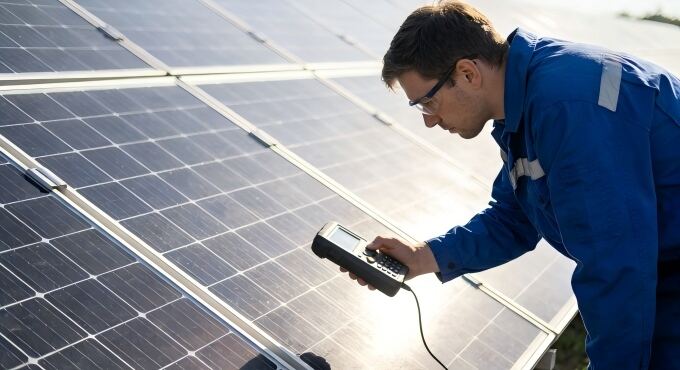
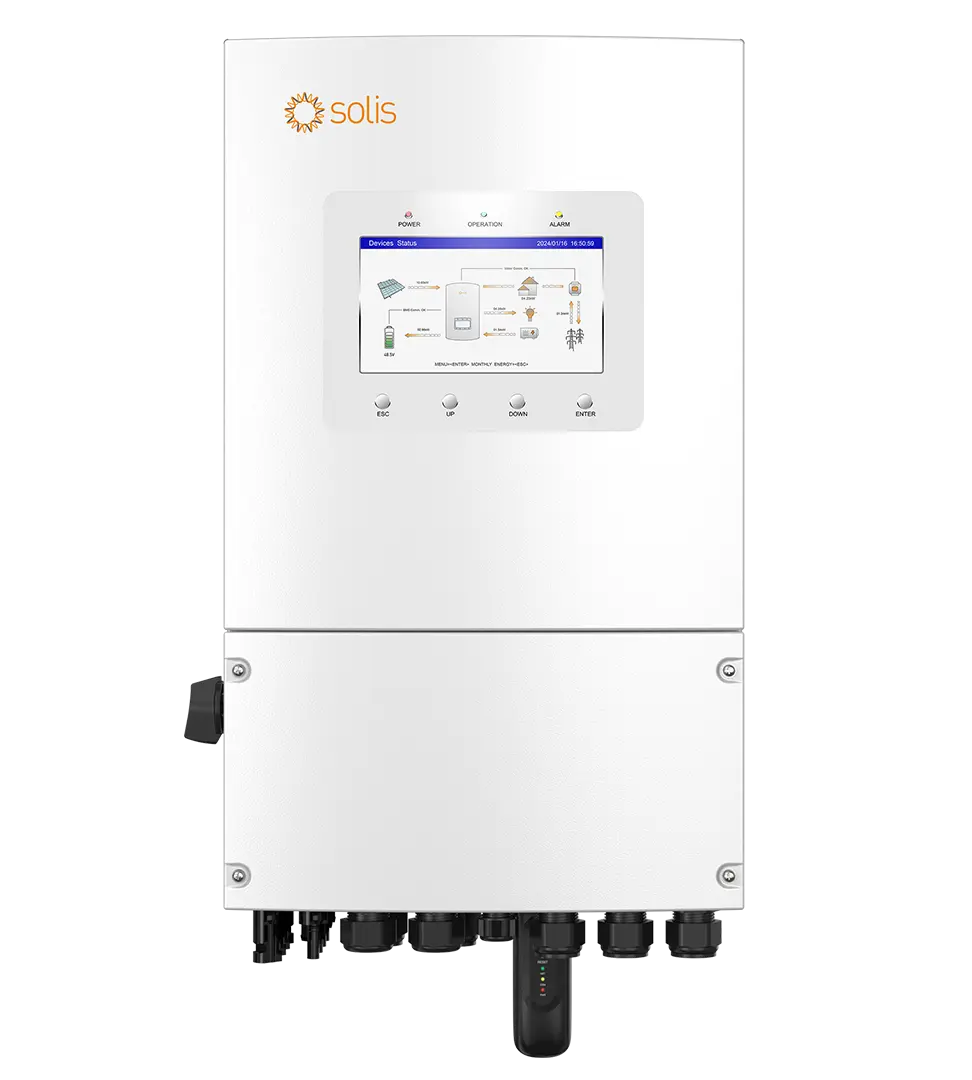
The sophisticated monitoring and diagnostic capabilities integrated into premium 2000w solar inverters provide unprecedented visibility into system performance while enabling proactive maintenance strategies that maximize system reliability and energy production. Real-time performance monitoring tracks dozens of operational parameters simultaneously, including input voltage and current from solar panels, output power delivery, system efficiency metrics, and environmental conditions. Web-based monitoring platforms accessible through computers, tablets, and smartphones display comprehensive performance data through intuitive dashboards that present complex information in easily understandable formats. Historical data logging capabilities store months or years of performance information, enabling trend analysis that identifies gradual performance degradation, seasonal patterns, and optimization opportunities. Automated alert systems notify users immediately when performance anomalies occur, sending email or text message notifications about system faults, reduced efficiency, or maintenance requirements. Detailed fault diagnosis capabilities pinpoint specific issues within the solar system, providing clear error codes and troubleshooting guidance that reduces service call requirements and accelerates problem resolution. Remote diagnostic access allows qualified technicians to analyze system performance and identify potential issues without requiring on-site visits, reducing maintenance costs while improving response times. Performance benchmarking features compare actual system output against theoretical production calculations based on solar irradiance, temperature, and system specifications, helping identify underperforming components or installation issues. Energy production reporting generates detailed monthly and annual summaries that quantify environmental benefits, cost savings, and return on investment metrics for system owners and stakeholders. String-level monitoring available in advanced 2000w solar inverters provides individual performance data for each panel group, enabling precise identification of underperforming panels due to shading, soiling, or equipment failure. Predictive maintenance algorithms analyze performance trends and component stress factors to recommend optimal maintenance schedules, preventing minor issues from developing into major system failures. Weather correlation features integrate local weather data with performance metrics, helping users understand how environmental conditions affect system output and plan for seasonal variations. Third-party integration capabilities allow monitoring data to flow into building management systems, energy monitoring platforms, and utility demand response programs, maximizing the value and functionality of solar investments.
 EN
EN