single phase to three phase rotary converter
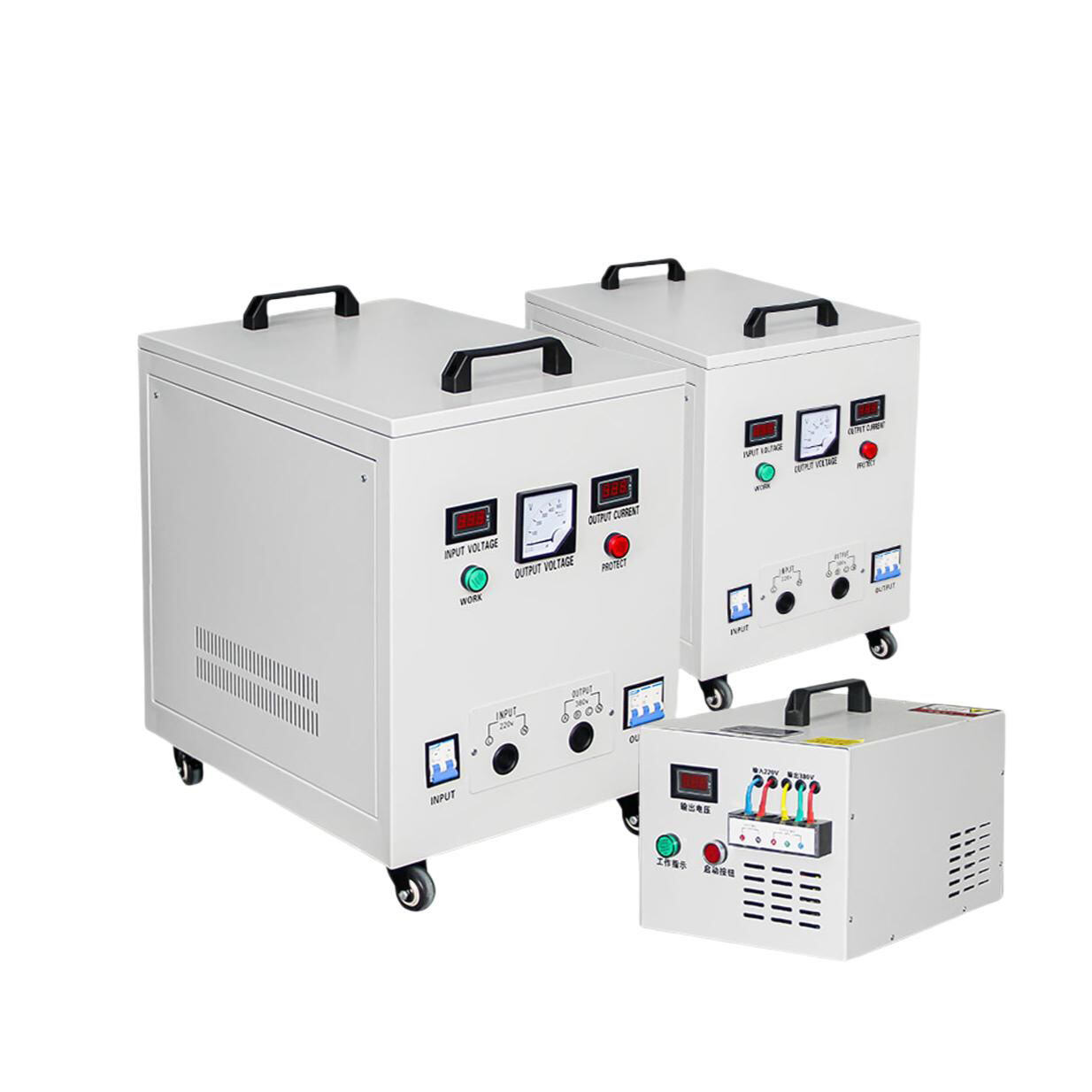
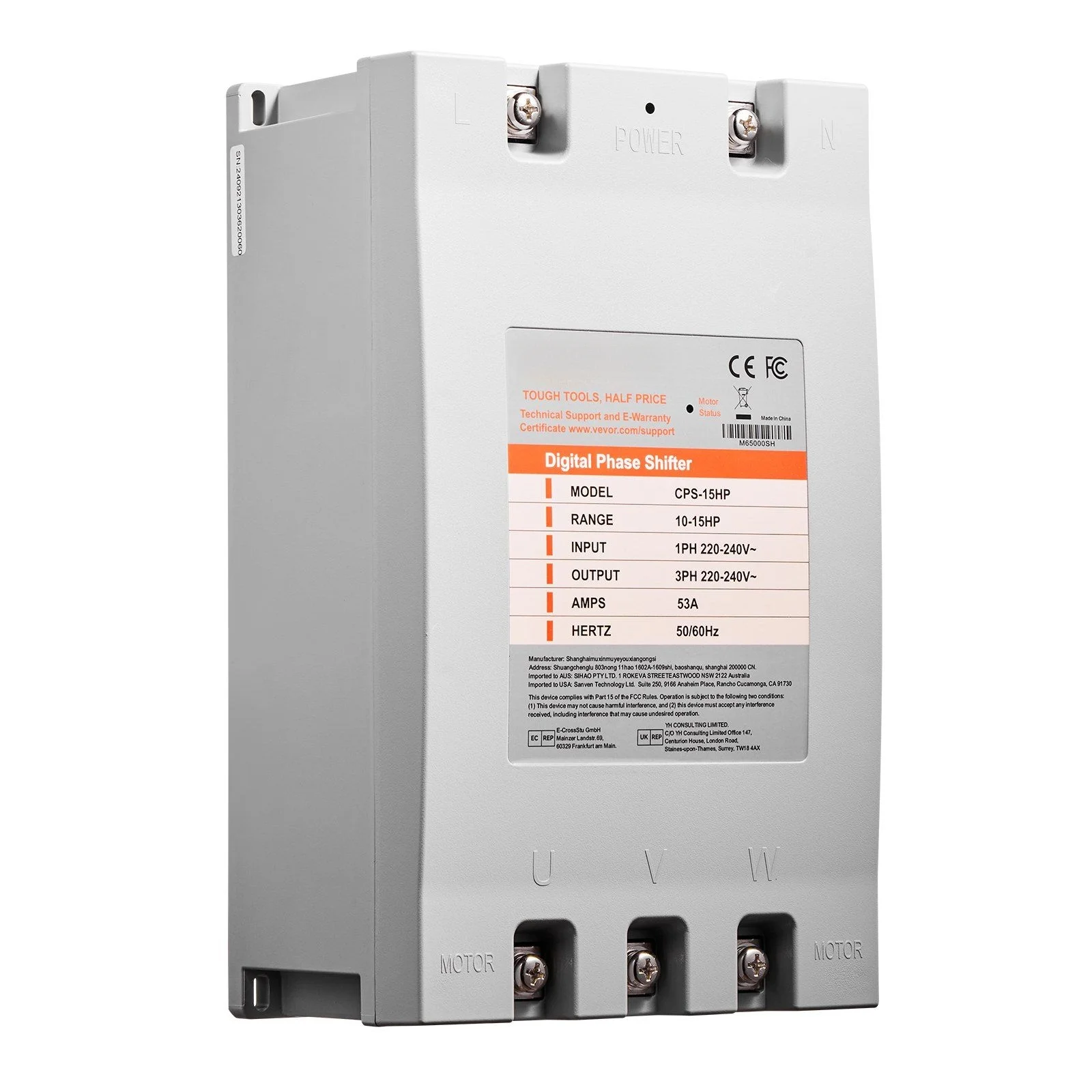
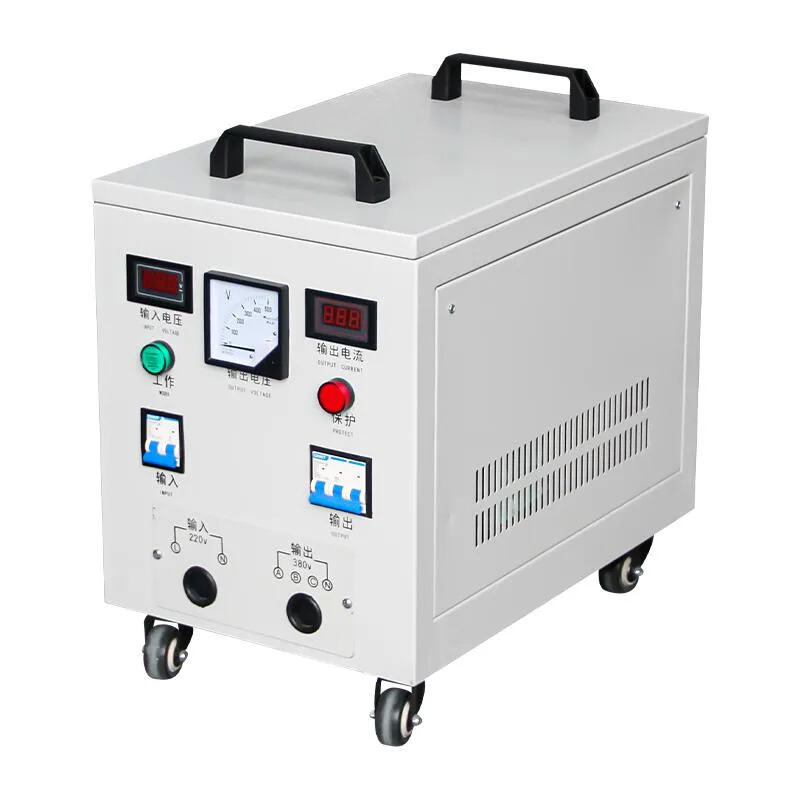
A single phase to three phase rotary converter represents an innovative electrical conversion solution designed to transform single-phase power supply into balanced three-phase output power. This sophisticated device serves as a bridge between residential single-phase electrical systems and industrial equipment that requires three-phase power operation. The rotary converter utilizes rotating machinery principles, incorporating an induction motor configuration that generates the missing phases needed for three-phase equipment functionality. The core technology employs electromagnetic induction and phase generation mechanisms to create a balanced three-phase system from a single-phase input source. These converters feature robust construction with heavy-duty components including capacitors, contactors, and specialized motor assemblies that ensure reliable performance under demanding operational conditions. The technological architecture includes sophisticated control systems that monitor voltage levels, frequency stability, and phase balance to maintain optimal output characteristics. Modern single phase to three phase rotary converter units incorporate advanced protection features such as overload detection, voltage regulation, and automatic shutdown capabilities. The conversion process begins when the single-phase input energizes the converter's motor section, which then mechanically generates the additional phases required for three-phase operation. This mechanical generation method provides superior load handling capabilities compared to electronic alternatives, making it particularly suitable for heavy-duty industrial applications. The converter's design accommodates various power ratings, from small workshop installations to large industrial facilities requiring substantial three-phase power capacity. Installation flexibility allows these units to be configured for different voltage requirements and load characteristics, ensuring compatibility with diverse equipment types. The operational efficiency of modern rotary converters has improved significantly through enhanced bearing systems, optimized winding configurations, and improved magnetic circuit designs that minimize energy losses during the conversion process.
 EN
EN