Solar Inverter Kits: Complete Renewable Energy Solutions for Home and Business

Get a Free Quote

Our representative will contact you soon.
Email
Mobile/WhatsApp
Name
Company Name
Message
0/1000

solar inverter kits

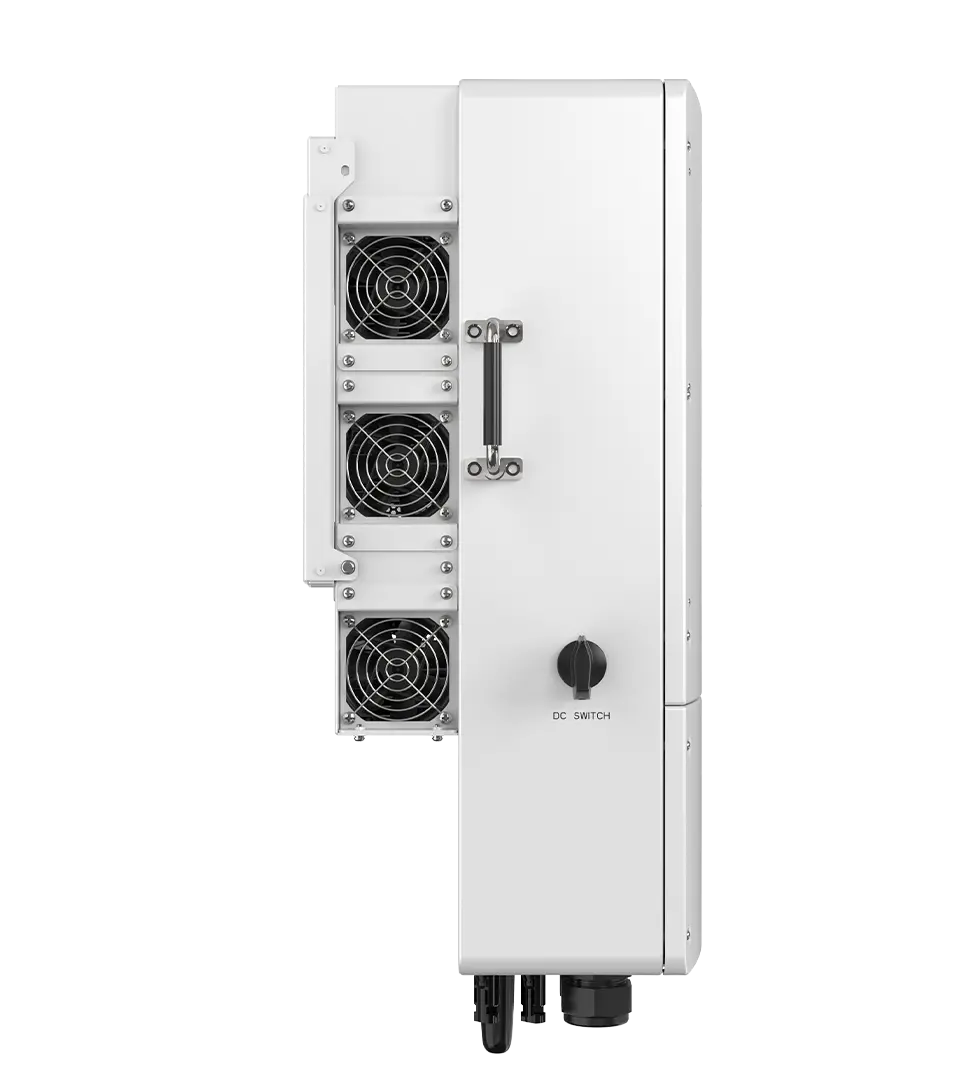
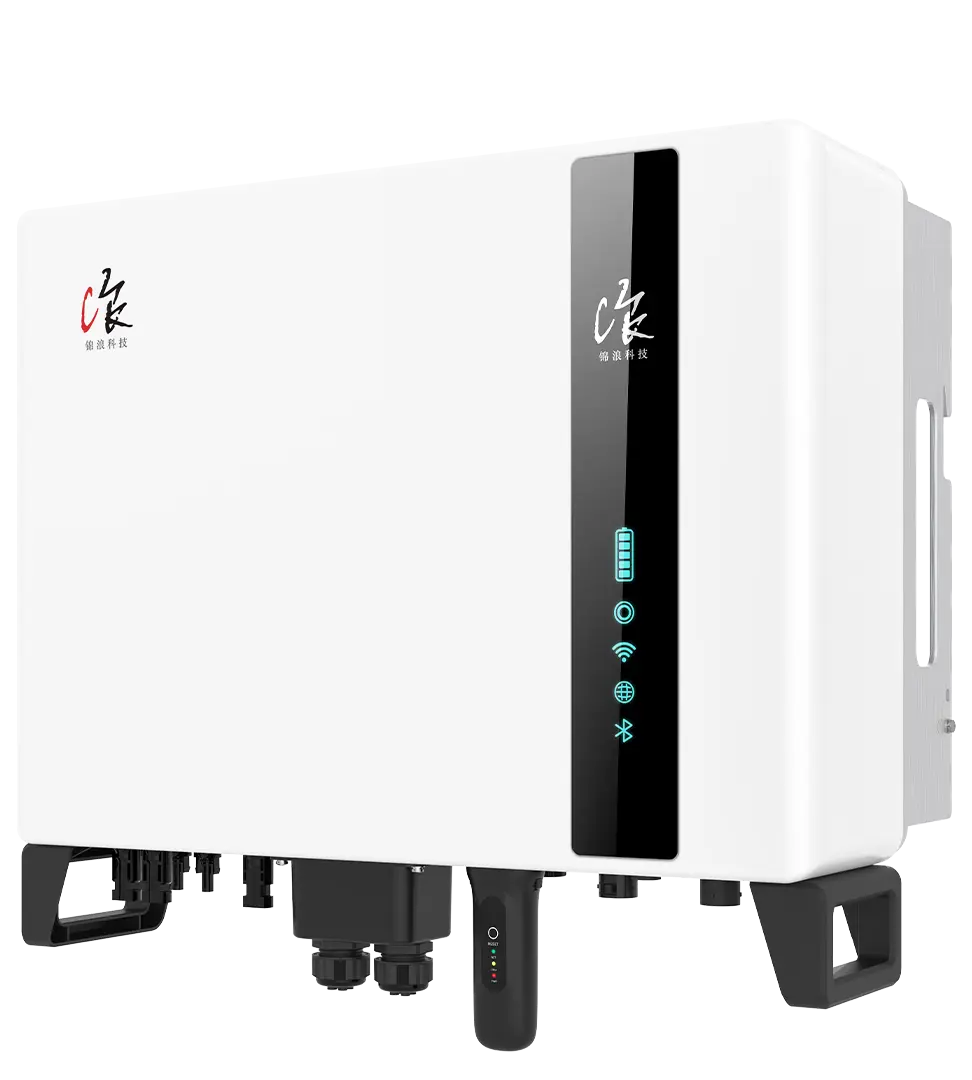
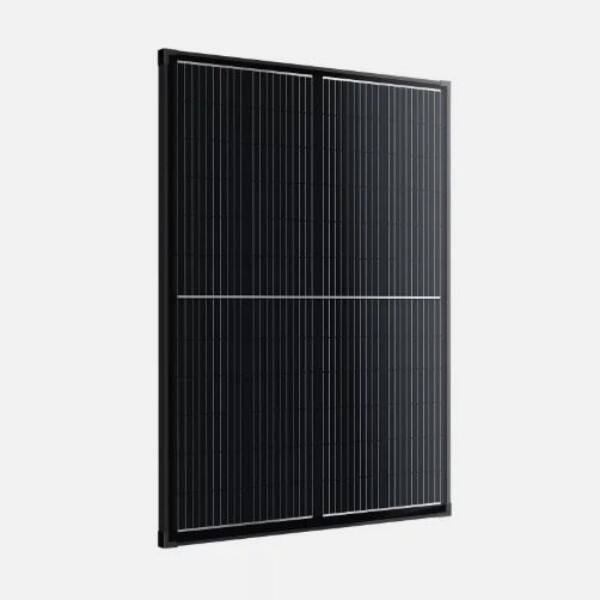
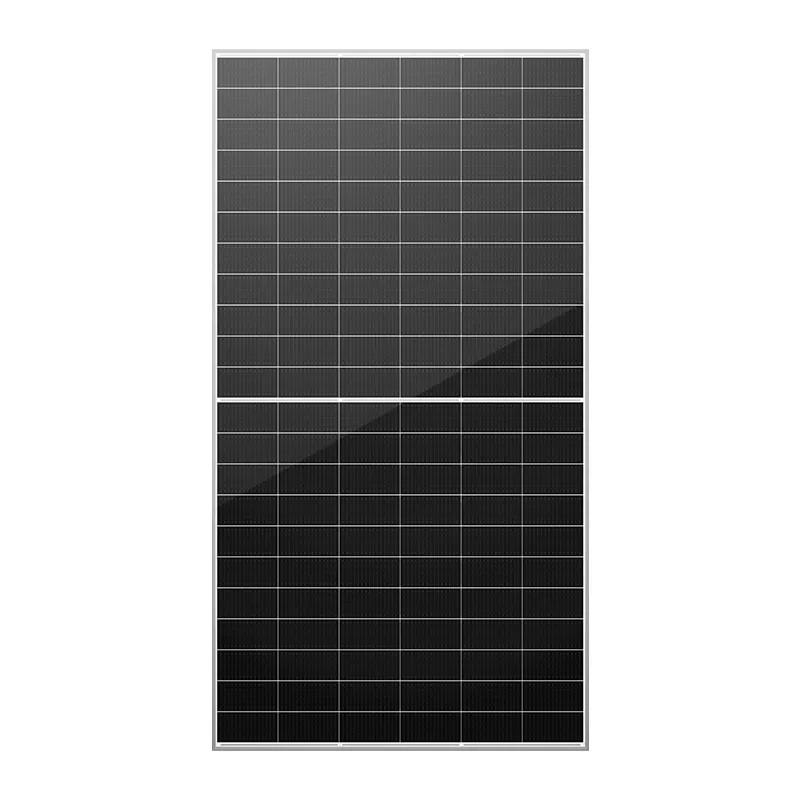
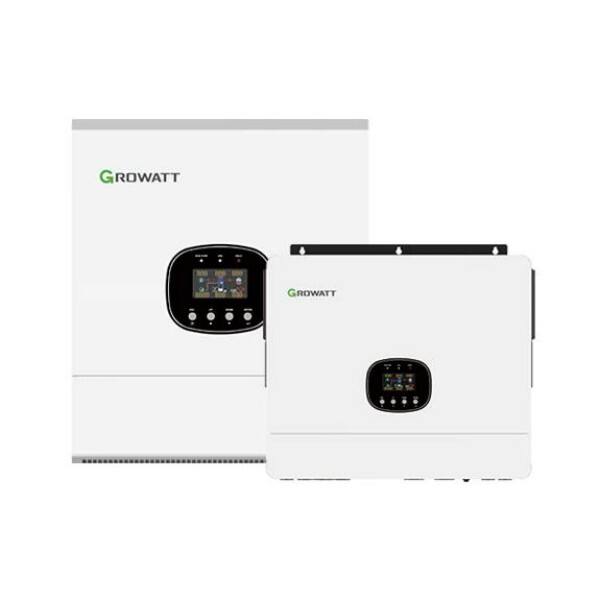
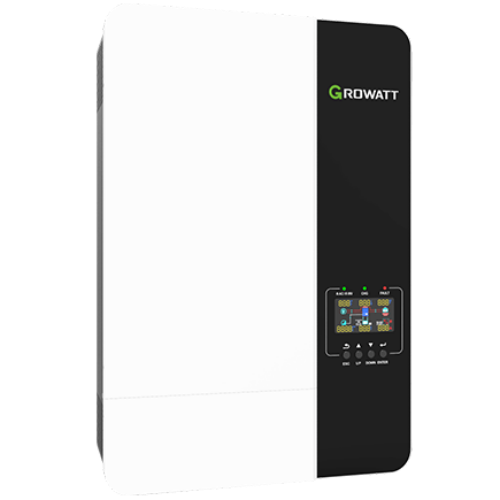
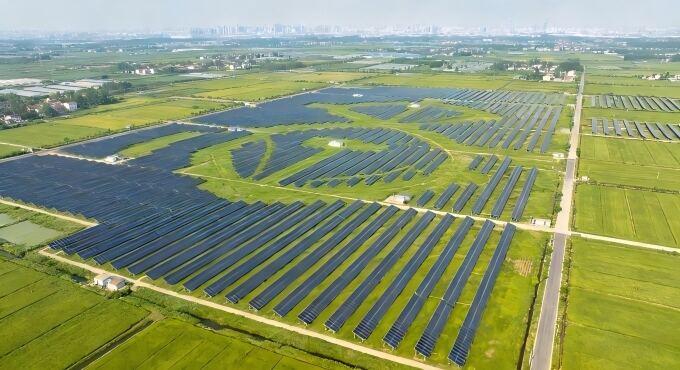
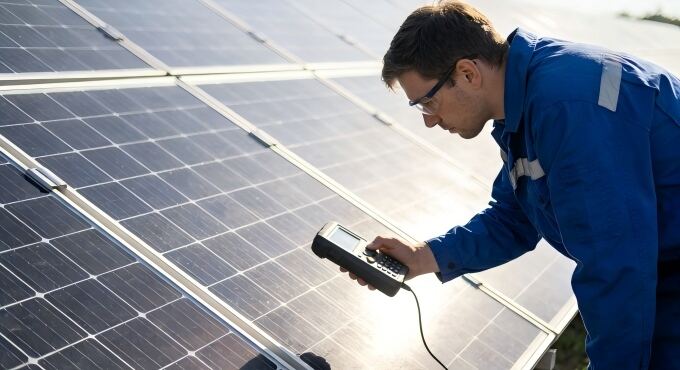
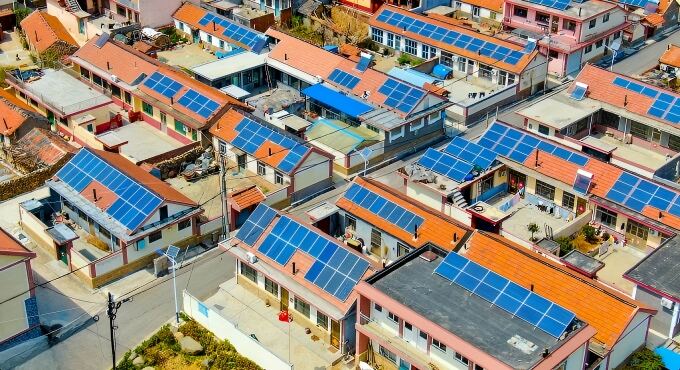
Solar inverter kits represent a comprehensive solution for converting direct current electricity generated by solar panels into alternating current that powers household appliances and feeds into the electrical grid. These integrated systems combine the essential components needed for efficient solar energy conversion, including the inverter unit, monitoring capabilities, safety features, and installation hardware. The main function of solar inverter kits centers on power conversion efficiency, transforming the variable DC output from photovoltaic panels into stable AC electricity that matches grid requirements and household electrical standards. Modern solar inverter kits incorporate advanced maximum power point tracking technology, which continuously optimizes energy harvest by adjusting to changing sunlight conditions throughout the day. The technological features of these systems include smart grid connectivity, allowing seamless integration with utility networks and enabling net metering capabilities. Built-in surge protection safeguards against electrical anomalies, while comprehensive monitoring systems provide real-time performance data through mobile applications and web interfaces. Solar inverter kits typically feature multiple input channels, accommodating various panel configurations and enabling system expansion. The applications for solar inverter kits span residential installations, commercial buildings, agricultural operations, and remote off-grid locations. Residential users benefit from reduced electricity bills and energy independence, while commercial establishments achieve significant operational cost savings. Agricultural applications include powering irrigation systems and livestock facilities, particularly valuable in remote areas where grid connection proves expensive or impractical. Off-grid applications enable electricity access in cabins, RVs, boats, and emergency backup systems. The modular design of solar inverter kits simplifies installation and maintenance, making renewable energy accessible to diverse user groups. These systems contribute to environmental sustainability by reducing reliance on fossil fuel-generated electricity while providing reliable power solutions for modern energy needs.

New Product Recommendations

Solar inverter kits deliver substantial cost savings that accumulate over time, making them an intelligent investment for property owners seeking to reduce electricity expenses. These systems convert sunlight into usable electricity, dramatically lowering monthly utility bills and providing protection against rising energy costs. The initial investment pays for itself through consistent energy generation, with most installations recovering costs within six to eight years while continuing to produce free electricity for decades afterward. Installation simplicity stands as another major advantage, as solar inverter kits come with comprehensive instructions and standardized components that streamline the setup process. Professional installation typically completes within one to three days, minimizing disruption to daily routines while ensuring optimal system performance. The plug-and-play design reduces installation complexity, making solar energy accessible to property owners who previously considered it too complicated or expensive. Energy independence represents a powerful benefit that solar inverter kits provide, reducing dependence on utility companies and protecting against power outages. These systems generate electricity during daylight hours, storing excess energy in battery systems or feeding surplus power back to the grid through net metering programs. This capability ensures continuous power supply even during emergencies, natural disasters, or grid failures, providing peace of mind and operational continuity. Environmental impact reduction constitutes a significant advantage that extends beyond individual benefits to community and global environmental health. Solar inverter kits produce clean electricity without emissions, noise, or pollution, contributing to reduced carbon footprints and improved air quality. Each installation prevents tons of carbon dioxide emissions over its operational lifetime, supporting climate change mitigation efforts while demonstrating environmental responsibility. Maintenance requirements remain minimal, as solar inverter kits contain few moving parts and operate reliably for 25 years or more with basic care. Regular cleaning and periodic inspections ensure optimal performance, while warranty coverage provides protection against component failures. The durability of these systems withstands harsh weather conditions, including hail, high winds, and temperature extremes, ensuring consistent energy production throughout their extended operational life. Property value enhancement occurs when solar inverter kits are installed, as potential buyers increasingly recognize the value of energy-efficient homes with reduced operating costs.

Practical Tips

Solar Product Tech Advances In 2025

20

Jan

Solar Product Tech Advances In 2025

View More
2025 Global Solar Market Demand (Emerging Markets)

20

Jan

2025 Global Solar Market Demand (Emerging Markets)

View More
Solar Products & Rural Electrification 2025

20

Jan

Solar Products & Rural Electrification 2025

View More

Get a Free Quote

Our representative will contact you soon.
Email
Mobile/WhatsApp
Name
Company Name
Message
0/1000

solar inverter kits

Advanced Maximum Power Point Tracking Technology

Advanced Maximum Power Point Tracking Technology

The sophisticated maximum power point tracking technology integrated into modern solar inverter kits represents a revolutionary advancement that maximizes energy harvest from photovoltaic panels under all operating conditions. This intelligent system continuously monitors and adjusts the electrical load to ensure solar panels operate at their optimal power point throughout changing environmental conditions. Unlike traditional systems that operate at fixed parameters, solar inverter kits with advanced MPPT technology dynamically respond to variations in sunlight intensity, temperature fluctuations, and partial shading conditions that commonly affect solar installations. The technology employs sophisticated algorithms that sample the power output multiple times per second, making micro-adjustments to maintain peak efficiency even when individual panels experience different operating conditions. This capability proves particularly valuable in residential installations where roof angles, nearby trees, or architectural features create varying shade patterns throughout the day. The economic impact of this technology translates to significantly higher energy yields, often increasing electricity production by 15 to 25 percent compared to systems without advanced tracking capabilities. Property owners benefit from faster return on investment and greater long-term savings, as the enhanced efficiency directly correlates to reduced electricity bills and increased net metering credits. The reliability of MPPT technology has been proven through millions of installations worldwide, with continuous improvements driven by ongoing research and development. Solar inverter kits incorporating this technology automatically adapt to seasonal changes, weather patterns, and aging panel characteristics, ensuring optimal performance throughout the system's operational lifetime. Installation professionals appreciate the plug-and-play nature of these advanced systems, which automatically configure optimal settings during commissioning while providing detailed performance monitoring capabilities. The technology also extends panel lifespan by preventing overheating and electrical stress, protecting the substantial investment in photovoltaic components while maintaining consistent power generation for decades.
Comprehensive Smart Monitoring and Grid Integration

Comprehensive Smart Monitoring and Grid Integration

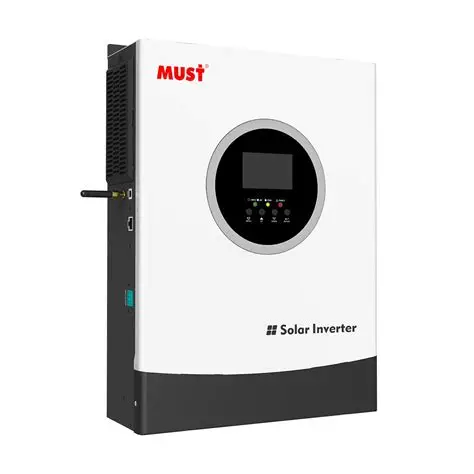
Solar inverter kits feature comprehensive smart monitoring systems that provide unprecedented visibility into energy production, consumption patterns, and system performance metrics through intuitive mobile applications and web-based platforms. This advanced monitoring capability transforms property owners into informed energy managers, enabling them to track real-time power generation, identify optimization opportunities, and detect potential issues before they impact system performance. The integrated communication systems connect solar inverter kits to home networks through WiFi, Ethernet, or cellular connections, ensuring continuous data transmission and remote monitoring capabilities. Users receive detailed insights into daily, monthly, and annual energy production, allowing them to correlate solar generation with weather patterns and seasonal variations. The monitoring systems also track energy consumption patterns, helping property owners identify high-usage appliances and optimize their electricity usage to maximize solar energy utilization. Grid integration capabilities enable seamless bidirectional power flow, allowing excess electricity to flow back to the utility grid while automatically switching to grid power when solar production is insufficient. This intelligent grid interaction supports net metering programs, where property owners receive credits for surplus electricity they contribute to the grid system. The smart monitoring systems provide early warning notifications for maintenance requirements, potential component failures, or performance degradation, enabling proactive maintenance that prevents costly repairs and system downtime. Historical performance data helps users understand their energy patterns and make informed decisions about energy usage, storage options, and potential system expansions. Professional installers and maintenance technicians can remotely access system diagnostics, troubleshoot issues, and perform software updates without requiring on-site visits, reducing service costs and minimizing system downtime. The monitoring platforms also integrate with home automation systems, enabling advanced energy management strategies that automatically control high-consumption devices based on solar production levels and grid electricity rates.
Modular Expandability and Future-Proof Design

Modular Expandability and Future-Proof Design

The modular design philosophy underlying solar inverter kits provides exceptional flexibility for system expansion and adaptation to changing energy needs, making them ideal for property owners who want to start with smaller installations and grow their systems over time. This scalable approach allows users to begin with basic configurations that meet immediate energy requirements while retaining the ability to add additional panels, battery storage, or advanced components as budgets allow or energy needs increase. The standardized connection interfaces and communication protocols ensure compatibility between components from different installation phases, protecting initial investments while enabling seamless integration of new technologies. Solar inverter kits support various expansion scenarios, including adding battery storage systems for energy independence, integrating electric vehicle charging capabilities, or incorporating smart home automation features. The future-proof design anticipates technological advancement, with firmware update capabilities that enhance functionality and add new features throughout the system's operational lifetime. This adaptability proves particularly valuable as electrical codes evolve, grid requirements change, or new energy management technologies emerge. Property owners benefit from systems that remain current with industry standards without requiring complete replacements, protecting their investments while ensuring continued compliance and optimal performance. The modular architecture also simplifies maintenance and repair procedures, as individual components can be serviced or replaced without disrupting the entire system. This approach reduces maintenance costs and minimizes downtime, ensuring consistent energy production even when individual components require attention. Installation professionals appreciate the standardized mounting systems, electrical connections, and configuration procedures that streamline both initial installations and subsequent expansions. The expandability extends to monitoring and control systems, which can accommodate additional sensors, smart switches, and energy management devices as property owners develop more sophisticated energy strategies. Manufacturing economies of scale benefit from standardized components that can be mass-produced efficiently while maintaining high quality standards and competitive pricing.

Get a Free Quote

Our representative will contact you soon.
Email
Mobile/WhatsApp
Name
Company Name
Message
0/1000