Solar String Inverter Technology: Complete Guide to Efficient Solar Power Conversion

Get a Free Quote

Our representative will contact you soon.
Email
Mobile/WhatsApp
Name
Company Name
Message
0/1000

solar string inverter

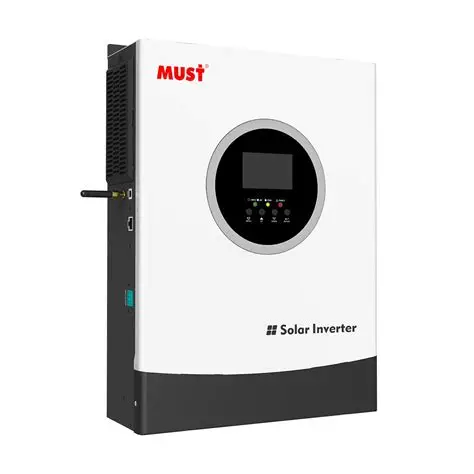
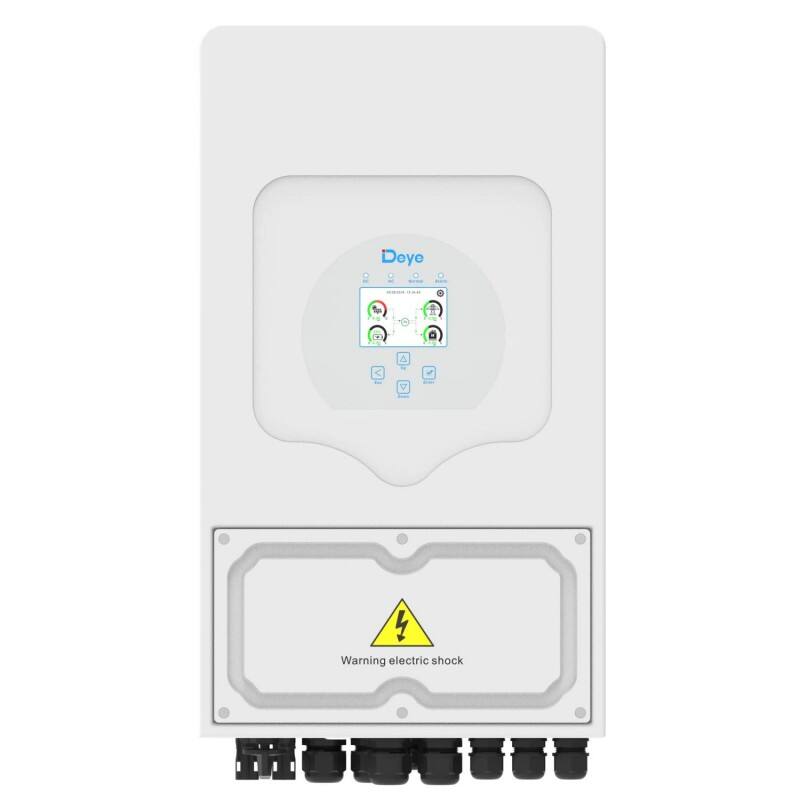
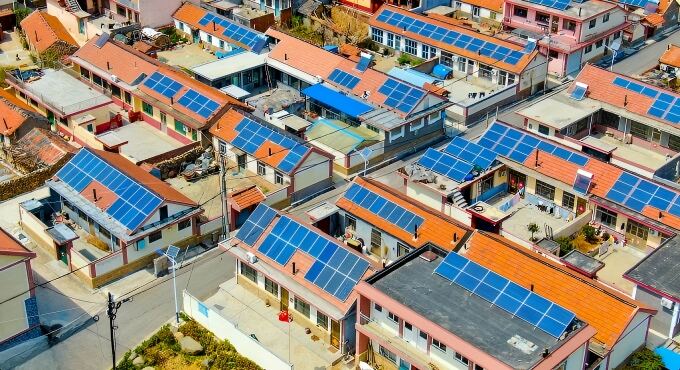
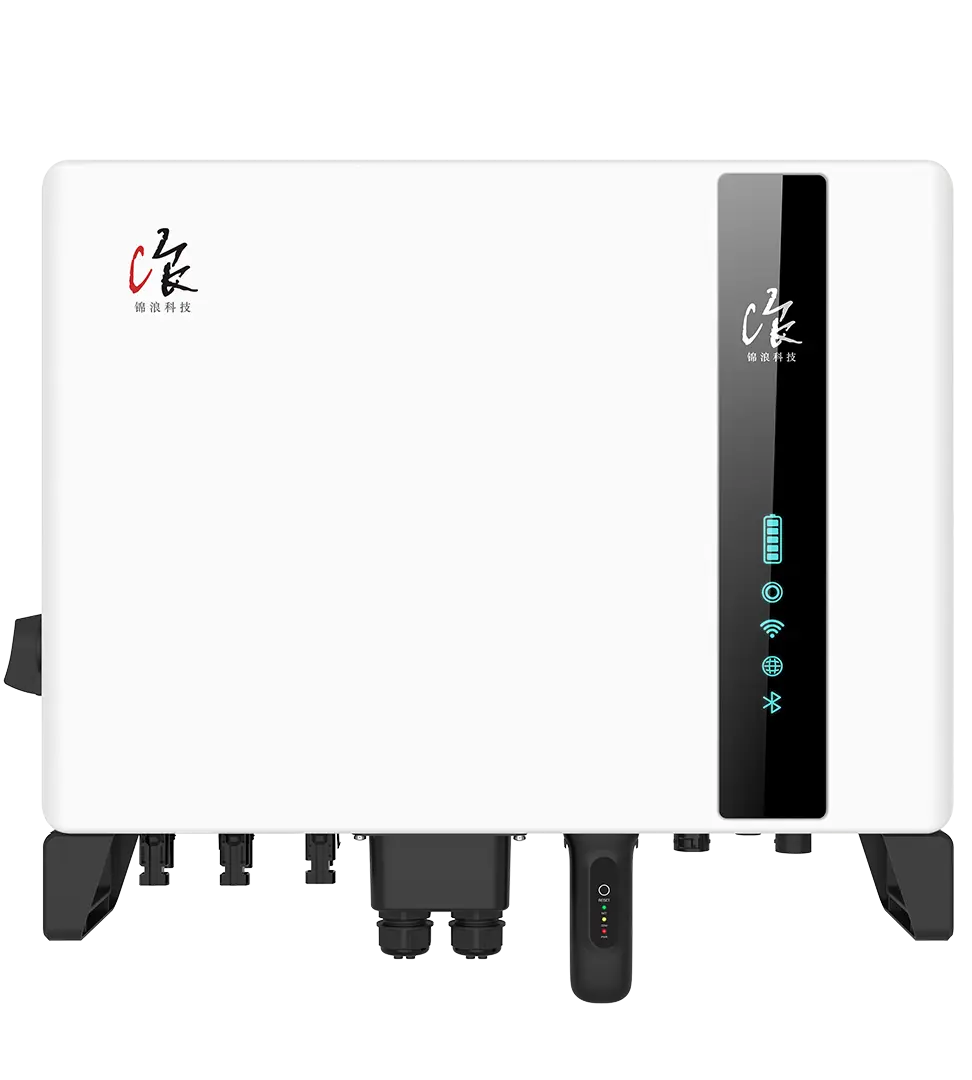
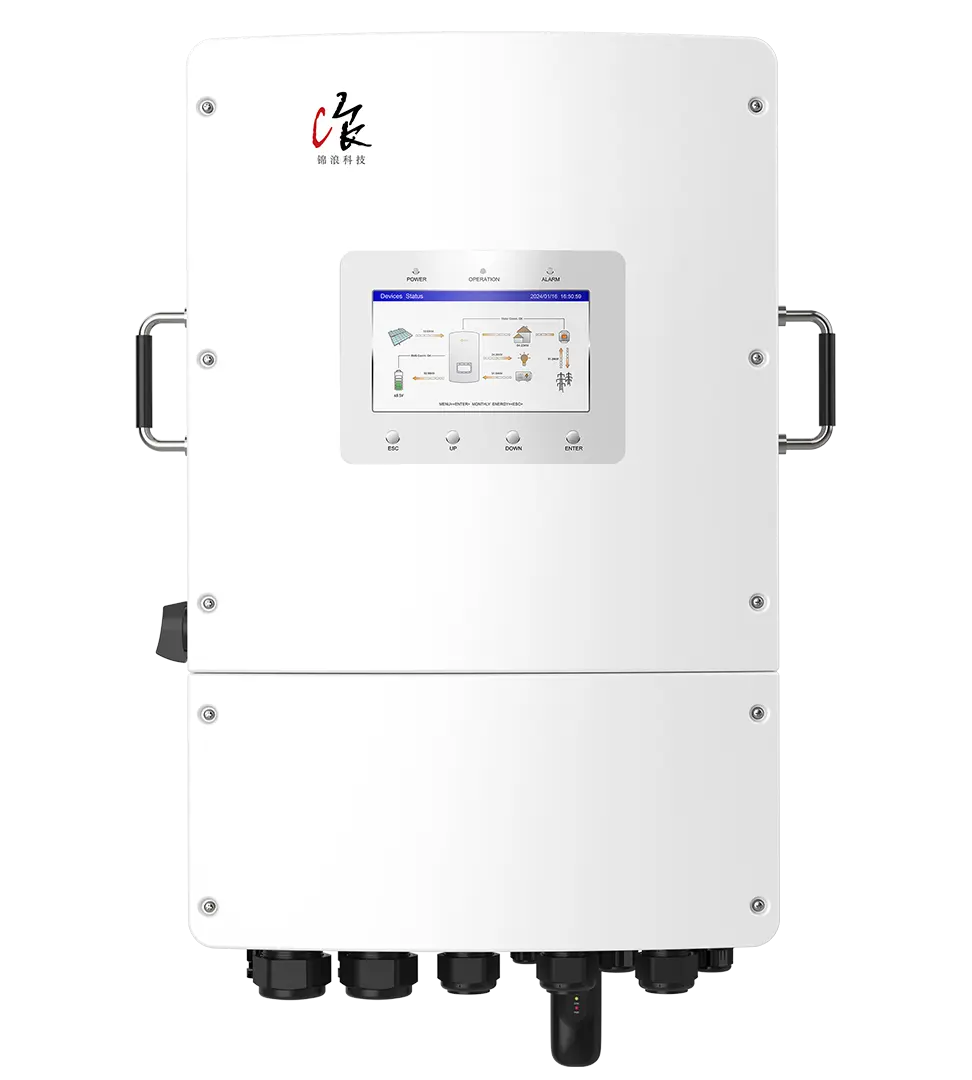
A solar string inverter represents a crucial component in photovoltaic energy systems, serving as the bridge between solar panels and usable electrical power for homes and businesses. This sophisticated device transforms the direct current electricity generated by solar panels into alternating current electricity that powers household appliances and feeds into the electrical grid. The solar string inverter operates by connecting multiple solar panels in series, creating what experts call a string configuration, which maximizes energy conversion efficiency and system performance. Modern solar string inverters incorporate advanced power electronics technology, featuring high-frequency switching circuits and sophisticated control algorithms that optimize energy harvesting throughout varying weather conditions. These devices typically handle voltage ranges from 200 to 1000 volts DC input, converting this power to standard AC voltage levels suitable for residential and commercial applications. The solar string inverter includes built-in safety features such as ground fault protection, arc fault detection, and rapid shutdown capabilities that ensure safe operation and compliance with electrical codes. Advanced models feature integrated monitoring systems that track performance metrics, energy production data, and system health indicators through wireless connectivity and smartphone applications. The technological architecture of a solar string inverter includes maximum power point tracking algorithms that continuously adjust operating parameters to extract optimal power from connected solar panels, even under partial shading conditions. These inverters typically achieve conversion efficiencies exceeding 95 percent, minimizing energy losses during the DC to AC conversion process. Installation versatility makes the solar string inverter suitable for various applications, including residential rooftop systems, commercial installations, and utility-scale projects. The compact design and weather-resistant enclosure allow for outdoor mounting while maintaining reliable operation across temperature ranges from negative 40 to positive 60 degrees Celsius.
New Product Releases

Solar string inverters deliver exceptional value through their cost-effective design and simplified installation process, making renewable energy accessible to property owners seeking reliable power solutions. These devices eliminate the need for individual panel-level power electronics, significantly reducing overall system costs while maintaining high performance standards. The centralized architecture of a solar string inverter streamlines maintenance procedures, allowing technicians to service a single unit rather than multiple components scattered across the installation site. Property owners benefit from reduced installation time and labor costs since fewer electrical connections are required compared to alternative inverter technologies. The solar string inverter provides superior monitoring capabilities that enable users to track energy production, identify performance issues, and optimize system output through comprehensive data analysis. Advanced diagnostic features help detect problems early, preventing minor issues from developing into costly repairs or extended downtime periods. These inverters support flexible system expansion, allowing property owners to add additional solar panel strings as energy needs grow or budget permits. The proven reliability of solar string inverters translates to consistent energy production and long-term financial returns on solar investments. Most manufacturers provide extended warranty coverage spanning 10 to 25 years, demonstrating confidence in product durability and performance. The high conversion efficiency of modern solar string inverters maximizes electricity generation from available sunlight, increasing overall system productivity and energy savings. Smart grid compatibility features enable seamless integration with utility networks, supporting net metering programs and energy storage systems. The solar string inverter design accommodates various panel types and configurations, providing flexibility for custom installations that match specific site conditions and aesthetic preferences. Rapid shutdown functionality ensures worker safety during maintenance or emergency situations by quickly de-energizing the solar array. Remote monitoring capabilities allow property owners to track system performance from anywhere using smartphones or computers, providing peace of mind and enabling proactive maintenance scheduling. The compact footprint of solar string inverters minimizes visual impact while delivering maximum energy conversion performance for residential and commercial applications.

Tips And Tricks

Solar Product Tech Advances In 2025

20

Jan

Solar Product Tech Advances In 2025

View More
2025 Global Solar Market Demand (Emerging Markets)

20

Jan

2025 Global Solar Market Demand (Emerging Markets)

View More
Solar Products & Rural Electrification 2025

20

Jan

Solar Products & Rural Electrification 2025

View More

Get a Free Quote

Our representative will contact you soon.
Email
Mobile/WhatsApp
Name
Company Name
Message
0/1000

solar string inverter

Maximum Power Point Tracking Technology

Maximum Power Point Tracking Technology

The sophisticated maximum power point tracking technology integrated into solar string inverters represents a game-changing advancement that dramatically improves energy harvesting efficiency and system performance. This intelligent feature continuously monitors the electrical characteristics of connected solar panels and automatically adjusts operating parameters to extract the highest possible power output under varying environmental conditions. The solar string inverter employs advanced algorithms that scan through different voltage and current combinations multiple times per second, identifying the optimal operating point where power generation reaches its peak potential. This technology becomes particularly valuable during challenging conditions such as partial shading, temperature fluctuations, or varying irradiance levels that commonly affect solar installations throughout the day. Unlike basic inverter systems that operate at fixed parameters, the maximum power point tracking system adapts dynamically to changing conditions, ensuring consistent energy production even when some panels in the string experience reduced sunlight exposure. The solar string inverter with this technology can maintain efficiency levels above 95 percent across a wide range of operating conditions, translating to significant increases in energy yield and financial returns for property owners. Advanced tracking algorithms incorporate weather prediction data and historical performance patterns to anticipate optimal operating points, further enhancing system responsiveness and energy capture capabilities. This feature proves especially beneficial for installations in regions with variable weather patterns or sites with temporary shading from trees, buildings, or other structures. The maximum power point tracking technology also extends the operational lifespan of solar panels by preventing electrical stress conditions that can occur when panels operate outside their optimal parameters. Property owners benefit from increased energy production that directly correlates to higher utility bill savings and faster payback periods on their solar investments. The solar string inverter continuously logs performance data related to maximum power point tracking efficiency, providing valuable insights for system optimization and maintenance planning purposes.
Advanced Grid Integration and Safety Features

Advanced Grid Integration and Safety Features

Modern solar string inverters incorporate comprehensive grid integration and safety features that ensure reliable operation while protecting both personnel and electrical infrastructure from potential hazards. These sophisticated safety systems include rapid shutdown capabilities that can de-energize the entire solar array within seconds during emergency situations or maintenance procedures, providing crucial protection for first responders and maintenance personnel. The solar string inverter features built-in ground fault detection that continuously monitors electrical circuits for potentially dangerous current leakage, automatically disconnecting the system when hazardous conditions are detected. Arc fault protection technology identifies and responds to electrical arcing that could potentially cause fires, shutting down the system before dangerous conditions can develop. Anti-islanding protection prevents the solar string inverter from continuing to feed electricity into the grid during power outages, protecting utility workers who may be performing repairs on supposedly de-energized lines. Advanced grid support functions enable the solar string inverter to provide voltage regulation, frequency response, and reactive power support that helps stabilize the electrical grid during periods of high renewable energy penetration. Smart inverter capabilities allow utilities to remotely control certain aspects of system operation, supporting grid management efforts and enabling participation in advanced energy market programs. The solar string inverter includes comprehensive communication protocols that facilitate integration with home automation systems, energy management platforms, and utility smart grid infrastructure. Surge protection circuits safeguard internal components from lightning strikes and electrical transients that commonly occur in outdoor installations. Temperature monitoring and thermal management systems ensure optimal performance across extreme weather conditions while preventing overheating that could damage sensitive electronics. The solar string inverter incorporates multiple redundant safety systems that provide backup protection even if primary safety circuits experience failures. Compliance with international safety standards ensures compatibility with electrical codes and regulations across different regions and jurisdictions. Real-time monitoring of safety parameters provides early warning of potential issues, enabling proactive maintenance that prevents safety hazards from developing.
Scalable Design and Installation Flexibility

Scalable Design and Installation Flexibility

The inherently scalable design of solar string inverters provides unmatched installation flexibility that accommodates diverse project requirements and site-specific constraints while maintaining optimal performance and cost-effectiveness. This adaptability allows installers to configure systems ranging from small residential installations to large commercial projects using standardized components and proven design principles. The solar string inverter supports multiple string inputs, enabling connection of various solar panel configurations that can be optimized for different roof orientations, tilt angles, and shading conditions within a single installation. Modular architecture means property owners can start with smaller systems and expand capacity over time as energy needs grow or additional funding becomes available, without requiring complete system replacement or major infrastructure modifications. The solar string inverter design accommodates different panel technologies, including monocrystalline, polycrystalline, and thin-film modules, providing flexibility in component selection based on budget constraints and performance requirements. Installation teams benefit from simplified wiring schemes that reduce labor time and minimize potential error points during system commissioning. The compact form factor of solar string inverters enables installation in constrained spaces while maintaining adequate clearance for ventilation and maintenance access. Weather-resistant enclosures provide reliable operation in harsh environmental conditions, from desert heat to coastal salt exposure and freezing temperatures. The solar string inverter includes standardized mounting options that simplify installation on various surfaces including walls, ground-mounted structures, and equipment pads. Flexible input voltage ranges accommodate different string configurations, allowing optimization for specific site conditions and energy production goals. Communication interfaces support integration with existing building management systems and energy monitoring platforms without requiring specialized hardware or complex programming. The solar string inverter design enables parallel operation of multiple units for larger installations, providing redundancy that ensures continued energy production even if individual inverters require maintenance. Pre-configured settings and automated commissioning features reduce installation time and minimize the technical expertise required for system startup. Expansion capabilities include provisions for future integration with energy storage systems and electric vehicle charging infrastructure as these technologies become more prevalent in residential and commercial applications.

Get a Free Quote

Our representative will contact you soon.
Email
Mobile/WhatsApp
Name
Company Name
Message
0/1000