Solar Split AC Systems: Energy-Efficient Cooling Solutions with Renewable Power Technology

Get a Free Quote

Our representative will contact you soon.
Email
Mobile/WhatsApp
Name
Company Name
Message
0/1000

solar split ac

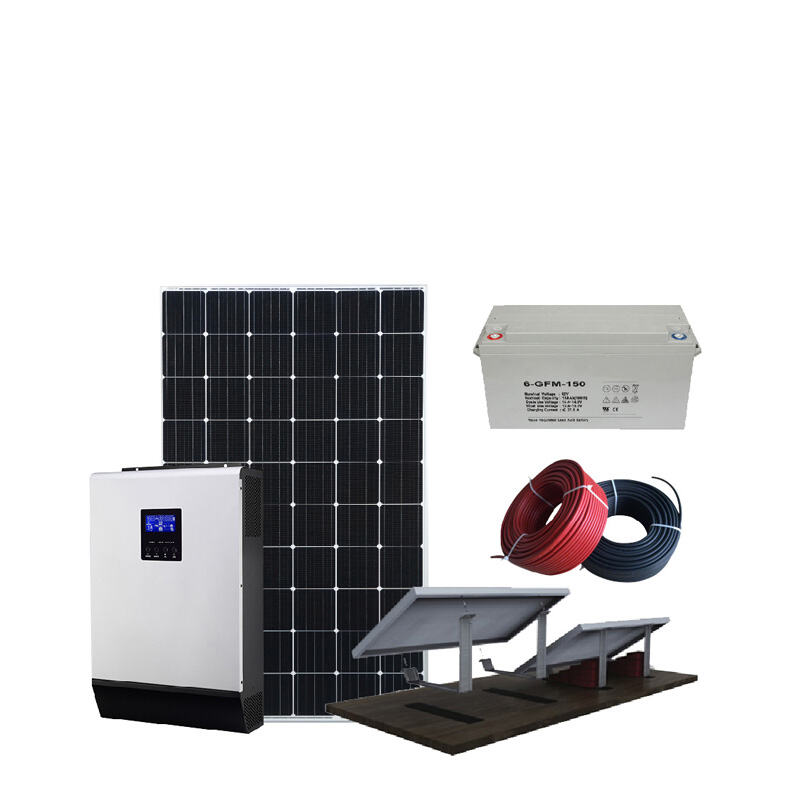
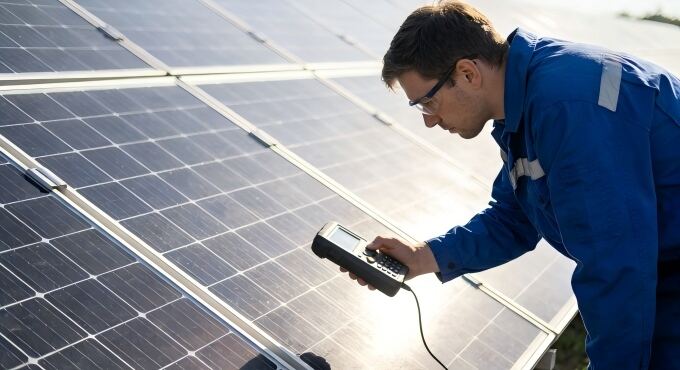
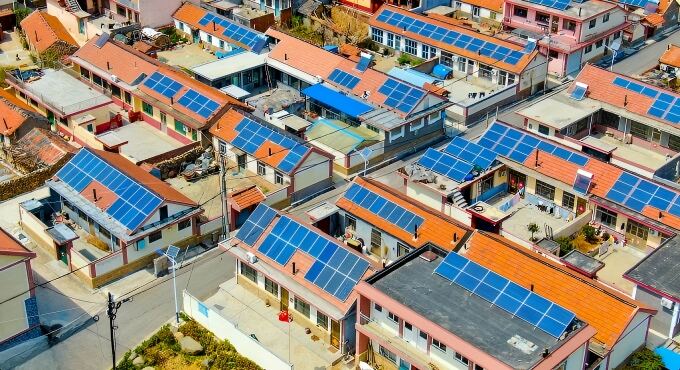
A solar split ac represents an innovative cooling solution that combines traditional air conditioning technology with renewable solar energy systems. This advanced climate control system operates by harnessing solar power through photovoltaic panels, which convert sunlight into electricity to run the air conditioning unit. The solar split ac consists of two main components: an outdoor condensing unit and an indoor evaporator unit, connected by refrigerant lines. The outdoor unit houses the compressor, condenser coil, and fan, while the indoor unit contains the evaporator coil and air handler. What distinguishes this system is its integration with solar panels that can either directly power the unit or feed energy into a battery storage system for continuous operation. The solar split ac utilizes advanced inverter technology that allows the compressor to adjust its speed based on cooling demands, maximizing energy efficiency. Modern solar split ac units incorporate smart controls that optimize power consumption by switching between solar energy, battery power, and grid electricity as needed. The system includes maximum power point tracking technology that ensures optimal energy harvesting from solar panels under varying weather conditions. Applications for solar split ac systems span residential homes, commercial buildings, remote locations, and off-grid facilities where traditional power sources may be limited or expensive. These units prove particularly valuable in sunny climates where solar energy abundance coincides with high cooling demands. The technology enables users to maintain comfortable indoor temperatures while reducing dependence on conventional electrical grids. Installation flexibility allows solar split ac systems to be mounted in various configurations, accommodating different building types and solar panel arrangements. The system's modular design permits easy expansion and maintenance, making it suitable for both new construction and retrofit projects in diverse geographic locations.
New Product Releases

The solar split ac delivers substantial cost savings by dramatically reducing electricity bills through free solar energy utilization. Homeowners and businesses experience immediate financial benefits as the system operates primarily on renewable energy, eliminating or significantly decreasing monthly cooling costs. The initial investment pays for itself over time through reduced utility expenses, with many users achieving complete energy independence for their cooling needs. Environmental benefits represent another major advantage, as solar split ac systems produce zero direct emissions during operation. By utilizing clean solar energy instead of fossil fuel-generated electricity, these units contribute to reduced carbon footprints and support global sustainability efforts. The solar split ac operates quietly compared to traditional units, creating more peaceful indoor and outdoor environments. Advanced inverter technology ensures smooth, efficient operation with minimal noise generation, enhancing comfort for residents and neighbors alike. Reliability stands as a key strength, with solar split ac systems designed to function effectively even during power outages when equipped with battery backup. This energy independence proves crucial in areas prone to electrical grid instability or frequent blackouts. The dual power capability allows seamless switching between solar energy and grid electricity, ensuring consistent cooling regardless of weather conditions. Installation versatility makes solar split ac systems adaptable to various building types and orientations, accommodating different architectural requirements and solar exposure conditions. Remote monitoring capabilities enable users to track energy production, consumption patterns, and system performance through smartphone applications or web interfaces. This technology empowers informed decision-making about energy usage and system optimization. Maintenance requirements remain minimal, with solar panels requiring occasional cleaning and standard HVAC servicing for optimal performance. The solar split ac technology continues advancing, with newer models offering improved efficiency ratings and enhanced features. Government incentives and tax credits often support solar split ac installations, further reducing initial costs and accelerating return on investment for consumers choosing renewable energy solutions.

Latest News

Solar Product Tech Advances In 2025

20

Jan

Solar Product Tech Advances In 2025

View More
2025 Global Solar Market Demand (Emerging Markets)

20

Jan

2025 Global Solar Market Demand (Emerging Markets)

View More
Solar Products & Rural Electrification 2025

20

Jan

Solar Products & Rural Electrification 2025

View More

Get a Free Quote

Our representative will contact you soon.
Email
Mobile/WhatsApp
Name
Company Name
Message
0/1000

solar split ac

Advanced Energy Independence Technology

Advanced Energy Independence Technology

The solar split ac delivers unparalleled energy independence through sophisticated hybrid power management systems that seamlessly integrate multiple energy sources. This revolutionary technology combines high-efficiency solar panels with intelligent battery storage and grid connectivity to ensure continuous cooling regardless of external conditions. The system employs advanced maximum power point tracking algorithms that optimize solar energy harvesting throughout the day, automatically adjusting to changing sunlight conditions and panel angles. Smart inverter technology within the solar split ac modulates power consumption based on real-time energy availability and cooling demands, maximizing efficiency while maintaining optimal indoor comfort levels. The integrated battery management system stores excess solar energy during peak production hours, providing power during evening hours or cloudy periods when solar generation decreases. Users gain complete control over their energy consumption through sophisticated monitoring systems that display real-time power generation, battery status, and cooling performance metrics. The solar split ac automatically prioritizes solar energy usage over grid electricity, only drawing from the electrical grid when solar and battery power prove insufficient. This intelligent power management reduces dependency on traditional utilities while providing backup power security during outages or emergencies. The system includes programmable settings that allow users to customize energy preferences, scheduling cooling cycles during peak solar production hours to maximize renewable energy utilization. Advanced load balancing ensures optimal performance across varying weather conditions, automatically adjusting compressor speeds and fan operations to match available power sources. The solar split ac technology incorporates weather prediction algorithms that anticipate energy needs and pre-cool spaces during optimal solar production periods. This proactive approach minimizes grid electricity usage while maintaining consistent comfort levels throughout the day. The energy independence feature proves particularly valuable in remote locations or areas with unreliable electrical infrastructure, providing consistent cooling without dependency on external power sources.
Exceptional Cost Efficiency and Return on Investment

Exceptional Cost Efficiency and Return on Investment

The solar split ac transforms cooling expenses from ongoing operational costs into valuable long-term investments through dramatic electricity bill reductions and government incentive programs. Financial benefits begin immediately upon installation as the system generates free cooling energy from abundant sunlight, eliminating traditional air conditioning electricity costs that typically represent significant portions of monthly utility bills. Comprehensive cost analysis demonstrates that solar split ac systems achieve complete payback within five to eight years depending on local electricity rates, solar irradiance levels, and available incentive programs. The economic advantages extend beyond simple energy savings through increased property values, as homes and businesses equipped with solar split ac systems command premium prices in real estate markets. Advanced energy monitoring provides detailed consumption analytics that help users optimize cooling schedules and identify additional energy-saving opportunities throughout their properties. The solar split ac eliminates exposure to rising electricity costs and utility rate fluctuations, providing predictable cooling expenses and long-term budget stability for homeowners and business operators. Maintenance costs remain significantly lower compared to conventional systems due to fewer moving parts in solar components and reduced stress on electrical systems. Government tax credits, rebates, and financing programs often cover substantial portions of initial installation costs, accelerating return on investment timelines and improving project economics. The solar split ac qualifies for various renewable energy incentives including federal tax credits, state rebates, utility company programs, and net metering arrangements where excess energy can be sold back to electrical grids. Commercial installations benefit from accelerated depreciation schedules and renewable energy certificates that provide additional revenue streams beyond direct energy savings. Operating cost predictability enables accurate long-term financial planning, as solar energy remains free regardless of market fluctuations or geopolitical events affecting traditional energy prices. The solar split ac investment continues generating returns for decades beyond the payback period, with solar panels typically warranted for twenty-five years and cooling systems lasting fifteen to twenty years with proper maintenance.
Superior Environmental Impact and Sustainability Benefits

Superior Environmental Impact and Sustainability Benefits

The solar split ac represents a cornerstone technology for environmental stewardship, delivering substantial ecological benefits through zero-emission cooling operations powered entirely by clean renewable energy. Environmental impact reduction begins with eliminating carbon dioxide emissions associated with traditional air conditioning electricity consumption, which typically relies on fossil fuel power generation that contributes significantly to climate change and air pollution. Comprehensive lifecycle analysis reveals that solar split ac systems offset their manufacturing carbon footprint within two to three years of operation, subsequently providing decades of carbon-neutral cooling services. The technology supports global renewable energy adoption goals by demonstrating practical applications for solar power in essential comfort systems, encouraging broader acceptance of sustainable technologies. Water conservation benefits emerge through reduced demand on power plants that require substantial water resources for cooling and steam generation, helping preserve precious freshwater resources in drought-prone regions. The solar split ac eliminates harmful refrigerant emissions through improved system efficiency and reduced operating pressures that minimize leakage risks associated with traditional cooling systems. Advanced refrigerant management systems within solar split ac units utilize environmentally friendly coolants with lower global warming potential, further reducing environmental impact compared to conventional alternatives. Noise pollution reduction benefits local ecosystems and community environments through quieter operation enabled by variable-speed compressors and optimized fan designs that minimize acoustic disturbance. The technology promotes sustainable building practices by enabling carbon-neutral cooling solutions that support green building certifications and environmental compliance requirements. Solar split ac installations contribute to distributed energy generation that reduces strain on electrical transmission systems and decreases energy losses associated with long-distance power distribution. The environmental benefits extend to reduced mining and extraction activities required for fossil fuel production, helping preserve natural habitats and reducing industrial environmental impacts. Community air quality improvements result from decreased demand on fossil fuel power plants, reducing particulate matter, nitrogen oxides, and sulfur dioxide emissions that contribute to respiratory health problems and environmental degradation.

Get a Free Quote

Our representative will contact you soon.
Email
Mobile/WhatsApp
Name
Company Name
Message
0/1000