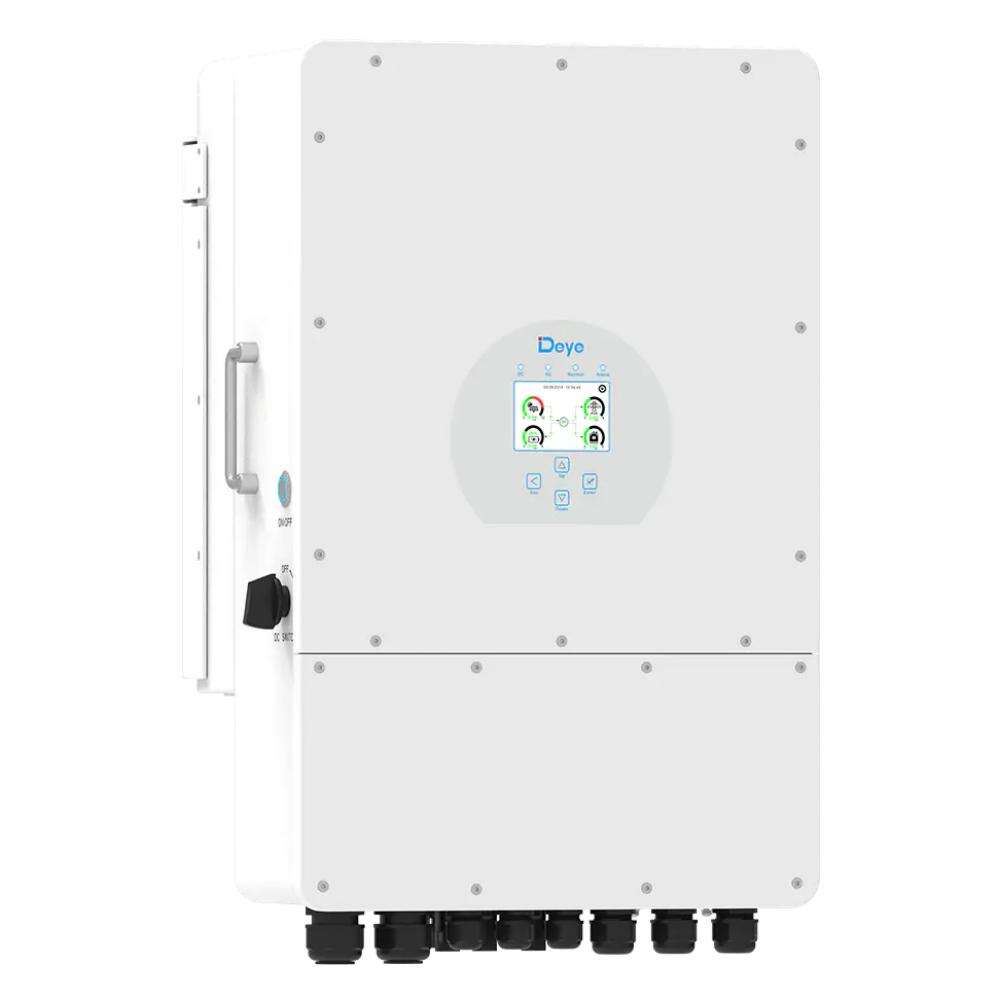
1 to 3 Phase Converter Solutions: Advanced Power Conversion Technology for Industrial Applications

Get a Free Quote

Our representative will contact you soon.
Email
Mobile/WhatsApp
Name
Company Name
Message
0/1000

1 to 3 phase

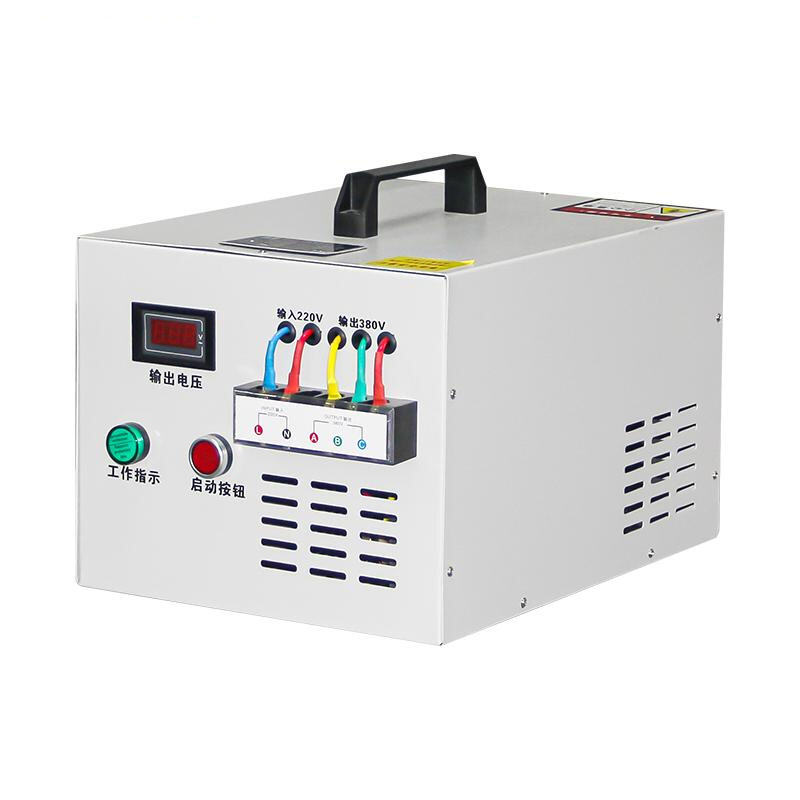
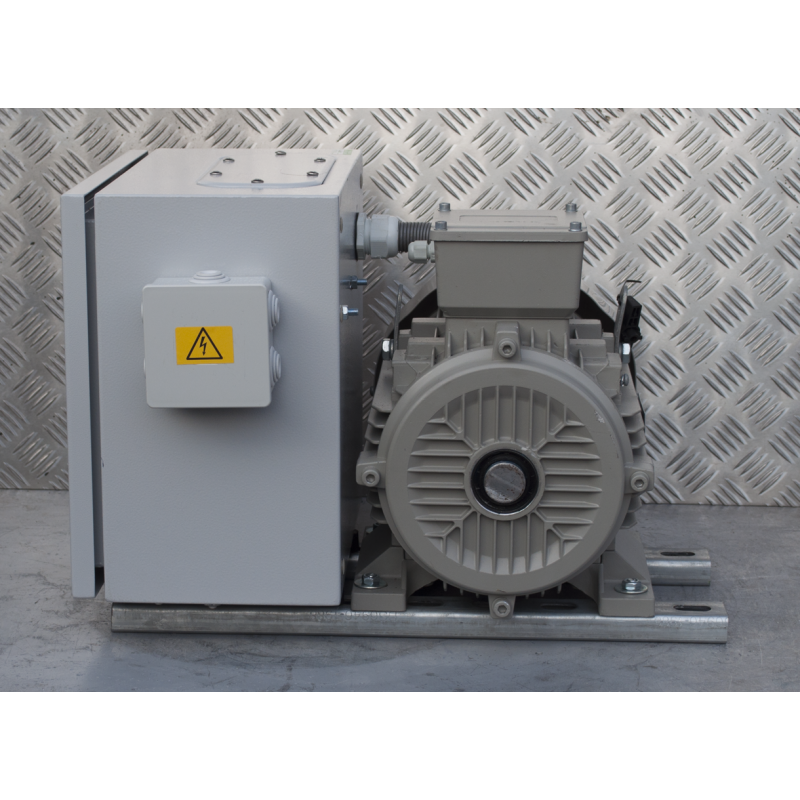
A 1 to 3 phase converter represents a sophisticated electrical device that transforms single-phase power input into three-phase power output, addressing critical power supply challenges in industrial and commercial applications. This innovative technology serves as a bridge between residential single-phase electrical systems and industrial equipment that requires three-phase power for optimal operation. The main function of a 1 to 3 phase converter centers on creating a balanced three-phase output from an unbalanced single-phase input, enabling users to operate three-phase motors, machinery, and equipment in locations where only single-phase power is available. The technological features of modern 1 to 3 phase converters include advanced microprocessor control systems, digital signal processing capabilities, and intelligent protection mechanisms that ensure stable and reliable power conversion. These devices incorporate vector control technology, which provides precise motor control and enhanced performance characteristics. The converter typically features adjustable frequency output, voltage regulation capabilities, and comprehensive monitoring systems that track performance parameters in real-time. Applications for 1 to 3 phase converters span numerous industries and scenarios, including agricultural operations where farmers need to run three-phase irrigation pumps or grain handling equipment in remote locations with limited electrical infrastructure. Manufacturing facilities often utilize these converters to operate specialized machinery, CNC equipment, and production line components when three-phase power is unavailable or cost-prohibitive to install. The construction industry benefits from 1 to 3 phase converter technology when powering heavy-duty equipment, concrete mixers, and industrial tools at job sites with limited electrical access. Additionally, these converters prove invaluable in marine applications, remote mining operations, and backup power systems where reliable three-phase power generation is essential for continuous operations and equipment protection.

New Product Releases

The 1 to 3 phase converter delivers exceptional cost-effectiveness by eliminating the need for expensive electrical infrastructure upgrades. Installing three-phase power lines requires significant investment in utility connections, transformers, and electrical panels, often costing thousands of dollars. The converter provides an immediate solution that operates with existing single-phase connections, reducing installation expenses by up to seventy percent compared to traditional three-phase power installation. This economic benefit makes the technology accessible to small businesses, agricultural operations, and residential workshops that previously could not justify the expense of three-phase power access. Energy efficiency represents another crucial advantage of modern 1 to 3 phase converter systems. These devices optimize power consumption by providing precise motor control and eliminating power waste associated with inefficient single-phase motor operations. The converter technology reduces energy consumption by approximately fifteen to twenty-five percent compared to running equivalent single-phase motors, resulting in substantial electricity bill savings over time. The improved power factor correction capabilities ensure maximum energy utilization while minimizing reactive power losses that typically occur in unbalanced electrical systems. Operational flexibility stands as a primary benefit that sets 1 to 3 phase converters apart from alternative solutions. Users can adjust output frequency, voltage levels, and motor speeds according to specific application requirements, providing unprecedented control over connected equipment. This adaptability allows operators to optimize performance for different tasks, extend equipment lifespan through soft-start capabilities, and implement variable speed control for enhanced productivity. The converter eliminates the limitations imposed by fixed single-phase power supplies, enabling users to operate professional-grade three-phase equipment with confidence and precision. Reliability improvements achieved through 1 to 3 phase converter implementation significantly reduce maintenance costs and equipment downtime. The technology provides stable, balanced power output that protects connected motors and machinery from voltage fluctuations, power surges, and electrical imbalances that commonly damage equipment. Built-in protection features including overcurrent protection, thermal monitoring, and fault detection systems prevent costly equipment failures while ensuring safe operation. The converter extends motor lifespan by reducing mechanical stress, vibration, and heat generation associated with single-phase motor operation, delivering long-term value and operational dependability.

Practical Tips

Solar Product Tech Advances In 2025

20

Jan

Solar Product Tech Advances In 2025

View More
2025 Global Solar Market Demand (Emerging Markets)

20

Jan

2025 Global Solar Market Demand (Emerging Markets)

View More
Solar Products & Rural Electrification 2025

20

Jan

Solar Products & Rural Electrification 2025

View More

Get a Free Quote

Our representative will contact you soon.
Email
Mobile/WhatsApp
Name
Company Name
Message
0/1000

1 to 3 phase

Advanced Vector Control Technology for Precision Performance

Advanced Vector Control Technology for Precision Performance

The 1 to 3 phase converter incorporates cutting-edge vector control technology that revolutionizes motor performance and operational efficiency. This sophisticated control method analyzes motor characteristics in real-time, adjusting output parameters to deliver optimal power delivery and torque control. Unlike traditional conversion methods that produce unbalanced or approximated three-phase output, vector control technology generates true sinusoidal waveforms that match the quality of utility-supplied three-phase power. The system continuously monitors motor position, speed, and load conditions, making instantaneous adjustments to maintain peak performance across varying operational demands. This technology enables smooth motor acceleration and deceleration, eliminating the jerky starts and stops associated with conventional motor control systems. The precise control capabilities extend motor lifespan significantly by reducing mechanical stress, heat generation, and wear on motor components. Operators benefit from enhanced speed regulation accuracy, typically within one percent of setpoint, ensuring consistent product quality in manufacturing applications. The vector control system also provides superior torque control at low speeds, making it ideal for applications requiring precise positioning or variable speed operation. Energy savings achieved through this technology often exceed twenty percent compared to standard motor control methods, as the system optimizes power delivery based on actual load requirements rather than delivering constant maximum power. The advanced control algorithms automatically compensate for load variations, maintaining stable operation even when multiple motors or varying loads are connected to the converter. This intelligent control system reduces electrical noise and electromagnetic interference, creating a cleaner electrical environment that benefits sensitive electronic equipment. The technology also enables regenerative braking capabilities, capturing energy during motor deceleration and feeding it back to the system, further improving overall energy efficiency and reducing operational costs for users across various industrial applications.
Comprehensive Safety and Protection Systems for Equipment Longevity

Comprehensive Safety and Protection Systems for Equipment Longevity

Modern 1 to 3 phase converters feature extensive safety and protection systems that safeguard both the converter and connected equipment from electrical faults, environmental conditions, and operational errors. The multi-layered protection approach includes overcurrent protection that instantly responds to dangerous current levels, preventing damage to motors, wiring, and the converter itself. Thermal protection monitoring continuously tracks internal component temperatures, automatically reducing output or shutting down the system when safe operating limits are exceeded. This proactive approach prevents costly repairs and extends equipment lifespan significantly compared to systems without comprehensive protection. Voltage protection features monitor input and output voltage levels, detecting undervoltage, overvoltage, and voltage imbalance conditions that could harm connected equipment. The system automatically adjusts output parameters or initiates protective shutdown sequences when voltage conditions fall outside safe operating ranges. Ground fault detection capabilities identify insulation failures and electrical leakage, immediately disconnecting power to prevent electrical hazards and equipment damage. Short circuit protection responds within microseconds to fault conditions, isolating problematic circuits before damage occurs. The protection systems include sophisticated diagnostics that identify potential issues before they become critical failures. Real-time monitoring displays provide operators with detailed information about system status, operating parameters, and any detected anomalies. Historical data logging capabilities track performance trends, enabling predictive maintenance scheduling and optimizing replacement part inventory. Emergency stop functions provide immediate system shutdown capabilities, ensuring operator safety during maintenance or emergency situations. The protection systems are designed with fail-safe principles, meaning any protection system failure results in safe system shutdown rather than continued operation without protection. Environmental protection features include moisture detection, vibration monitoring, and contamination sensors that alert operators to conditions that could affect system reliability. These comprehensive protection systems reduce unplanned downtime by up to ninety percent compared to unprotected systems, ensuring continuous operation and maximizing return on investment for users across industrial, commercial, and agricultural applications.
Seamless Installation and User-Friendly Operation Interface

Seamless Installation and User-Friendly Operation Interface

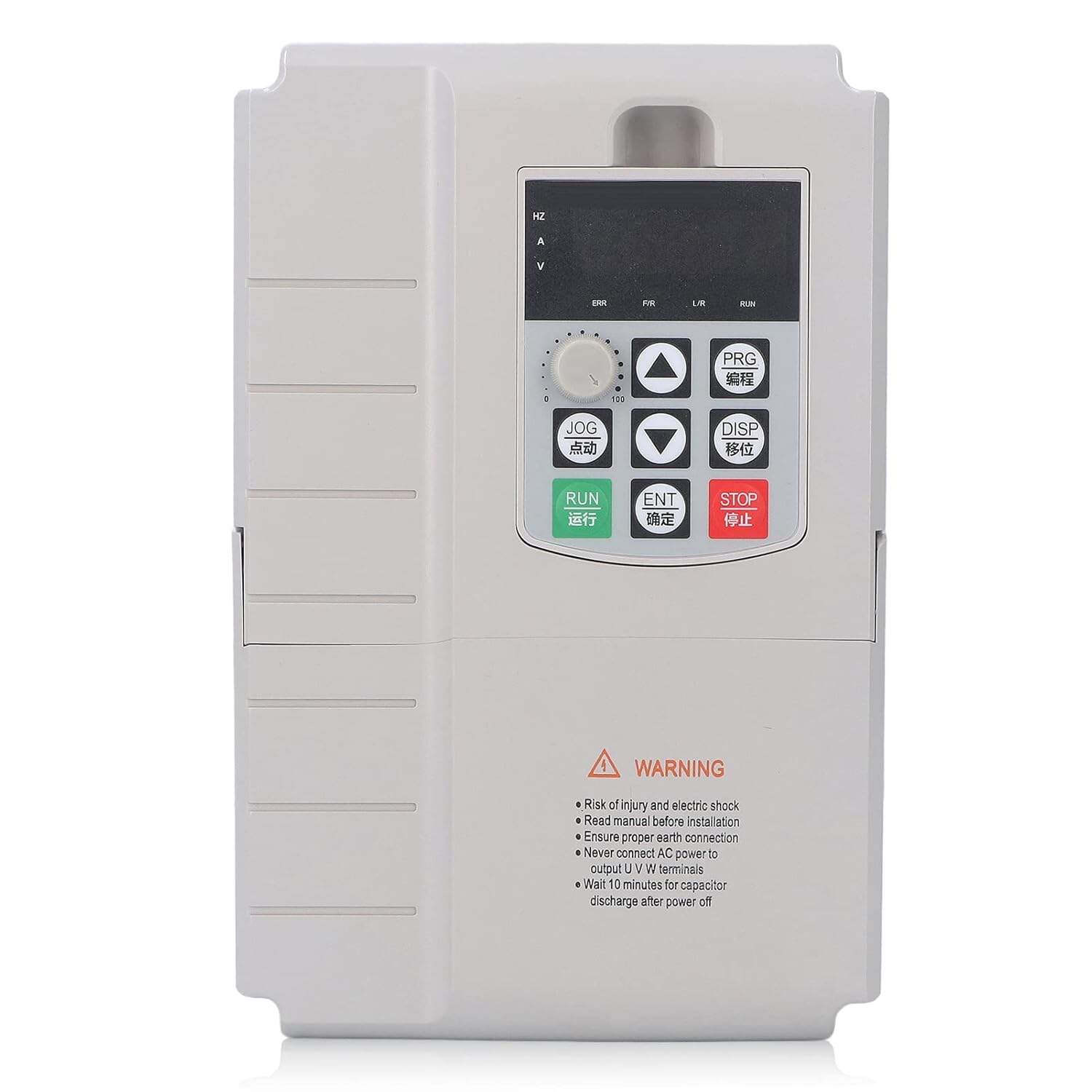
The 1 to 3 phase converter excels in providing straightforward installation procedures and intuitive operation interfaces that minimize setup time and reduce the need for specialized technical expertise. The plug-and-play design philosophy ensures that users can connect the converter to existing single-phase power sources and three-phase equipment without extensive electrical modifications or costly infrastructure changes. Clear wiring diagrams, color-coded connections, and standardized mounting configurations simplify installation processes that traditionally required professional electricians or specialized technicians. The converter housing incorporates standard mounting dimensions compatible with existing electrical panels and motor control centers, facilitating retrofit applications and system upgrades. Pre-configured settings for common motor types and applications eliminate complex programming requirements, allowing users to achieve optimal performance immediately after installation. The user interface features large, backlit displays that provide clear visibility of operating parameters, system status, and diagnostic information under various lighting conditions. Intuitive menu structures guide operators through setup procedures, parameter adjustments, and troubleshooting processes using plain language descriptions rather than technical codes or abbreviations. Multi-language support ensures accessibility for diverse user populations, while context-sensitive help functions provide detailed explanations for each operational feature. Remote monitoring capabilities enable users to access system information, adjust parameters, and receive alerts through smartphone applications or computer interfaces, providing unprecedented operational flexibility and convenience. The interface includes preset configurations for popular applications such as irrigation systems, workshop equipment, and industrial machinery, eliminating guesswork and reducing setup time to minutes rather than hours. Automatic parameter optimization features analyze connected loads and adjust converter settings for maximum efficiency and performance without user intervention. The system provides clear feedback during setup procedures, confirming successful connections and identifying any configuration errors before system startup. Maintenance reminders and service alerts help users maintain optimal system performance through timely filter changes, connection inspections, and calibration procedures. The comprehensive documentation includes video tutorials, step-by-step guides, and troubleshooting flowcharts that enable users to resolve common issues without technical support, reducing operational costs and minimizing downtime throughout the system lifecycle.
Get a Free Quote

Our representative will contact you soon.
Email
Mobile/WhatsApp
Name
Company Name
Message
0/1000