3 Phase Electric Converter: Advanced Power Conversion Solutions for Industrial and Commercial Applications

Get a Free Quote

Our representative will contact you soon.
Email
Mobile/WhatsApp
Name
Company Name
Message
0/1000

3 phase electric converter

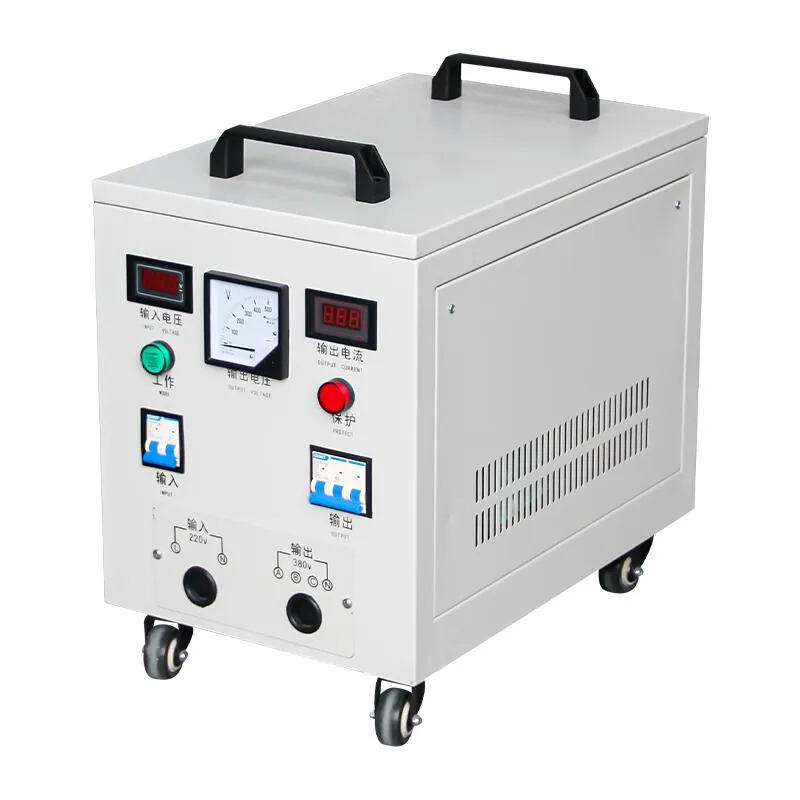
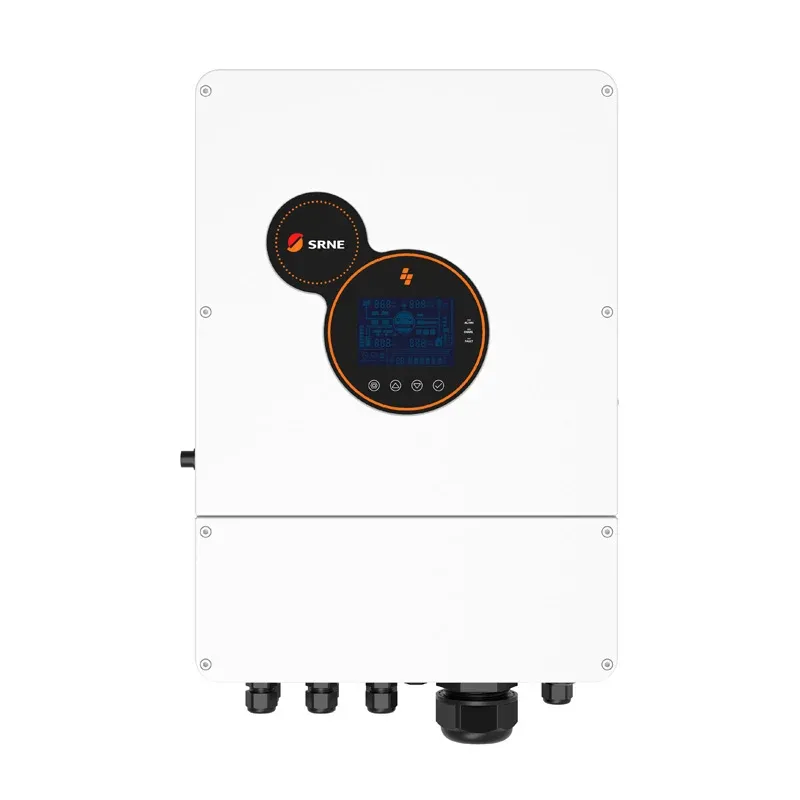
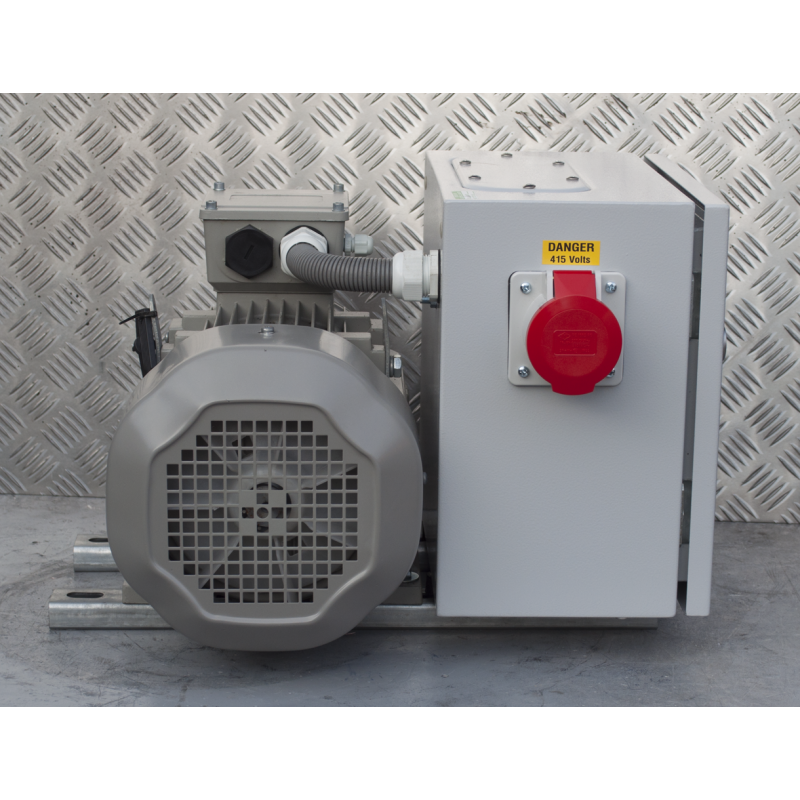
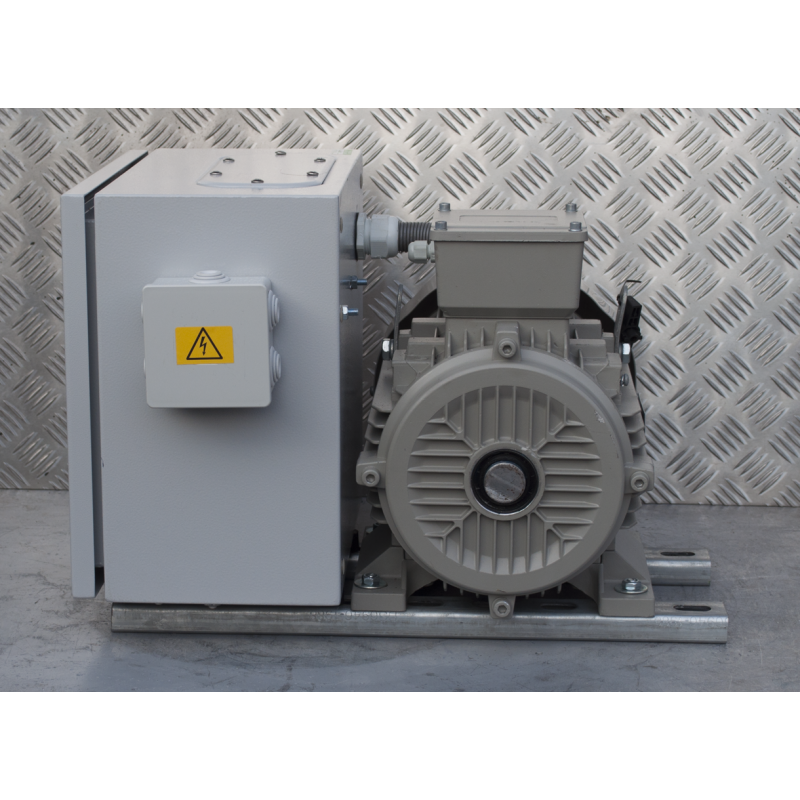
A 3 phase electric converter represents a sophisticated power conversion device designed to transform electrical energy between different voltage levels, frequencies, or waveform types within three-phase electrical systems. This essential equipment serves as the backbone of modern industrial power management, enabling seamless integration between various electrical components and systems. The primary function of a 3 phase electric converter involves converting alternating current from one form to another, whether stepping up or stepping down voltage levels, changing frequency parameters, or modifying power characteristics to match specific equipment requirements. These converters incorporate advanced semiconductor technology, utilizing components such as insulated gate bipolar transistors, thyristors, and sophisticated control circuits to achieve precise power conversion with minimal energy loss. The technological architecture of modern 3 phase electric converters features microprocessor-based control systems that continuously monitor input parameters and adjust output characteristics in real-time. This intelligent control mechanism ensures optimal performance across varying load conditions while maintaining system stability and reliability. Advanced filtering systems within these converters eliminate harmonic distortion, producing clean, stable power output that protects sensitive equipment from electrical anomalies. The versatility of 3 phase electric converters makes them indispensable across numerous industrial applications, including manufacturing facilities, data centers, renewable energy installations, and commercial buildings. In manufacturing environments, these converters power variable speed drives for motors, enabling precise control over production processes while reducing energy consumption. Data centers rely on 3 phase electric converters for uninterrupted power supply systems, ensuring continuous operation of critical computing infrastructure. The renewable energy sector utilizes these converters to integrate solar panels and wind turbines into existing electrical grids, converting variable renewable energy sources into stable, grid-compatible power. Modern 3 phase electric converter designs emphasize modularity and scalability, allowing users to customize configurations based on specific power requirements and future expansion needs.

Popular Products

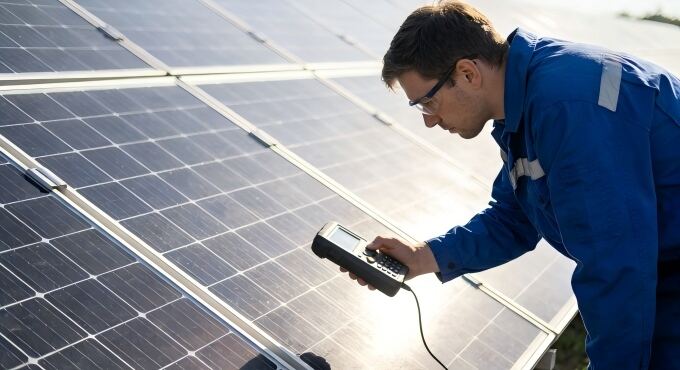
The 3 phase electric converter delivers substantial energy efficiency improvements compared to single-phase alternatives, typically achieving conversion efficiencies exceeding 95 percent through advanced power electronics and optimized circuit designs. This superior efficiency translates directly into reduced operational costs, as less electrical energy is wasted during the conversion process, resulting in lower utility bills and improved environmental sustainability. The balanced load distribution inherent in three-phase systems eliminates the power fluctuations common in single-phase applications, providing smoother, more consistent power delivery that extends equipment lifespan and reduces maintenance requirements. Modern 3 phase electric converter units feature intelligent power management capabilities that automatically adjust output parameters based on real-time load conditions, optimizing performance while preventing overload situations that could damage connected equipment. The compact design of contemporary 3 phase electric converters maximizes space utilization in industrial installations, offering high power density that allows more conversion capacity within smaller footprints compared to traditional transformer-based solutions. Installation flexibility represents another significant advantage, as these converters can accommodate various input voltage ranges and provide multiple output configurations from a single unit, simplifying system design and reducing component inventory requirements. The built-in protection features of modern 3 phase electric converters include overvoltage protection, undervoltage protection, overcurrent protection, and thermal protection, safeguarding both the converter itself and connected equipment from potentially damaging electrical conditions. Maintenance requirements are minimal due to the solid-state construction of these converters, eliminating mechanical components that require regular servicing while providing reliable operation for extended periods. The advanced monitoring and diagnostic capabilities integrated into modern 3 phase electric converters enable predictive maintenance strategies, allowing operators to identify potential issues before they result in system failures or unplanned downtime. Remote monitoring capabilities allow facility managers to track converter performance from centralized control rooms, facilitating quick response to any operational anomalies and optimizing system performance across multiple locations. The scalability of 3 phase electric converter systems enables businesses to start with smaller capacity units and expand their power conversion capabilities as operational needs grow, providing a cost-effective approach to infrastructure development that aligns with business growth patterns while maintaining consistent power quality standards throughout the expansion process.

Practical Tips

Solar Product Tech Advances In 2025

20

Jan

Solar Product Tech Advances In 2025

View More
2025 Global Solar Market Demand (Emerging Markets)

20

Jan

2025 Global Solar Market Demand (Emerging Markets)

View More
Solar Products & Rural Electrification 2025

20

Jan

Solar Products & Rural Electrification 2025

View More

Get a Free Quote

Our representative will contact you soon.
Email
Mobile/WhatsApp
Name
Company Name
Message
0/1000

3 phase electric converter

Advanced Power Management Technology

Advanced Power Management Technology

The sophisticated power management technology integrated into modern 3 phase electric converter systems represents a revolutionary advancement in electrical power conversion capabilities, delivering unprecedented control and efficiency through intelligent semiconductor switching and real-time parameter optimization. These advanced systems utilize cutting-edge microprocessor-based control algorithms that continuously monitor input power characteristics, load demands, and environmental conditions to automatically adjust conversion parameters for optimal performance. The intelligent power management system within each 3 phase electric converter employs predictive algorithms that anticipate load changes and pre-adjust conversion settings, ensuring seamless power delivery without the voltage fluctuations or frequency variations that can damage sensitive electronic equipment. This proactive approach to power management significantly reduces harmonic distortion, maintaining total harmonic distortion levels below industry standards while providing clean, stable power that meets the stringent requirements of modern industrial and commercial applications. The advanced switching technology utilized in these converters operates at high frequencies, enabling precise control over power conversion while minimizing switching losses and electromagnetic interference that could affect nearby sensitive equipment. Temperature compensation algorithms automatically adjust switching parameters based on ambient conditions and internal component temperatures, ensuring consistent performance across wide temperature ranges while preventing thermal stress that could reduce component lifespan. The integrated power factor correction capabilities actively monitor and adjust reactive power components, maintaining optimal power factor levels that reduce energy costs and improve overall system efficiency. Advanced filtering systems work in conjunction with the power management technology to eliminate electrical noise and provide exceptionally clean power output that protects connected equipment from voltage spikes, frequency variations, and other power quality issues. The modular architecture of the power management system enables customization of control parameters to match specific application requirements, whether optimizing for maximum efficiency, fastest response time, or minimum harmonic distortion. Built-in communication interfaces allow seamless integration with building management systems and industrial control networks, enabling centralized monitoring and control of multiple 3 phase electric converter units across large facilities. The self-diagnostic capabilities of the power management system continuously monitor component health and performance parameters, providing early warning of potential issues and enabling predictive maintenance strategies that minimize unplanned downtime while maximizing equipment lifespan and reliability.
Superior Energy Efficiency and Cost Savings

Superior Energy Efficiency and Cost Savings

The exceptional energy efficiency achieved by modern 3 phase electric converter technology delivers substantial cost savings and environmental benefits through optimized power conversion processes that minimize energy waste and maximize operational performance. These high-efficiency converters typically achieve conversion efficiencies exceeding 96 percent, significantly outperforming traditional transformer-based conversion methods and older converter technologies that waste substantial amounts of energy through heat generation and inefficient switching processes. The advanced semiconductor components used in contemporary 3 phase electric converter designs, including silicon carbide and gallium nitride devices, operate with minimal switching losses while handling high power levels, enabling efficient conversion across wide load ranges without the efficiency degradation common in older technologies. The intelligent load management capabilities of these converters automatically optimize operating parameters based on real-time power demands, ensuring maximum efficiency during both peak load and light load conditions while maintaining stable power output characteristics. Energy savings achieved through improved converter efficiency directly translate to reduced utility costs, with typical installations experiencing 15 to 25 percent reductions in electricity consumption compared to conventional conversion methods, resulting in significant operational cost savings that often justify initial equipment investments within two to three years. The three-phase configuration inherently provides more efficient power transmission compared to single-phase alternatives, reducing conductor losses and improving overall system efficiency while enabling higher power densities and reduced installation costs for high-capacity applications. Advanced power factor correction integrated into these converters maintains optimal power factor levels, reducing reactive power charges from utility companies while improving overall electrical system efficiency and reducing the burden on electrical infrastructure. The precise voltage regulation capabilities of modern 3 phase electric converters eliminate voltage variations that can cause connected equipment to operate inefficiently, ensuring that motors, drives, and other electrical devices operate at their optimal efficiency points throughout varying load conditions. Reduced maintenance requirements associated with solid-state converter technology eliminate the ongoing costs of transformer maintenance, oil changes, and mechanical component replacement, while providing longer service life and improved reliability compared to traditional conversion equipment. The compact design and high power density of modern converters reduce installation costs through smaller space requirements and simplified mounting systems, while the modular architecture enables scalable installations that can grow with changing power requirements without replacing entire systems.
Versatile Applications and Integration Flexibility

Versatile Applications and Integration Flexibility

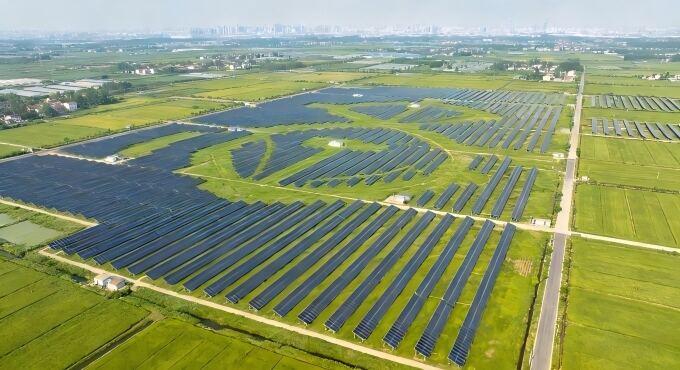
The remarkable versatility and integration flexibility of 3 phase electric converter systems make them ideal solutions for diverse applications across industrial, commercial, and renewable energy sectors, providing adaptable power conversion capabilities that seamlessly integrate with existing electrical infrastructure while accommodating future expansion requirements. These sophisticated converters excel in industrial manufacturing environments where they power variable frequency drives for motor control, enabling precise speed regulation for production equipment, conveyor systems, pumps, and fans while reducing energy consumption through optimized motor operation. The flexible input and output configurations available in modern 3 phase electric converter designs accommodate various voltage levels and frequency requirements, making them suitable for international applications where different electrical standards exist, while providing the adaptability needed for equipment upgrades and system modifications. Data center applications benefit significantly from the reliable power conversion capabilities of these converters, which provide clean, stable power for critical computing infrastructure while offering redundancy features that ensure continuous operation during maintenance or component failures. Renewable energy installations utilize 3 phase electric converters to integrate solar photovoltaic arrays and wind turbines into existing electrical grids, converting variable DC power from solar panels or variable AC power from wind generators into grid-compatible three-phase power that meets utility interconnection standards. The modular architecture of contemporary converter systems enables customized configurations that match specific application requirements, whether prioritizing maximum efficiency, minimal footprint, enhanced reliability, or specialized control features needed for unique industrial processes. Building automation systems integrate seamlessly with modern 3 phase electric converters through standard communication protocols, enabling centralized monitoring and control of power conversion equipment while providing valuable performance data for energy management and optimization strategies. Marine and offshore applications benefit from the robust construction and environmental protection features of specialized 3 phase electric converters designed to withstand harsh conditions while providing reliable power conversion for propulsion systems, drilling equipment, and life support systems. The scalability of these converter systems allows facility managers to implement phased installation approaches, starting with essential power conversion needs and expanding capacity as operations grow, while maintaining consistency in control systems and maintenance procedures across the entire installation. Advanced protection features built into modern converters provide fault isolation and system protection capabilities that prevent localized electrical problems from affecting entire facilities, while enabling rapid restoration of power following transient events or equipment failures. Integration with energy storage systems enables 3 phase electric converters to provide grid stabilization services, load leveling, and backup power capabilities that enhance overall electrical system reliability while providing additional revenue opportunities through grid services participation.
Get a Free Quote

Our representative will contact you soon.
Email
Mobile/WhatsApp
Name
Company Name
Message
0/1000