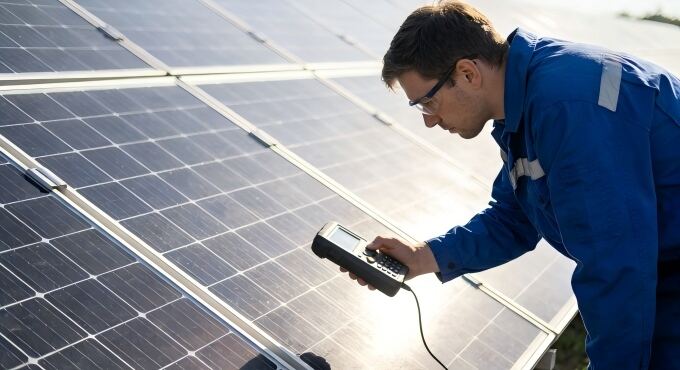
1ph to 3ph converter
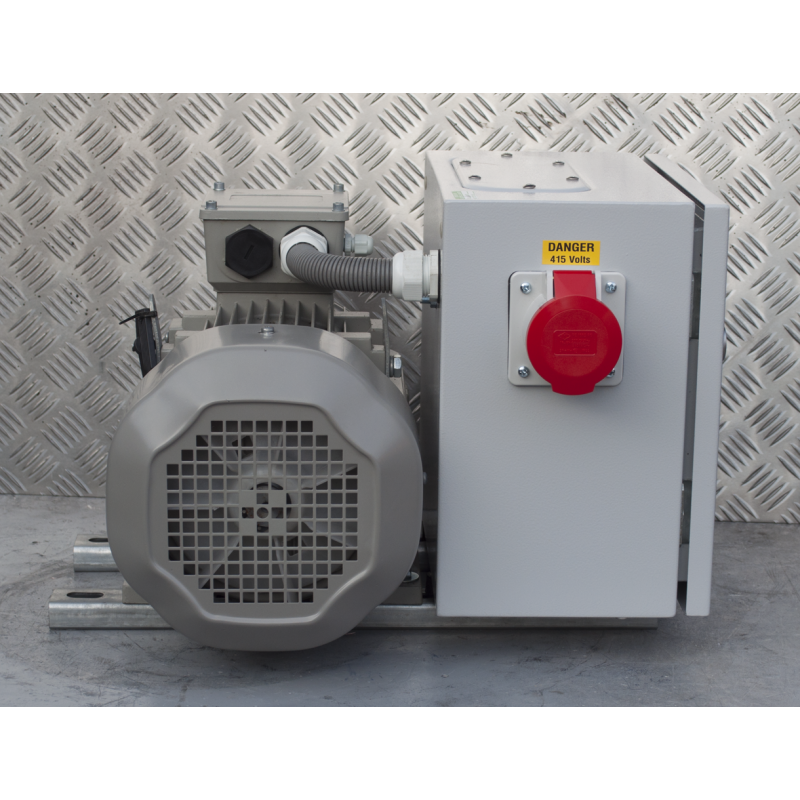
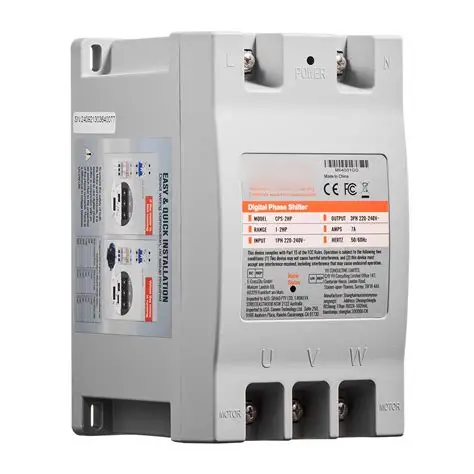
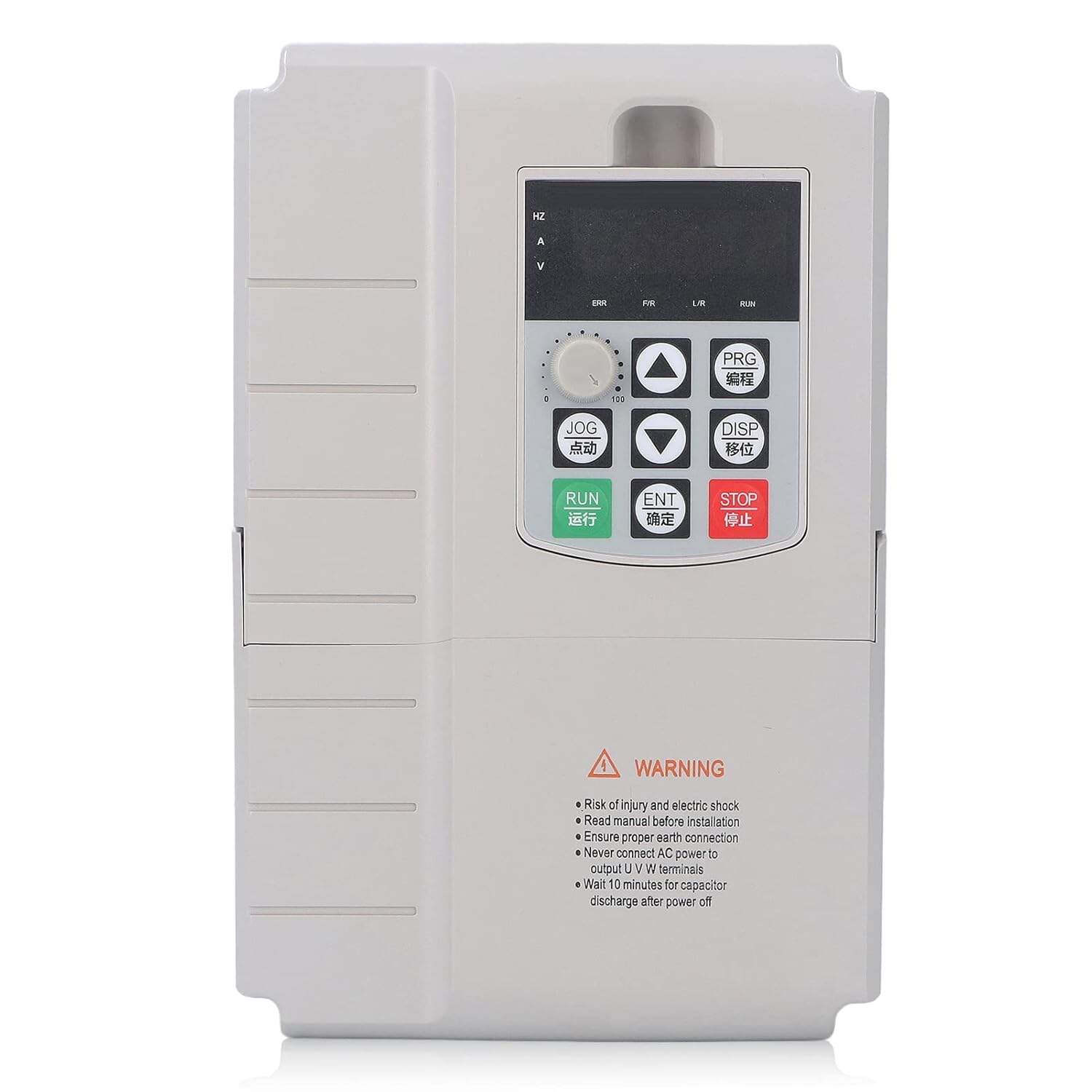
A 1ph to 3ph converter represents a crucial electrical device that transforms single-phase power input into three-phase power output, addressing the common challenge faced by industrial and commercial operations. This innovative power conversion solution enables facilities with limited single-phase electrical infrastructure to operate three-phase equipment efficiently and cost-effectively. The 1ph to 3ph converter utilizes advanced electronic components and sophisticated control algorithms to generate balanced three-phase output from standard single-phase supply. Modern converters incorporate variable frequency drive technology, pulse width modulation, and intelligent motor control systems to deliver reliable performance across diverse applications. These devices typically feature robust construction with heat dissipation systems, protective circuits, and user-friendly interfaces for optimal operation. The conversion process involves rectifying the incoming single-phase AC power, storing energy in DC capacitors, and then inverting it back to three-phase AC output through advanced switching techniques. Key technological features include automatic voltage regulation, frequency control, soft-start capabilities, and comprehensive protection against overcurrent, overvoltage, and thermal overload conditions. Applications span numerous industries including manufacturing facilities, agricultural operations, woodworking shops, metal fabrication plants, and commercial kitchens where three-phase motors are essential but three-phase power supply is unavailable. The 1ph to 3ph converter proves particularly valuable in remote locations, older buildings, and renovation projects where installing new three-phase infrastructure would be prohibitively expensive. These converters support various motor types including induction motors, compressors, pumps, and specialized industrial equipment, making them versatile solutions for diverse operational requirements. Installation flexibility allows for wall-mounting or panel integration, while digital displays provide real-time monitoring of operational parameters, ensuring optimal performance and preventive maintenance scheduling.
 EN
EN