Comprehensive Grid-Tie and Hybrid Functionality
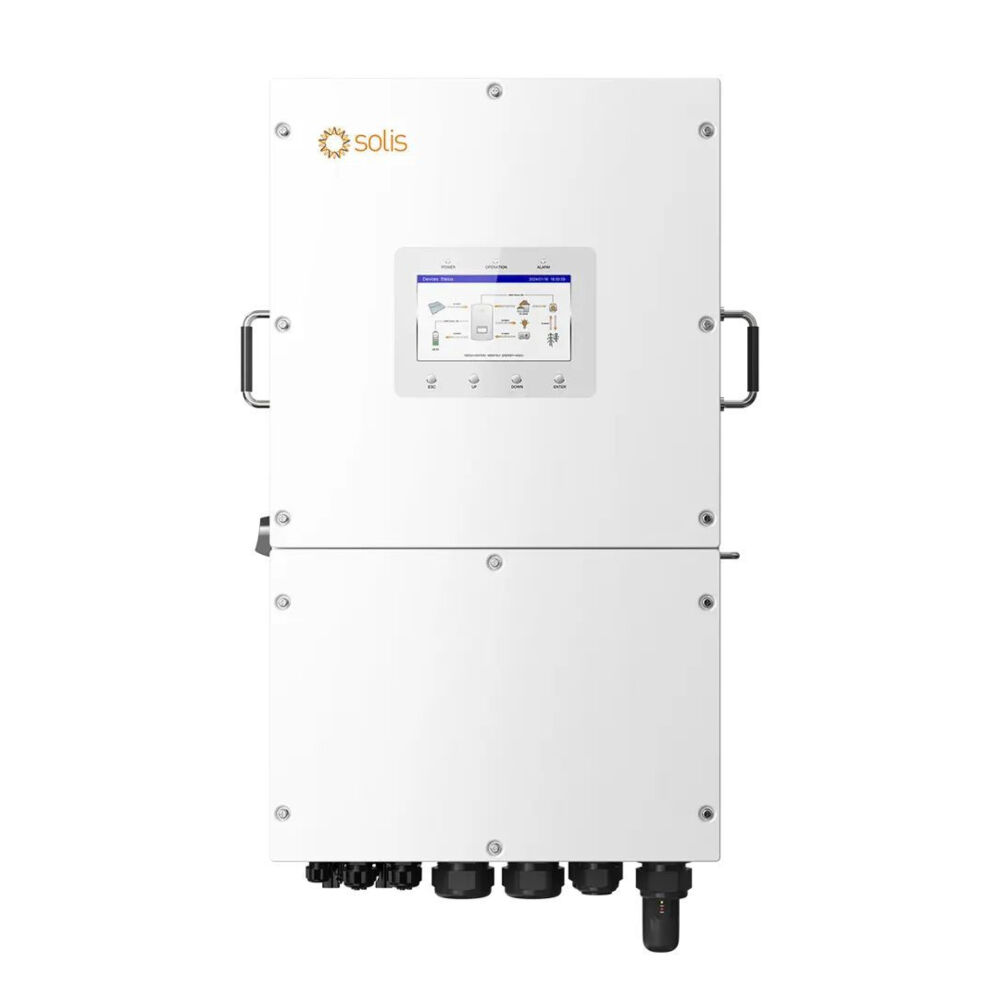
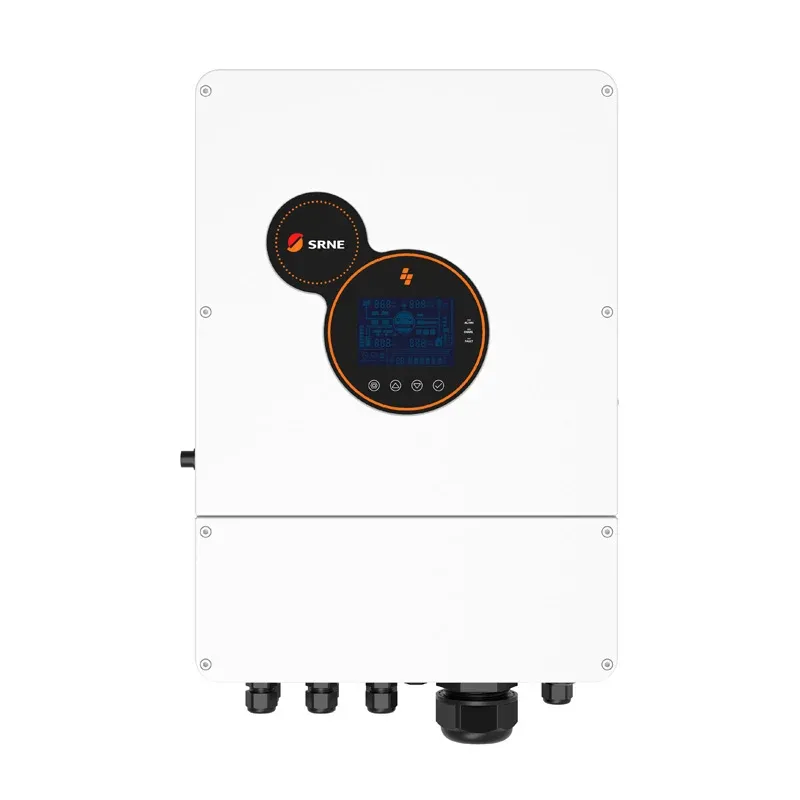
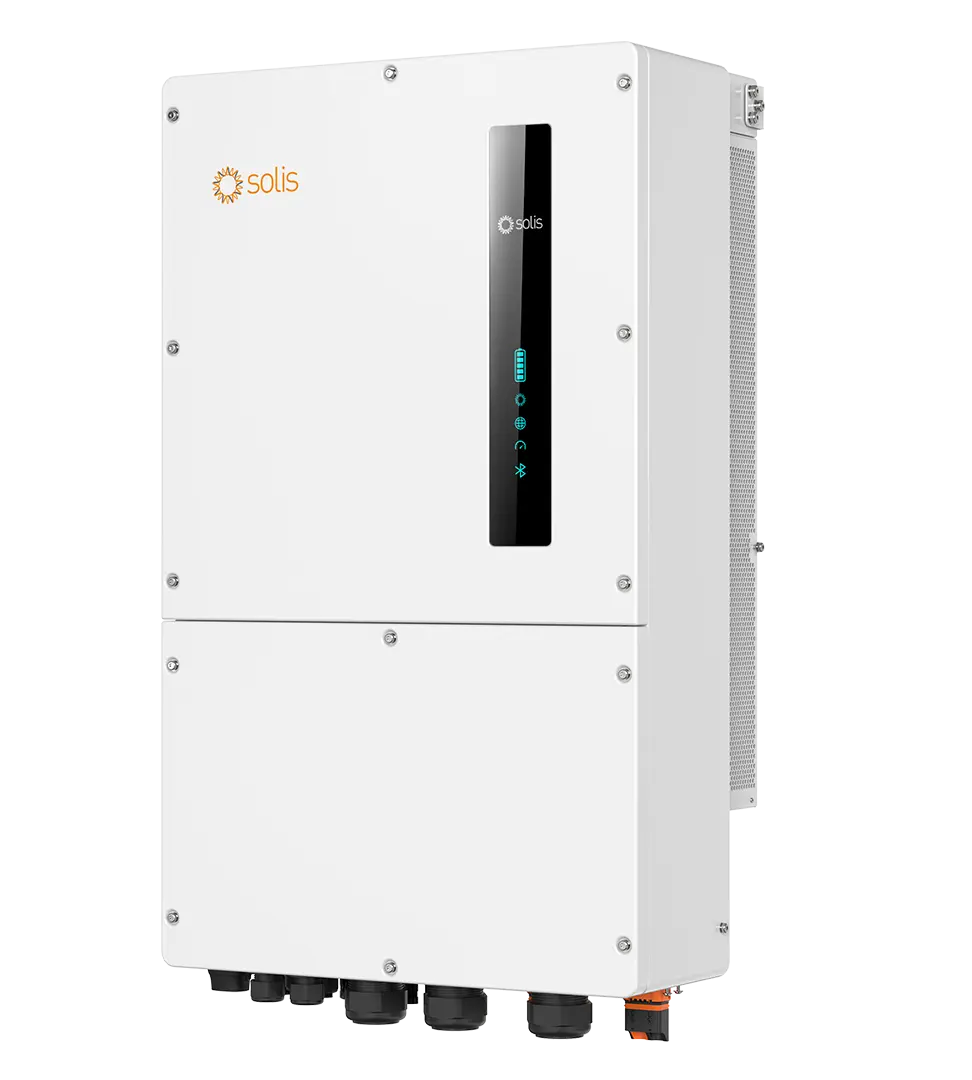
The 3kva solar inverter excels in providing versatile connectivity options through its comprehensive grid-tie and hybrid functionality, making it suitable for diverse energy management strategies and installation requirements. Grid-tie capability enables seamless integration with existing utility infrastructure, allowing your solar system to operate in parallel with the electrical grid while automatically synchronizing voltage, frequency, and phase to meet stringent utility interconnection standards. This functionality supports net metering arrangements where excess solar energy production flows back to the grid, earning credits that offset electricity consumption during periods when solar generation is insufficient. The 3kva solar inverter includes anti-islanding protection that immediately disconnects from the grid during power outages, ensuring utility worker safety during maintenance operations while preventing dangerous back-feeding situations. Hybrid functionality extends the inverter's capabilities by incorporating battery storage integration, enabling energy independence and backup power during grid outages. The intelligent energy management system prioritizes solar energy utilization for immediate household consumption, stores surplus energy in connected battery banks, and only draws from the grid when both solar production and stored energy are insufficient to meet demand. Load balancing features automatically distribute power between critical and non-critical circuits during backup operation, maximizing battery runtime and ensuring essential appliances remain operational during extended outages. The 3kva solar inverter supports various battery technologies including lithium-ion, lead-acid, and emerging storage solutions, providing flexibility for different budget requirements and performance expectations. Time-of-use optimization allows the system to charge batteries during off-peak electricity rates and discharge stored energy during peak rate periods, maximizing economic benefits in areas with variable utility pricing structures. Remote monitoring and control capabilities enable users to adjust hybrid operation modes, monitor battery health, and optimize energy management strategies based on seasonal usage patterns and changing household energy needs.
 EN
EN