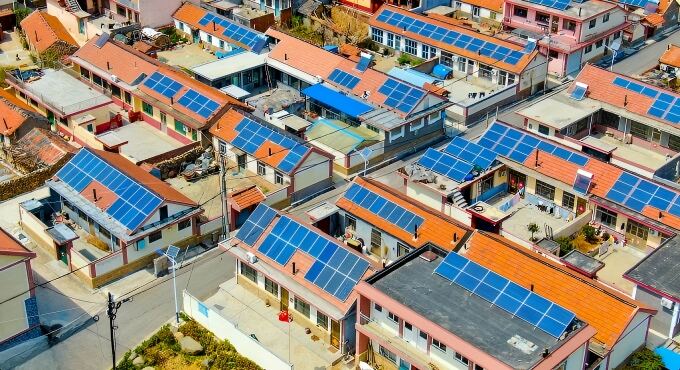
Advanced Energy Storage Inverter Solutions - Efficient Power Conversion & Grid Integration

Get a Free Quote

Our representative will contact you soon.
Email
Mobile/WhatsApp
Name
Company Name
Message
0/1000

energy storage inverter

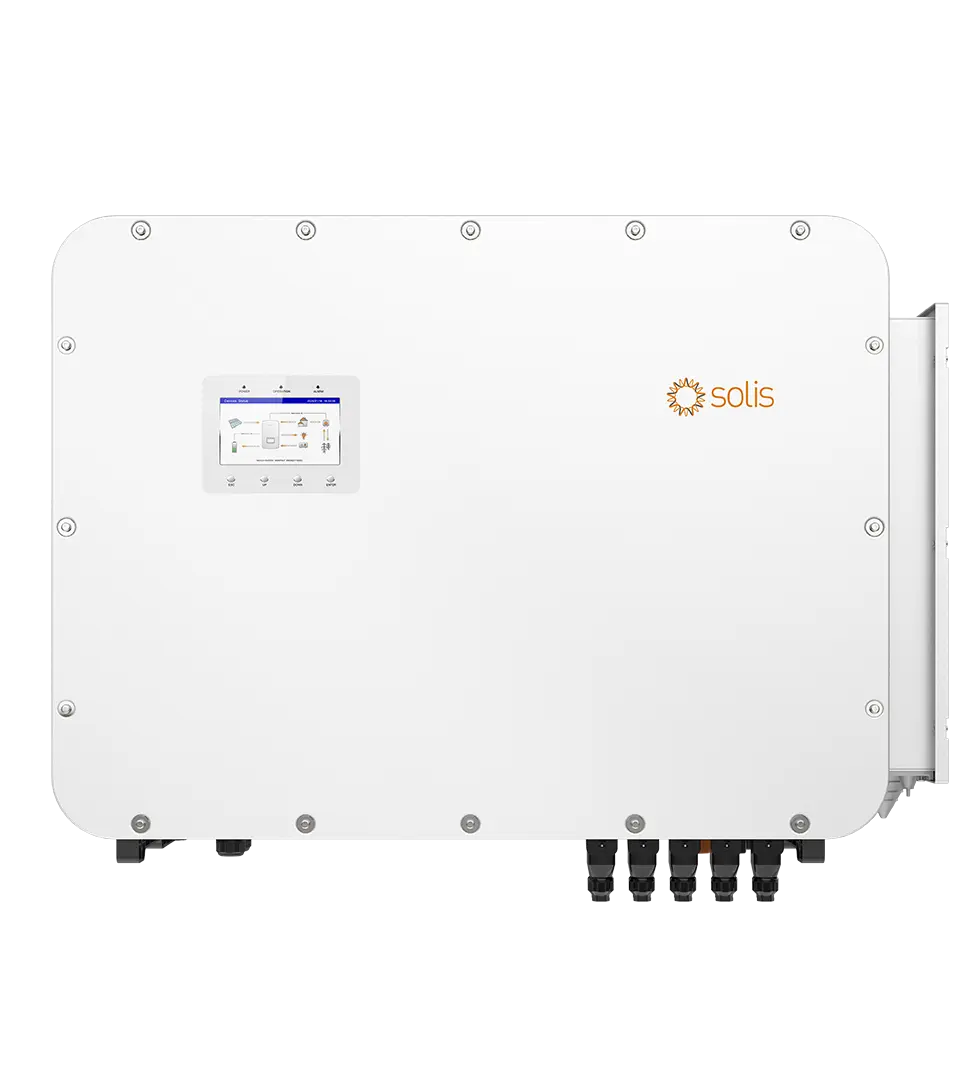
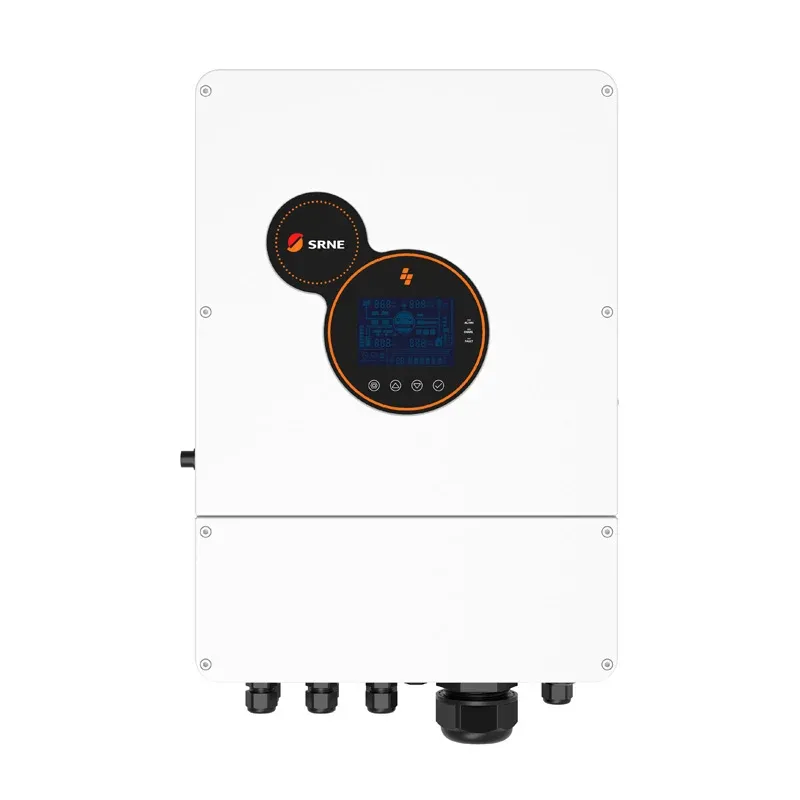
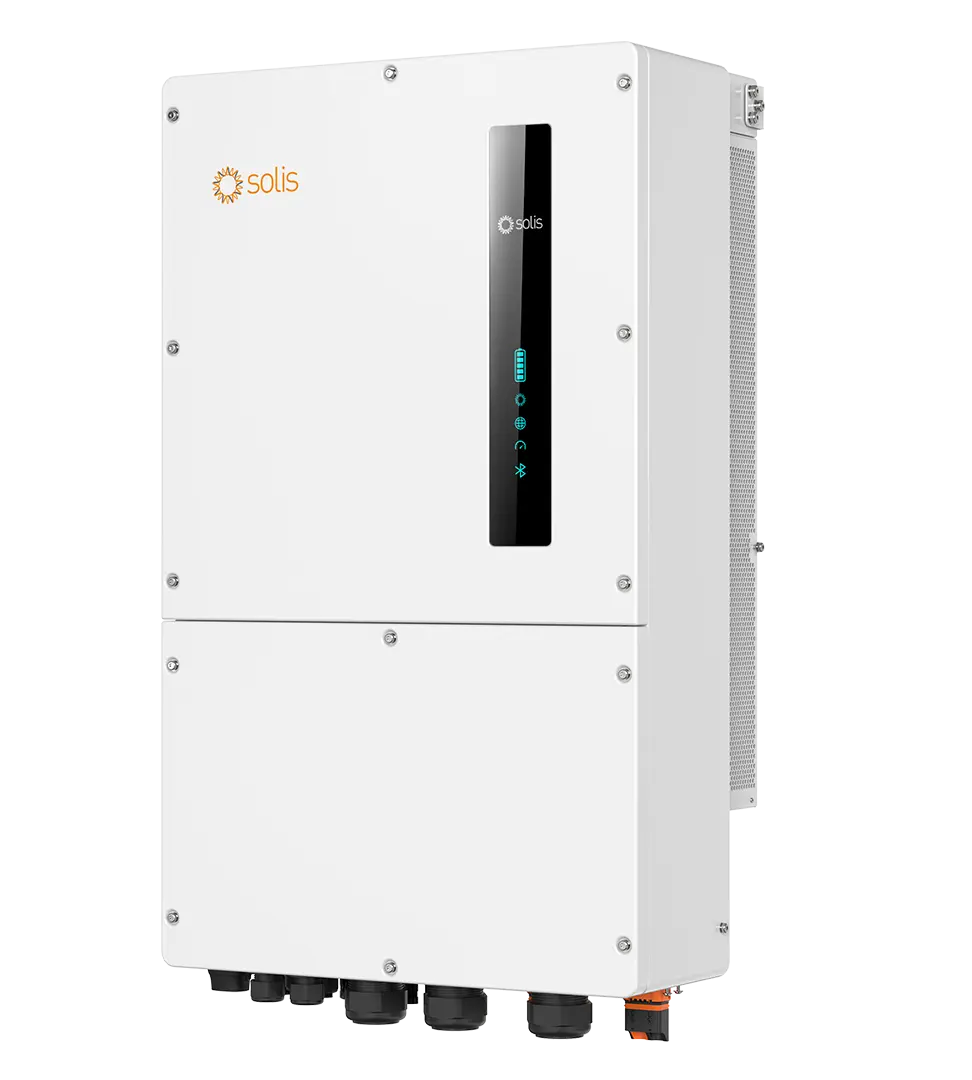
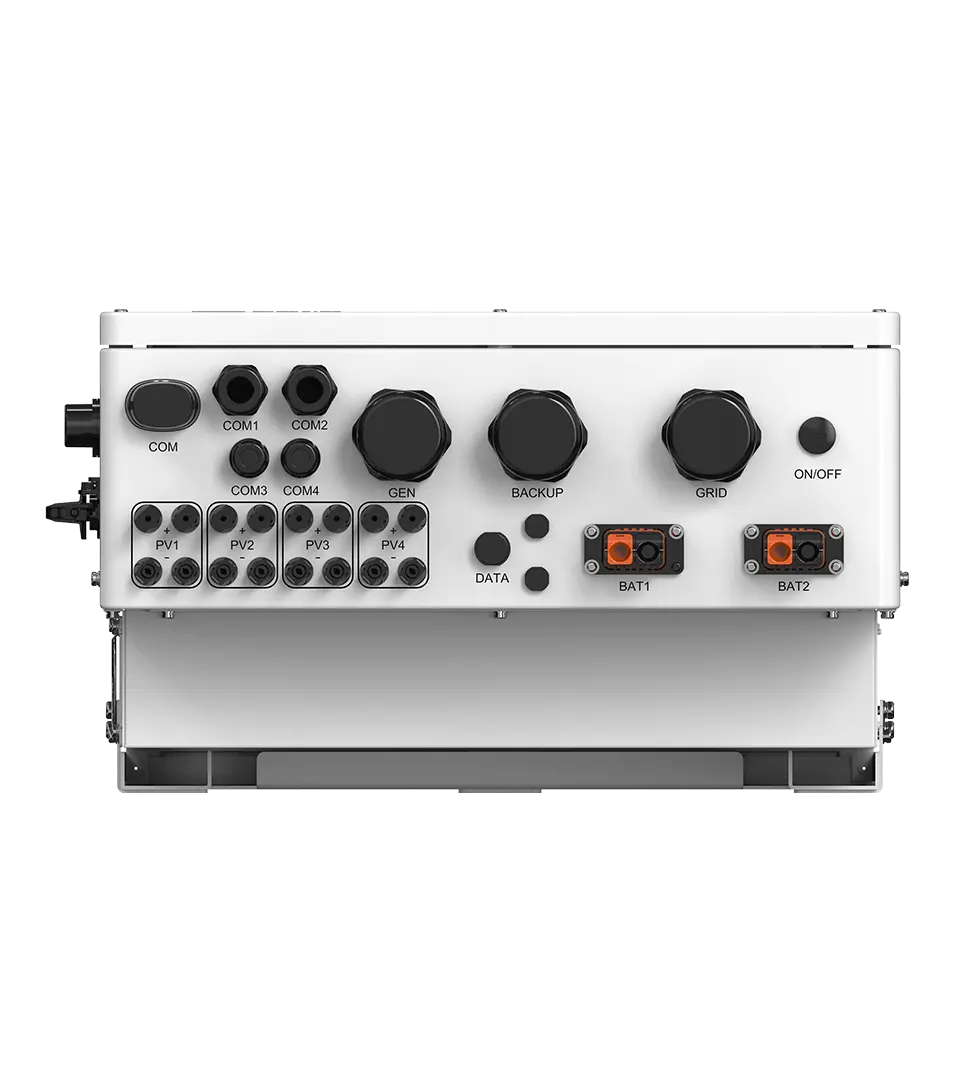
An energy storage inverter serves as a critical component in modern power management systems, converting stored direct current (DC) electricity into alternating current (AC) electricity for residential, commercial, and industrial applications. This sophisticated device acts as the bridge between battery storage systems and electrical loads, ensuring seamless power delivery when grid electricity becomes unavailable or expensive. The energy storage inverter incorporates advanced power electronics and intelligent control algorithms to optimize energy conversion efficiency while maintaining stable voltage and frequency output. Its primary functions include DC to AC conversion, battery charging management, grid synchronization, and power quality regulation. The device monitors battery state of charge, manages charging cycles, and protects against overcharging or deep discharge conditions that could damage expensive battery systems. Modern energy storage inverters feature bidirectional capabilities, allowing them to charge batteries from grid power during off-peak hours and discharge stored energy during peak demand periods. They integrate seamlessly with solar photovoltaic systems, wind turbines, and other renewable energy sources to create comprehensive energy management solutions. The technological features of contemporary energy storage inverters include maximum power point tracking, anti-islanding protection, remote monitoring capabilities, and automatic transfer switching. These devices utilize high-frequency switching technology to achieve conversion efficiencies exceeding 95 percent, minimizing energy losses during the conversion process. Advanced models incorporate artificial intelligence and machine learning algorithms to predict energy consumption patterns and optimize storage and discharge cycles accordingly. The applications for energy storage inverters span across residential backup power systems, commercial load shifting applications, industrial uninterruptible power supplies, and utility-scale grid stabilization projects, making them essential components in the transition toward sustainable energy infrastructure.
New Product Recommendations

Energy storage inverters deliver substantial cost savings by enabling users to store electricity during low-rate periods and utilize stored power when electricity prices peak. This load shifting capability can reduce energy bills by 30-50 percent in regions with time-of-use pricing structures. The devices provide reliable backup power during outages, ensuring continuous operation of critical equipment and appliances without interruption. Unlike traditional backup generators, energy storage inverters operate silently and produce zero emissions, making them ideal for residential and commercial environments where noise and air quality matter. These systems require minimal maintenance compared to fuel-powered alternatives, eliminating the need for regular fuel purchases, oil changes, and engine servicing. The instant startup capability of energy storage inverters provides immediate power restoration within milliseconds of detecting an outage, protecting sensitive electronic equipment from power disruptions that could cause data loss or equipment damage. Users gain energy independence by reducing reliance on grid electricity and protecting themselves from rising utility rates and power quality issues. The modular design of modern energy storage inverters allows for easy system expansion as energy needs grow, providing scalability that traditional backup systems cannot match. Environmental benefits include reduced carbon footprint through efficient energy conversion and support for renewable energy integration, helping users contribute to sustainability goals while lowering operating costs. The intelligent monitoring and control features enable remote system management through smartphone apps and web portals, allowing users to track energy consumption, battery status, and system performance from anywhere. Advanced safety features protect both the equipment and users through comprehensive fault detection, ground fault protection, and automatic shutdown capabilities during abnormal operating conditions. The long lifespan of quality energy storage inverters, typically 15-20 years, provides excellent return on investment compared to frequent replacement of conventional backup power solutions. These devices integrate seamlessly with smart home systems and building management platforms, enabling automated energy optimization based on occupancy patterns, weather forecasts, and electricity pricing signals.

Tips And Tricks

Solar Product Tech Advances In 2025

20

Jan

Solar Product Tech Advances In 2025

View More
2025 Global Solar Market Demand (Emerging Markets)

20

Jan

2025 Global Solar Market Demand (Emerging Markets)

View More
Solar Products & Rural Electrification 2025

20

Jan

Solar Products & Rural Electrification 2025

View More

Get a Free Quote

Our representative will contact you soon.
Email
Mobile/WhatsApp
Name
Company Name
Message
0/1000

energy storage inverter

Maximum Efficiency and Intelligent Power Management

Maximum Efficiency and Intelligent Power Management

The energy storage inverter achieves unprecedented efficiency levels through cutting-edge power conversion technology and sophisticated control algorithms that maximize energy utilization while minimizing waste. Advanced switching circuits operate at high frequencies to reduce conversion losses, typically achieving efficiency ratings above 95 percent across wide load ranges. This exceptional efficiency translates directly into cost savings, as less energy is lost during the conversion process from stored DC power to usable AC electricity. The intelligent power management system continuously monitors electrical loads and automatically adjusts output to match demand precisely, preventing energy waste from oversized systems running at partial loads. Smart algorithms analyze historical usage patterns and weather forecasts to optimize charging and discharging cycles, ensuring maximum availability of stored energy when needed most. The system learns from user behavior and automatically pre-conditions itself for anticipated high-demand periods, such as evening peak hours or during scheduled outages. Temperature compensation features adjust charging parameters based on ambient conditions, extending battery life and maintaining optimal performance across varying environmental conditions. Load prioritization capabilities allow users to designate critical circuits that receive power first during outages, ensuring essential systems remain operational even with limited stored energy. The inverter's built-in energy management system interfaces with utility signals to participate in demand response programs, automatically reducing consumption during peak demand periods to earn credits and reduce electricity costs. Real-time power quality monitoring ensures clean, stable electricity output that meets or exceeds utility grid standards, protecting sensitive electronic equipment from voltage fluctuations and harmonic distortion. Advanced forecasting algorithms predict energy needs based on multiple variables including weather patterns, occupancy schedules, and seasonal variations, enabling proactive energy storage management that maximizes system value and reliability.
Seamless Grid Integration and Enhanced Reliability

Seamless Grid Integration and Enhanced Reliability

The energy storage inverter provides unmatched grid integration capabilities through advanced synchronization technology and anti-islanding protection that ensures safe, reliable operation in all grid conditions. Sophisticated phase-locked loop circuits maintain perfect synchronization with utility frequency and voltage, enabling smooth transitions between grid-tied and backup power modes without disrupting connected loads. The automatic transfer switch functionality detects power outages within milliseconds and seamlessly switches to stored battery power, providing uninterrupted electricity supply for critical applications. When grid power returns, the system automatically synchronizes and transfers back to utility power while beginning battery recharge cycles, all without user intervention. Grid-support capabilities allow the energy storage inverter to provide ancillary services including voltage regulation, frequency stabilization, and reactive power support, potentially generating additional revenue streams for commercial users. The device meets all utility interconnection standards and safety requirements, including IEEE 1547 and UL 1741 certifications, ensuring compatibility with existing electrical infrastructure. Advanced communication protocols enable integration with smart grid systems and utility demand response programs, allowing users to participate in grid stabilization efforts while earning financial incentives. Multiple backup power modes accommodate different user needs, from whole-house backup during extended outages to selective load management during brief interruptions. The system's black start capability enables complete grid restoration after widespread outages, making it valuable for utility companies and industrial facilities. Comprehensive fault protection includes ground fault detection, arc fault protection, and automatic disconnection during unsafe conditions, ensuring maximum safety for users and utility workers. Remote monitoring and control capabilities allow utility companies and system operators to monitor performance and adjust settings remotely, enabling proactive maintenance and optimal grid integration. The robust design withstands harsh environmental conditions and electrical disturbances, providing consistent performance and long-term reliability that exceeds traditional backup power alternatives.
Future-Ready Technology and Scalable Design

Future-Ready Technology and Scalable Design

The energy storage inverter incorporates next-generation technology designed to adapt and evolve with changing energy needs and technological advances, ensuring long-term value and compatibility with future innovations. Modular architecture allows easy capacity expansion by adding additional battery banks and parallel inverter units without replacing existing equipment, providing cost-effective scalability as energy requirements grow. Built-in communication interfaces support multiple protocols including Modbus, CAN bus, and Ethernet, enabling integration with existing building management systems and future smart home technologies. Over-the-air firmware updates ensure the system remains current with latest features and safety standards throughout its operational lifetime, eliminating the need for costly hardware replacements. The open architecture design supports integration with various battery technologies including lithium-ion, lead-acid, and emerging battery chemistries, protecting users' investments as battery technology continues advancing. Artificial intelligence capabilities learn from usage patterns and environmental conditions to continuously optimize performance and predict maintenance needs before issues arise. Cloud-based monitoring and analytics provide detailed insights into energy consumption patterns, system performance trends, and optimization opportunities through user-friendly dashboards and mobile applications. The system's cybersecurity features include encrypted communications, secure authentication protocols, and regular security updates to protect against evolving cyber threats. Compatibility with renewable energy sources including solar panels, wind turbines, and micro-hydroelectric systems enables comprehensive clean energy solutions that reduce environmental impact and energy costs. Advanced diagnostics capabilities provide real-time system health monitoring and predictive maintenance alerts, minimizing downtime and extending equipment lifespan through proactive service scheduling. The inverter's design anticipates future grid modernization initiatives including vehicle-to-grid integration, peer-to-peer energy trading, and blockchain-based energy marketplaces. Standardized mounting systems and electrical connections simplify installation and future modifications, reducing installation costs and enabling rapid deployment across diverse applications and environments.

Get a Free Quote

Our representative will contact you soon.
Email
Mobile/WhatsApp
Name
Company Name
Message
0/1000