backup power inverter
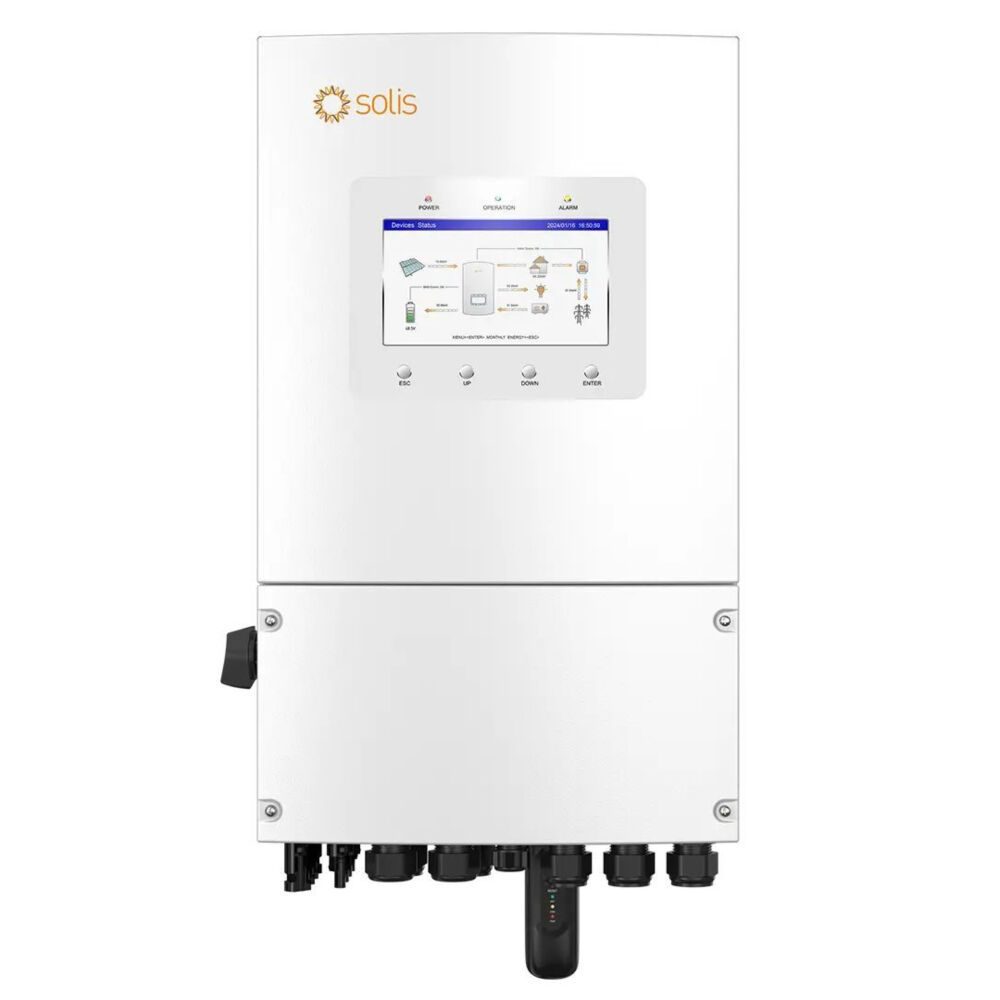
A backup power inverter represents a crucial electrical device that transforms direct current (DC) power from batteries into alternating current (AC) electricity, providing essential power supply during outages or emergencies. This sophisticated equipment serves as the backbone of uninterruptible power systems, ensuring continuous electricity flow when primary power sources fail. Modern backup power inverters incorporate advanced electronic circuits that efficiently convert stored battery energy into clean, stable AC power suitable for operating household appliances, office equipment, medical devices, and industrial machinery. The primary function of a backup power inverter involves seamless power conversion through pulse width modulation technology, creating smooth sine wave outputs that match standard electrical grid specifications. These devices feature automatic switching capabilities, instantly detecting power interruptions and activating battery-powered operations within milliseconds. Contemporary backup power inverters integrate sophisticated monitoring systems that track battery voltage, current draw, temperature levels, and overall system performance. Smart technology enables remote monitoring through mobile applications, allowing users to receive real-time status updates and maintenance alerts. The technological framework includes overload protection, short circuit safeguards, thermal management systems, and voltage regulation mechanisms. Pure sine wave technology ensures compatibility with sensitive electronics, preventing potential damage to computers, televisions, refrigerators, and other delicate equipment. Applications span residential, commercial, and industrial sectors, supporting critical operations in hospitals, data centers, telecommunications facilities, security systems, and manufacturing plants. Home installations protect essential appliances during storms, blackouts, or grid maintenance periods. Commercial establishments utilize backup power inverters to maintain business continuity, protecting revenue streams and customer satisfaction. The versatility of these systems accommodates various power requirements, from small residential units supporting basic lighting and communication devices to large-scale industrial installations powering entire facilities during extended outages.
 EN
EN