Professional Inverter Device Solutions: High-Efficiency DC to AC Power Conversion Systems

Get a Free Quote

Our representative will contact you soon.
Email
Mobile/WhatsApp
Name
Company Name
Message
0/1000

inverter device

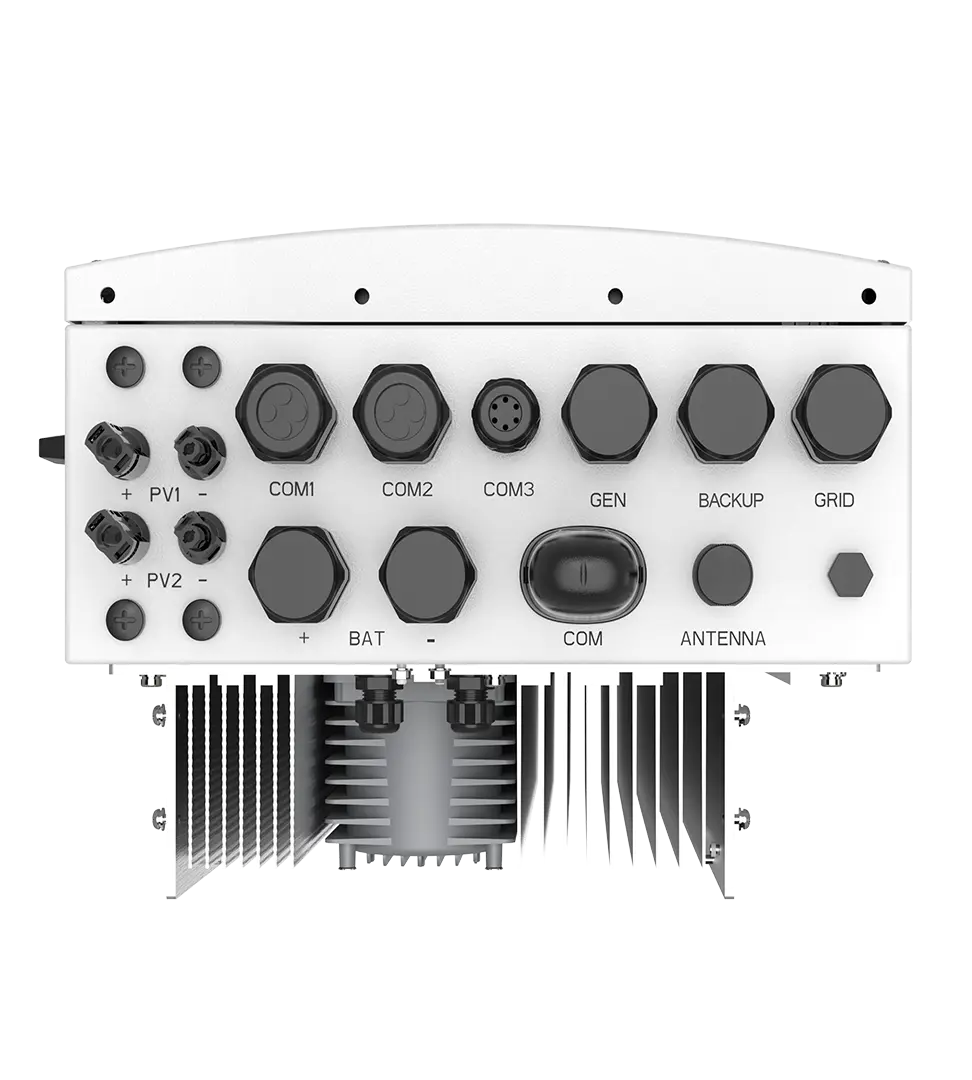
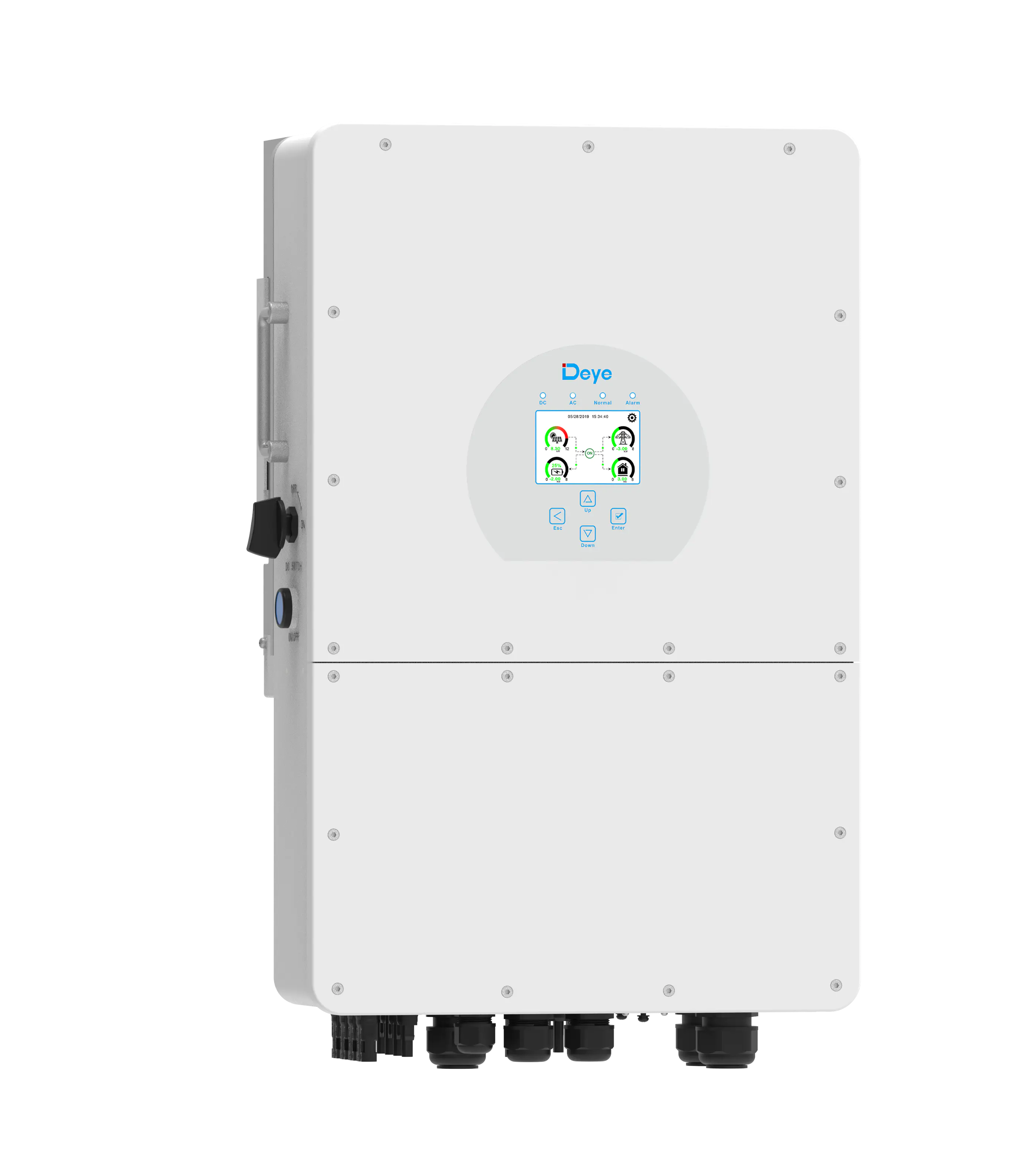
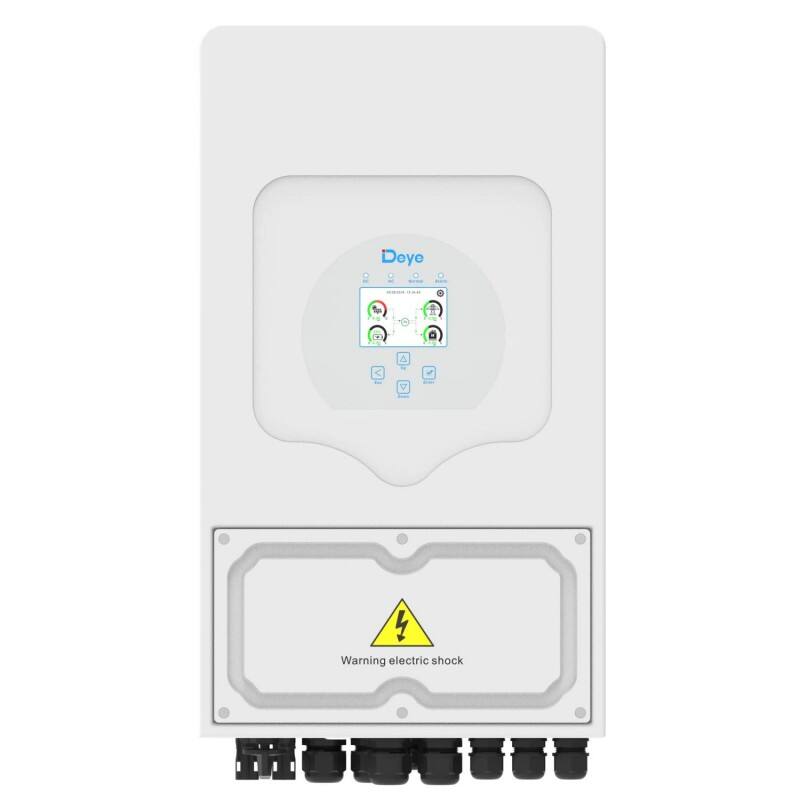
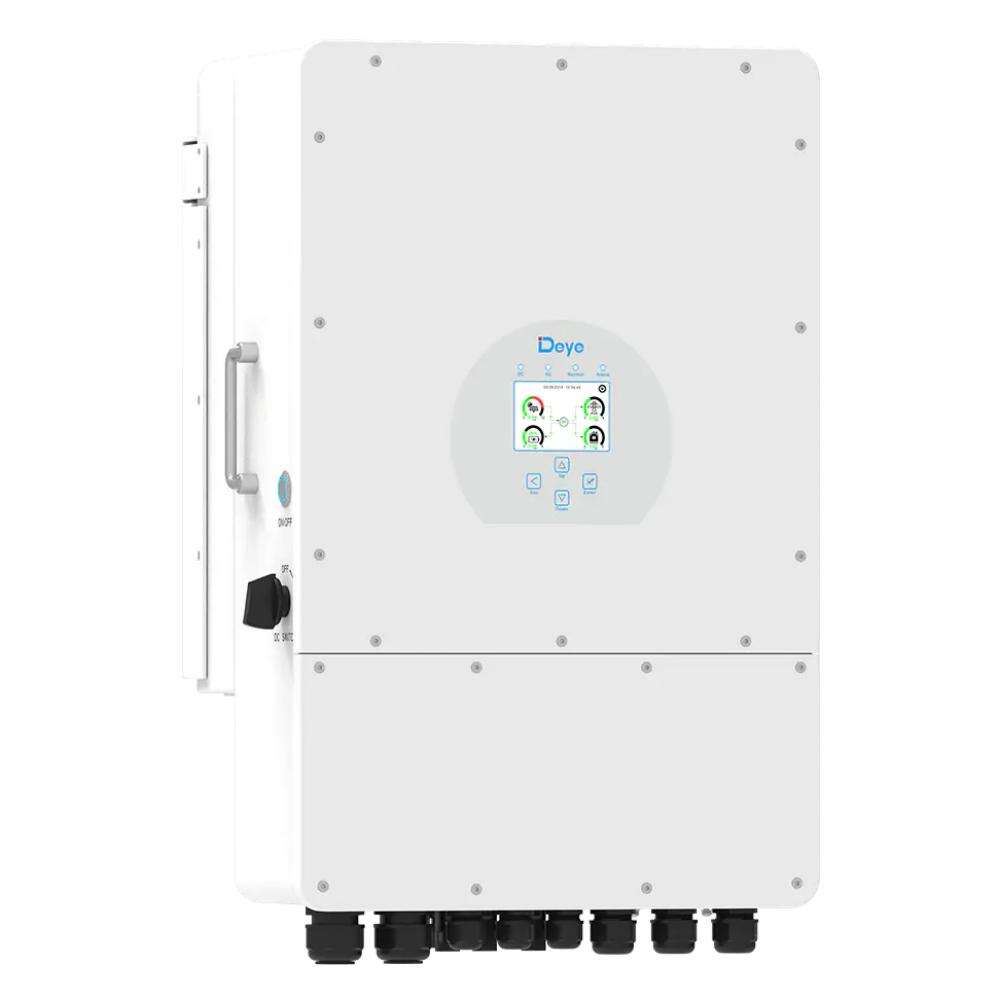
An inverter device represents a fundamental piece of electrical equipment that converts direct current (DC) into alternating current (AC), making it an essential component in modern electrical systems. This sophisticated electronic device operates through advanced switching technology, utilizing transistors, diodes, and control circuits to transform the steady flow of DC power into the oscillating AC power required by most household and commercial appliances. The inverter device functions by rapidly switching the DC input on and off, creating a waveform that mimics standard AC power output. Modern inverter devices incorporate pulse-width modulation (PWM) technology, which ensures clean, stable power conversion with minimal harmonic distortion. These units typically feature multiple protection mechanisms, including overvoltage protection, undervoltage cutoff, overload protection, and thermal shutdown capabilities. The core technological architecture of an inverter device includes power semiconductors, control circuits, filtering components, and output transformers that work together to deliver reliable power conversion. Most contemporary inverter devices offer pure sine wave output, which closely replicates utility grid power and ensures compatibility with sensitive electronic equipment. The device's control system continuously monitors input and output parameters, adjusting switching patterns to maintain optimal performance under varying load conditions. Advanced inverter devices integrate smart features such as remote monitoring capabilities, programmable settings, and communication interfaces that allow integration with energy management systems. The efficiency ratings of modern inverter devices typically exceed 90 percent, minimizing energy losses during the conversion process. These units support various input voltage ranges and can accommodate different battery types, including lithium-ion, lead-acid, and gel batteries, providing flexibility for diverse applications across residential, commercial, and industrial sectors.
Popular Products

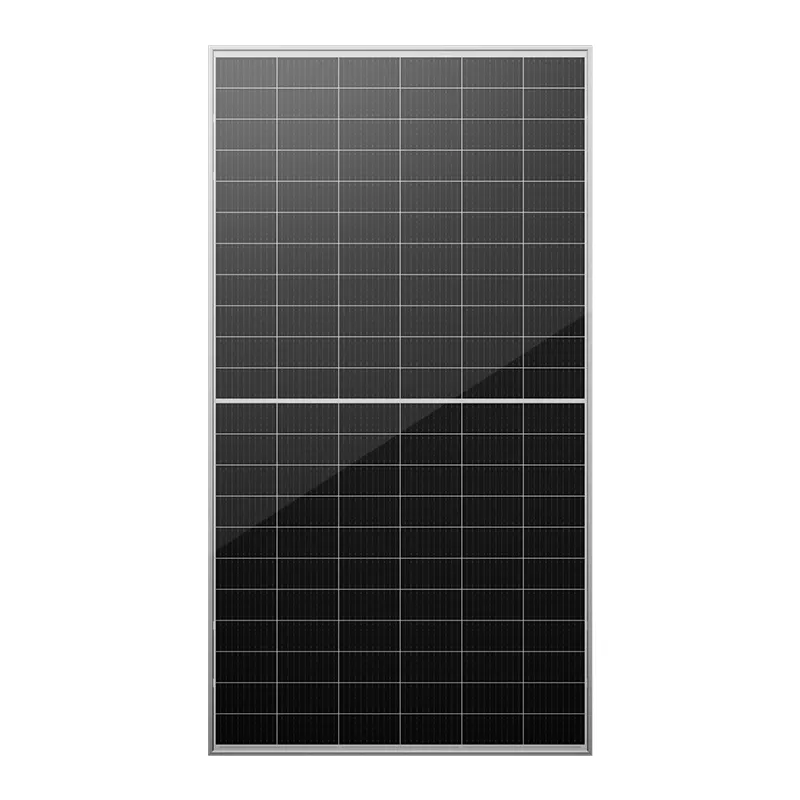
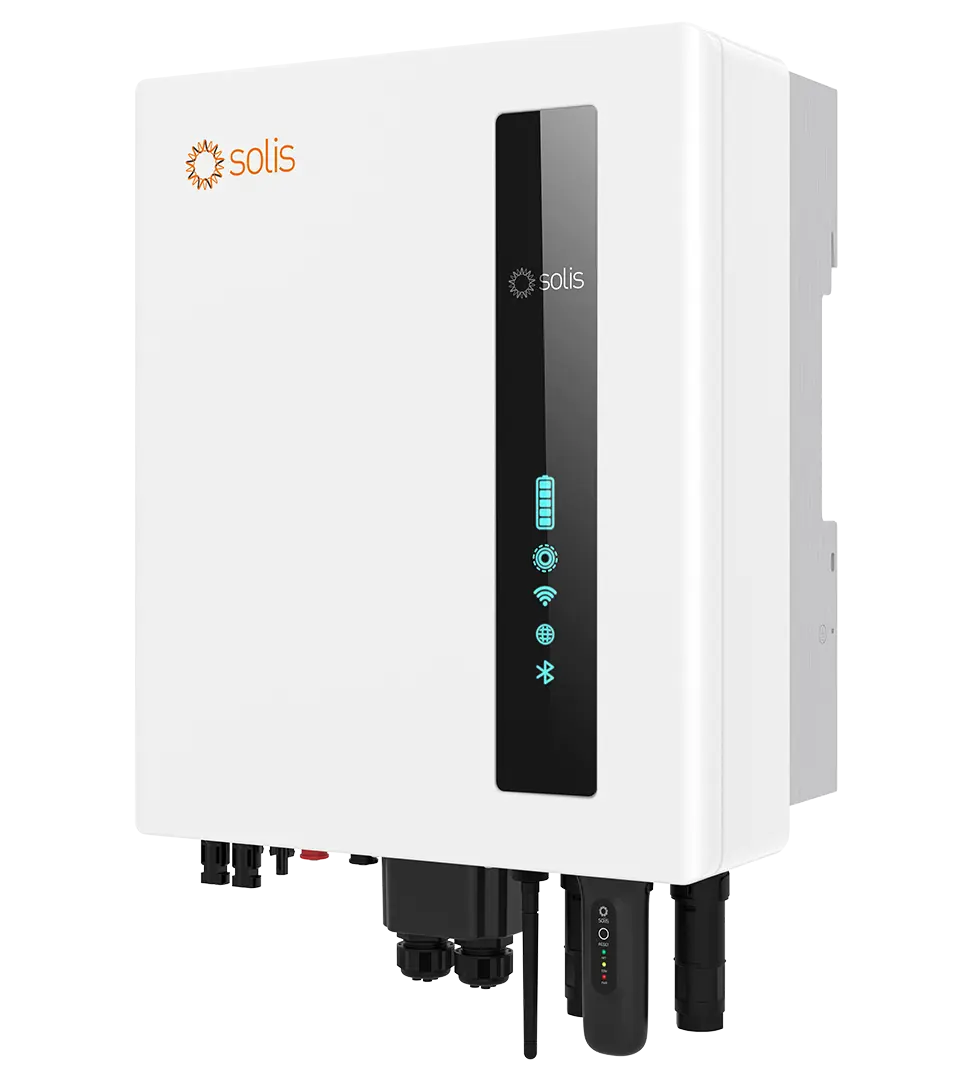
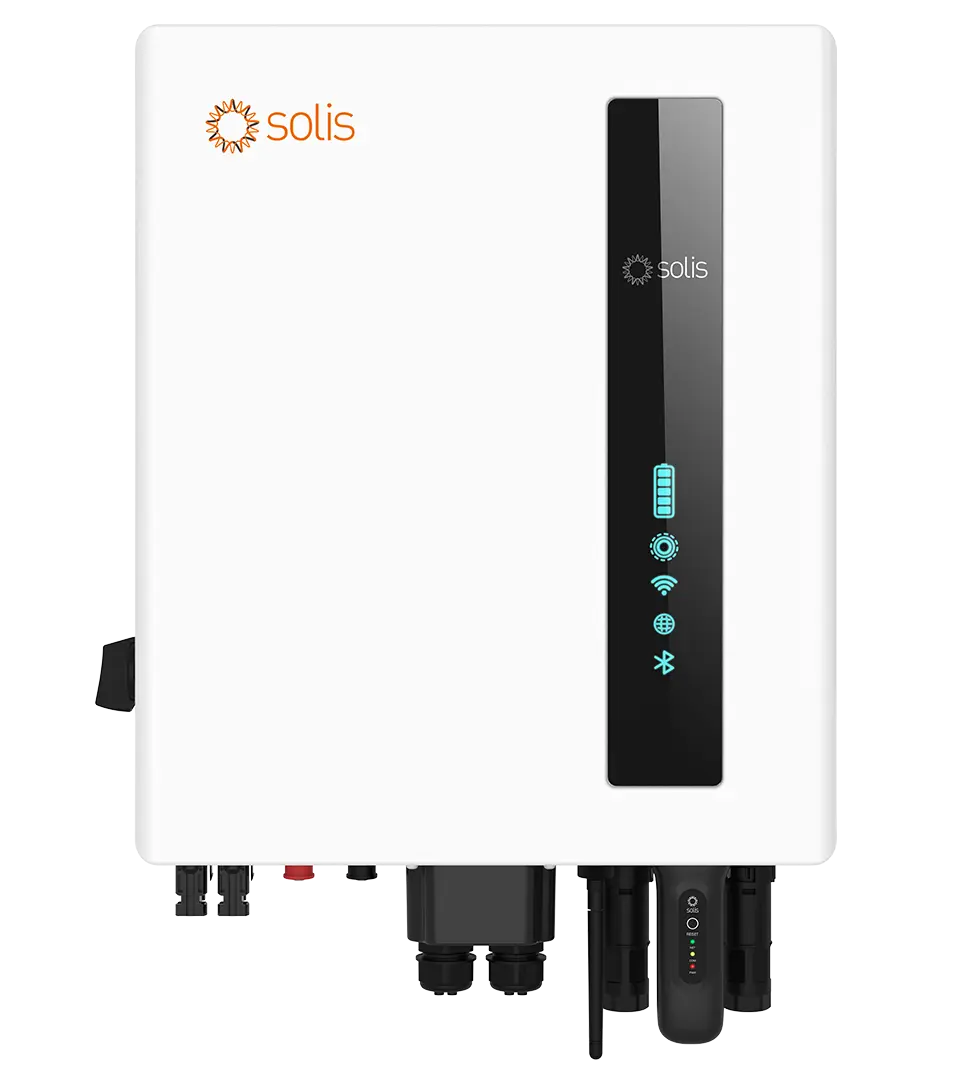
The inverter device delivers exceptional value through numerous practical advantages that directly impact users' daily operations and long-term savings. Energy efficiency stands as the primary benefit, with modern inverter devices achieving conversion rates exceeding 95 percent, which translates into reduced electricity costs and extended battery life in backup power applications. Users experience significant cost savings compared to traditional power solutions, as the inverter device eliminates the need for separate generators or expensive utility grid connections in remote locations. The device provides instant power switching capabilities, ensuring seamless transitions during power outages without interrupting critical operations or causing data loss in electronic equipment. Reliability becomes a cornerstone advantage, as quality inverter devices operate continuously for years with minimal maintenance requirements, reducing operational downtime and service costs. The compact design of modern inverter devices saves valuable space compared to bulky generators or other power conversion equipment, making them ideal for residential installations, RVs, boats, and mobile applications. Noise reduction represents another significant advantage, as inverter devices operate silently unlike noisy generators, creating comfortable living and working environments. Environmental benefits include zero emissions during operation, contributing to cleaner air quality and supporting sustainable energy practices. The inverter device offers superior power quality through pure sine wave output, protecting sensitive electronics from damage and ensuring optimal performance of motors, computers, and medical equipment. Versatility allows users to power various appliances simultaneously, from small electronics to large household devices, providing comprehensive energy solutions. Safety features built into inverter devices include automatic shutdown mechanisms, surge protection, and fault detection systems that prevent equipment damage and ensure user safety. Installation simplicity means most users can set up the inverter device without professional assistance, reducing initial costs and enabling quick deployment. The device supports multiple power sources, including solar panels, batteries, and vehicle electrical systems, offering flexibility for diverse energy needs. Scalability allows users to expand their power systems by connecting multiple inverter devices, accommodating growing energy demands without complete system replacement.

Tips And Tricks

Solar Product Tech Advances In 2025

20

Jan

Solar Product Tech Advances In 2025

View More
2025 Global Solar Market Demand (Emerging Markets)

20

Jan

2025 Global Solar Market Demand (Emerging Markets)

View More
Solar Products & Rural Electrification 2025

20

Jan

Solar Products & Rural Electrification 2025

View More

Get a Free Quote

Our representative will contact you soon.
Email
Mobile/WhatsApp
Name
Company Name
Message
0/1000

inverter device

Advanced Power Conversion Technology

Advanced Power Conversion Technology

The inverter device employs cutting-edge power conversion technology that sets new standards for efficiency and reliability in electrical power systems. At its core, the device utilizes sophisticated pulse-width modulation (PWM) technology combined with high-frequency switching components that deliver exceptional performance across varied operating conditions. This advanced technology ensures the inverter device produces pure sine wave output that matches or exceeds utility grid power quality, making it suitable for the most sensitive electronic equipment including medical devices, precision instruments, and high-end audio systems. The technological sophistication extends to the device's intelligent control systems, which continuously monitor input parameters, load conditions, and output quality to optimize performance in real-time. Modern inverter devices incorporate advanced microprocessor control units that execute complex algorithms to maintain stable voltage and frequency output regardless of input variations or load fluctuations. The power conversion process utilizes high-efficiency MOSFET or IGBT switching components that minimize energy losses while maximizing conversion speed and accuracy. These components operate at frequencies typically ranging from 20kHz to 100kHz, enabling compact transformer designs and reducing overall device weight without compromising power output capabilities. The inverter device features sophisticated filtering systems that eliminate harmonic distortion and electromagnetic interference, ensuring clean power delivery that protects connected equipment and maintains compliance with international power quality standards. Temperature management systems within the device include intelligent cooling controls that adjust fan speeds based on load conditions and ambient temperatures, extending component lifespan while maintaining optimal operating efficiency. The advanced technology platform supports various communication protocols, enabling remote monitoring, diagnostics, and control capabilities that facilitate proactive maintenance and system optimization. Built-in protection mechanisms leverage the same advanced technology to provide comprehensive safety features including overvoltage protection, short-circuit protection, and thermal management systems that prevent damage to both the inverter device and connected equipment.
Exceptional Energy Efficiency and Cost Savings

Exceptional Energy Efficiency and Cost Savings

The inverter device delivers outstanding energy efficiency that translates directly into substantial cost savings for users across residential, commercial, and industrial applications. Modern inverter devices achieve conversion efficiencies exceeding 95 percent under optimal conditions, with many premium models maintaining over 90 percent efficiency even under partial load conditions, significantly outperforming traditional power conversion alternatives. This exceptional efficiency means that minimal energy is wasted during the DC to AC conversion process, resulting in extended battery runtime in backup power applications and reduced electricity consumption in grid-tied installations. The economic benefits compound over time, as the inverter device's high efficiency reduces operational costs while extending the lifespan of connected battery systems through optimized charging and discharging cycles. Users experience immediate savings by eliminating the need for fuel-powered generators, avoiding ongoing fuel costs, maintenance expenses, and emission-related fees associated with traditional backup power solutions. The inverter device enables significant reductions in peak demand charges for commercial users by providing stored energy during high-cost utility rate periods, effectively lowering overall electricity bills through strategic load management. Energy independence becomes achievable through the inverter device's ability to integrate seamlessly with renewable energy sources such as solar panels and wind turbines, allowing users to generate and store their own electricity while reducing dependence on utility providers. The device's intelligent power management features automatically optimize energy usage patterns, switching between utility power and stored energy based on real-time electricity rates and demand conditions. Long-term financial benefits include reduced infrastructure costs, as the inverter device eliminates the need for expensive electrical upgrades or generator installations while providing superior power quality and reliability. Maintenance cost savings result from the device's solid-state design with no moving parts except cooling fans, reducing wear and tear while minimizing service requirements compared to mechanical generators or rotary converters. The inverter device supports net metering applications, allowing users with renewable energy systems to sell excess power back to the grid, creating additional revenue streams while maximizing return on investment.
Comprehensive Safety and Protection Features

Comprehensive Safety and Protection Features

The inverter device incorporates an extensive array of safety and protection features designed to safeguard both the equipment and users while ensuring reliable operation under diverse conditions. Multiple layers of protection work together to create a comprehensive safety system that monitors every aspect of the power conversion process and responds instantly to potential hazards or abnormal operating conditions. Overvoltage protection circuits continuously monitor input voltage levels and automatically disconnect the inverter device when voltage exceeds safe operating parameters, preventing damage to internal components and connected equipment. Undervoltage protection ensures the device shuts down gracefully when input voltage drops below minimum operational thresholds, protecting battery systems from deep discharge conditions that could cause permanent damage or reduced lifespan. Short-circuit protection responds within milliseconds to detect and isolate fault conditions, preventing catastrophic failures while protecting both the inverter device and downstream electrical systems. Overload protection monitors output current levels and implements staged responses including power reduction and eventual shutdown when loads exceed the device's rated capacity, ensuring safe operation while providing clear indicators of system limitations. Thermal protection systems utilize multiple temperature sensors throughout the inverter device to monitor critical component temperatures and implement cooling strategies or protective shutdowns when thermal limits approach dangerous levels. Ground fault protection circuits detect potentially dangerous electrical leakage conditions and immediately disconnect power to prevent electrical shock hazards and equipment damage. Arc fault protection technology identifies dangerous electrical arcing conditions that could lead to fires and automatically interrupts power to eliminate the hazard. Surge protection components within the inverter device absorb and redirect voltage spikes caused by lightning strikes or utility grid disturbances, protecting sensitive electronics and maintaining system integrity. The device includes comprehensive diagnostic systems that continuously monitor operational parameters and provide detailed fault codes and status information to facilitate rapid troubleshooting and maintenance. Battery protection features include reverse polarity protection, overcharge protection, and battery equalization functions that extend battery life while preventing dangerous conditions such as thermal runaway or explosive gas accumulation.

Get a Free Quote

Our representative will contact you soon.
Email
Mobile/WhatsApp
Name
Company Name
Message
0/1000