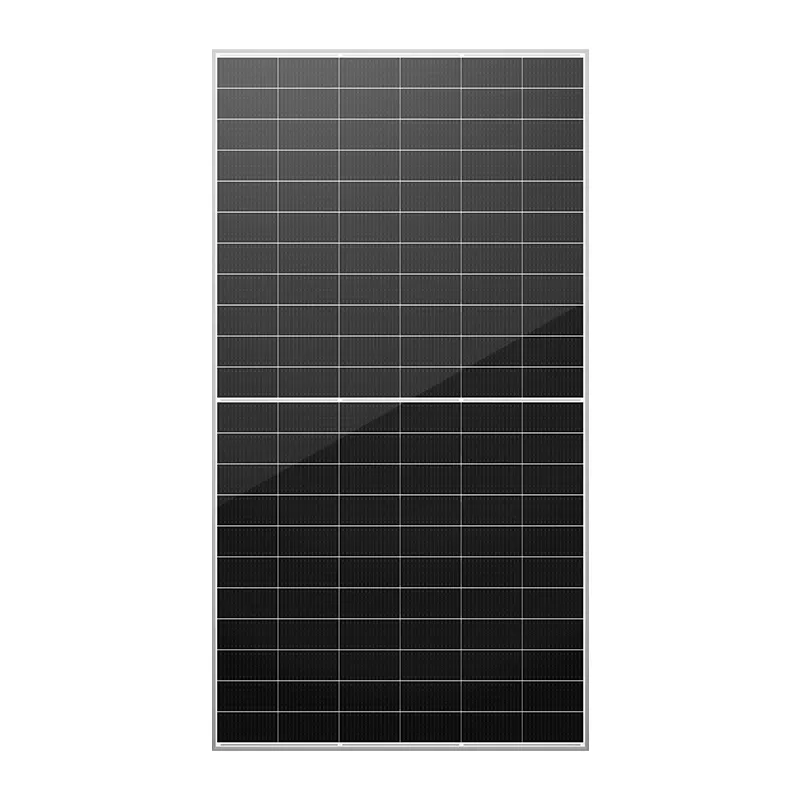
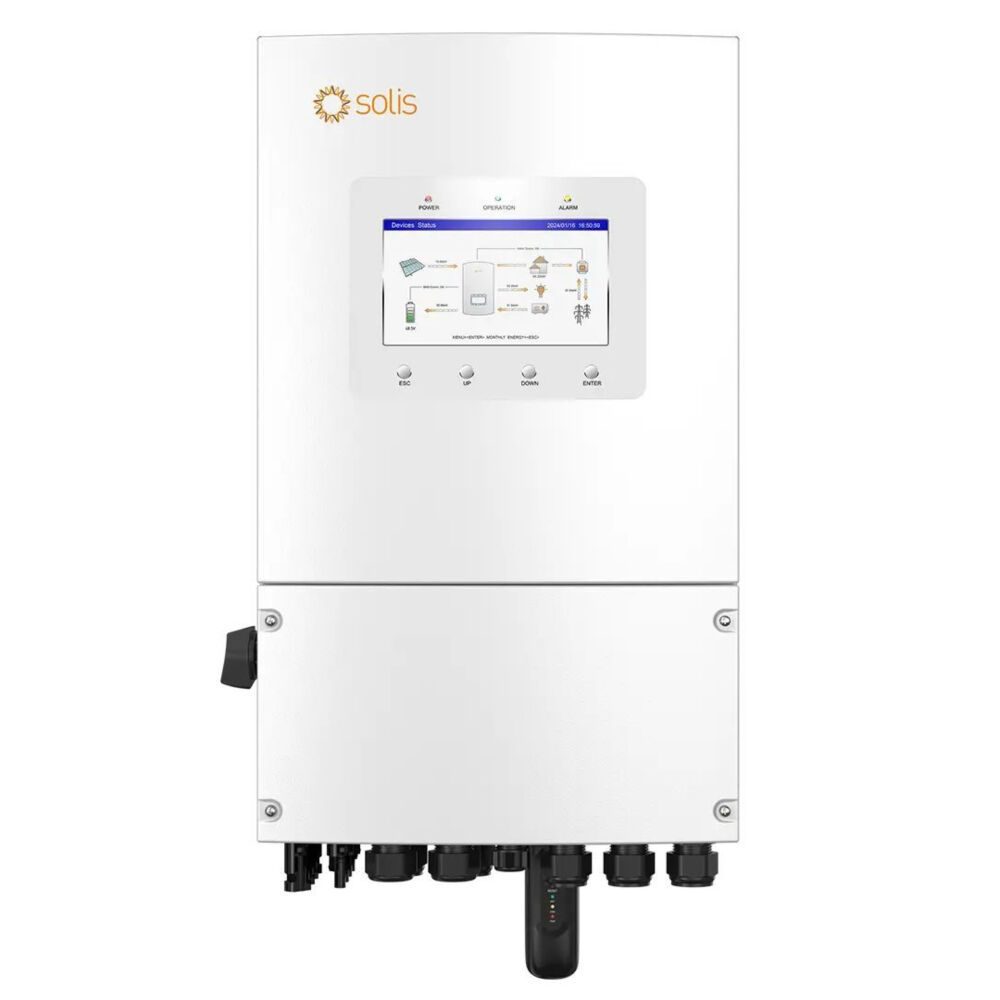
Custom Inverter Solutions - Tailored Power Conversion Systems for Specialized Applications

Get a Free Quote

Our representative will contact you soon.
Email
Mobile/WhatsApp
Name
Company Name
Message
0/1000

custom inverter

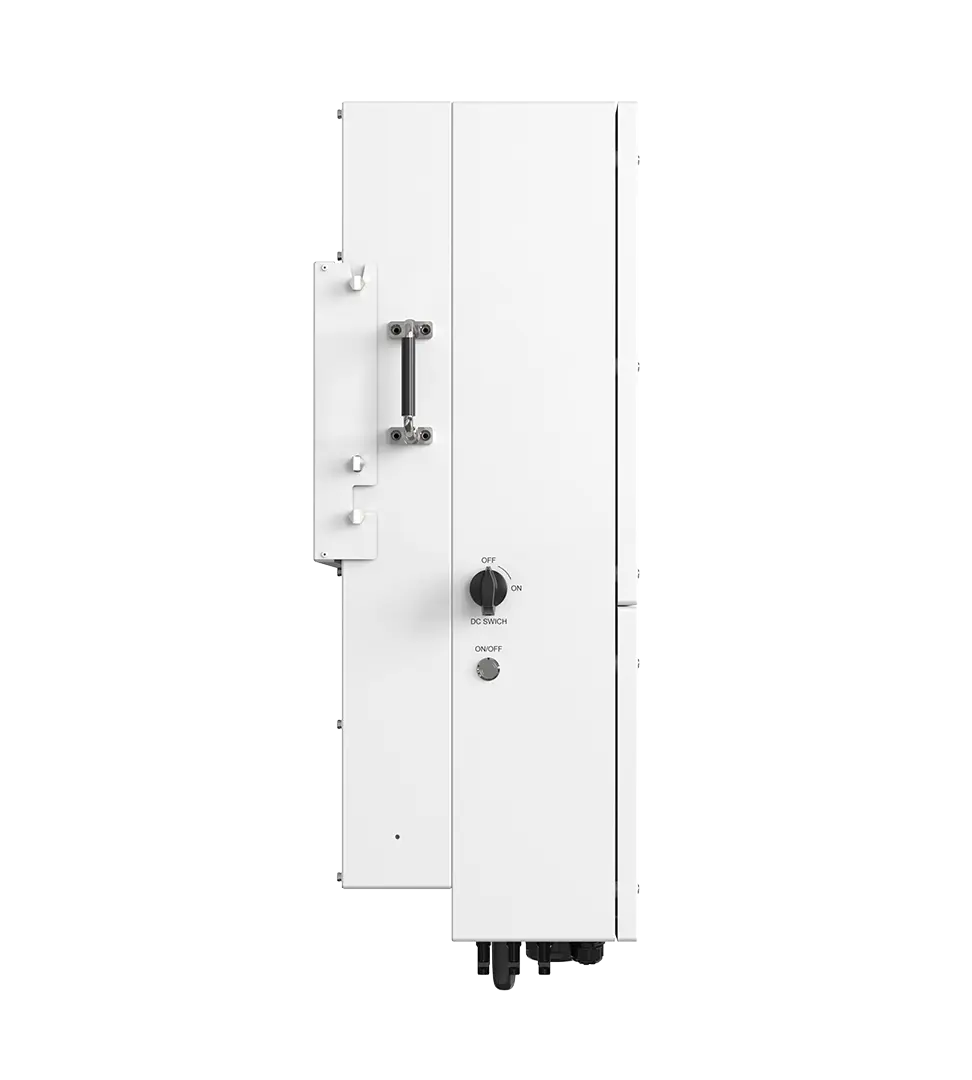
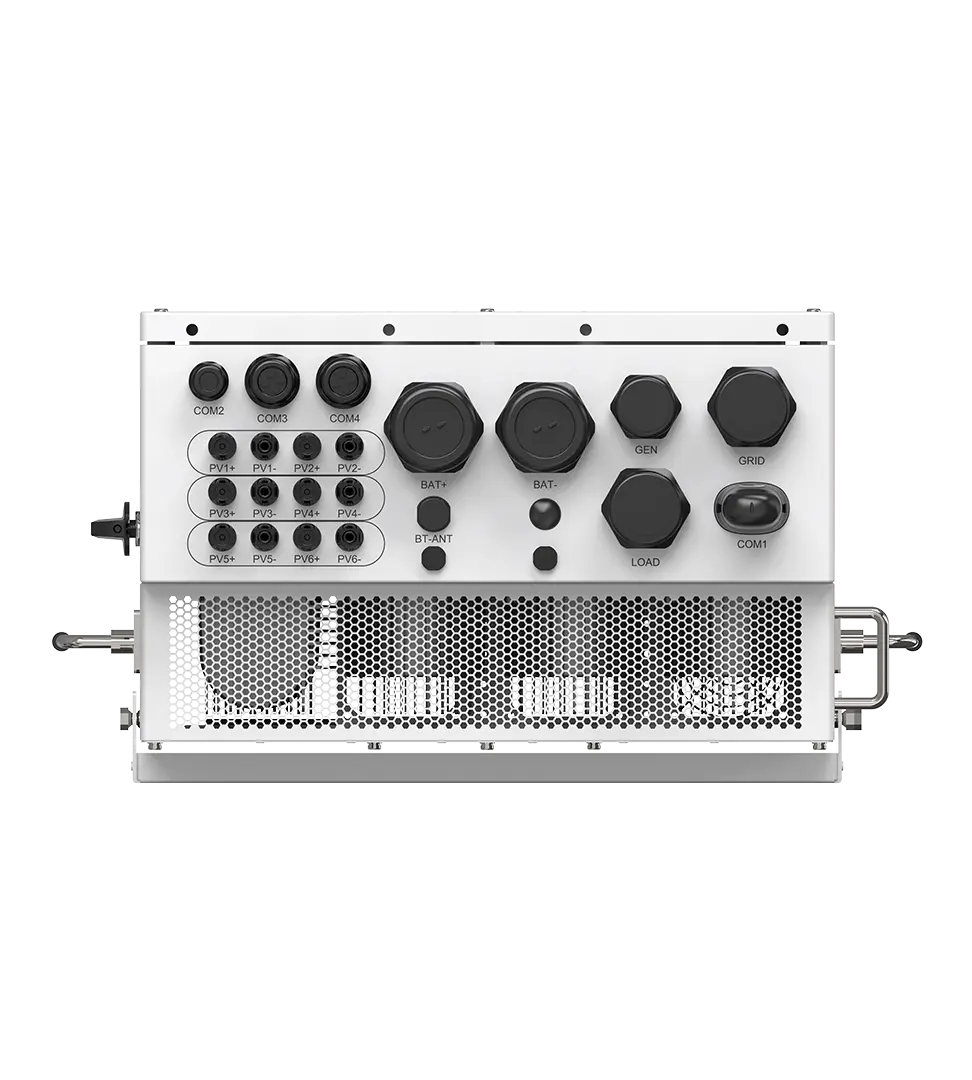
A custom inverter represents a specialized power conversion solution designed to meet specific operational requirements that standard inverters cannot fulfill. Unlike off-the-shelf models, a custom inverter is engineered with tailored specifications, incorporating unique voltage ratings, frequency outputs, and control mechanisms that align precisely with particular applications. These sophisticated devices convert direct current (DC) electricity into alternating current (AC) electricity while maintaining exact parameters demanded by specialized equipment or systems. The primary function of a custom inverter involves transforming stored energy from batteries, solar panels, or other DC sources into usable AC power that can operate various electrical devices and machinery. Modern custom inverter designs integrate advanced semiconductor technology, utilizing components such as insulated gate bipolar transistors (IGBTs) and silicon carbide (SiC) switches to achieve superior efficiency and reliability. The technological features of these units include programmable output characteristics, real-time monitoring capabilities, fault protection systems, and communication interfaces that enable seamless integration with existing infrastructure. Custom inverter applications span numerous industries, from renewable energy installations requiring specific grid-tie parameters to medical equipment demanding ultra-clean power delivery. Industrial automation systems often rely on custom inverter solutions to drive specialized motors with precise speed control requirements. Telecommunications facilities utilize these devices to maintain critical communications during power outages, while marine and aviation sectors depend on custom inverter technology for reliable power conversion in harsh environments. The manufacturing process involves careful component selection, thermal management design, and extensive testing to ensure each custom inverter meets stringent performance standards. Quality assurance protocols guarantee that every unit delivers consistent operation under varying load conditions and environmental factors.

New Product Releases

Custom inverter solutions deliver substantial benefits that directly impact operational efficiency and cost-effectiveness for businesses and individuals. The most significant advantage lies in their ability to match exact power requirements, eliminating the inefficiencies associated with oversized or undersized standard units. This precise matching translates into measurable energy savings, reducing electricity costs and minimizing waste heat generation. Users experience enhanced equipment longevity because the custom inverter provides clean, stable power that protects sensitive electronics from voltage fluctuations and harmonic distortion. The reliability factor becomes crucial in mission-critical applications where power interruptions can result in significant financial losses or safety concerns. A custom inverter incorporates redundant protection systems and robust construction that ensures continuous operation even under challenging conditions. Maintenance requirements decrease substantially compared to generic alternatives because the custom design addresses specific environmental and operational stresses that the equipment will encounter. This targeted approach reduces component wear and extends service intervals, lowering total ownership costs over the product lifetime. Scalability represents another key advantage, as custom inverter designs can accommodate future expansion needs without requiring complete system replacement. Integration capabilities prove invaluable for complex installations where multiple systems must communicate and coordinate their operations seamlessly. The custom inverter can incorporate specialized communication protocols and control interfaces that facilitate this integration. Performance optimization reaches levels impossible with standard products because every circuit and component serves a specific purpose in the overall design. This optimization results in higher conversion efficiency, reduced electromagnetic interference, and improved power quality that benefits all connected equipment. Installation flexibility increases dramatically when using a custom inverter solution, as the physical dimensions, mounting options, and connection arrangements can be tailored to fit existing spaces and infrastructure. Technical support becomes more comprehensive because the manufacturer possesses intimate knowledge of the custom inverter design and can provide targeted troubleshooting assistance. Long-term availability of replacement parts and service support remains assured through the established relationship with the custom inverter manufacturer. Return on investment accelerates through the combination of energy savings, reduced maintenance costs, improved equipment lifespan, and enhanced operational reliability that a properly specified custom inverter provides.

Practical Tips

Solar Product Tech Advances In 2025

20

Jan

Solar Product Tech Advances In 2025

View More
2025 Global Solar Market Demand (Emerging Markets)

20

Jan

2025 Global Solar Market Demand (Emerging Markets)

View More
Solar Products & Rural Electrification 2025

20

Jan

Solar Products & Rural Electrification 2025

View More

Get a Free Quote

Our representative will contact you soon.
Email
Mobile/WhatsApp
Name
Company Name
Message
0/1000

custom inverter

Tailored Power Output Specifications

Tailored Power Output Specifications

The most compelling feature of any custom inverter lies in its ability to deliver precisely calibrated power output that matches exact application requirements. This customization extends far beyond simple voltage and frequency adjustments, encompassing sophisticated waveform shaping, harmonic content control, and dynamic response characteristics that standard inverters simply cannot provide. When organizations invest in a custom inverter, they receive a power conversion solution that has been engineered specifically for their unique operational environment and equipment demands. The design process begins with comprehensive analysis of the intended load characteristics, including startup current requirements, steady-state power consumption, and any special conditions such as regenerative braking or variable frequency operation. Engineers then configure the custom inverter with appropriate switching frequencies, filter designs, and control algorithms to optimize performance for these specific conditions. This level of customization proves particularly valuable in industrial applications where motors require precise speed control across wide operating ranges, or in renewable energy systems where grid interconnection standards demand exact compliance with utility specifications. The custom inverter can incorporate advanced features such as power factor correction, voltage regulation under varying load conditions, and soft-start capabilities that protect both the inverter and connected equipment. Temperature compensation mechanisms ensure consistent output characteristics across the full operating temperature range, while programmable protection settings provide tailored safeguards against overcurrent, overvoltage, and overtemperature conditions. Quality monitoring systems within the custom inverter continuously assess output parameters and can automatically adjust operation to maintain optimal performance. This real-time optimization capability extends equipment life and reduces energy consumption compared to fixed-parameter alternatives. The flexibility of custom inverter design also allows for future modifications as operational requirements evolve, providing a sustainable long-term power solution. Documentation and training specific to the custom inverter configuration ensures that maintenance personnel understand the unique characteristics and optimal operating procedures for their particular installation.
Advanced Integration and Control Capabilities

Advanced Integration and Control Capabilities

Modern custom inverter systems excel in their sophisticated integration and control capabilities, offering seamless connectivity with existing infrastructure and advanced automation systems. This integration advantage stems from the ability to incorporate specific communication protocols, control interfaces, and monitoring systems that align perfectly with the customer's operational framework. Unlike standard inverters that offer limited connectivity options, a custom inverter can be designed with multiple communication interfaces including Ethernet, RS-485, CAN bus, Modbus, and proprietary protocols required by existing building management or industrial control systems. The custom inverter serves as an intelligent node within larger automated systems, providing detailed operational data, accepting remote commands, and participating in coordinated control strategies that optimize overall system performance. Advanced control algorithms within the custom inverter enable sophisticated operating modes such as load sharing between multiple units, automatic transfer switching, and predictive maintenance scheduling based on operational analytics. Real-time data collection capabilities allow the custom inverter to monitor not only its own performance but also the condition of connected equipment, providing early warning of potential issues before they result in system failures. Integration with renewable energy management systems enables the custom inverter to optimize energy storage and distribution strategies, automatically adjusting operation based on factors such as time-of-use electricity rates, weather forecasts, and historical consumption patterns. The programmable nature of custom inverter control systems allows for implementation of specialized operating sequences required by unique applications, such as medical equipment sterilization cycles or precision manufacturing processes. Remote monitoring and diagnostics capabilities enable technical support teams to assess custom inverter performance from any location, reducing response times for service issues and enabling proactive maintenance interventions. Cybersecurity features built into the custom inverter design protect against unauthorized access while maintaining necessary connectivity for legitimate monitoring and control functions. The ability to customize user interfaces ensures that operators can access relevant information and controls in formats that match their existing procedures and training, reducing learning curves and operational errors.
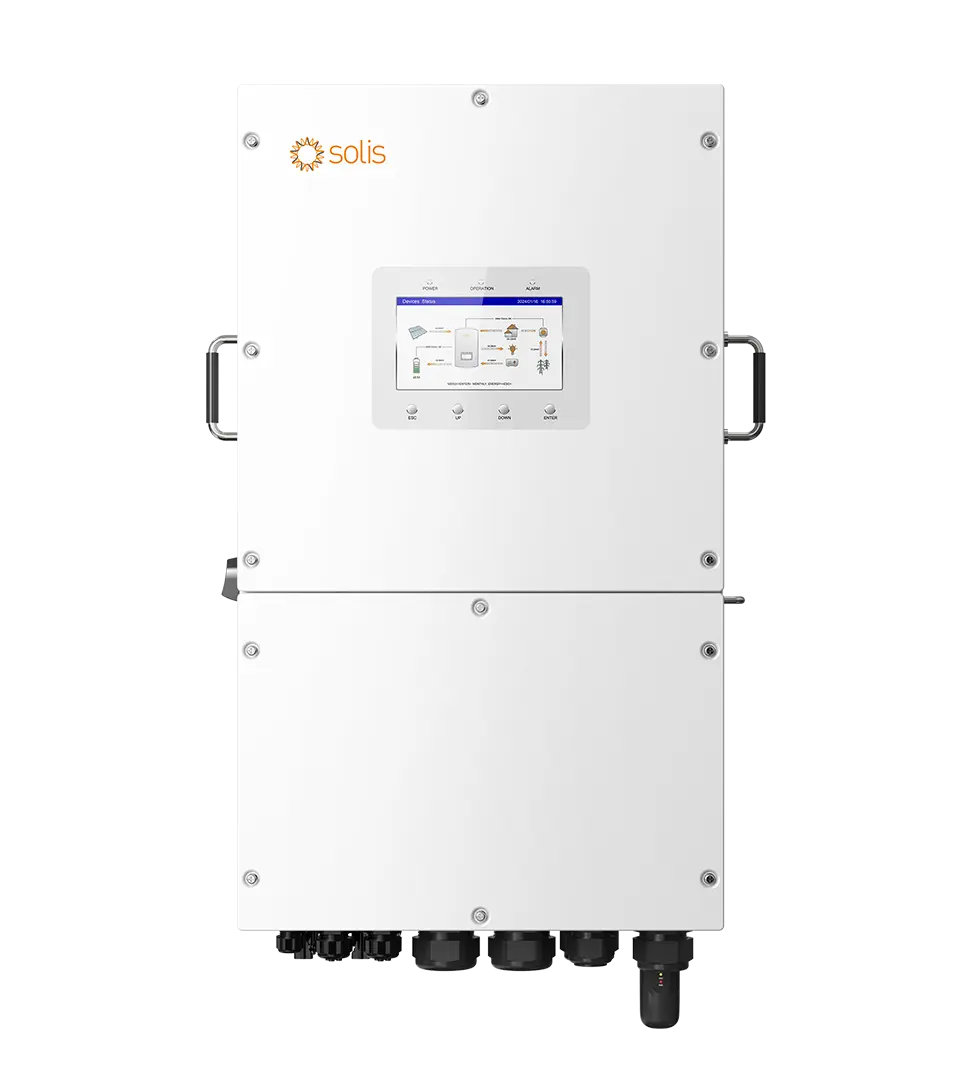
Enhanced Reliability and Longevity Features

Enhanced Reliability and Longevity Features

The enhanced reliability and longevity characteristics of custom inverter systems represent critical value propositions for applications where downtime costs exceed initial equipment investments. These reliability features result from targeted engineering approaches that address specific environmental conditions, operational stresses, and maintenance requirements identified during the custom design process. A custom inverter incorporates robust component selection based on detailed analysis of expected operating conditions, ensuring that every element from capacitors to cooling systems can withstand the particular stresses of the intended application. Thermal management systems receive special attention in custom inverter designs, with heat dissipation strategies tailored to ambient temperature ranges, ventilation constraints, and thermal cycling patterns specific to each installation. This attention to thermal design prevents the premature component failures that commonly plague generic inverters operating outside their optimal conditions. Redundancy features within the custom inverter architecture provide backup capabilities for critical functions, ensuring continued operation even when individual components experience failures. These redundant systems can include parallel power stages, backup control processors, and alternative cooling paths that maintain functionality during maintenance or component replacement procedures. Environmental protection measures in custom inverter designs address specific challenges such as corrosive atmospheres, high humidity, vibration, or electromagnetic interference that standard products may not adequately handle. Protective coatings, sealed enclosures, and shock mounting systems extend operational life in harsh conditions while maintaining performance specifications. Predictive maintenance capabilities embedded in the custom inverter monitor component health indicators such as capacitor equivalent series resistance, switching device temperatures, and fan bearing conditions to schedule maintenance before failures occur. This proactive approach minimizes unplanned downtime while optimizing maintenance resource allocation. Quality assurance testing specific to each custom inverter configuration validates performance under simulated worst-case conditions, ensuring reliable operation throughout the expected service life. Extended warranty coverage often accompanies custom inverter installations because manufacturers have greater confidence in products designed for specific applications rather than generic solutions applied broadly. Long-term parts availability programs ensure that custom inverter systems remain serviceable for decades, protecting the customer's investment and maintaining system reliability throughout extended operational periods.

Get a Free Quote

Our representative will contact you soon.
Email
Mobile/WhatsApp
Name
Company Name
Message
0/1000