Hybrid Grid Tie Inverter: Complete Solar Energy Management Solution with Battery Storage

Get a Free Quote

Our representative will contact you soon.
Email
Mobile/WhatsApp
Name
Company Name
Message
0/1000

hybrid grid tie inverter

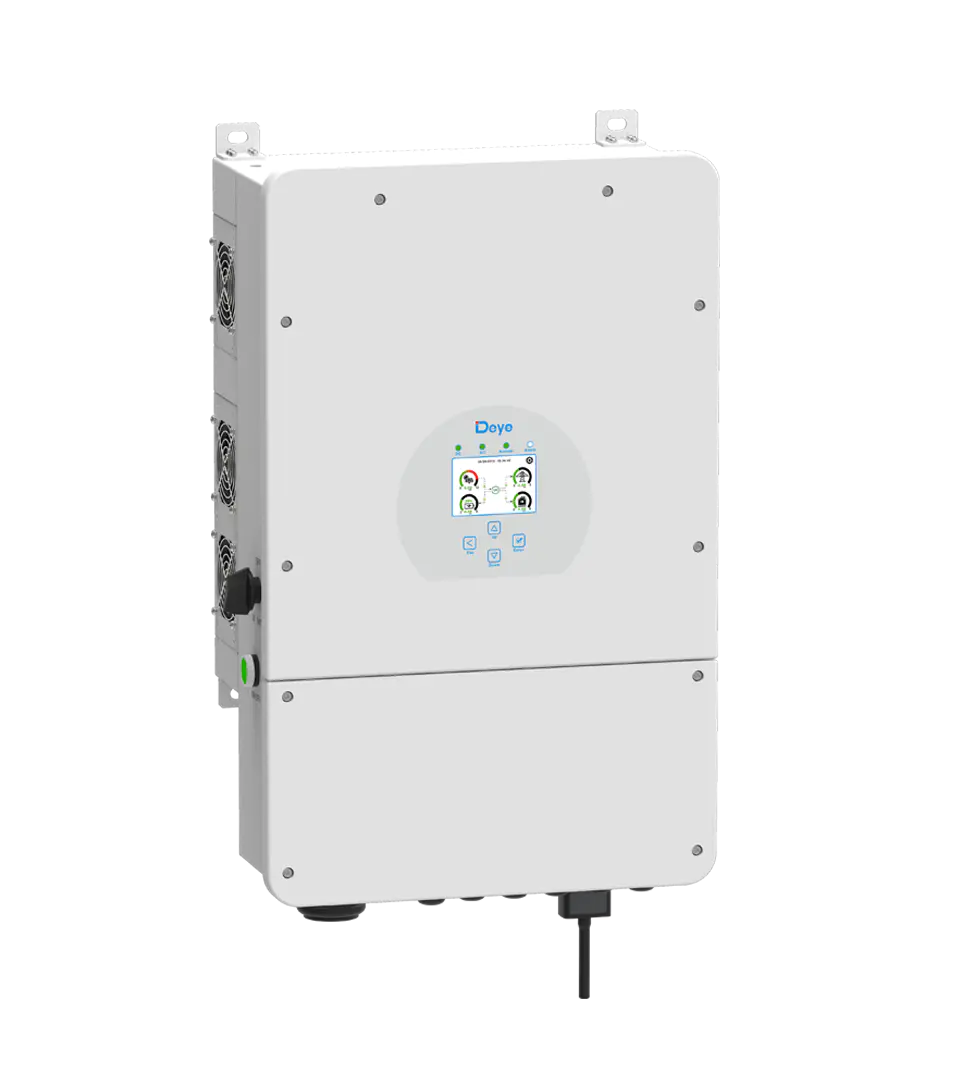
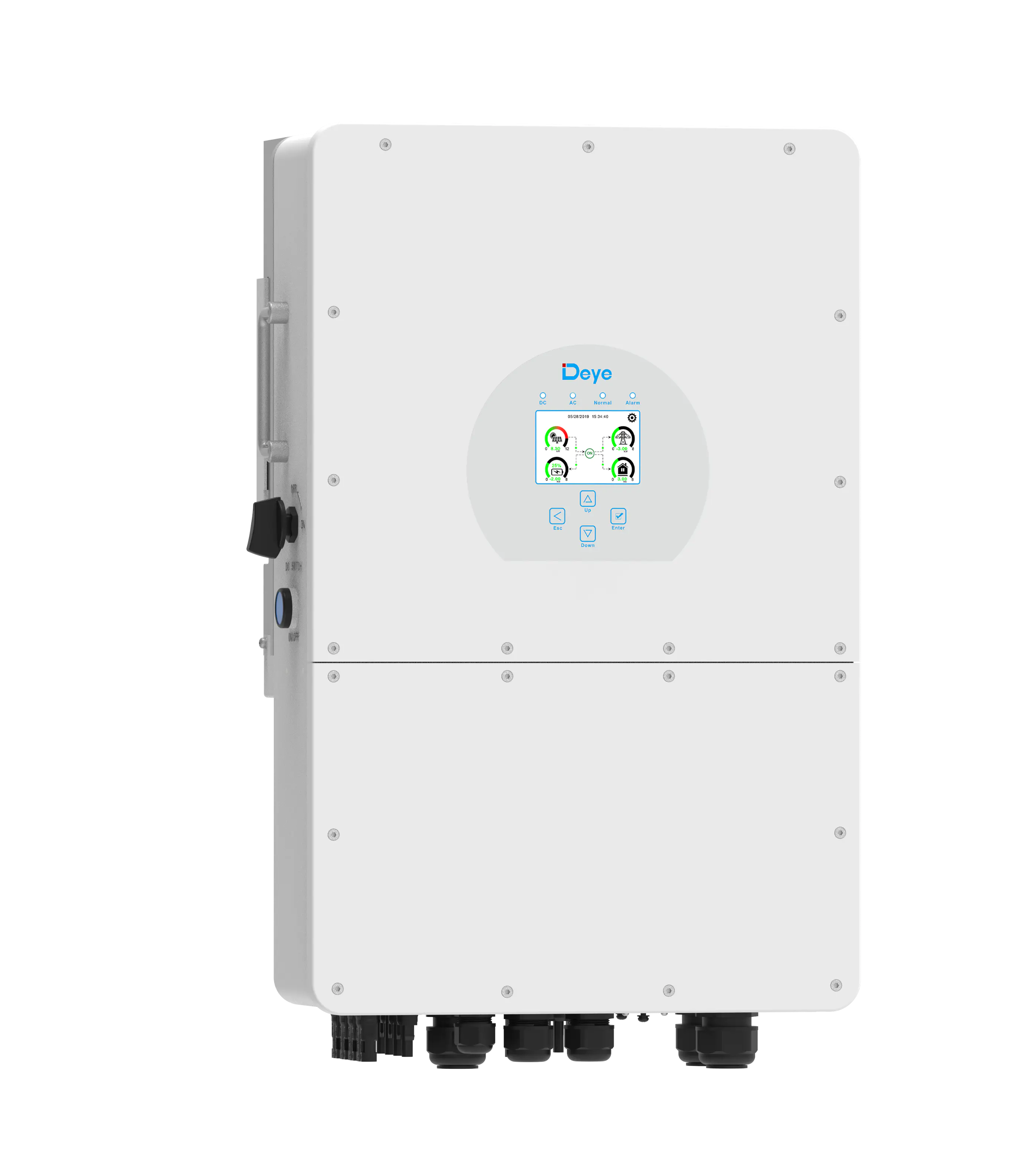
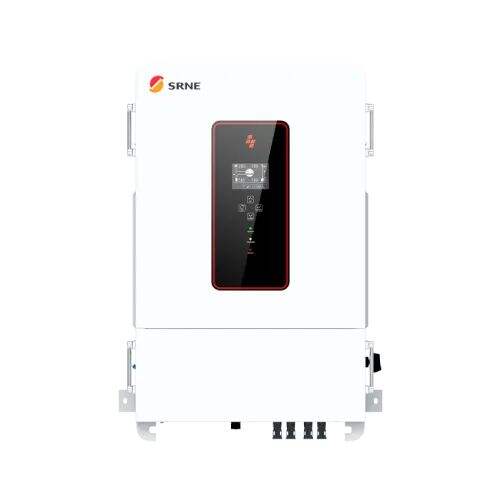
A hybrid grid tie inverter represents a revolutionary advancement in solar energy technology, combining the benefits of both grid-tied and off-grid solar systems into one comprehensive solution. This sophisticated device serves as the central hub of modern solar installations, converting direct current electricity generated by solar panels into alternating current that can power household appliances and feed excess energy back to the utility grid. The hybrid grid tie inverter distinguishes itself from traditional inverters through its ability to store energy in battery systems while maintaining seamless connection to the electrical grid. This dual functionality provides homeowners and businesses with unprecedented energy independence and security. The device incorporates advanced power management algorithms that automatically prioritize energy usage, directing solar power first to immediate electrical needs, then to battery storage, and finally to the grid when surplus energy remains available. Modern hybrid grid tie inverter units feature intelligent monitoring systems that track energy production, consumption patterns, and grid conditions in real-time. These systems utilize sophisticated microprocessors and communication technologies to optimize performance across varying weather conditions and electrical demands. The inverter's built-in charge controllers manage battery health by preventing overcharging and deep discharge cycles, significantly extending battery lifespan. Safety mechanisms include rapid shutdown capabilities, ground fault protection, and arc fault detection, ensuring secure operation under all circumstances. Installation versatility makes the hybrid grid tie inverter suitable for residential rooftops, commercial buildings, and industrial facilities. The compact design and modular architecture allow for scalable installations that can grow with changing energy requirements. Communication interfaces enable remote monitoring and control through smartphone applications and web-based platforms, providing users with detailed insights into their energy systems' performance and enabling proactive maintenance scheduling.
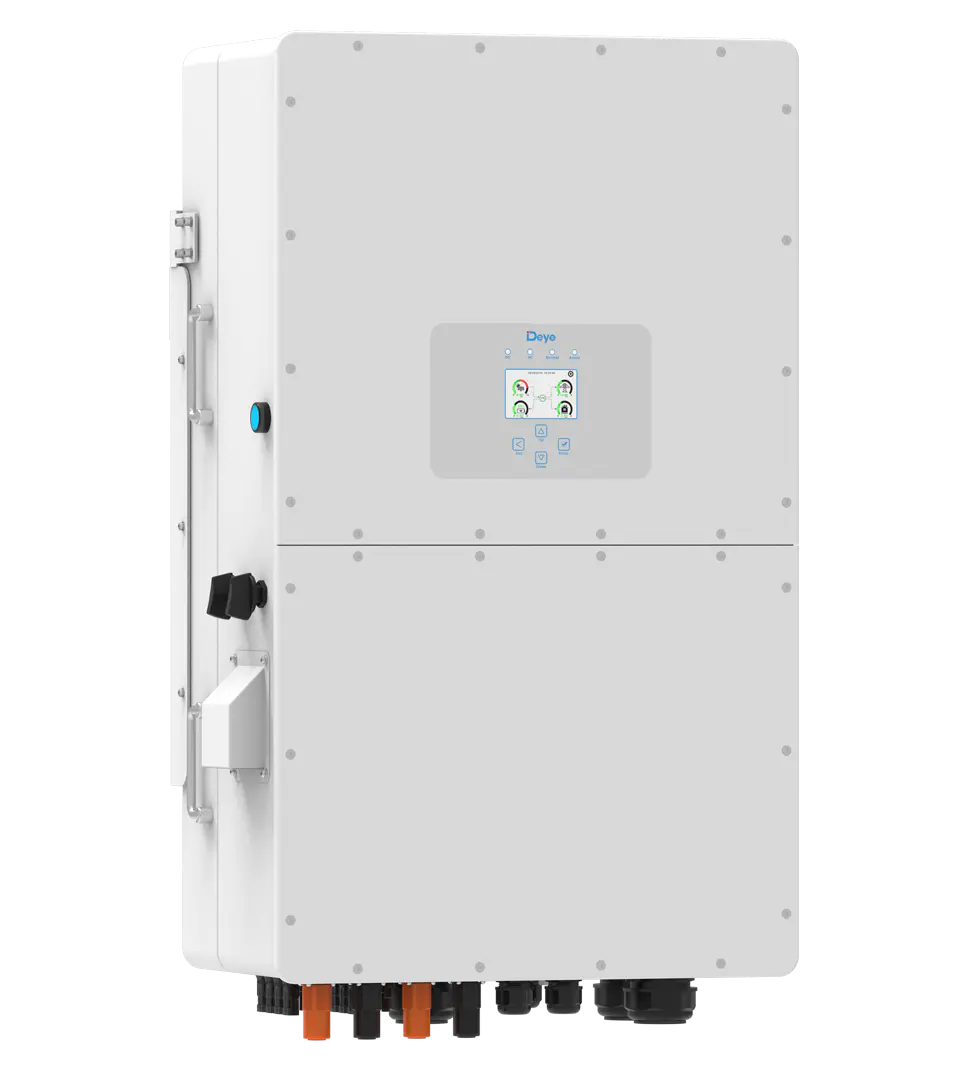
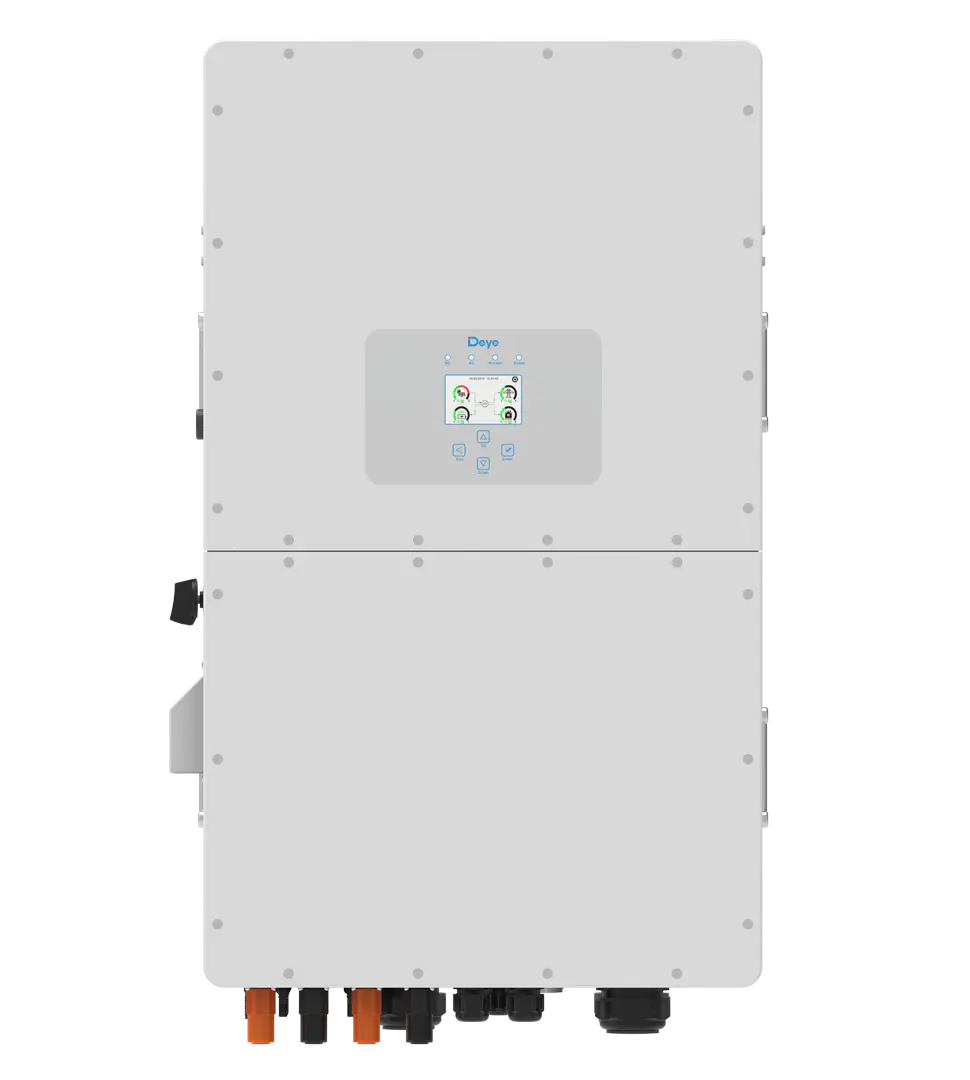
New Product Releases

The hybrid grid tie inverter delivers exceptional value through its multi-functional design that eliminates the need for separate grid-tie and battery inverters. This integration reduces installation complexity, lowers overall system costs, and minimizes potential failure points. Homeowners benefit from continuous power supply during grid outages, as the hybrid grid tie inverter automatically switches to battery backup mode within milliseconds, ensuring uninterrupted operation of essential appliances. Energy cost savings represent a primary advantage, as users can store excess solar energy during peak production hours and utilize this stored power during expensive peak-rate periods. The intelligent load management system prioritizes critical loads during backup operation, maximizing battery runtime and maintaining power for essential systems like refrigeration, security systems, and medical equipment. Grid export capabilities allow users to earn credits through net metering programs, creating additional revenue streams from their solar investments. The hybrid grid tie inverter's advanced battery management extends battery life by optimizing charging cycles and preventing harmful discharge patterns that typically reduce battery longevity. Real-time monitoring capabilities provide detailed energy analytics, helping users understand their consumption patterns and identify opportunities for further efficiency improvements. Installation flexibility accommodates various battery technologies including lithium-ion, lead-acid, and emerging storage solutions, allowing users to select the most appropriate option for their specific requirements and budget constraints. The system's expandable architecture supports future capacity increases without requiring complete system replacement, protecting the initial investment while accommodating growing energy needs. Environmental benefits include reduced reliance on fossil fuel-generated grid electricity and decreased carbon footprint through maximized utilization of clean solar energy. The hybrid grid tie inverter's grid stabilization features support overall electrical grid reliability by providing reactive power support and voltage regulation, contributing to community-wide electrical infrastructure stability. Advanced communication protocols enable integration with smart home systems and energy management platforms, creating opportunities for automated energy optimization based on weather forecasts, utility rate schedules, and household activity patterns.

Latest News

Solar Product Tech Advances In 2025

20

Jan

Solar Product Tech Advances In 2025

View More
2025 Global Solar Market Demand (Emerging Markets)

20

Jan

2025 Global Solar Market Demand (Emerging Markets)

View More
Solar Products & Rural Electrification 2025

20

Jan

Solar Products & Rural Electrification 2025

View More

Get a Free Quote

Our representative will contact you soon.
Email
Mobile/WhatsApp
Name
Company Name
Message
0/1000

hybrid grid tie inverter

Seamless Energy Management and Grid Independence

Seamless Energy Management and Grid Independence

The hybrid grid tie inverter's most compelling feature lies in its sophisticated energy management system that provides complete control over energy flows within residential and commercial installations. This advanced technology automatically determines the optimal distribution of solar-generated electricity based on real-time conditions and user-defined priorities. When solar panels produce electricity during daylight hours, the hybrid grid tie inverter first satisfies immediate electrical loads, ensuring that appliances and systems receive clean renewable energy directly from the source. Any excess power beyond immediate consumption automatically charges connected battery systems, storing energy for later use during evening hours or cloudy periods. Once batteries reach full capacity, remaining surplus energy flows to the electrical grid, generating credits through net metering arrangements with utility companies. This intelligent prioritization system maximizes the value of every kilowatt-hour generated by solar panels while providing users with unprecedented energy independence. During grid outages or scheduled maintenance, the hybrid grid tie inverter seamlessly transitions to island mode operation, drawing power from battery storage to maintain electricity supply for critical loads. The transition occurs within milliseconds, preventing interruption of sensitive electronic equipment and maintaining comfort levels throughout power disruptions. Users can configure load prioritization settings to ensure that essential systems like refrigeration, security equipment, and medical devices receive power first during backup operation. The system's load shedding capabilities automatically manage power distribution during extended outages, maximizing battery runtime by temporarily disconnecting non-critical loads when battery levels reach predetermined thresholds. Advanced algorithms continuously monitor grid conditions and battery status, automatically reconnecting to grid operation when utility power returns and battery backup is no longer required. This seamless operation requires no manual intervention, providing peace of mind for users who may be away from their property during outages.
Advanced Battery Management and Longevity Optimization

Advanced Battery Management and Longevity Optimization

The hybrid grid tie inverter incorporates cutting-edge battery management technology that significantly extends battery lifespan while maximizing energy storage efficiency. This sophisticated system continuously monitors individual battery cells and overall pack performance, implementing precise charging algorithms that prevent overcharging and damaging discharge cycles. Temperature compensation features adjust charging parameters based on ambient conditions, ensuring optimal performance across seasonal temperature variations that can dramatically impact battery health. The intelligent charge controller within the hybrid grid tie inverter utilizes multi-stage charging protocols that safely bring batteries to full capacity without creating stress conditions that reduce long-term reliability. Float charging capabilities maintain batteries at optimal charge levels during periods of low solar production, preventing sulfation and other degradation processes that commonly affect lead-acid batteries. For lithium-ion systems, the inverter implements cell balancing functions that ensure uniform charge distribution across all cells, maximizing capacity utilization and preventing premature failure of individual cells. Depth of discharge management protects batteries by preventing over-discharge conditions that can permanently damage battery chemistry and reduce available capacity. The system maintains detailed battery health analytics, tracking charge cycles, capacity trends, and performance metrics that help users understand when battery replacement may be necessary. Predictive maintenance alerts notify users of potential issues before they become critical problems, enabling proactive service scheduling that prevents system downtime. The hybrid grid tie inverter's adaptive charging algorithms learn from usage patterns and environmental conditions, continuously optimizing charging strategies to maximize battery efficiency and lifespan. Integration with battery manufacturer specifications ensures that charging parameters remain within recommended limits for specific battery types and models. Emergency battery protection features immediately disconnect charging or discharging operations if dangerous conditions are detected, preventing potential safety hazards and protecting the investment in energy storage equipment.
Smart Grid Integration and Future-Ready Technology

Smart Grid Integration and Future-Ready Technology

The hybrid grid tie inverter represents the pinnacle of smart grid technology integration, offering advanced communication capabilities and future-ready features that position users at the forefront of energy system evolution. Built-in WiFi, Ethernet, and cellular communication options enable comprehensive remote monitoring and control through dedicated smartphone applications and web-based platforms. These communication systems provide real-time visibility into energy production, consumption patterns, battery status, and system performance metrics from anywhere in the world. Cloud-based data logging maintains historical records of system performance, enabling detailed analysis of energy trends and optimization opportunities. The hybrid grid tie inverter's smart grid capabilities include demand response functionality that automatically adjusts energy consumption based on utility signals and time-of-use pricing structures. This intelligent response system can reduce electricity costs by shifting non-critical loads to off-peak hours and utilizing stored battery energy during expensive peak-rate periods. Grid stabilization features provide reactive power support and voltage regulation that benefit the broader electrical infrastructure while potentially generating additional revenue through utility programs that compensate for grid support services. Over-the-air firmware updates ensure that the hybrid grid tie inverter remains current with latest features and security protocols without requiring service visits or manual updates. The system's open communication protocols support integration with home automation systems, allowing coordination between solar production, battery storage, and smart appliances for maximum energy efficiency. Advanced forecasting capabilities utilize weather data and historical performance patterns to predict energy production and optimize battery charging schedules accordingly. The hybrid grid tie inverter's modular design accommodates future technology upgrades and capacity expansions without requiring complete system replacement. Compatibility with emerging energy storage technologies ensures that users can take advantage of future battery improvements and cost reductions. Vehicle-to-grid integration capabilities prepare the system for electric vehicle charging integration and bi-directional power flow management that will become increasingly important as transportation electrification accelerates.

Get a Free Quote

Our representative will contact you soon.
Email
Mobile/WhatsApp
Name
Company Name
Message
0/1000