Smart Grid Communication and Monitoring
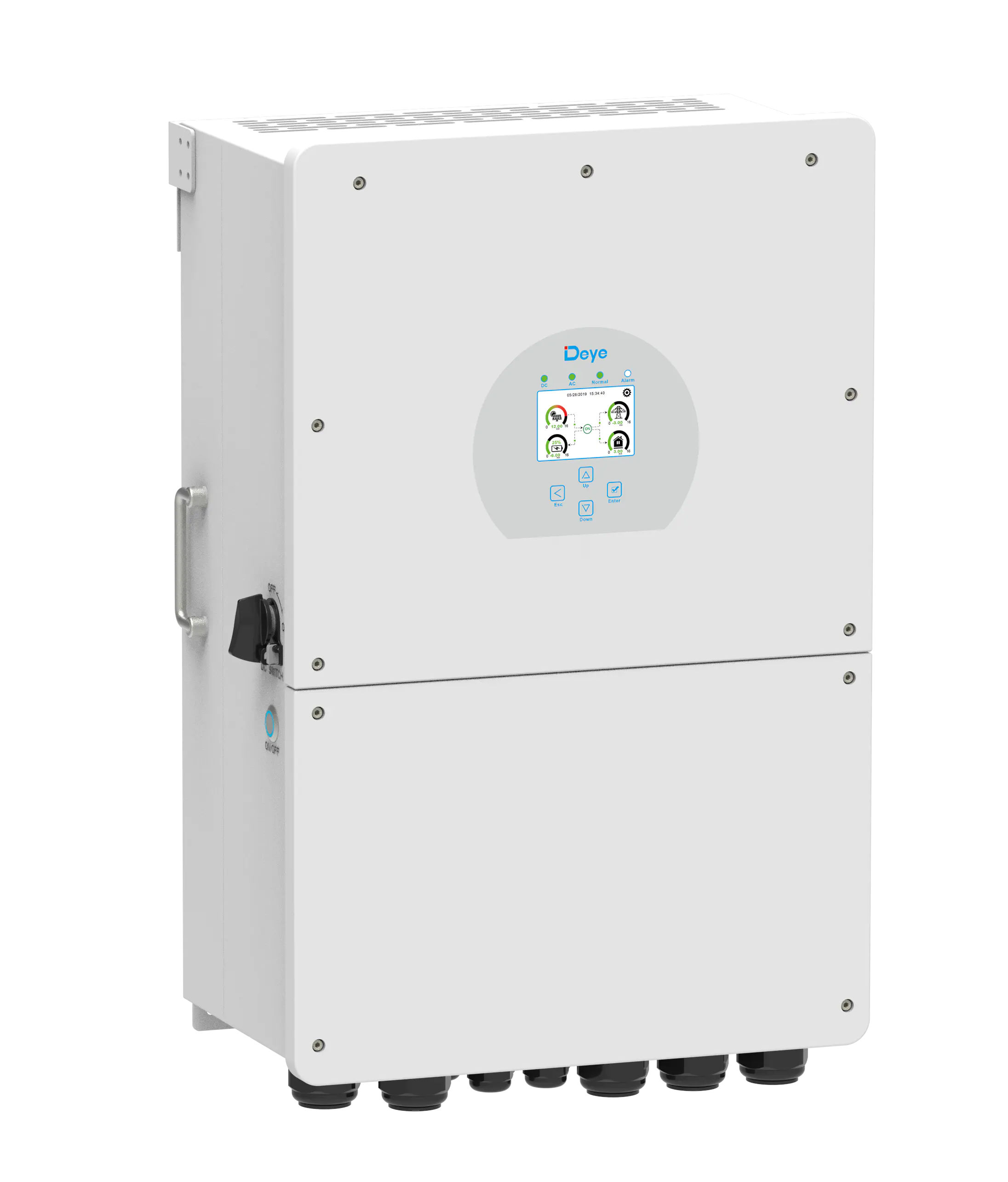
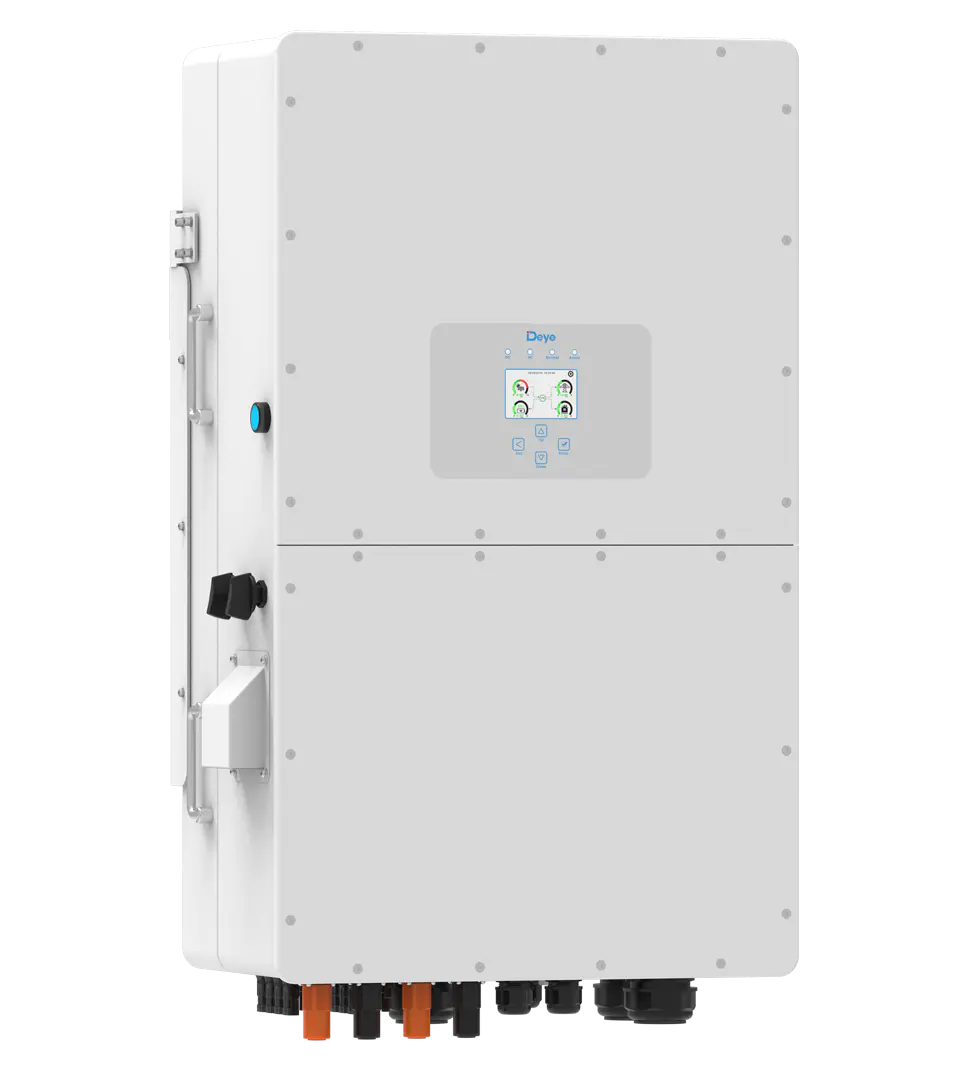
The hybrid micro inverter features sophisticated smart grid communication and monitoring capabilities that enable seamless integration with modern electrical infrastructure while providing comprehensive system visibility and control options. These advanced communication features support multiple protocols including Wi-Fi, cellular, and power line communication, ensuring reliable data transmission and remote system management regardless of installation location or connectivity constraints. The integrated monitoring platform provides real-time access to detailed system performance metrics including individual panel output, battery status, energy consumption patterns, and grid interaction data through intuitive mobile applications and web-based dashboards. The smart grid compatibility enables participation in demand response programs, time-of-use optimization, and net metering arrangements that maximize financial benefits from solar investments. The system automatically adjusts energy storage and consumption patterns based on utility rate structures, storing excess energy during low-rate periods and utilizing battery power during peak-rate hours to minimize electricity costs. Advanced forecasting algorithms integrate weather data, historical performance information, and consumption patterns to optimize energy management decisions and maximize self-consumption rates. The communication capabilities extend to utility grid support functions including voltage regulation, frequency response, and grid stabilization services that may qualify for additional compensation programs. These smart grid features position property owners to benefit from emerging energy market opportunities while contributing to overall electrical grid stability and efficiency. The monitoring system provides automated alerts for system maintenance needs, performance anomalies, and potential issues, enabling proactive system management and preventing unexpected downtime. Detailed energy production and consumption analytics help users understand their energy patterns, identify efficiency opportunities, and make informed decisions about energy usage and system expansion. The secure communication protocols protect sensitive system data while enabling authorized remote access for technical support, system updates, and performance optimization, ensuring long-term system reliability and optimal performance throughout the installation's operational lifetime.
 EN
EN