Inverter Peak Power: Advanced Solutions for Reliable High-Capacity Electrical Systems

Get a Free Quote

Our representative will contact you soon.
Email
Mobile/WhatsApp
Name
Company Name
Message
0/1000

inverter peak power

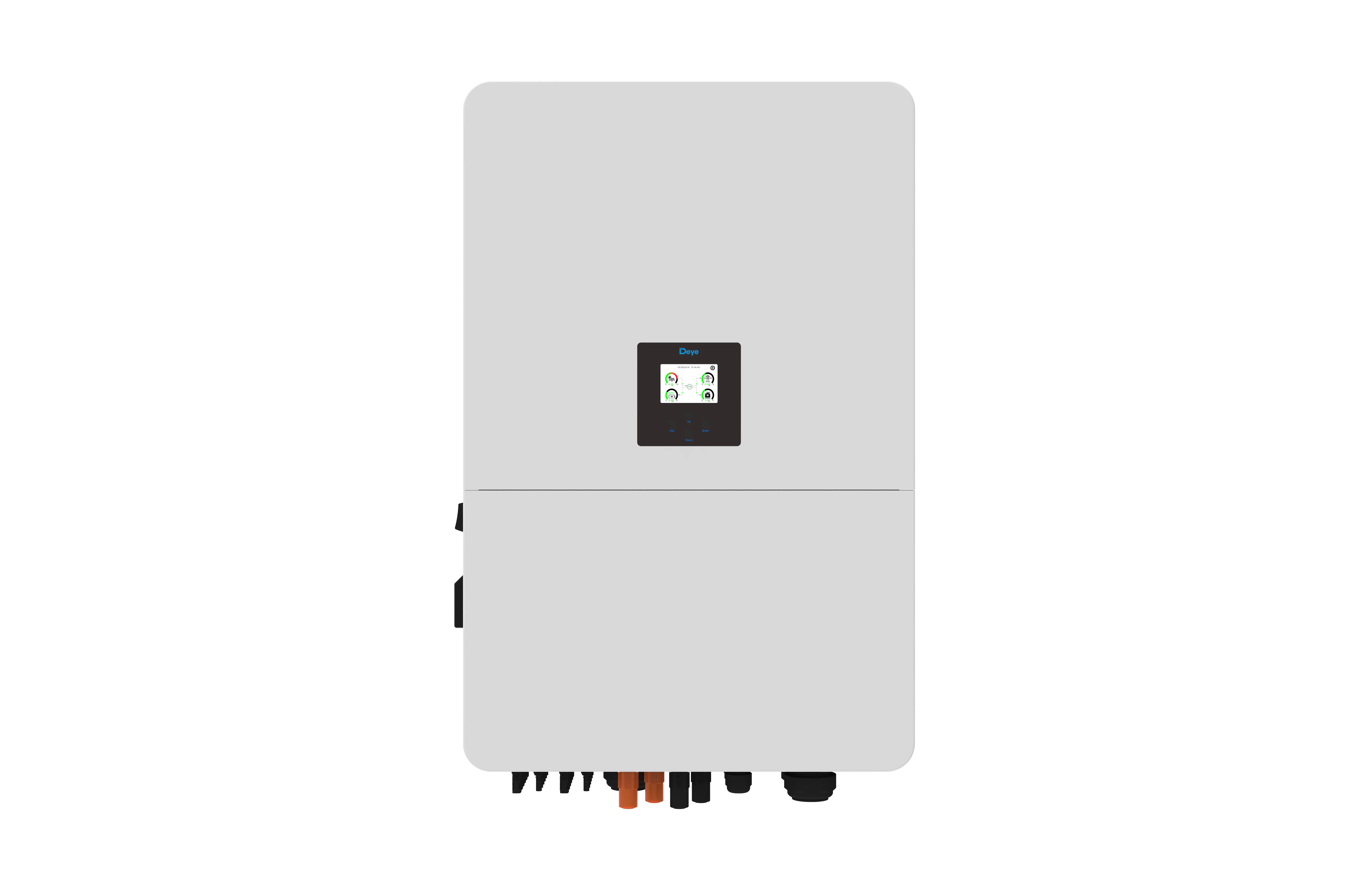
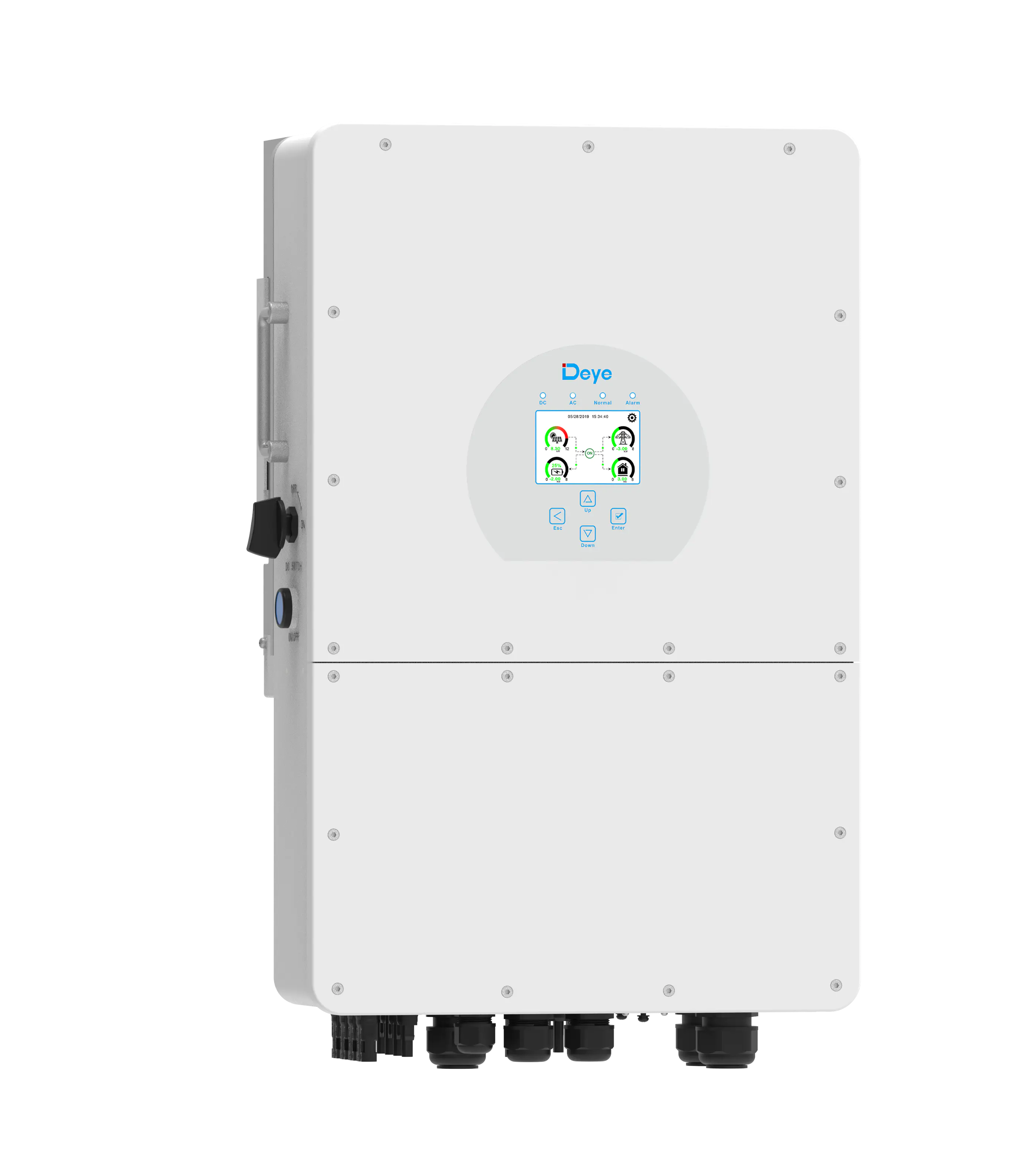
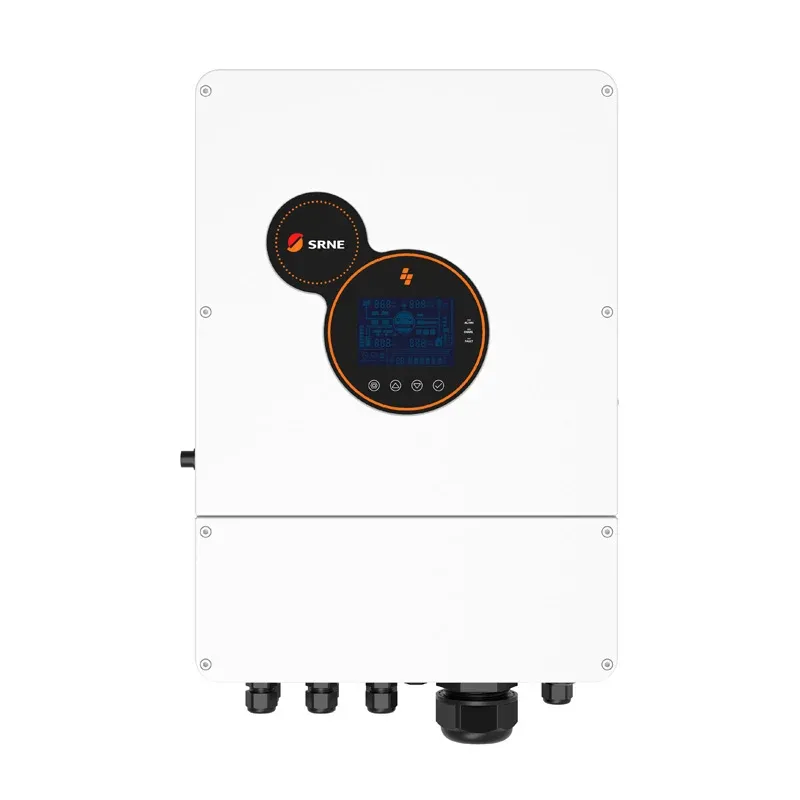
Inverter peak power represents the maximum electrical output capacity that an inverter can deliver during short-duration, high-demand situations. This critical specification determines how effectively an inverter can handle sudden power surges and demanding electrical loads that exceed normal operating requirements. The inverter peak power rating typically measures between 1.5 to 3 times the continuous power rating, providing essential headroom for starting motors, powering inductive loads, and managing transient electrical demands. Modern inverter systems incorporate sophisticated power management technologies that monitor electrical flow and automatically adjust output to meet varying load requirements. The peak power capability ensures reliable operation when connected devices require momentary high current draws, such as refrigerator compressors, air conditioning units, or power tools during startup phases. Advanced inverter designs utilize high-quality switching components, robust heat dissipation systems, and intelligent control circuits to achieve superior peak power performance. These technological features enable inverters to maintain stable voltage and frequency output even under challenging electrical conditions. The measurement of inverter peak power involves testing under controlled laboratory conditions where maximum load scenarios are simulated to verify performance specifications. This testing ensures that inverters can consistently deliver advertised peak power levels without compromising safety or damaging internal components. Quality inverter manufacturers provide detailed peak power specifications that help consumers select appropriate units for their specific electrical requirements. Understanding inverter peak power ratings becomes essential when calculating total system capacity, especially in off-grid solar installations, backup power systems, and mobile applications where reliable electrical supply remains critical for operation.
New Products

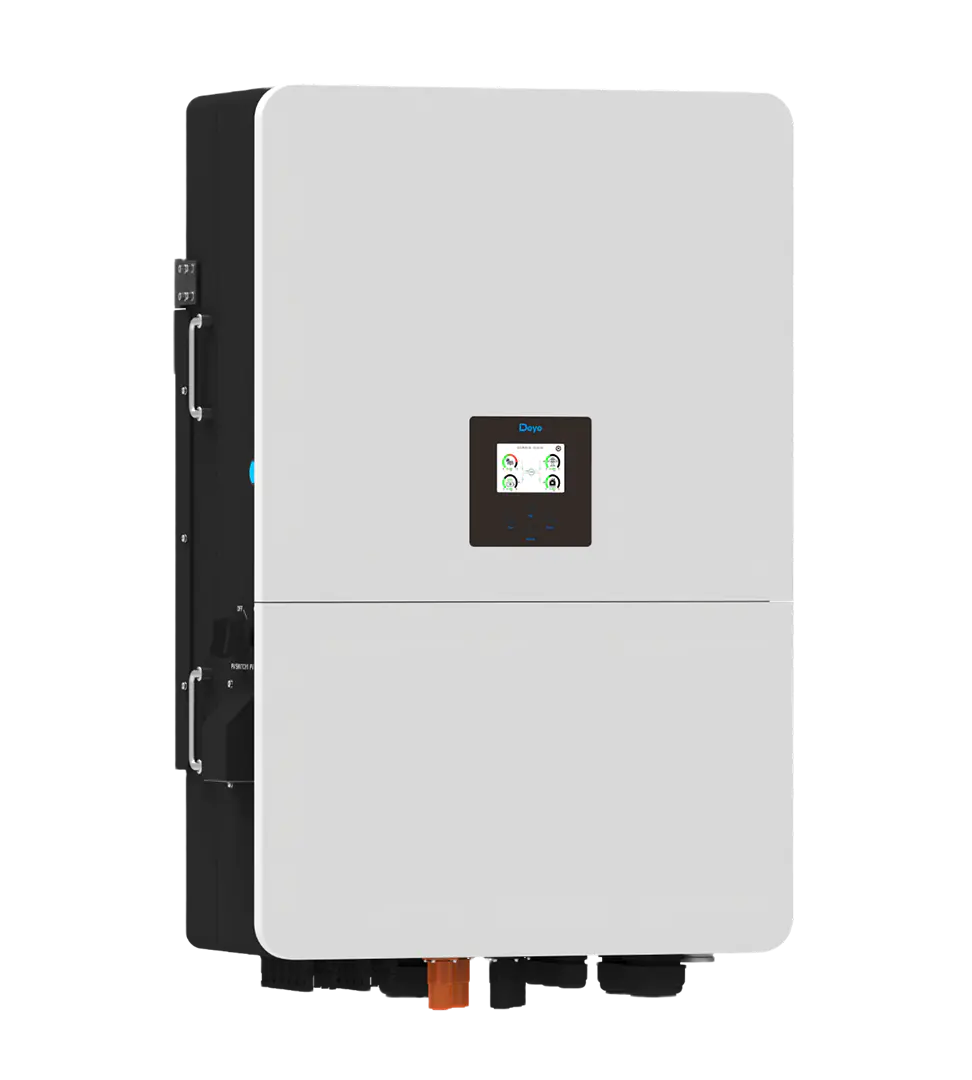
The primary advantage of high inverter peak power lies in its ability to handle demanding electrical loads without system failure or performance degradation. Users benefit from increased reliability when operating multiple appliances simultaneously, as the enhanced peak power capacity prevents voltage drops and power interruptions that could damage sensitive electronic equipment. This reliability translates into reduced maintenance costs and extended equipment lifespan, providing significant long-term value for residential and commercial applications. Superior inverter peak power ratings enable seamless operation of motor-driven appliances that require substantial starting currents, eliminating the frustration of failed startups and repeated attempts that waste energy and stress electrical components. The enhanced capacity also provides future-proofing benefits, allowing users to expand their electrical loads without requiring immediate inverter upgrades, which saves money and reduces installation complexity. Energy efficiency improves with adequate peak power reserves because inverters operate within optimal performance ranges rather than struggling at maximum capacity, resulting in lower heat generation and reduced energy losses. This efficiency translates directly into cost savings through reduced electricity consumption and improved battery life in off-grid applications. Safety benefits emerge from proper peak power sizing, as inverters with adequate capacity operate cooler and more stable, reducing fire risks and electrical hazards associated with overloaded systems. The versatility offered by high peak power ratings allows single inverter units to support diverse electrical loads, simplifying system design and reducing overall equipment costs compared to multiple smaller units. Professional installers and system designers appreciate the flexibility that robust peak power specifications provide during project planning, enabling confident load calculations and system sizing recommendations. Commercial applications particularly benefit from reliable peak power delivery, as business operations depend on consistent electrical supply without interruptions that could result in productivity losses or data corruption. Emergency backup systems gain enhanced effectiveness through adequate peak power reserves, ensuring critical systems remain operational during power outages when reliable electrical supply becomes most important for safety and security.

Practical Tips

Solar Product Tech Advances In 2025

20

Jan

Solar Product Tech Advances In 2025

View More
2025 Global Solar Market Demand (Emerging Markets)

20

Jan

2025 Global Solar Market Demand (Emerging Markets)

View More
Solar Products & Rural Electrification 2025

20

Jan

Solar Products & Rural Electrification 2025

View More

Get a Free Quote

Our representative will contact you soon.
Email
Mobile/WhatsApp
Name
Company Name
Message
0/1000

inverter peak power

Advanced Load Management Capabilities

Advanced Load Management Capabilities

The sophisticated load management capabilities of modern inverter peak power systems represent a revolutionary advancement in electrical power distribution technology. These intelligent systems continuously monitor electrical demand patterns and automatically allocate available peak power resources to ensure optimal performance across all connected devices. The advanced control algorithms analyze real-time load characteristics, identifying which appliances require immediate high-current support and which can operate efficiently at reduced power levels during peak demand periods. This dynamic load balancing prevents system overloads while maximizing the utilization of available inverter peak power capacity, ensuring that critical equipment receives priority power allocation when needed most. The smart management features include programmable load shedding capabilities that automatically disconnect non-essential devices during extreme demand situations, preserving inverter peak power reserves for essential operations. Users can customize priority settings through intuitive control interfaces, establishing hierarchical power allocation schemes that match their specific operational requirements. The system learns from usage patterns over time, developing predictive algorithms that anticipate peak power demands and prepare the inverter for smooth transitions during high-demand periods. These capabilities prove invaluable in commercial environments where multiple high-power devices may simultaneously require peak power support, such as manufacturing facilities with motor-driven equipment or office buildings with variable HVAC loads. The load management technology also extends battery life in off-grid applications by optimizing power draw patterns and preventing deep discharge cycles that can damage energy storage systems. Remote monitoring capabilities allow users to track peak power utilization through mobile applications, providing real-time insights into system performance and enabling proactive maintenance scheduling. The advanced load management features include fault detection algorithms that identify potential problems before they impact system reliability, automatically adjusting peak power distribution to maintain stable operation even when individual components experience performance degradation.
Enhanced Energy Efficiency Optimization

Enhanced Energy Efficiency Optimization

Enhanced energy efficiency optimization through advanced inverter peak power management delivers substantial cost savings and environmental benefits for users across diverse applications. The sophisticated power conversion technology utilized in modern peak power systems achieves efficiency ratings exceeding 95 percent, significantly reducing energy waste compared to traditional electrical systems. This high efficiency results from precision-controlled switching mechanisms that minimize power losses during the conversion process, coupled with adaptive algorithms that continuously optimize performance based on real-time load conditions. The inverter peak power optimization extends beyond simple energy conversion, incorporating intelligent power factor correction that ensures electrical systems operate at maximum efficiency regardless of load characteristics. This correction capability proves particularly valuable when powering inductive loads such as motors and transformers, which typically create power quality issues that reduce overall system efficiency. The optimized energy management includes automatic standby modes that reduce inverter peak power consumption during low-demand periods, while maintaining rapid response capabilities for sudden load increases. These standby features can reduce idle power consumption by up to 80 percent, resulting in significant energy savings over extended operational periods. The efficiency optimization also includes thermal management systems that maintain optimal operating temperatures for power conversion components, ensuring consistent peak power delivery while extending equipment lifespan through reduced thermal stress. Smart cooling algorithms activate ventilation systems only when necessary, further reducing parasitic power consumption and improving overall system efficiency. The optimized systems include power quality monitoring that maintains clean, stable electrical output regardless of input variations or load fluctuations, protecting sensitive electronic equipment while ensuring efficient power utilization. Users benefit from detailed energy consumption reporting that tracks efficiency metrics and identifies opportunities for further optimization, enabling data-driven decisions about electrical system improvements and load management strategies.
Robust Reliability and Safety Features

Robust Reliability and Safety Features

The robust reliability and safety features integrated into modern inverter peak power systems provide unparalleled protection for both equipment and users, ensuring safe operation under diverse environmental conditions and electrical scenarios. These comprehensive safety systems include multiple layers of protection that monitor various system parameters and respond instantly to potential hazard situations. The over-current protection mechanisms detect excessive electrical demand that could damage inverter components or connected equipment, automatically limiting output current to safe levels while maintaining stable power delivery to essential loads. Advanced short-circuit protection utilizes high-speed detection circuits that can identify and isolate fault conditions within microseconds, preventing damage to the inverter peak power system and connected electrical devices. The thermal protection systems continuously monitor component temperatures throughout the inverter, implementing graduated response protocols that include increased cooling, load reduction, and ultimately safe shutdown if temperatures exceed predetermined limits. These thermal safeguards ensure long-term reliability by preventing heat-related damage that could compromise peak power delivery capabilities. The surge protection features defend against voltage spikes and transient electrical disturbances that commonly occur in utility power systems or during storm conditions, preserving both the inverter and connected equipment from potentially catastrophic damage. Ground fault protection monitors electrical isolation between power circuits and chassis components, immediately shutting down the system if dangerous ground fault conditions develop that could create electrocution risks. The reliability features include redundant control systems that provide backup functionality if primary control circuits experience failures, ensuring continued safe operation even during component malfunctions. Built-in diagnostic systems continuously test inverter peak power components and alert users to potential problems before they impact system performance or safety. The rugged construction standards ensure reliable operation across wide temperature ranges and humidity conditions, with conformal coating on circuit boards and weather-resistant enclosures that protect against environmental contamination. These reliability and safety features combine to create inverter peak power systems that operators can depend upon for critical applications where electrical failure could result in significant consequences.

Get a Free Quote

Our representative will contact you soon.
Email
Mobile/WhatsApp
Name
Company Name
Message
0/1000