Advanced Real-Time Monitoring and Control Systems
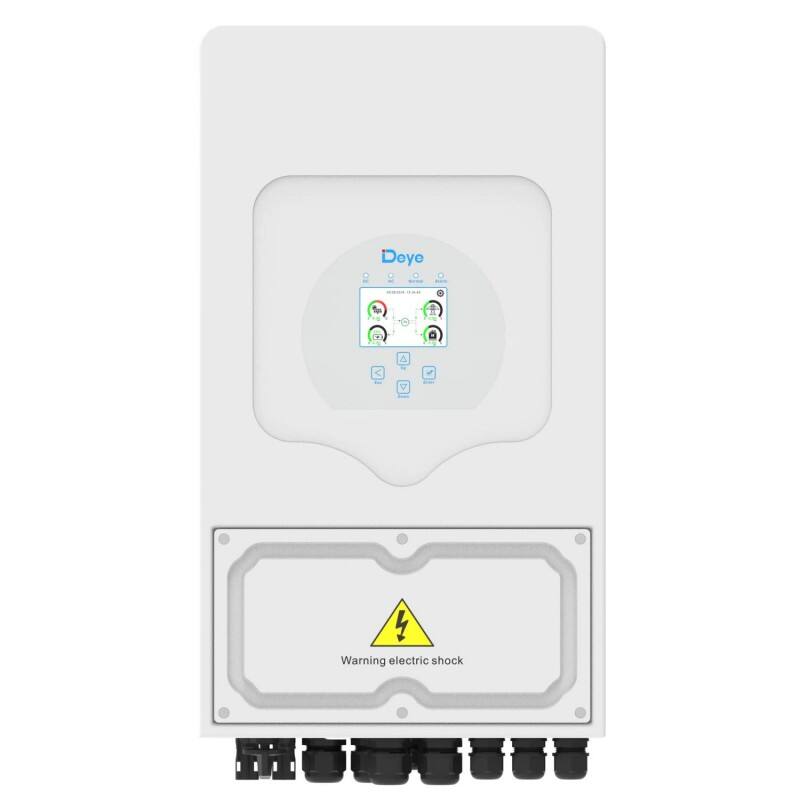
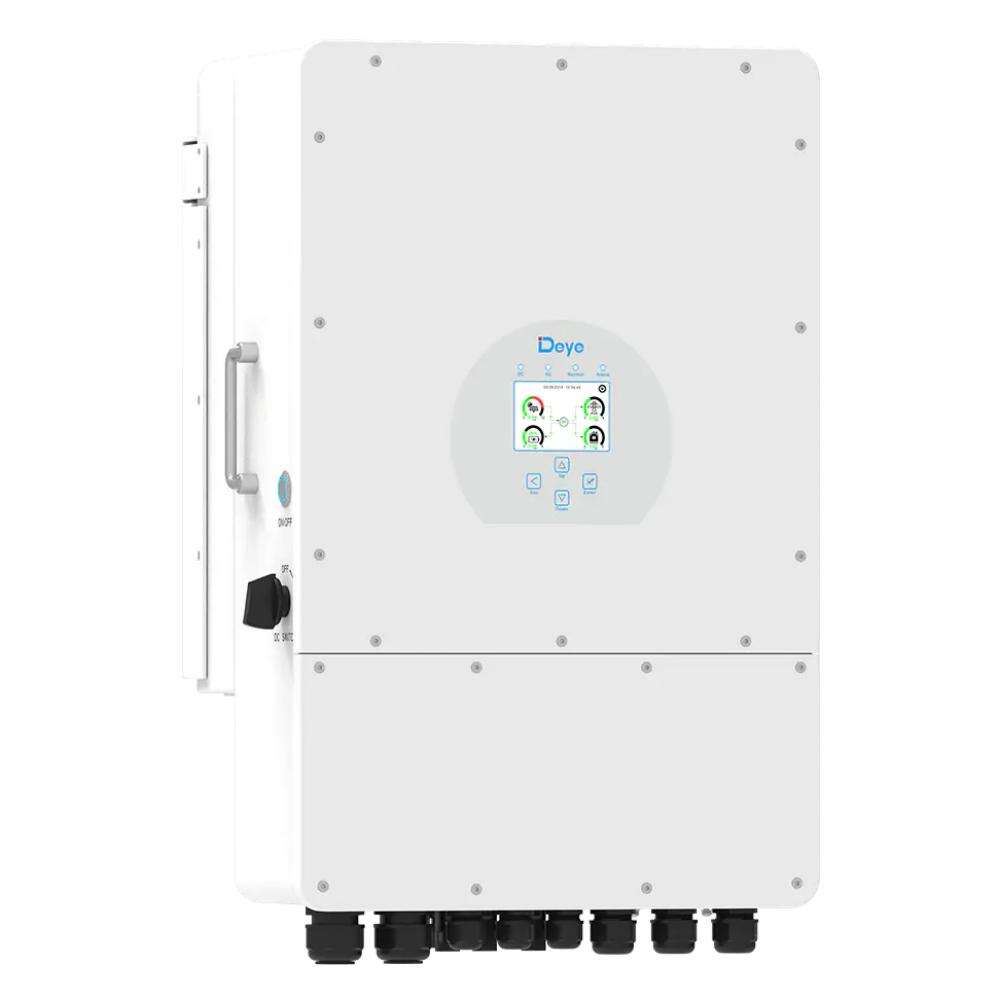
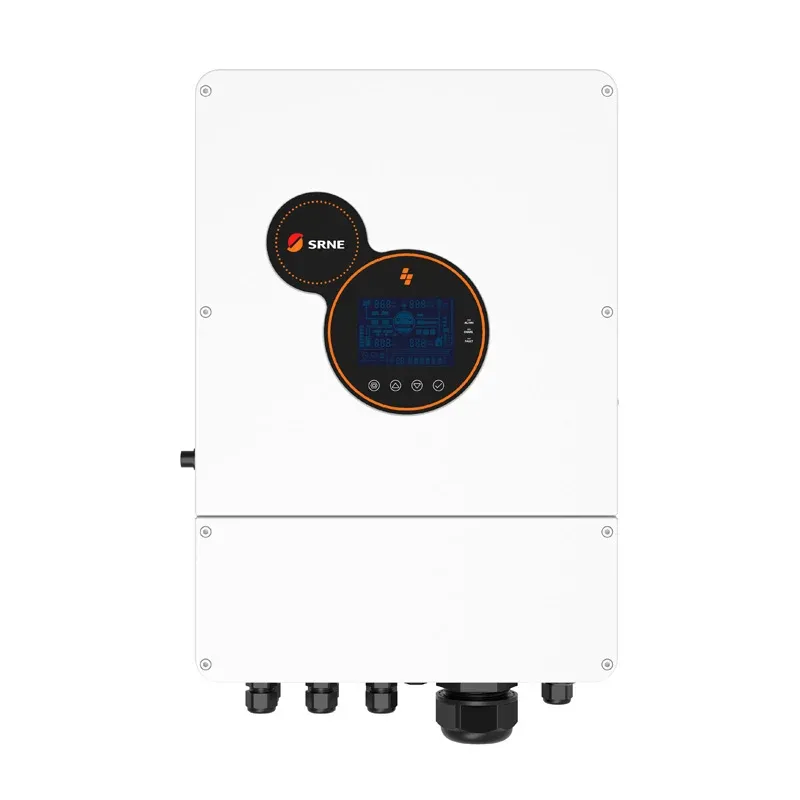
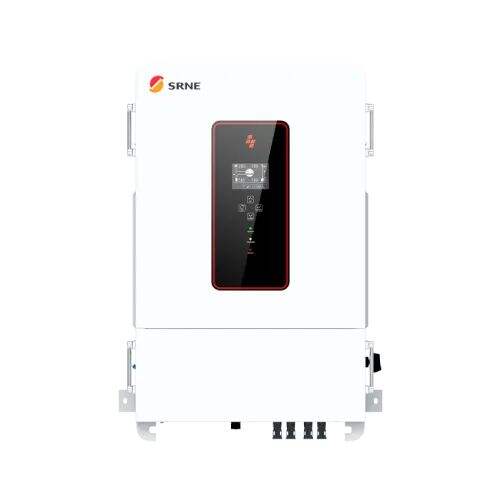
The intelligent inverter's sophisticated monitoring and control capabilities represent a paradigm shift in power management technology, offering users unprecedented visibility and control over their energy systems. This comprehensive monitoring framework continuously tracks dozens of performance parameters, including input voltage, output current, power factor, harmonic distortion levels, and thermal conditions, providing detailed analytics that enable informed decision-making about energy usage and system optimization. The integrated communication modules support multiple protocols including Wi-Fi, Ethernet, and cellular connectivity, ensuring reliable data transmission to cloud-based platforms where advanced analytics engines process the information to generate actionable insights and performance recommendations. Users can access detailed historical data spanning months or years, identifying trends and patterns that reveal optimization opportunities and potential efficiency improvements. The real-time alert system immediately notifies operators of any abnormal conditions, equipment malfunctions, or maintenance requirements through customizable notification channels including email, SMS, and mobile app push notifications. Advanced visualization tools present complex data in user-friendly dashboards, charts, and graphs that make it easy for non-technical users to understand system performance and identify areas for improvement. The predictive analytics capabilities use machine learning algorithms to forecast potential issues before they occur, enabling proactive maintenance scheduling that minimizes downtime and extends equipment lifespan. Remote control functionality allows operators to adjust system parameters, update firmware, and modify operational settings from anywhere in the world, providing unprecedented flexibility and convenience for system management. The monitoring system also tracks environmental factors such as ambient temperature, humidity, and solar irradiance levels, correlating these variables with system performance to optimize operation under varying conditions and maximize energy production efficiency.
 EN
EN