inverter systems
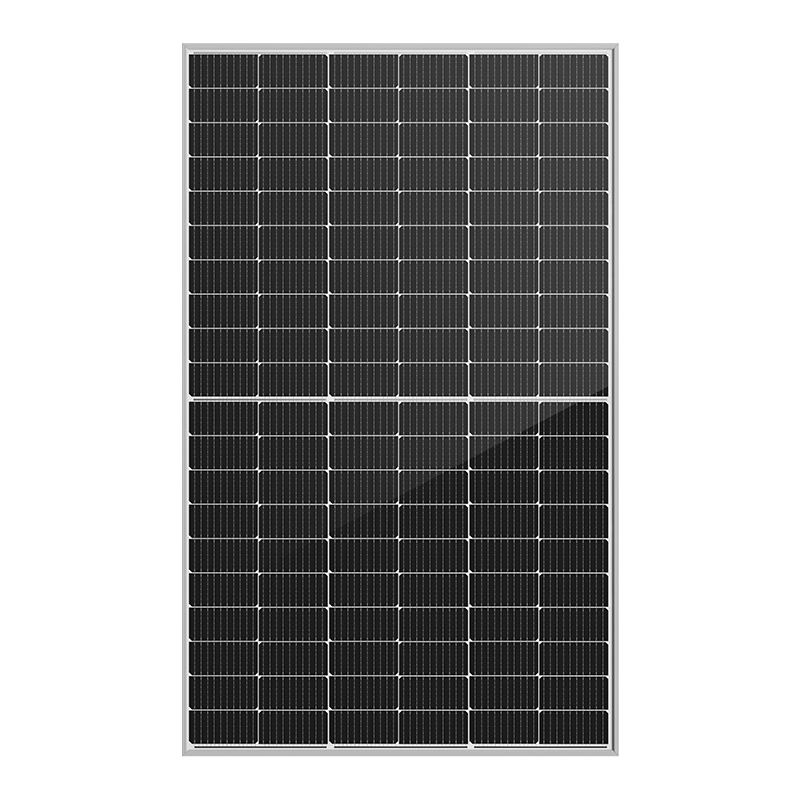
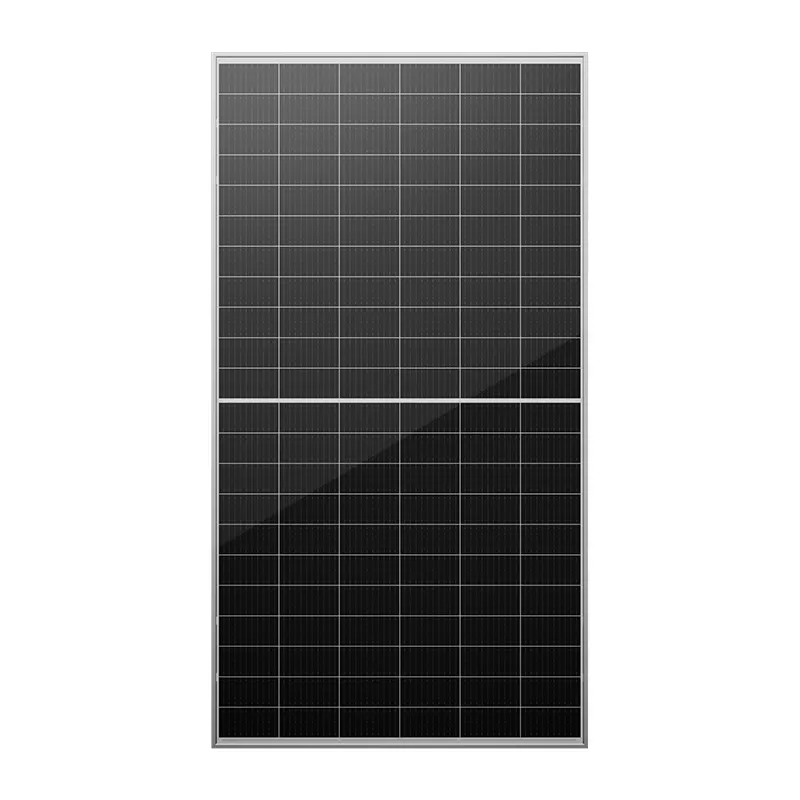
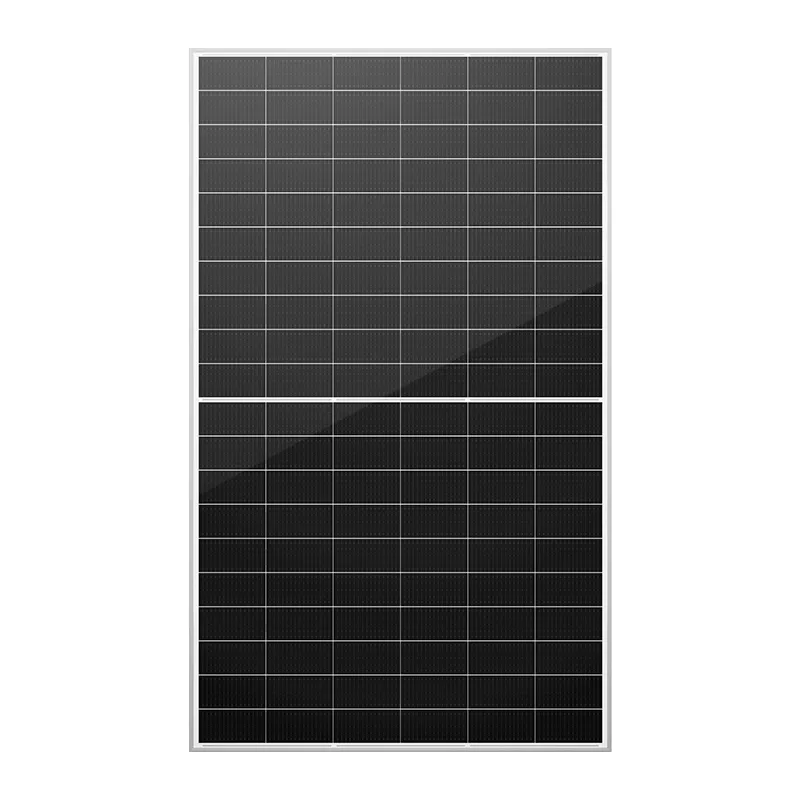
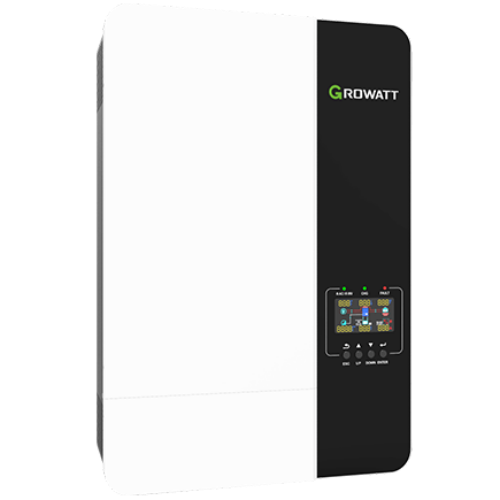
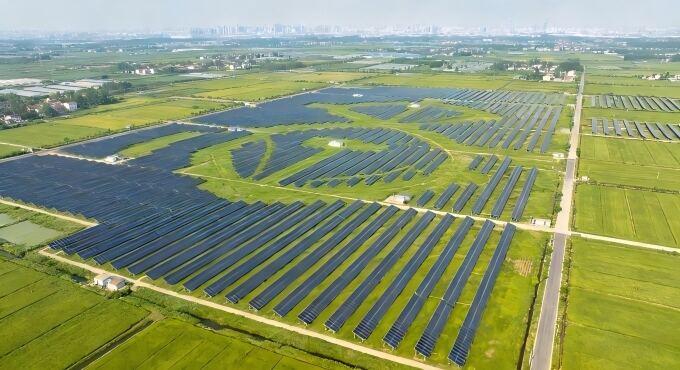
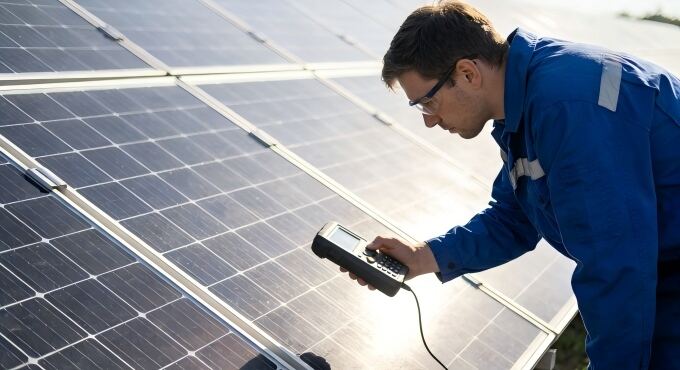
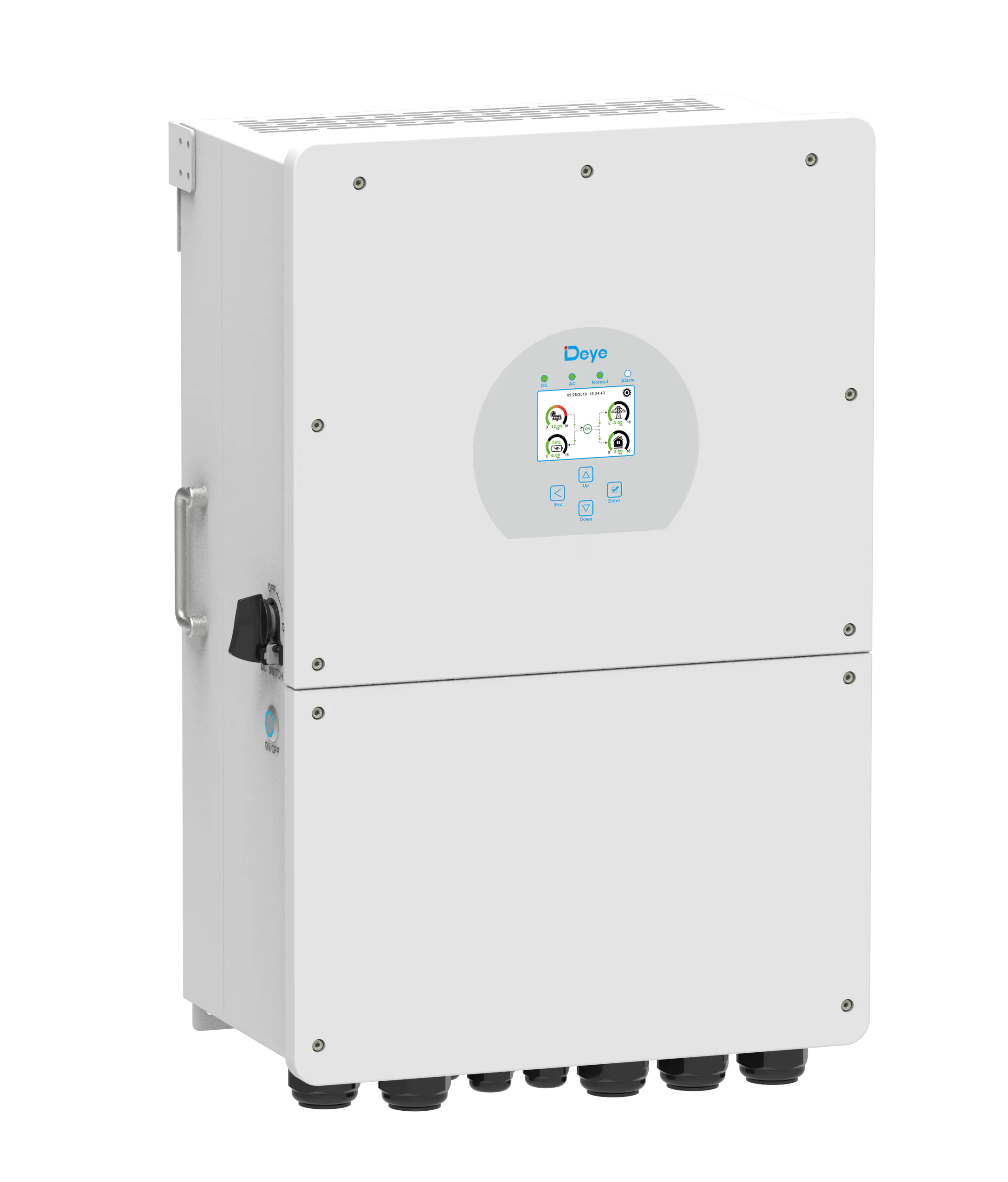
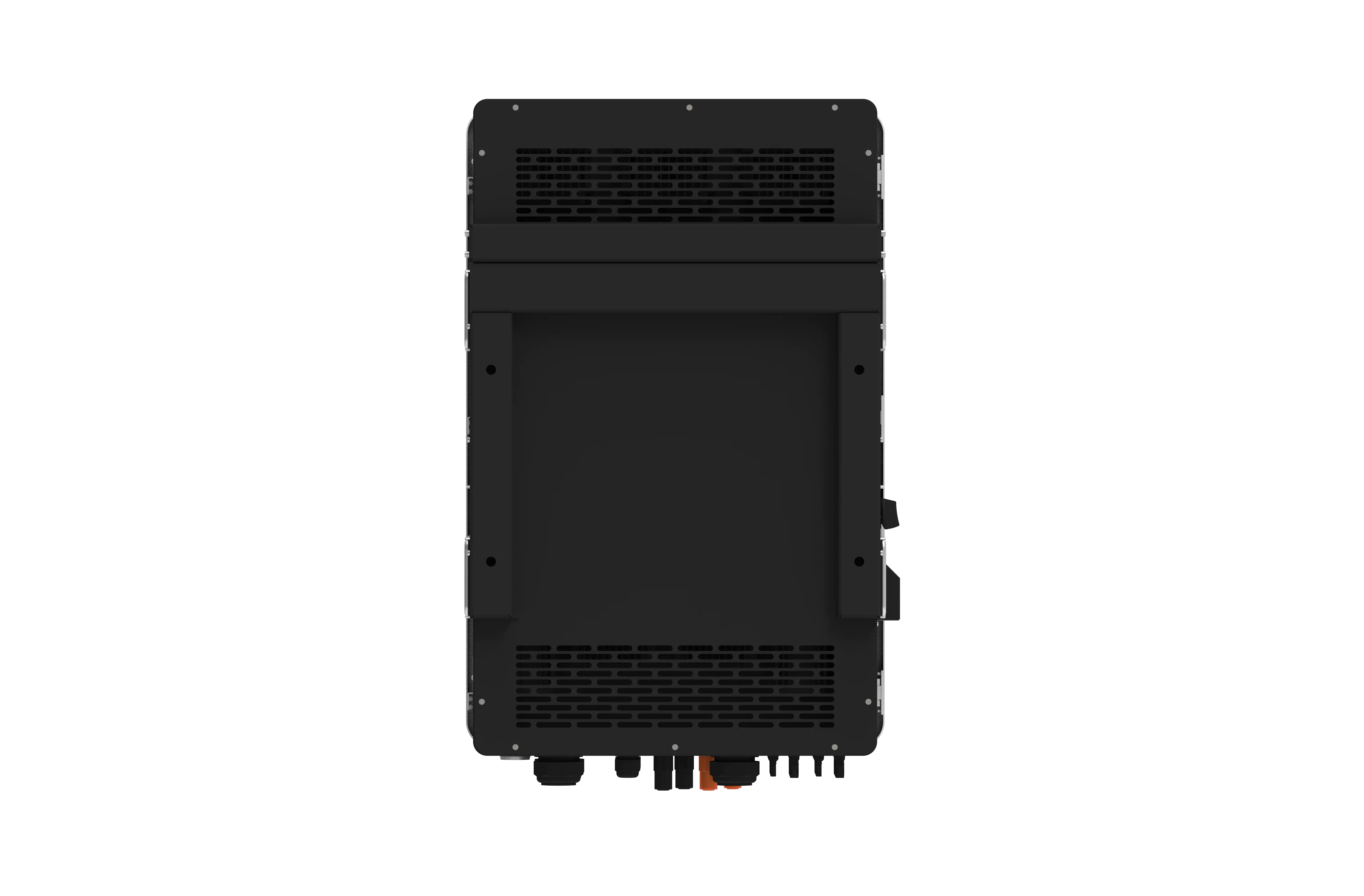
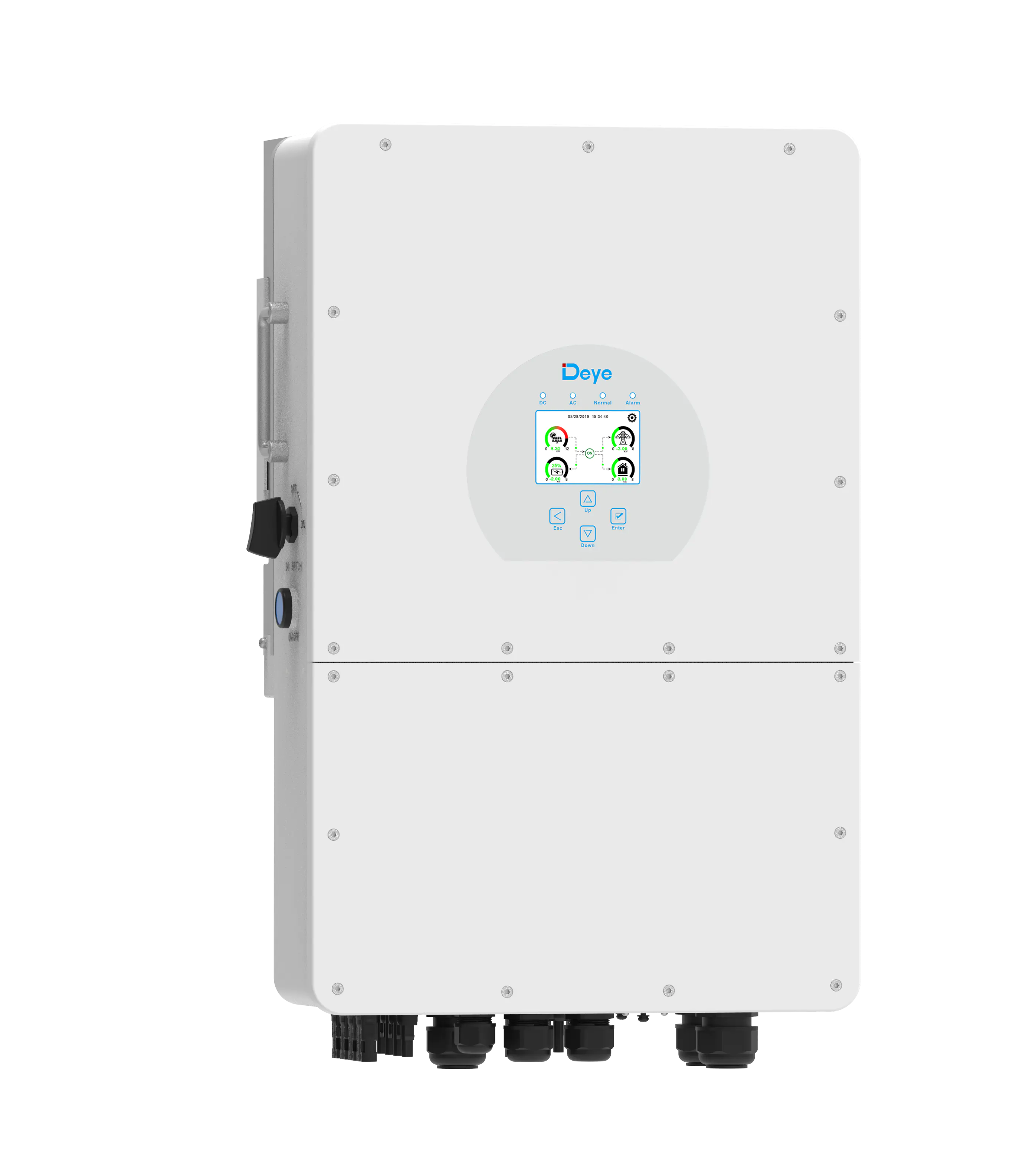
Inverter systems represent a fundamental technology that converts direct current (DC) electricity into alternating current (AC) electricity, serving as the backbone of modern electrical infrastructure. These sophisticated electronic devices utilize advanced semiconductor technology to transform power sources efficiently, enabling seamless integration between various energy generation methods and electrical grid systems. The primary function of inverter systems involves the precise manipulation of electrical waveforms, converting the steady DC voltage produced by sources like solar panels, batteries, or fuel cells into the oscillating AC voltage required by most household appliances and industrial equipment. Modern inverter systems incorporate microprocessor-controlled circuits that monitor and adjust output parameters in real-time, ensuring optimal performance across varying load conditions. The technological features of contemporary inverter systems include maximum power point tracking (MPPT) capabilities, which optimize energy harvest from renewable sources by continuously adjusting operational parameters. These systems employ pulse width modulation (PWM) technology to create clean, stable AC output that meets strict electrical standards and regulations. Advanced inverter systems feature built-in protection mechanisms against overvoltage, undervoltage, overcurrent, and thermal overload conditions, safeguarding both the equipment and connected devices. Grid-tie functionality allows inverter systems to synchronize with utility power networks, enabling bidirectional power flow and net metering capabilities. Applications for inverter systems span across residential, commercial, and industrial sectors, powering everything from home solar installations to large-scale renewable energy facilities. In residential settings, inverter systems enable homeowners to harness solar energy for daily electrical needs while maintaining connection to the utility grid. Commercial applications include backup power solutions, uninterruptible power supplies (UPS), and energy management systems that reduce operational costs. Industrial inverter systems support manufacturing processes, motor drives, and critical infrastructure where reliable power conversion is essential for maintaining productivity and safety standards.
 EN
EN