High Power Inverter Systems - Advanced Energy Conversion Solutions for Industrial and Commercial Applications

Get a Free Quote

Our representative will contact you soon.
Email
Mobile/WhatsApp
Name
Company Name
Message
0/1000

high power inverter

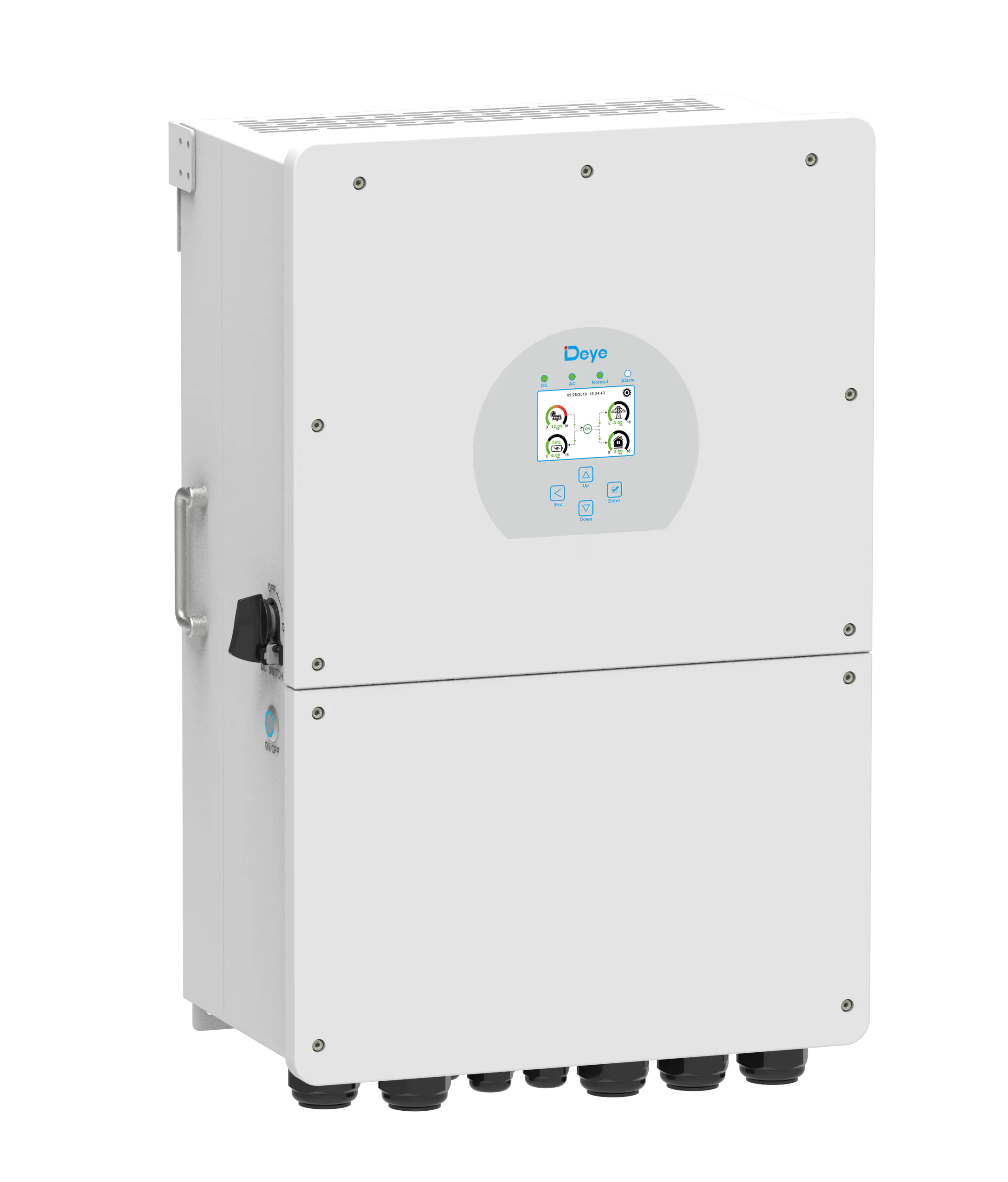
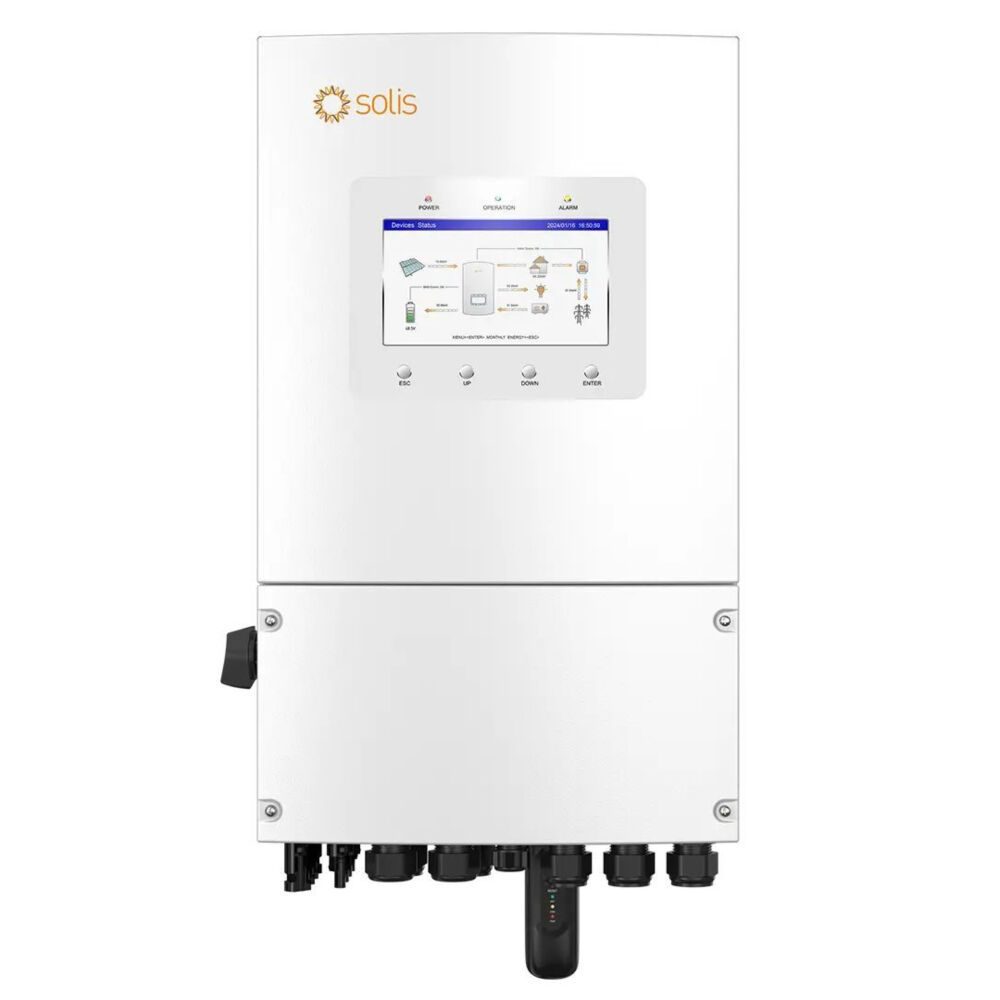
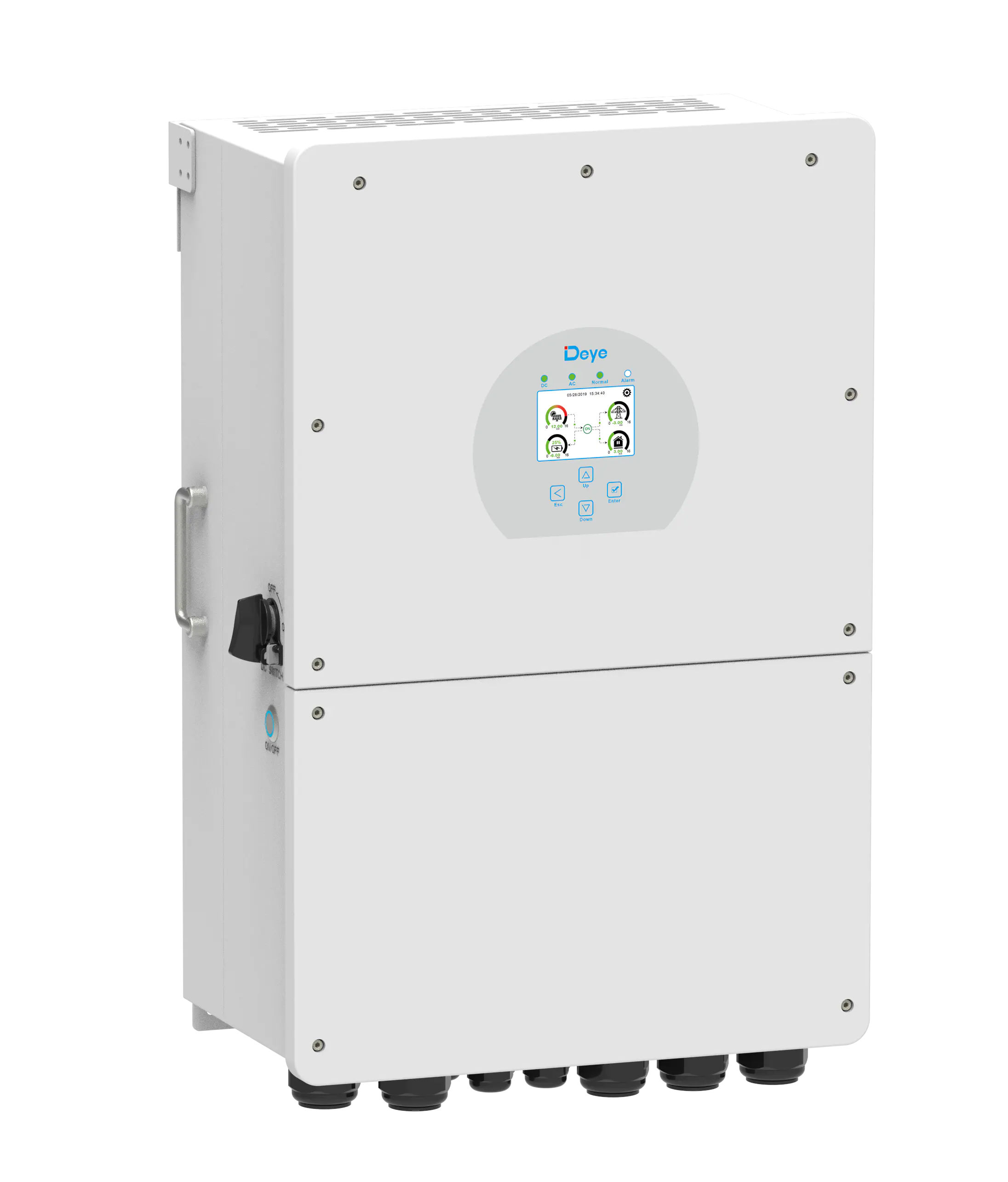
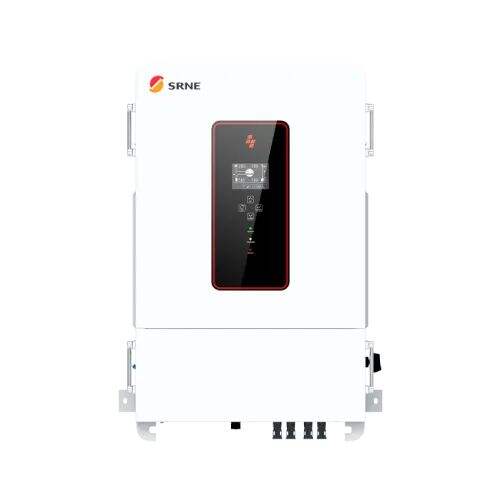
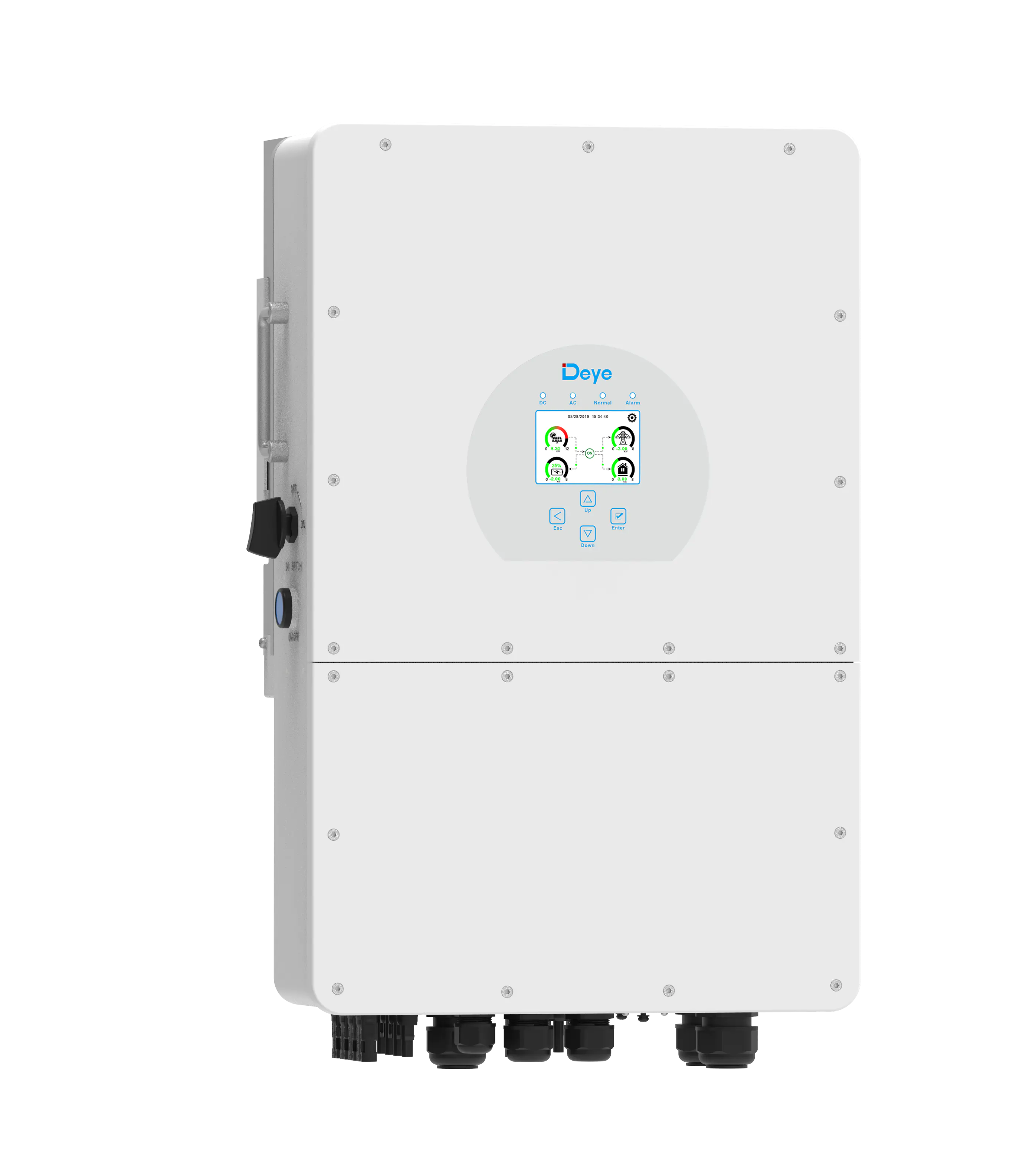
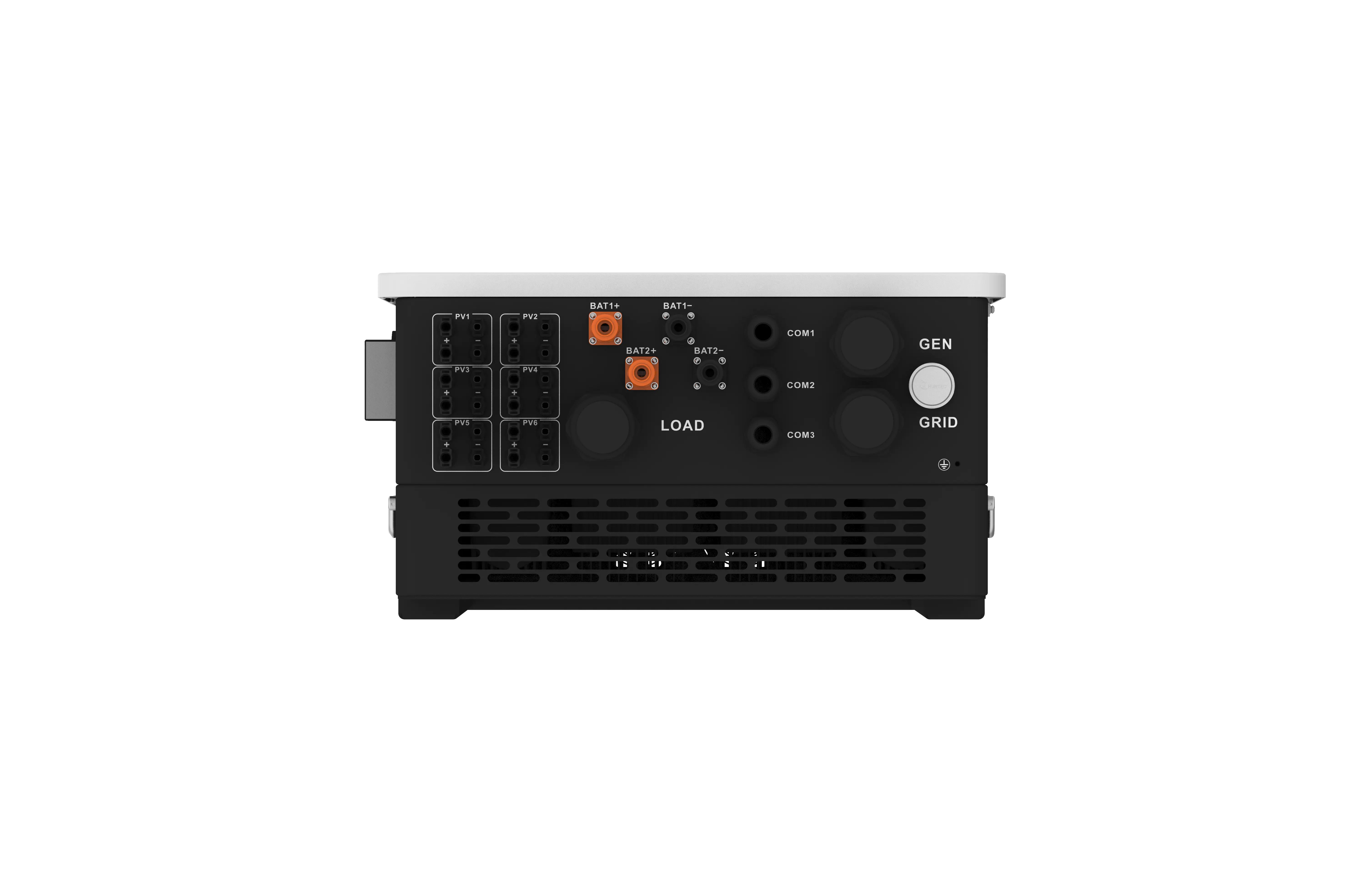
A high power inverter represents a sophisticated electrical device that transforms direct current (DC) electricity into alternating current (AC) electricity at substantial power levels, typically ranging from several kilowatts to megawatts. These robust energy conversion systems serve as critical infrastructure components in numerous industrial, commercial, and residential applications where reliable AC power generation is essential. The primary function of a high power inverter involves converting stored DC energy from batteries, solar panels, or other DC sources into usable AC electricity that matches standard grid specifications. Modern high power inverter systems incorporate advanced semiconductor technology, utilizing components like insulated gate bipolar transistors (IGBTs) and silicon carbide (SiC) devices to achieve superior efficiency rates exceeding 95 percent. These technological innovations enable precise control over output voltage, frequency, and waveform quality while maintaining exceptional reliability under demanding operating conditions. The sophisticated control algorithms embedded within high power inverter units continuously monitor and adjust power conversion parameters to optimize performance and protect connected equipment. Key technological features include advanced pulse width modulation (PWM) techniques, comprehensive protection systems, and intelligent grid synchronization capabilities. Applications for high power inverter technology span diverse sectors including renewable energy installations, uninterruptible power supply systems, motor drives for industrial machinery, electric vehicle charging stations, and grid-tie solar installations. In renewable energy applications, high power inverter units facilitate the integration of solar and wind power into existing electrical grids while maintaining power quality standards. Industrial facilities rely on these systems for backup power generation, motor control applications, and power conditioning purposes. The modular design approach commonly employed in high power inverter construction allows for scalable installations that can be customized to meet specific power requirements ranging from residential applications to utility-scale projects serving entire communities.

New Product Releases

High power inverter systems deliver exceptional energy efficiency that translates directly into reduced operating costs and environmental benefits for users. These advanced devices achieve conversion efficiencies exceeding 95 percent, meaning minimal energy loss during the DC to AC conversion process. This superior efficiency reduces electricity bills significantly compared to traditional power conversion methods while contributing to sustainable energy practices. The reliability factor represents another compelling advantage, with modern high power inverter units engineered to operate continuously for decades with minimal maintenance requirements. Robust construction using premium components ensures consistent performance even under harsh environmental conditions including extreme temperatures, humidity variations, and electrical disturbances. Users benefit from reduced downtime and lower maintenance expenses throughout the system lifespan. Flexible installation options make high power inverter systems adaptable to various facility requirements and space constraints. These units can be configured for indoor or outdoor installation, wall-mounted or floor-standing arrangements, and can accommodate different input voltage ranges to match existing electrical infrastructure. This versatility simplifies integration into new construction projects or retrofit applications. Advanced monitoring capabilities provide users with real-time visibility into system performance, energy production, and operational status. Comprehensive data logging features enable detailed analysis of power consumption patterns and system efficiency trends. Remote monitoring options allow facility managers to track performance from any location using smartphone apps or web-based interfaces. Safety features integrated into high power inverter designs protect both equipment and personnel through multiple layers of protection including overcurrent protection, overvoltage protection, ground fault detection, and arc fault interruption. These safety systems automatically shut down the inverter when potentially dangerous conditions are detected, preventing damage to connected equipment and ensuring personnel safety. Cost-effectiveness emerges through the combination of high efficiency, long operational life, and minimal maintenance requirements. Users typically recover their investment within several years through energy savings alone, while the extended lifespan provides decades of reliable service. Government incentives and tax credits available for renewable energy installations further enhance the economic benefits of high power inverter systems.

Tips And Tricks

Solar Product Tech Advances In 2025

20

Jan

Solar Product Tech Advances In 2025

View More
2025 Global Solar Market Demand (Emerging Markets)

20

Jan

2025 Global Solar Market Demand (Emerging Markets)

View More
Solar Products & Rural Electrification 2025

20

Jan

Solar Products & Rural Electrification 2025

View More

Get a Free Quote

Our representative will contact you soon.
Email
Mobile/WhatsApp
Name
Company Name
Message
0/1000

high power inverter

Advanced Power Electronics Technology

Advanced Power Electronics Technology

The foundation of modern high power inverter performance lies in cutting-edge power electronics technology that represents decades of engineering advancement and innovation. These sophisticated systems employ state-of-the-art semiconductor devices including silicon carbide (SiC) and gallium nitride (GaN) components that operate at significantly higher switching frequencies than traditional silicon-based devices. This technological breakthrough enables high power inverter units to achieve remarkable efficiency levels while reducing overall system size and weight. The advanced switching technology minimizes power losses during the conversion process, resulting in cooler operation and extended component lifespan. Intelligent gate drivers work in conjunction with these premium semiconductors to provide precise control over switching timing and reduce electromagnetic interference. The implementation of advanced pulse width modulation (PWM) algorithms ensures optimal waveform quality with minimal harmonic distortion, making high power inverter output suitable for sensitive electronic equipment and precision machinery. Digital signal processors (DSPs) and field-programmable gate arrays (FPGAs) provide the computational power necessary for real-time control and monitoring functions. These processors execute complex algorithms that continuously optimize inverter performance based on load conditions, input voltage variations, and environmental factors. Sophisticated feedback control systems monitor output voltage, current, and frequency with microsecond precision, making instantaneous adjustments to maintain stable power delivery. Thermal management systems incorporate advanced cooling technologies including liquid cooling, forced air convection, and heat pipe solutions to maintain optimal operating temperatures even under maximum load conditions. This comprehensive thermal design ensures consistent performance and protects sensitive electronic components from temperature-related degradation. The modular architecture employed in high power inverter design allows for easy maintenance and upgrades while providing redundancy that enhances overall system reliability.
Comprehensive Grid Integration Capabilities

Comprehensive Grid Integration Capabilities

Modern high power inverter systems excel in their ability to seamlessly integrate with existing electrical grids while providing advanced grid support functions that enhance overall power system stability and reliability. These sophisticated units incorporate intelligent grid synchronization technology that automatically matches output voltage, frequency, and phase relationships with the connected grid before establishing connection. This precise synchronization capability eliminates the potential for damaging transients or power quality disturbances during connection and disconnection events. Advanced anti-islanding protection ensures safe operation by immediately detecting grid outages and disconnecting the high power inverter to prevent dangerous feedback into utility lines. Grid-tie functionality enables bidirectional power flow, allowing excess energy generated by renewable sources to be fed back into the utility grid for credit or compensation programs. Sophisticated power factor correction capabilities allow high power inverter systems to provide reactive power support to improve grid stability and power quality. These units can operate in various modes including unity power factor, leading power factor, or lagging power factor depending on grid requirements and utility specifications. Voltage ride-through capabilities enable continued operation during grid voltage fluctuations and temporary disturbances, providing enhanced resilience for critical applications. Frequency regulation features allow high power inverter systems to participate in grid stabilization efforts by automatically adjusting output frequency in response to system conditions. Smart grid compatibility ensures future-proof operation with emerging grid technologies including demand response programs, virtual power plants, and distributed energy resource management systems. Communication protocols such as Modbus, DNP3, and IEC 61850 enable seamless integration with existing supervisory control and data acquisition (SCADA) systems. Remote monitoring and control capabilities allow utility operators to manage distributed high power inverter installations from centralized control centers. Load balancing algorithms optimize power distribution across multiple inverter units to maximize efficiency and reliability while minimizing stress on individual components.
Unmatched Scalability and Customization Options

Unmatched Scalability and Customization Options

The exceptional scalability and customization capabilities of high power inverter systems make them ideal solutions for applications ranging from small commercial installations to utility-scale power generation facilities. Modular design architecture allows users to configure systems precisely matching their current power requirements while providing seamless expansion options as future needs evolve. Individual high power inverter modules can be paralleled to achieve virtually unlimited power capacity, with sophisticated load-sharing algorithms ensuring optimal performance across all connected units. This scalable approach eliminates the need for oversized initial installations while providing a clear upgrade path as energy demands increase. Customization options extend to input voltage configurations, with high power inverter systems available for various DC input ranges including 48V, 96V, 192V, 384V, and higher voltage applications up to several kilovolts. Output configurations can be tailored to match specific requirements including single-phase or three-phase operation, various voltage levels, and different frequency standards to accommodate international applications. Mounting options provide flexibility for diverse installation environments, with high power inverter units available in rack-mounted configurations for data center applications, wall-mounted designs for space-constrained locations, and free-standing cabinets for outdoor installations. Environmental packaging options include NEMA-rated enclosures for harsh industrial environments, weatherproof housings for outdoor applications, and specialized cooling systems for extreme temperature conditions. Control interface customization allows integration with existing facility management systems through various communication protocols and interface options. Programmable parameters enable fine-tuning of high power inverter operation to match specific application requirements including startup sequences, protection settings, and operational modes. Safety certifications can be customized to meet regional standards and specific industry requirements including UL, CE, IEC, and other international safety standards. Warranty and service options provide additional customization with extended warranty periods, preventive maintenance programs, and dedicated technical support packages tailored to individual customer needs. Training programs and technical documentation can be customized to match user expertise levels and specific application requirements.
Get a Free Quote

Our representative will contact you soon.
Email
Mobile/WhatsApp
Name
Company Name
Message
0/1000