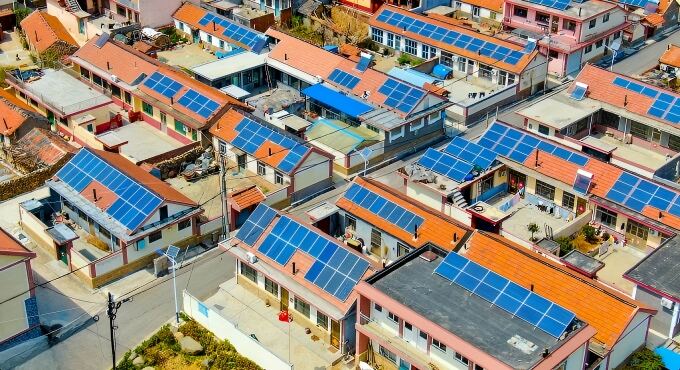
serial vs parallel solar panels
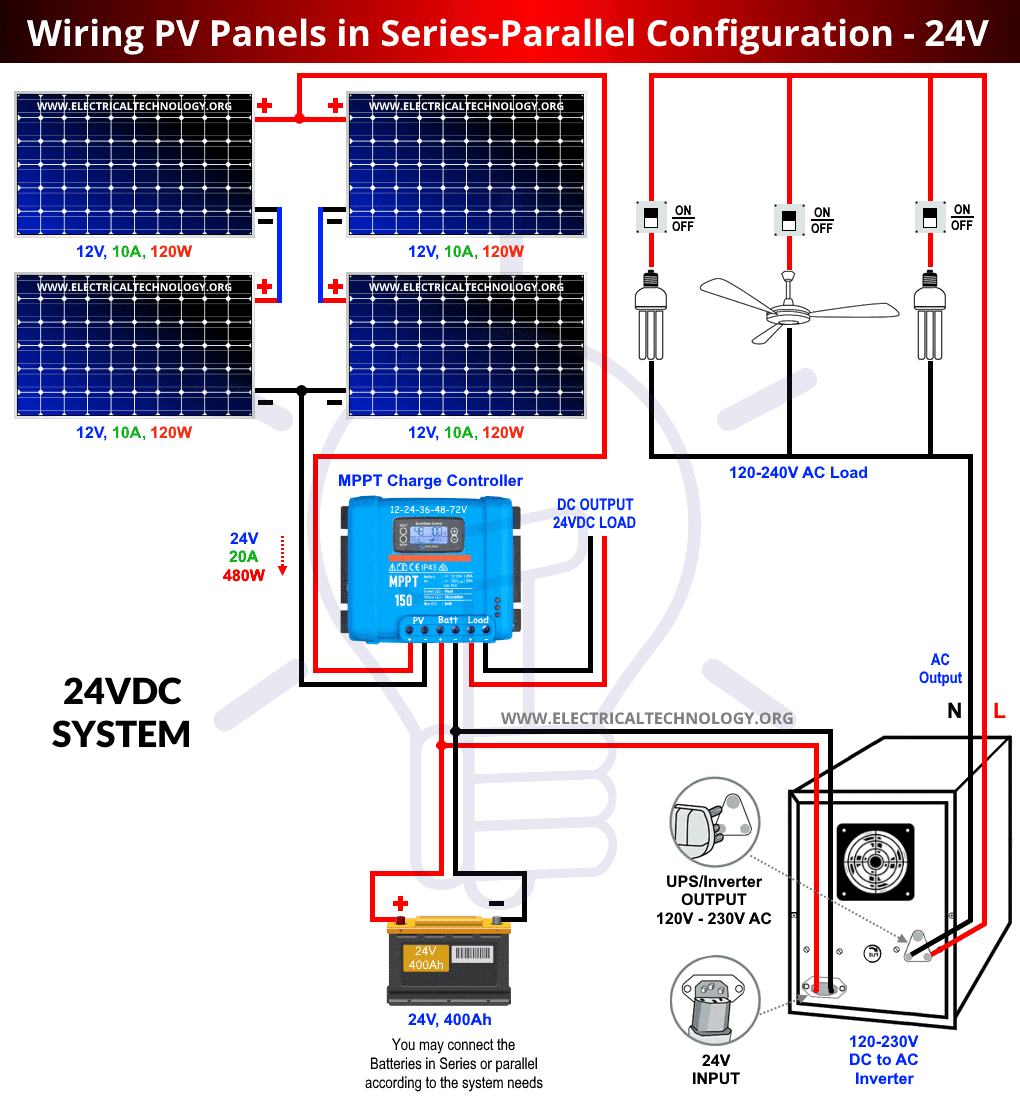
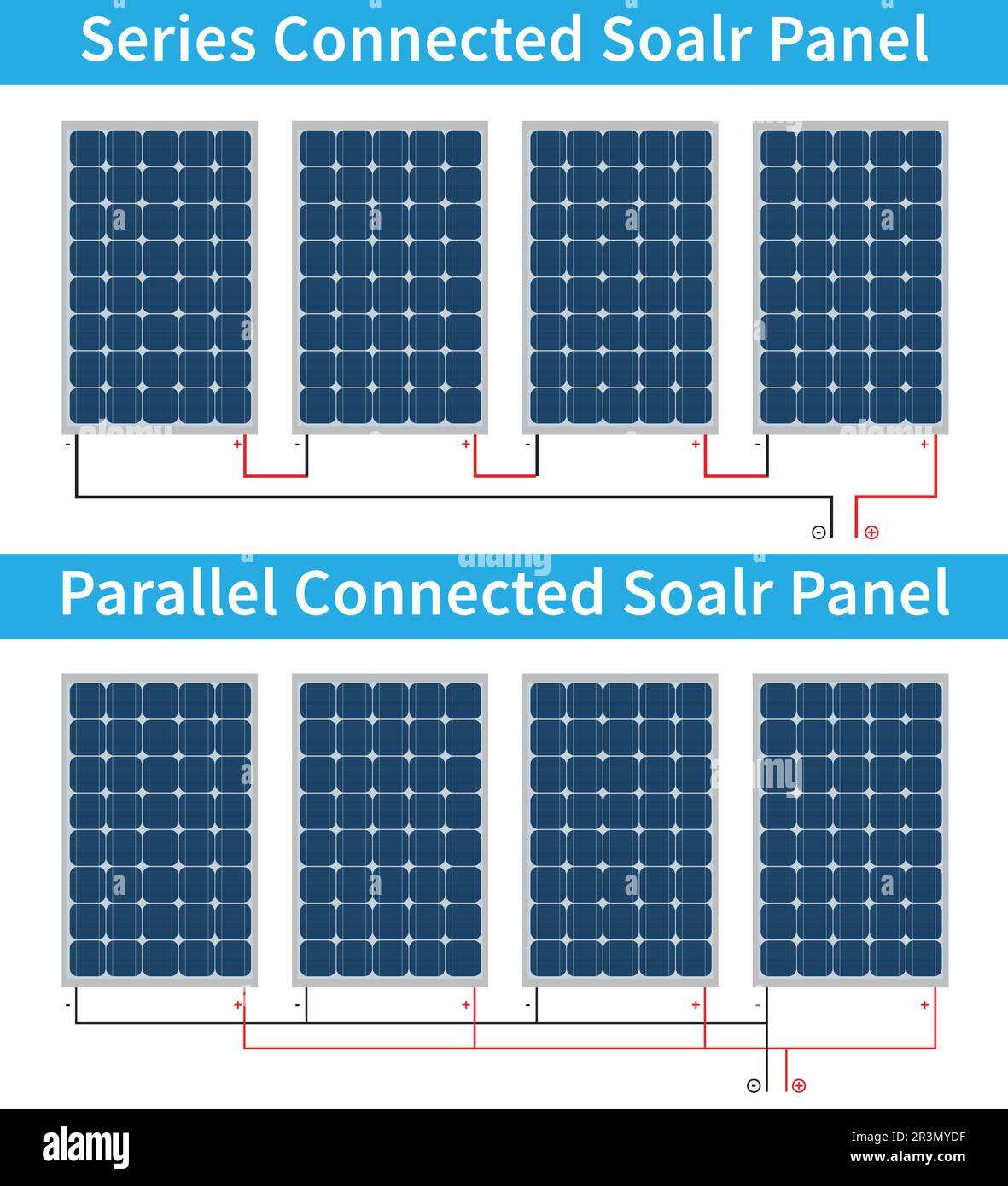
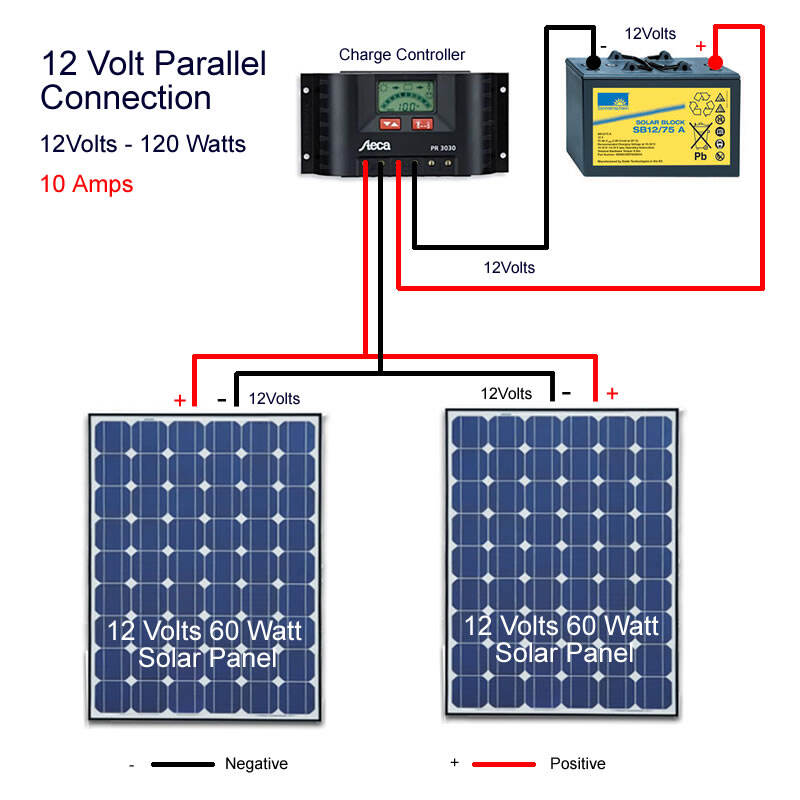
Solar panel installation requires careful consideration of wiring configurations, with serial vs parallel solar panels representing two fundamental approaches that significantly impact system performance. Understanding these wiring methods helps homeowners and businesses make informed decisions about their renewable energy investments. Serial wiring connects solar panels in a chain, where the positive terminal of one panel connects to the negative terminal of the next, creating a continuous electrical pathway. This configuration increases voltage while maintaining the same current throughout the circuit. Parallel wiring, conversely, connects all positive terminals together and all negative terminals together, maintaining voltage while increasing current capacity. The choice between serial vs parallel solar panels depends on specific installation requirements, including available roof space, shading conditions, and electrical infrastructure. Serial configurations excel in situations with uniform sunlight exposure and limited space, as they require fewer electrical connections and simplified wiring. However, they suffer from the weakness that shading on one panel affects the entire string's performance. Parallel configurations offer greater flexibility and resilience against partial shading but require more complex wiring and additional safety equipment. Modern solar installations often employ combination approaches, using series strings connected in parallel to optimize both voltage and current characteristics. The decision between serial vs parallel solar panels also influences inverter selection, system monitoring capabilities, and maintenance requirements. String inverters work well with series configurations, while power optimizers or microinverters better suit parallel setups. Safety considerations play a crucial role, as series configurations produce higher voltages that require specialized handling procedures and equipment. Parallel systems typically operate at lower voltages, reducing electrical hazards during installation and maintenance. Cost implications vary between configurations, with series setups generally requiring lower initial investments but potentially higher long-term maintenance costs due to performance dependencies. Understanding these fundamental differences enables property owners to select the most appropriate wiring strategy for their specific circumstances and energy goals.
 EN
EN