solar panels for industrial use
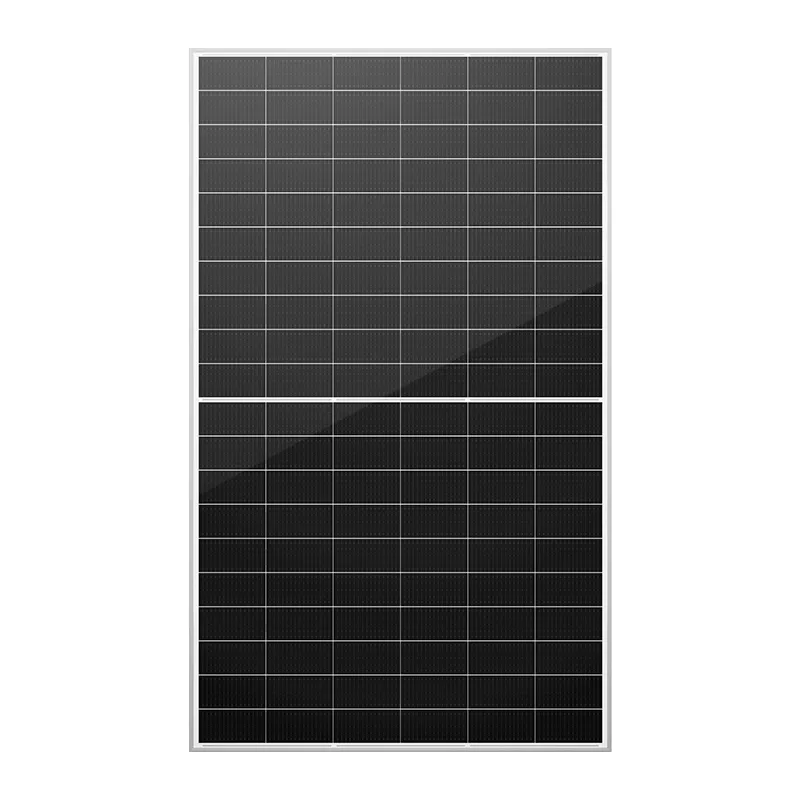
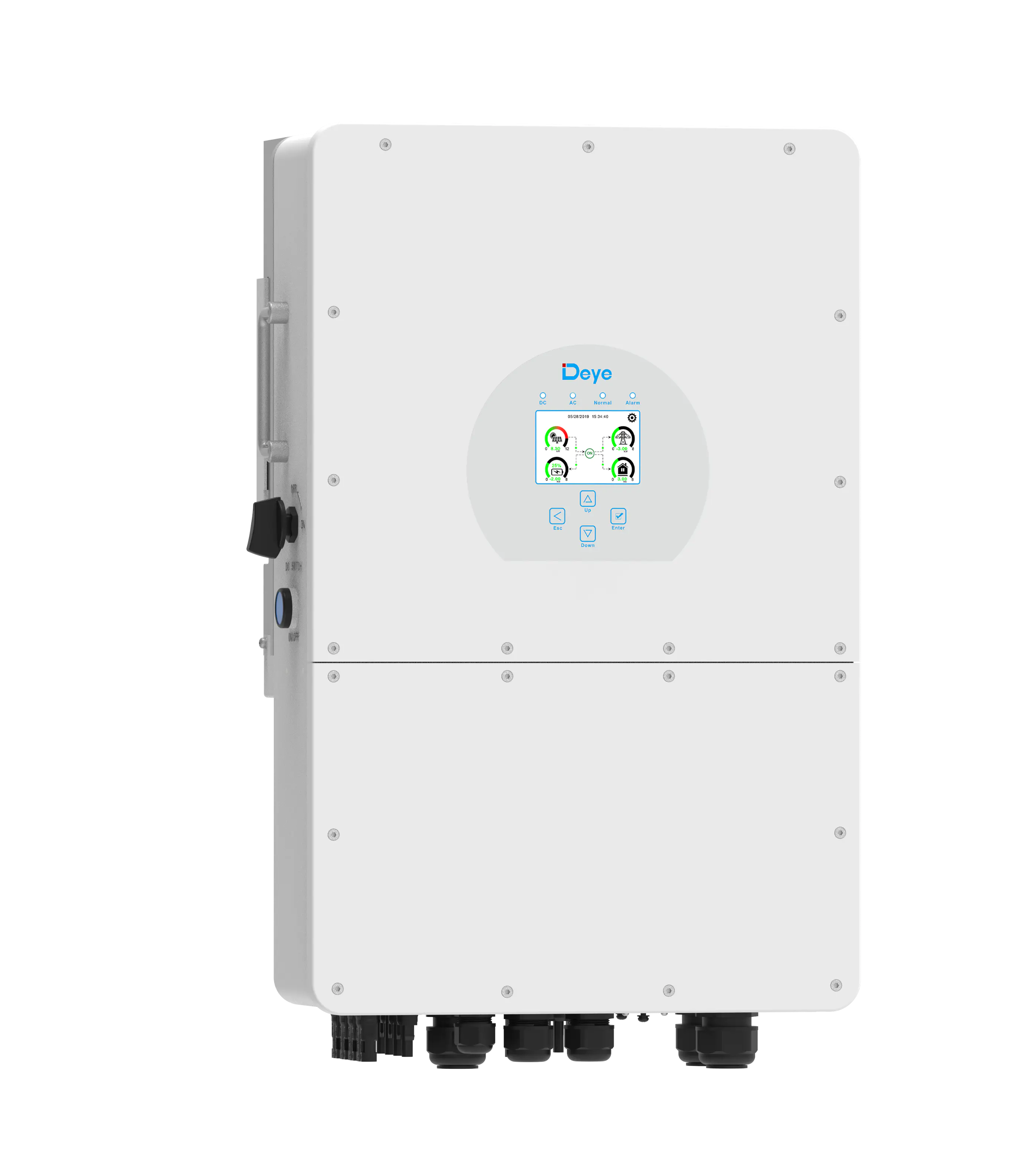
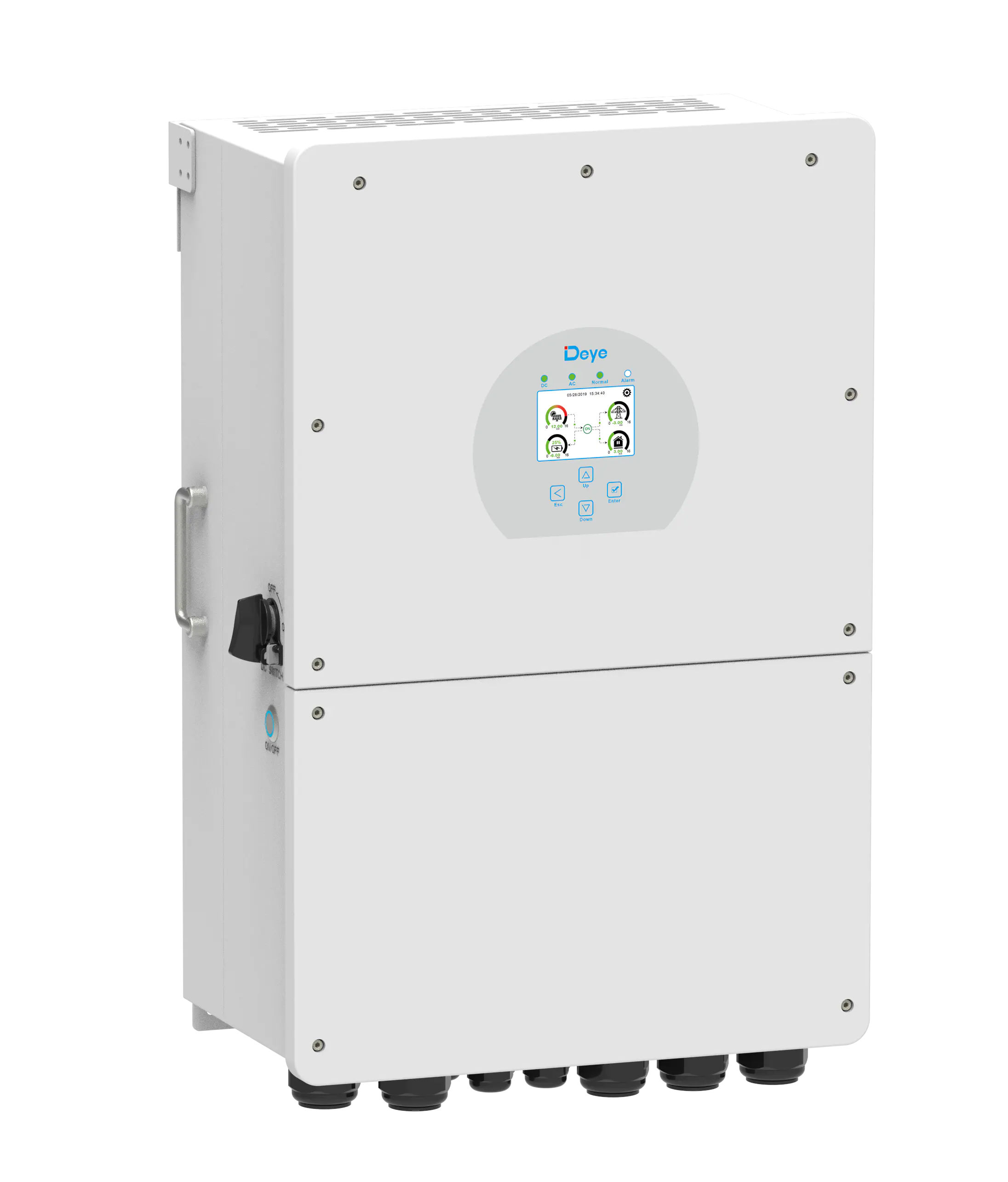
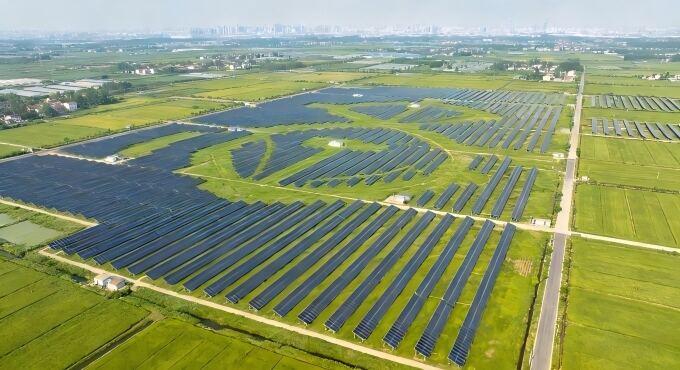
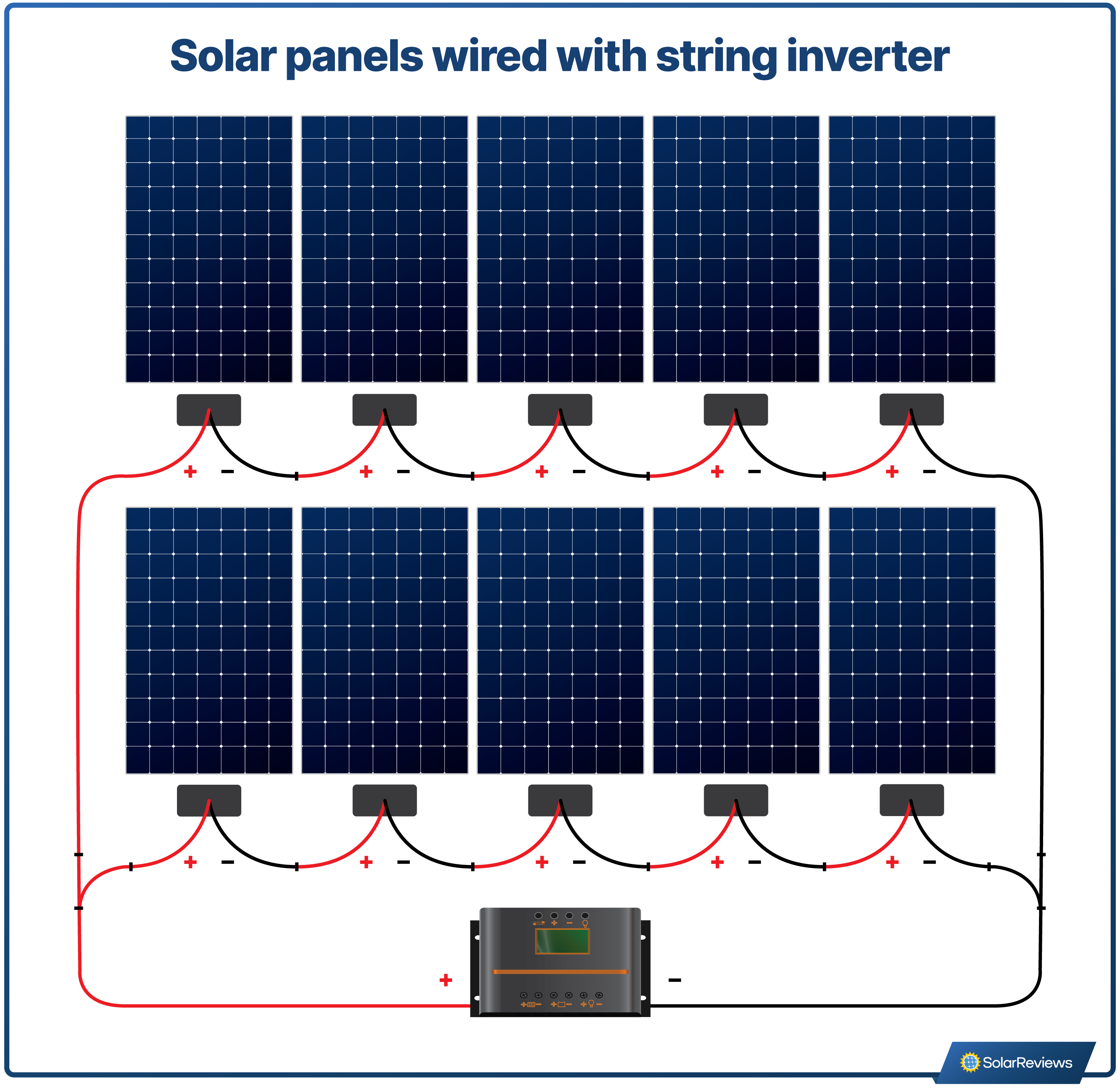
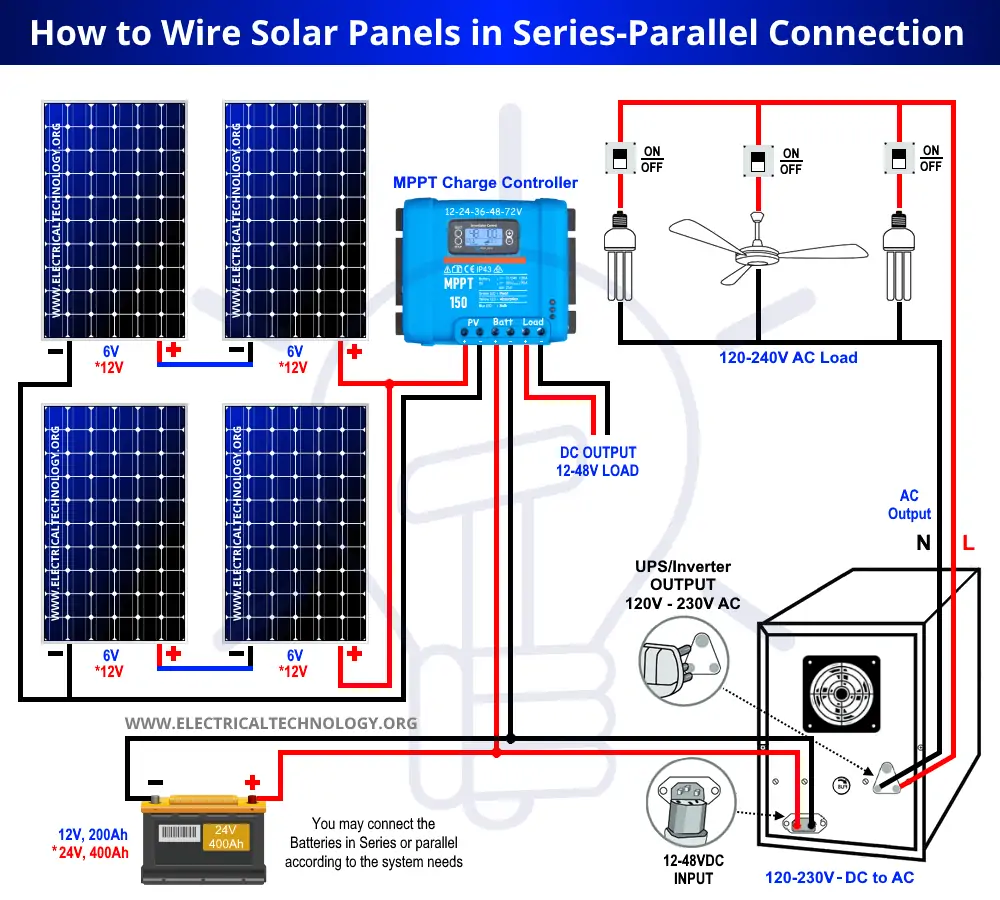
Solar panels for industrial use represent cutting-edge photovoltaic technology designed to meet the substantial energy demands of manufacturing facilities, warehouses, and large-scale commercial operations. These robust systems convert sunlight into electricity through advanced silicon cells, delivering reliable power generation for industrial applications. Unlike residential installations, solar panels for industrial use feature enhanced durability specifications, higher efficiency ratings, and superior performance under demanding operational conditions. Modern industrial solar installations typically utilize monocrystalline or polycrystalline silicon technology, with power outputs ranging from 400 to 600 watts per panel. These systems incorporate advanced anti-reflective coatings, tempered glass surfaces, and reinforced aluminum frames to withstand harsh environmental conditions including extreme temperatures, high winds, and heavy precipitation. The mounting systems for solar panels for industrial use employ specialized racking solutions designed for flat rooftops, ground-mounted arrays, and building-integrated installations. Smart inverter technology converts direct current from the panels into alternating current suitable for industrial equipment and grid connection. Monitoring systems provide real-time performance data, enabling facility managers to optimize energy production and identify maintenance requirements promptly. Industrial solar installations often integrate with existing electrical infrastructure through sophisticated switchgear and protection systems, ensuring seamless operation alongside conventional power sources. Energy storage capabilities can be incorporated to provide backup power during outages or peak demand periods. The scalability of solar panels for industrial use allows businesses to expand their renewable energy capacity incrementally, matching growth in energy requirements with additional panel installations. Advanced tracking systems maximize energy capture by following the sun's path throughout the day, increasing overall system efficiency by up to 35 percent compared to fixed installations.
 EN
EN