Solar Series vs Parallel: Complete Guide to Wiring Configurations, Benefits & Optimization

Get a Free Quote

Our representative will contact you soon.
Email
Mobile/WhatsApp
Name
Company Name
Message
0/1000

solar series vs parallel

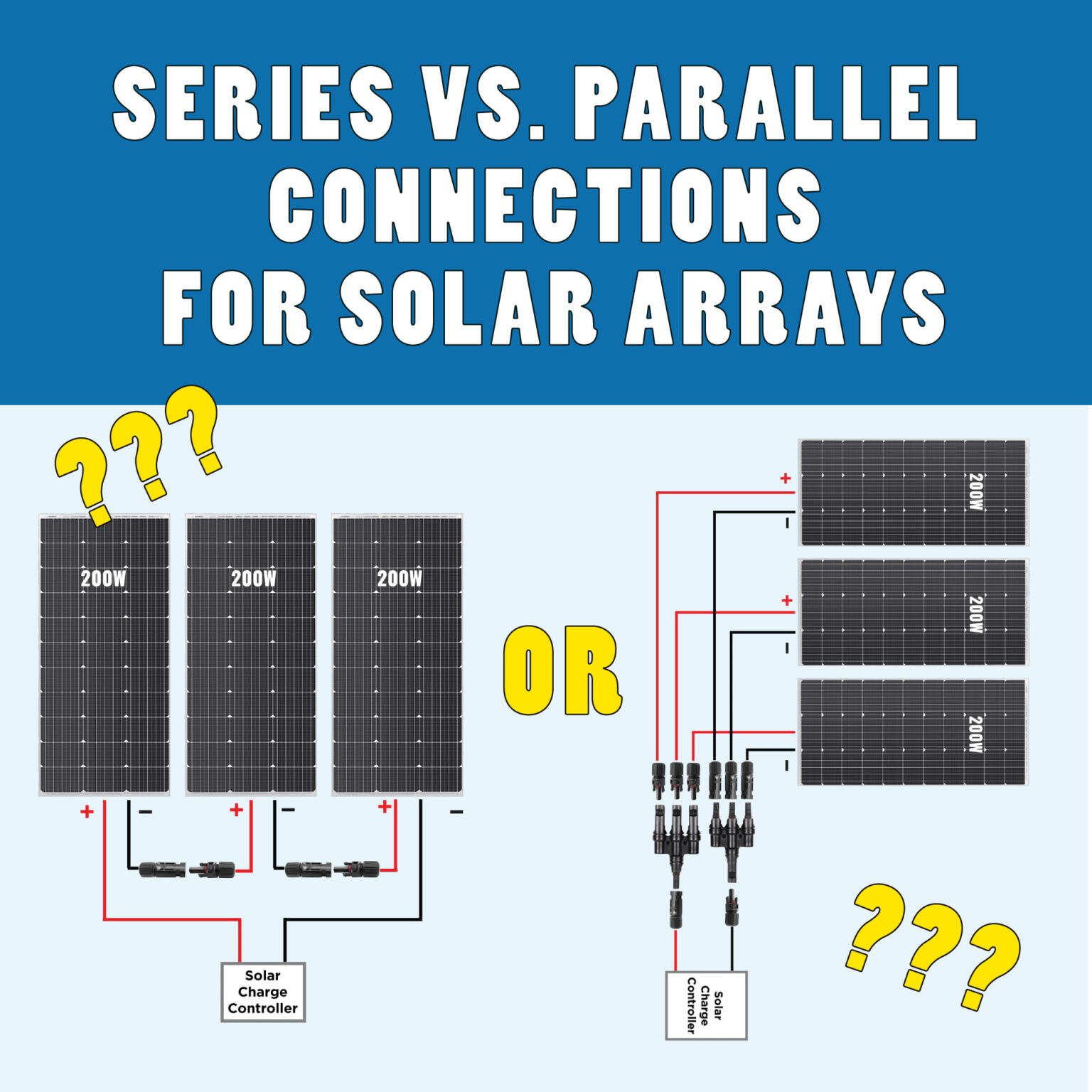
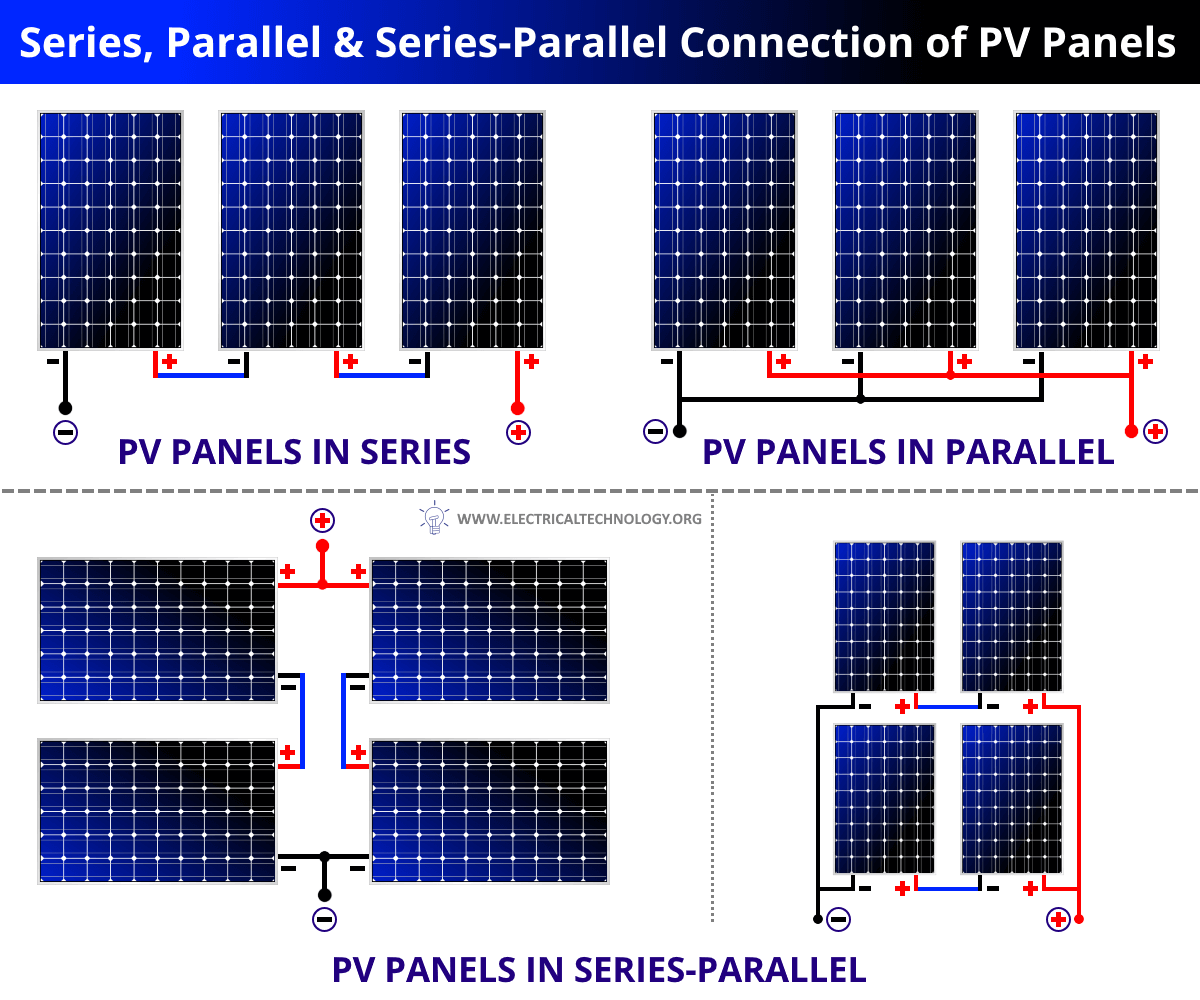
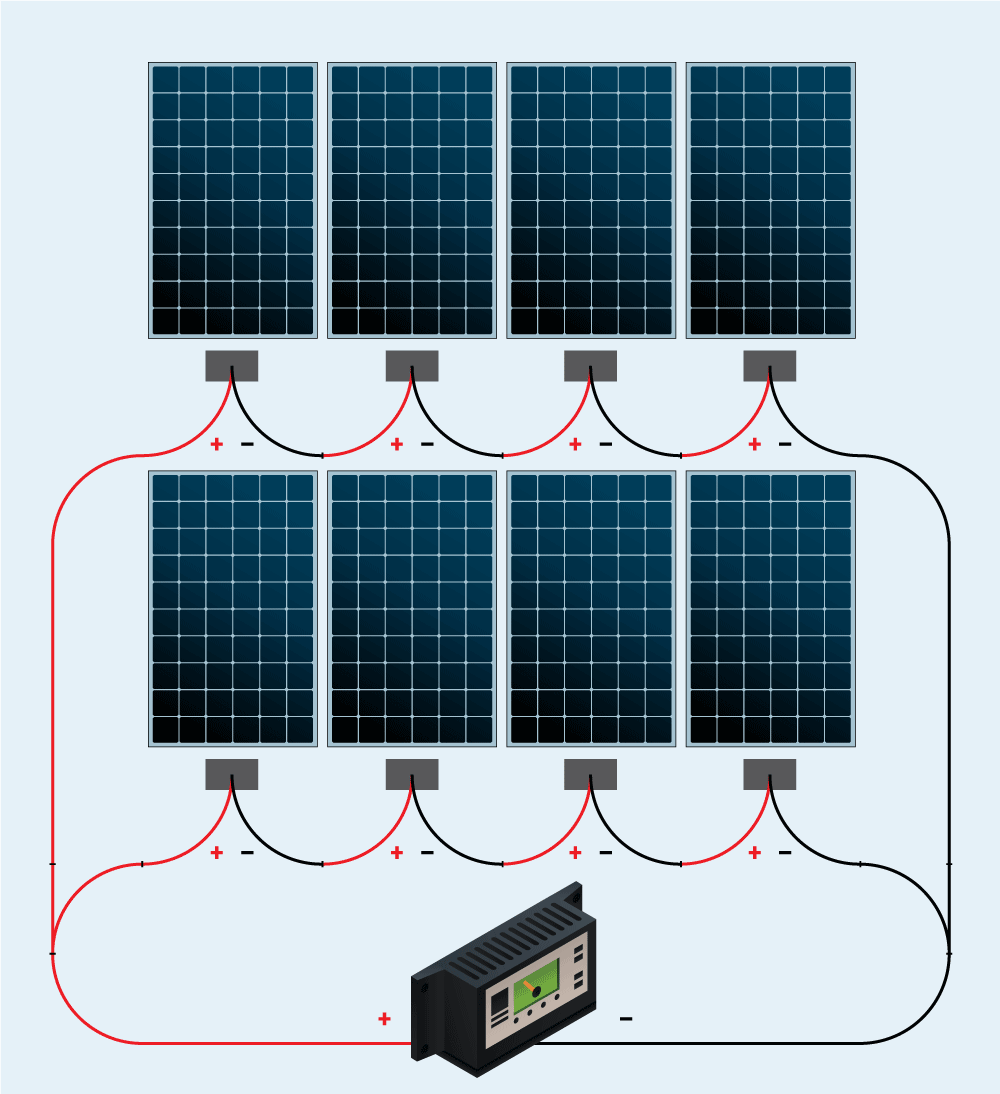
Solar series vs parallel configurations represent two fundamental wiring methods that determine how solar panels connect within a photovoltaic system. Understanding solar series vs parallel connections is crucial for optimizing energy production and system performance. In series configuration, solar panels connect end-to-end like Christmas lights, creating a single pathway for electrical current to flow. The positive terminal of one panel connects to the negative terminal of the next panel, continuing this pattern throughout the array. This arrangement increases the total system voltage while maintaining the same current as individual panels. Conversely, parallel configuration connects all positive terminals together and all negative terminals together, creating multiple pathways for current flow. This setup maintains the same voltage as individual panels while increasing the total current output. The choice between solar series vs parallel wiring significantly impacts system efficiency, maintenance requirements, and overall performance. Series connections work best when panels receive uniform sunlight exposure and operate under similar conditions. However, shading on one panel can reduce the entire string's output, creating a bottleneck effect. Parallel configurations offer greater resilience against shading issues since each panel operates independently, but they require more complex wiring and additional safety equipment. Modern solar installations often employ a combination of both methods, creating series strings that connect in parallel to maximize benefits. This hybrid approach, known as series-parallel configuration, optimizes voltage levels for inverter compatibility while maintaining system reliability. The technological features of solar series vs parallel systems include different voltage and current characteristics, varying safety requirements, and distinct monitoring capabilities. Applications range from residential rooftop installations to large commercial solar farms, with configuration choice depending on specific site conditions, shading patterns, and electrical requirements. Professional solar installers evaluate factors such as roof orientation, potential shading sources, local electrical codes, and inverter specifications when determining the optimal solar series vs parallel configuration for each unique installation.

New Product Releases

The advantages of solar series vs parallel configurations offer distinct benefits that cater to different installation needs and environmental conditions. Series wiring provides significant cost savings through simplified installation processes and reduced material requirements. When panels connect in series, installers use fewer cables and connectors, reducing both material costs and labor time. This streamlined approach makes series configurations particularly attractive for budget-conscious homeowners and large-scale installations where cost efficiency is paramount. The higher voltage output of series configurations matches inverter input requirements more effectively, eliminating the need for voltage step-up equipment and improving overall system efficiency. Series connections also offer superior performance in uniform lighting conditions, delivering maximum power output when all panels receive equal sunlight exposure. Conversely, parallel configurations excel in challenging environmental conditions where shading poses significant concerns. Each panel operates independently in parallel systems, ensuring that shading on one panel does not compromise the entire array's performance. This independence makes parallel configurations ideal for installations with partial shading from trees, buildings, or other obstacles. The lower voltage operation of parallel systems enhances safety during installation and maintenance, reducing electrical hazards for technicians and homeowners. Parallel wiring also provides superior monitoring capabilities, allowing individual panel performance tracking and easier troubleshooting of system issues. When considering solar series vs parallel advantages, maintenance accessibility stands out as a key differentiator. Parallel systems enable panel-level maintenance without affecting other components, while series systems require string-level attention that may temporarily impact multiple panels. The fault tolerance of parallel configurations provides greater system reliability, as individual panel failures do not cascade throughout the array. However, series configurations offer simpler monitoring systems and reduced complexity in system design. The choice between solar series vs parallel ultimately depends on specific site conditions, budget constraints, and performance priorities. Many modern installations combine both approaches, creating series strings connected in parallel to capture the benefits of both configurations while minimizing their respective limitations.

Tips And Tricks

Solar Product Tech Advances In 2025

20

Jan

Solar Product Tech Advances In 2025

View More
2025 Global Solar Market Demand (Emerging Markets)

20

Jan

2025 Global Solar Market Demand (Emerging Markets)

View More
Solar Products & Rural Electrification 2025

20

Jan

Solar Products & Rural Electrification 2025

View More

Get a Free Quote

Our representative will contact you soon.
Email
Mobile/WhatsApp
Name
Company Name
Message
0/1000

solar series vs parallel

Enhanced Power Output Optimization Through Smart Configuration

Enhanced Power Output Optimization Through Smart Configuration

The power optimization capabilities of solar series vs parallel configurations represent a revolutionary approach to maximizing energy harvest from photovoltaic systems. This sophisticated methodology allows solar installations to adapt to varying environmental conditions and site-specific challenges that traditional single-configuration approaches cannot address effectively. When examining solar series vs parallel optimization, the series configuration excels in situations where uniform lighting conditions prevail across the entire array. In these optimal scenarios, series wiring increases system voltage proportionally to the number of connected panels, creating efficient power transmission with minimal losses. The higher voltage output reduces current flow for the same power level, which directly translates to reduced resistive losses in cables and improved overall system efficiency. This advantage becomes particularly pronounced in larger installations where cable runs extend over significant distances. The mathematical relationship demonstrates that power losses decrease exponentially as voltage increases, making series configurations exceptionally valuable for commercial and utility-scale projects. However, the true innovation emerges when considering parallel configurations for challenging installations. Parallel wiring maintains consistent voltage levels while increasing current capacity, providing remarkable resilience against performance degradation caused by partial shading, soiling, or individual panel malfunctions. Each panel operates as an independent power generator, ensuring that reduced performance in one unit does not create cascading effects throughout the system. This independence proves invaluable in residential installations where roof geometries, nearby structures, or vegetation create complex shading patterns throughout the day. Modern solar series vs parallel optimization strategies often employ sophisticated monitoring systems that track individual panel performance, enabling predictive maintenance and real-time performance adjustments. These intelligent systems can identify underperforming components, schedule maintenance activities, and provide detailed analytics that help optimize energy production over the system's entire lifespan. The combination of both configurations in hybrid systems creates the ultimate optimization solution, where series strings connect in parallel to capture maximum voltage benefits while maintaining system resilience and individual panel monitoring capabilities.
Superior Safety Features and Installation Flexibility

Superior Safety Features and Installation Flexibility

The safety considerations and installation flexibility of solar series vs parallel configurations establish critical foundations for successful photovoltaic system deployment across diverse applications and environments. Safety represents the paramount concern in any electrical installation, and the distinct characteristics of solar series vs parallel wiring create different risk profiles that installers must carefully evaluate. Series configurations operate at elevated voltages that can reach several hundred volts depending on the number of connected panels, requiring specialized safety protocols and equipment during installation and maintenance procedures. Professional installers must utilize appropriate personal protective equipment, implement lockout tagout procedures, and follow strict electrical codes to ensure worker safety. The higher voltages also necessitate enhanced insulation requirements for cables and connectors, increasing material costs but providing long-term reliability and safety assurance. Conversely, parallel configurations maintain lower voltage levels equivalent to individual panel outputs, typically ranging from 20 to 50 volts depending on panel specifications. This reduced voltage significantly decreases electrical hazards during installation, maintenance, and emergency response situations. First responders appreciate the inherently safer characteristics of parallel systems, as they present minimal electrocution risks during emergency operations on buildings with solar installations. The installation flexibility of solar series vs parallel systems extends beyond safety considerations to encompass practical deployment advantages that address real-world installation challenges. Series wiring requires fewer cable runs and connection points, simplifying installation logistics and reducing potential failure points. This streamlined approach proves particularly beneficial for rooftop installations where cable management and weatherproofing represent significant concerns. The reduced number of connections minimizes water intrusion risks and simplifies system commissioning procedures. Parallel configurations offer unmatched flexibility for irregular roof layouts and complex architectural features. Installers can route individual panel connections around obstacles, accommodate varying panel orientations, and create custom configurations that maximize available roof space. This adaptability proves essential for residential installations where roof geometry, ventilation equipment, and aesthetic considerations create complex installation requirements. The modular nature of parallel systems also enables phased installations, allowing property owners to expand their solar capacity over time as budget permits or energy needs increase.
Advanced Monitoring and Maintenance Capabilities

Advanced Monitoring and Maintenance Capabilities

The monitoring and maintenance capabilities inherent in solar series vs parallel configurations represent transformative technologies that revolutionize how property owners interact with their photovoltaic systems throughout their operational lifespan. These sophisticated capabilities extend far beyond simple power generation tracking to encompass comprehensive system health monitoring, predictive maintenance scheduling, and performance optimization strategies that maximize return on investment. When evaluating solar series vs parallel monitoring advantages, parallel configurations establish themselves as industry leaders through their ability to provide granular, panel-level performance data. Each panel operates as an independent monitoring node, generating detailed telemetry that includes voltage output, current production, temperature readings, and efficiency metrics. This comprehensive data collection enables property owners and maintenance technicians to identify performance anomalies, detect emerging issues before they impact system productivity, and implement targeted maintenance interventions that address specific problems without affecting overall system operation. Advanced monitoring platforms integrate with smartphone applications and web-based dashboards, providing real-time system status updates and historical performance analysis that empowers informed decision-making. The diagnostic capabilities of parallel systems extend to sophisticated fault detection algorithms that can identify issues such as partial shading, soiling accumulation, connection degradation, and individual panel degradation patterns. These intelligent systems generate automated alerts when performance deviates from expected parameters, enabling proactive maintenance that prevents minor issues from developing into costly system failures. Maintenance accessibility represents another crucial advantage of parallel configurations, as technicians can isolate and service individual panels without disrupting entire system operation. This capability proves particularly valuable for commercial installations where continuous power generation is essential for business operations. Series configurations offer complementary monitoring advantages through simplified system architecture and centralized data collection points. String-level monitoring provides comprehensive oversight of panel groups, enabling efficient performance tracking and troubleshooting procedures. Modern string inverters incorporate sophisticated monitoring capabilities that track voltage, current, and power production for entire series strings, providing valuable insights into system performance trends and optimization opportunities. The solar series vs parallel monitoring ecosystem continues evolving with artificial intelligence integration, machine learning algorithms, and predictive analytics that transform raw performance data into actionable intelligence for maximizing energy production and minimizing operational costs throughout the system's multi-decade operational lifespan.
Get a Free Quote

Our representative will contact you soon.
Email
Mobile/WhatsApp
Name
Company Name
Message
0/1000