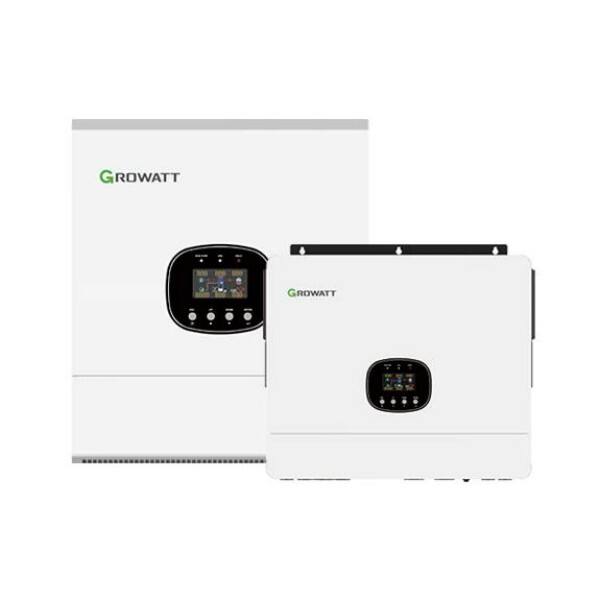
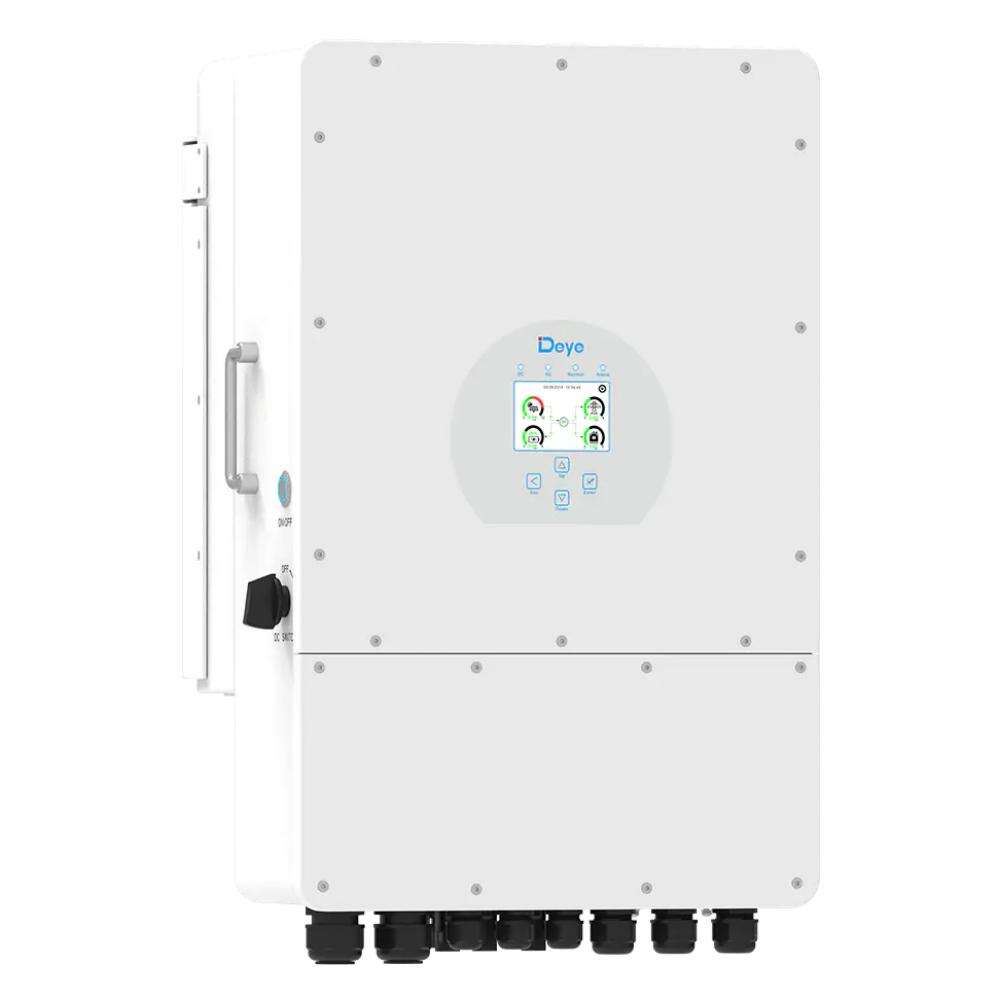
central solar inverter
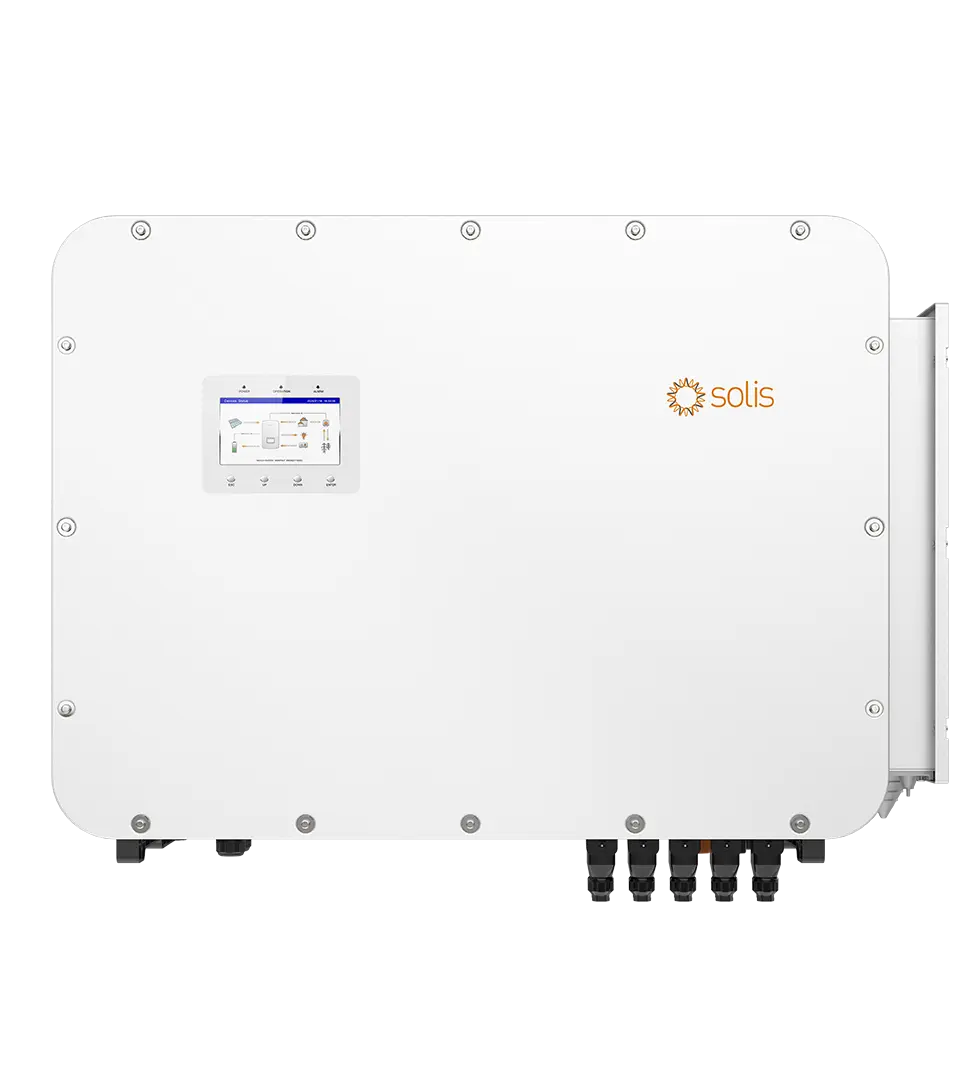
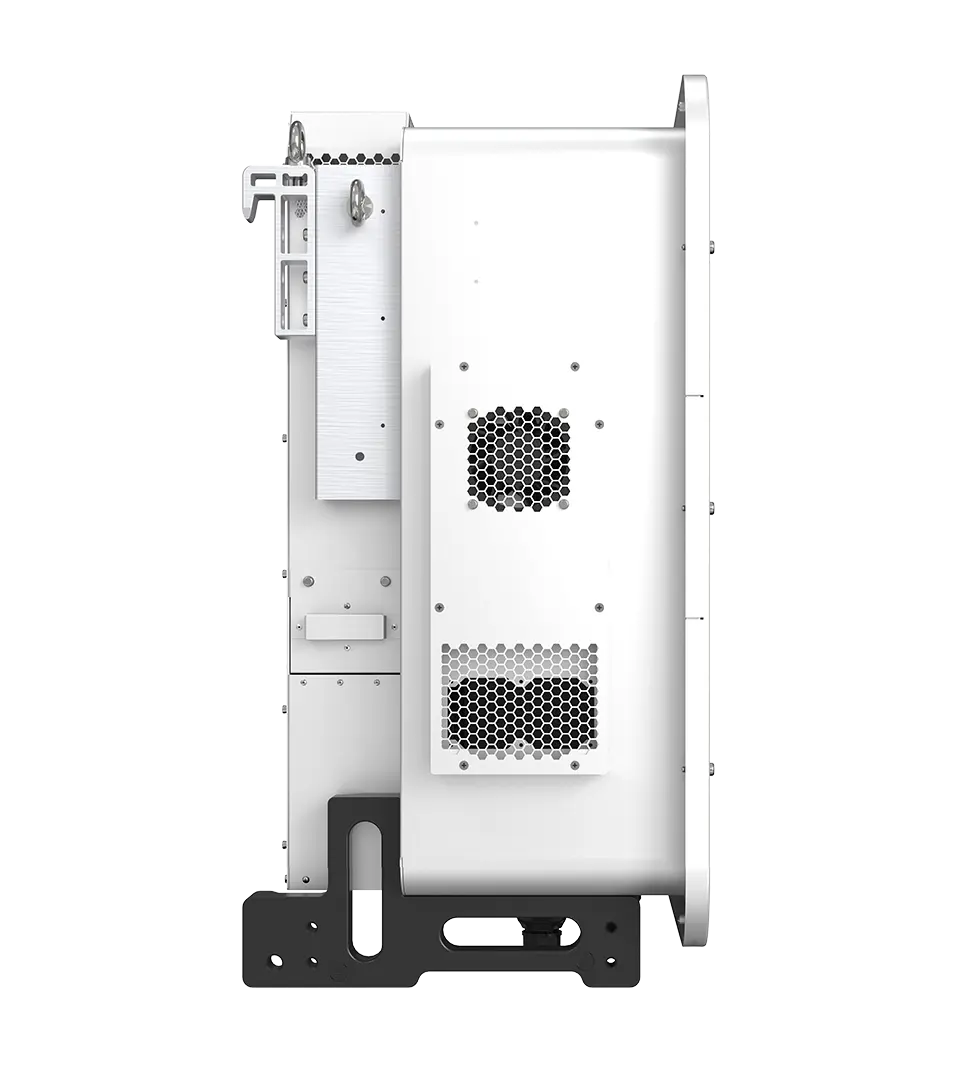
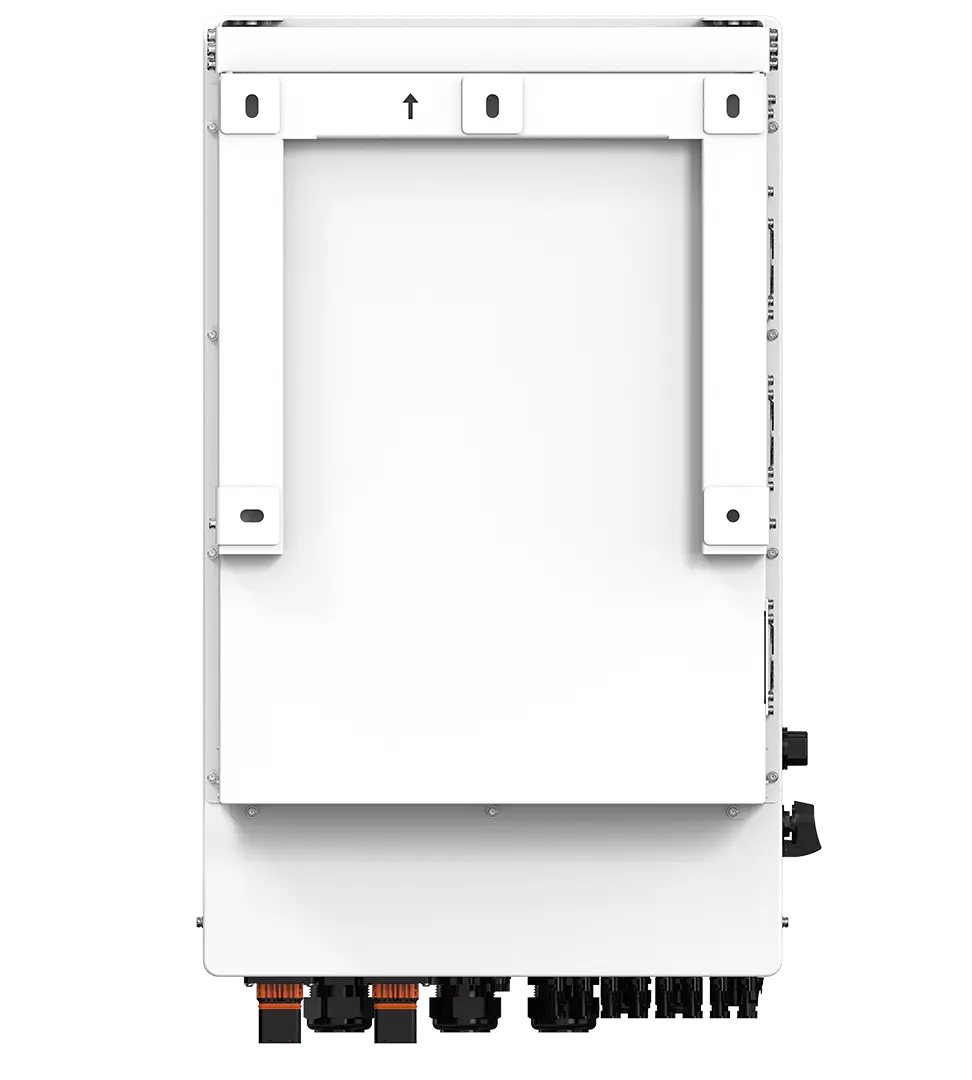
The central solar inverter represents a cornerstone technology in large-scale photovoltaic energy systems, serving as the critical bridge between solar panel arrays and electrical grid infrastructure. This sophisticated device transforms direct current electricity generated by solar panels into alternating current electricity suitable for commercial and utility-scale applications. Unlike residential string inverters, the central solar inverter manages power conversion for extensive solar installations, typically ranging from hundreds of kilowatts to several megawatts in capacity. The central solar inverter incorporates advanced power electronics, including high-efficiency transformers, switching components, and intelligent control systems that optimize energy conversion processes. Modern units feature maximum power point tracking technology that continuously adjusts operating parameters to extract optimal energy from connected solar arrays under varying environmental conditions. These inverters integrate seamlessly with grid management systems, providing essential services such as voltage regulation, frequency control, and reactive power support that enhance overall electrical network stability. The central solar inverter design emphasizes durability and reliability, incorporating robust cooling systems, weather-resistant enclosures, and redundant safety mechanisms to ensure consistent operation in challenging outdoor environments. Advanced monitoring capabilities enable real-time performance tracking, fault detection, and remote diagnostics, allowing operators to maintain peak system efficiency and minimize downtime. Communication protocols built into the central solar inverter facilitate integration with energy management systems, enabling sophisticated control strategies and grid interaction capabilities. The scalability of central solar inverter installations makes them particularly suitable for utility-scale projects, commercial rooftop systems, and ground-mounted solar farms where high power ratings and centralized control provide operational advantages over distributed inverter architectures.
 EN
EN