Advanced Inverter Systems - Efficient Power Conversion Technology for Modern Energy Solutions

Get a Free Quote

Our representative will contact you soon.
Email
Mobile/WhatsApp
Name
Company Name
Message
0/1000

inverter system

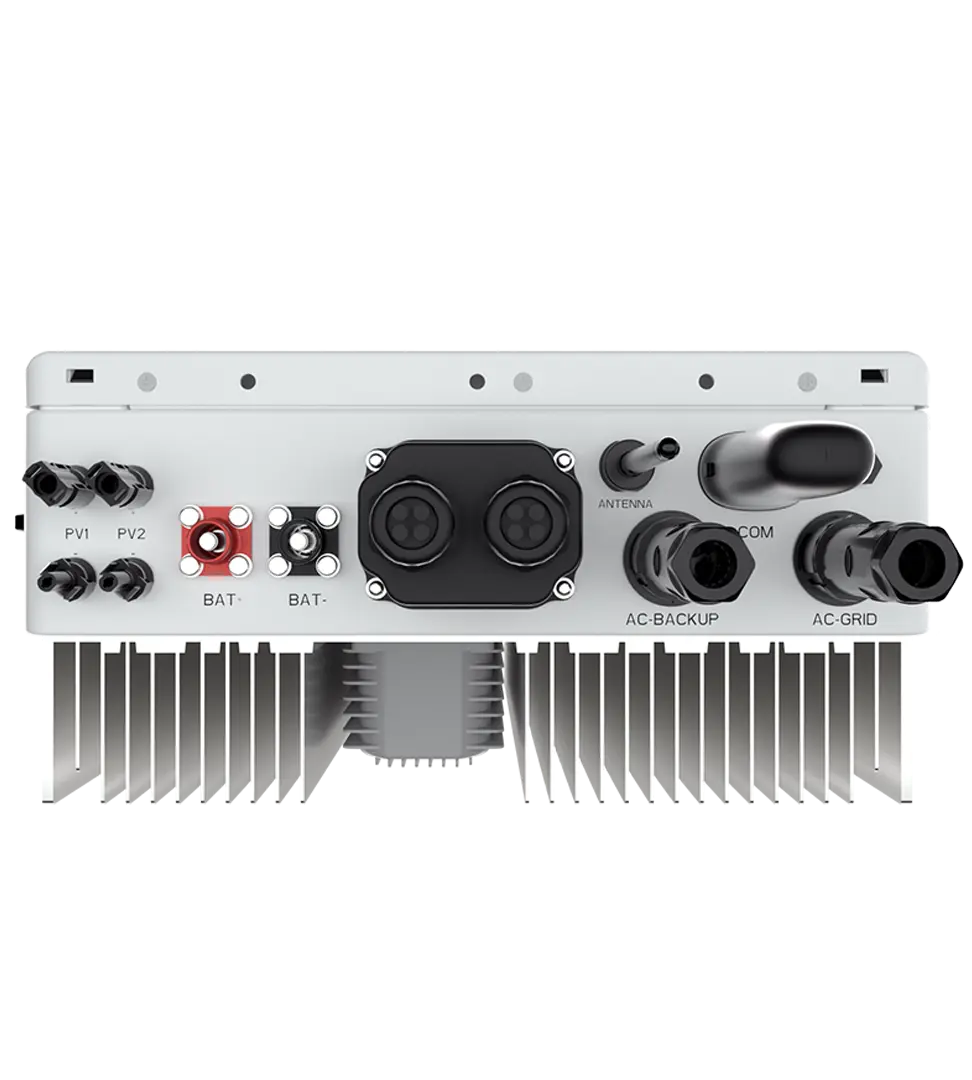
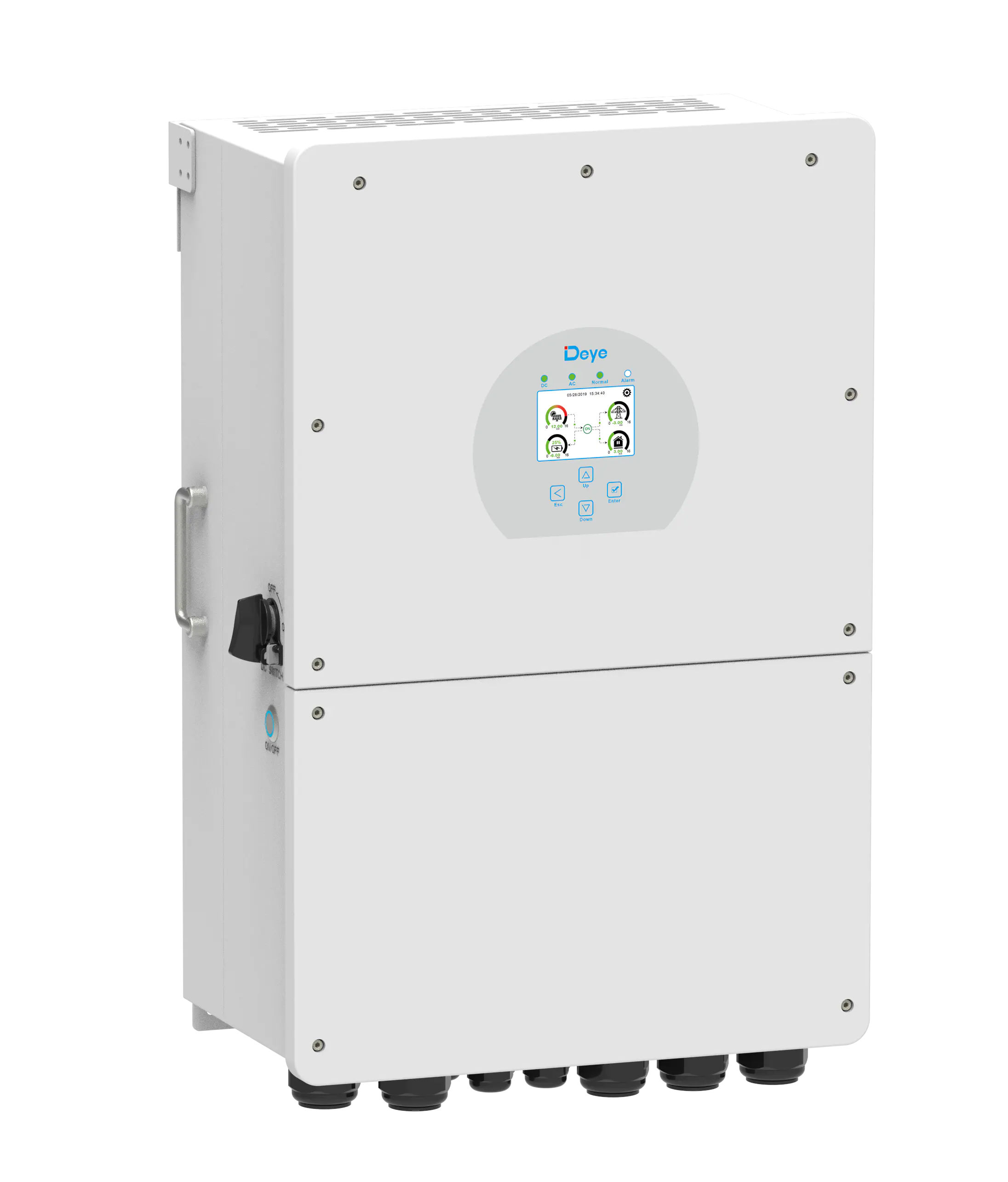
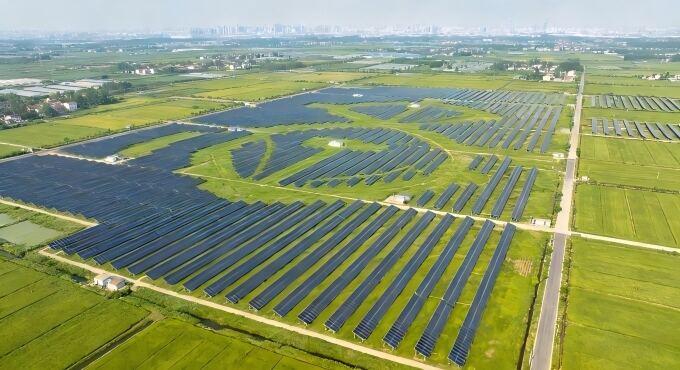
An inverter system represents a crucial technological advancement in power electronics, designed to convert direct current (DC) electricity into alternating current (AC) electricity with precise control and efficiency. This sophisticated electrical device serves as the backbone of modern renewable energy installations, industrial automation, and residential power management solutions. The inverter system operates through advanced semiconductor switching technology, utilizing components such as insulated-gate bipolar transistors (IGBTs) or metal-oxide-semiconductor field-effect transistors (MOSFETs) to achieve seamless power conversion. The primary function of an inverter system extends beyond simple DC to AC conversion, encompassing voltage regulation, frequency control, and harmonic filtering to ensure clean, stable power output. Modern inverter systems incorporate intelligent microprocessor-based control circuits that monitor input conditions, adjust output parameters in real-time, and provide comprehensive protection against overcurrent, overvoltage, and thermal stress. The technological architecture includes pulse-width modulation (PWM) techniques that create high-quality sinusoidal waveforms, minimizing electrical noise and maximizing compatibility with sensitive electronic equipment. Applications for inverter systems span across diverse sectors including solar photovoltaic installations, wind energy generation, uninterruptible power supplies, motor drives for industrial machinery, and backup power solutions for residential and commercial properties. The versatility of inverter systems makes them indispensable in grid-tie applications where renewable energy sources integrate seamlessly with utility power networks, enabling bidirectional power flow and supporting smart grid initiatives. These systems also play a vital role in off-grid applications, providing reliable AC power in remote locations where traditional utility connections are unavailable or impractical.
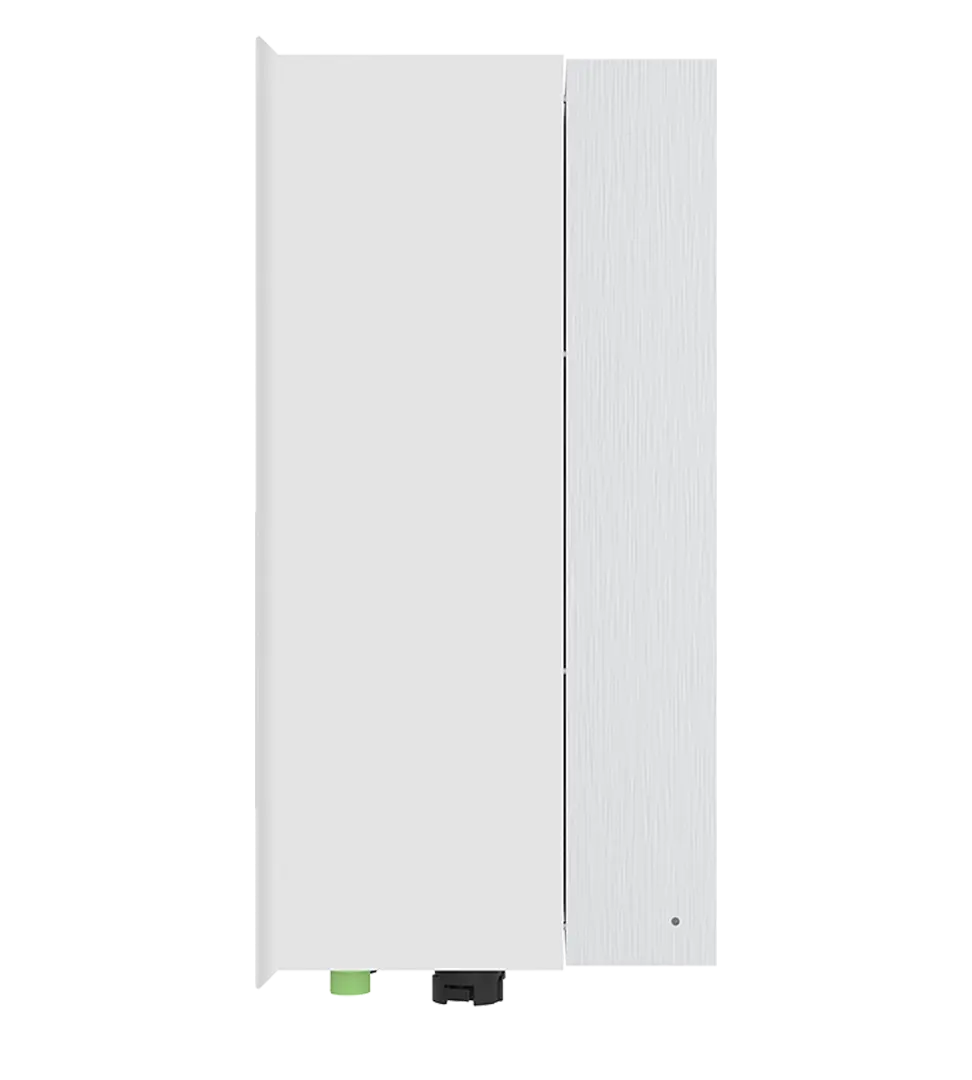
New Products

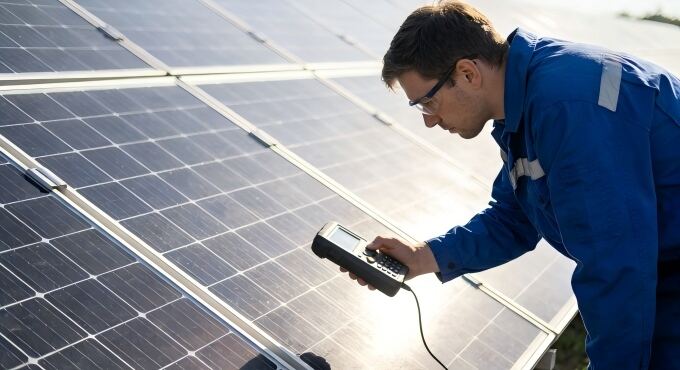
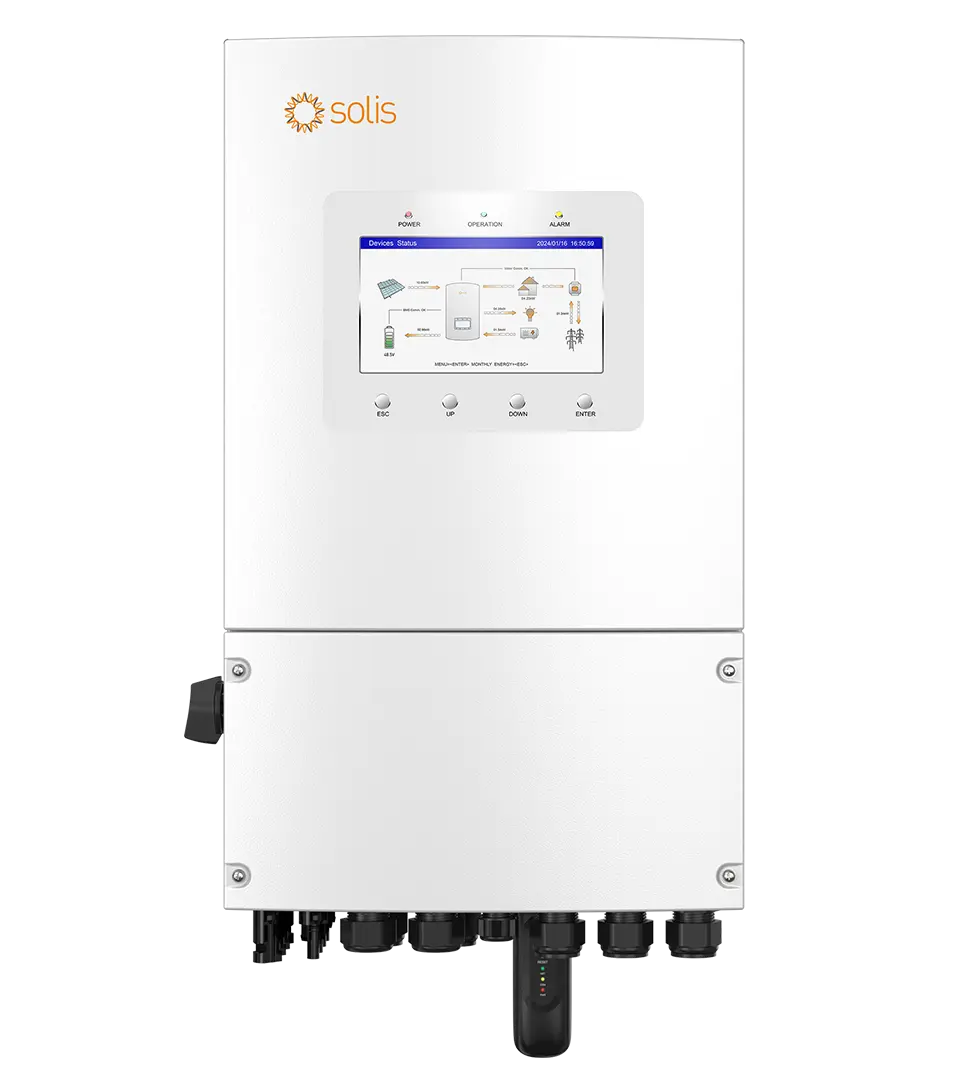
The inverter system delivers exceptional energy efficiency that translates directly into reduced electricity costs for users. Modern units achieve conversion efficiencies exceeding 95 percent, meaning minimal energy loss during the DC to AC transformation process. This high efficiency stems from advanced switching technologies and optimized circuit designs that minimize heat generation and power waste. Users experience immediate cost savings on their energy bills while contributing to environmental sustainability through reduced energy consumption. The inverter system provides superior power quality compared to traditional power conversion methods. Clean sinusoidal output waveforms eliminate electrical noise and harmonics that can damage sensitive electronic equipment. This pristine power delivery protects valuable appliances, computers, and industrial machinery from voltage fluctuations and electrical disturbances. The result is extended equipment lifespan and reduced maintenance costs for users across residential and commercial applications. Flexibility represents another significant advantage of inverter systems, offering users complete control over power output characteristics. Variable frequency and voltage adjustment capabilities allow precise matching to specific load requirements. This adaptability proves invaluable in motor control applications where speed regulation improves process efficiency and product quality. Users can optimize their power consumption patterns to match varying operational demands throughout the day. The inverter system incorporates comprehensive monitoring and diagnostic features that enhance operational reliability. Real-time performance data allows users to track energy production, consumption patterns, and system health indicators. Early warning alerts prevent costly equipment failures by identifying potential issues before they escalate into major problems. This proactive monitoring capability reduces unexpected downtime and maintenance expenses. Installation and maintenance simplicity make inverter systems accessible to users without extensive technical expertise. Plug-and-play designs with intuitive user interfaces streamline setup procedures and ongoing operation. Remote monitoring capabilities enable professional technicians to diagnose and resolve issues without costly site visits. These user-friendly features reduce total ownership costs while ensuring optimal system performance throughout the equipment's operational lifespan.

Tips And Tricks

Solar Product Tech Advances In 2025

20

Jan

Solar Product Tech Advances In 2025

View More
2025 Global Solar Market Demand (Emerging Markets)

20

Jan

2025 Global Solar Market Demand (Emerging Markets)

View More
Solar Products & Rural Electrification 2025

20

Jan

Solar Products & Rural Electrification 2025

View More

Get a Free Quote

Our representative will contact you soon.
Email
Mobile/WhatsApp
Name
Company Name
Message
0/1000

inverter system

Advanced Grid-Tie Capability with Smart Energy Management

Advanced Grid-Tie Capability with Smart Energy Management

The inverter system excels in grid-tie applications through sophisticated synchronization technology that seamlessly integrates renewable energy sources with utility power networks. This advanced capability allows users to generate their own clean energy while maintaining connection to the electrical grid for backup power and energy trading opportunities. The intelligent synchronization process monitors grid frequency, voltage, and phase relationships in real-time, ensuring perfect alignment between the inverter system output and utility power characteristics. This precise synchronization eliminates power quality issues and protects both user equipment and grid infrastructure from electrical disturbances. The smart energy management features enable automatic switching between grid power and local generation based on availability, cost, and user preferences. During peak sunlight hours, solar-connected inverter systems can export excess energy to the grid, allowing users to earn credits or compensation through net metering programs. When local generation is insufficient, the system automatically draws supplemental power from the grid without interruption to connected loads. This bidirectional power flow capability maximizes the economic benefits of renewable energy investments while providing energy security and independence. The grid-tie functionality includes built-in safety features such as anti-islanding protection that immediately disconnects the inverter system from the grid during utility outages. This critical safety measure protects utility workers performing maintenance on supposedly de-energized power lines. Advanced inverter systems also support grid stabilization services through reactive power compensation and voltage regulation, contributing to overall grid reliability and power quality. The communication capabilities built into modern grid-tie inverter systems enable integration with smart home automation platforms and energy management systems. Users can monitor energy production, consumption, and grid interaction through smartphone applications and web-based interfaces. This connectivity allows for remote system optimization, performance analysis, and proactive maintenance scheduling to ensure maximum return on investment.
Comprehensive Protection and Fault Management Systems

Comprehensive Protection and Fault Management Systems

The inverter system incorporates multiple layers of advanced protection mechanisms that safeguard both the equipment itself and connected loads from various electrical faults and environmental conditions. These sophisticated protection systems continuously monitor critical parameters including input voltage, output current, internal temperature, and insulation resistance to detect potential problems before they cause equipment damage or safety hazards. The overcurrent protection feature immediately responds to excessive load conditions by reducing output power or shutting down the system to prevent component damage. This intelligent response protects expensive power electronics while allowing automatic recovery once fault conditions clear. Overvoltage and undervoltage protection circuits monitor both input DC voltage from renewable energy sources and output AC voltage to connected loads. When voltage levels exceed safe operating ranges, the protection system takes corrective action to maintain equipment integrity. The thermal management system represents a critical protection feature that monitors internal component temperatures and adjusts operation to prevent overheating damage. Advanced cooling algorithms optimize fan speed and power derating based on ambient conditions and load requirements. This thermal protection extends component lifespan while maintaining optimal performance under varying environmental conditions. Ground fault detection capabilities identify insulation failures and electrical leakage paths that could create safety hazards. The inverter system immediately isolates faulted circuits and provides detailed diagnostic information to facilitate rapid repair and maintenance. Arc fault protection technology detects dangerous electrical arcing conditions that could lead to equipment damage or fire hazards. This advanced safety feature continuously analyzes current waveforms to identify characteristic arc signatures and takes immediate protective action. The fault logging and diagnostic capabilities of modern inverter systems provide valuable insights into system performance and reliability trends. Detailed event logs capture fault occurrences, environmental conditions, and system responses to support proactive maintenance strategies. Remote diagnostic capabilities allow technical support personnel to analyze system performance and identify potential issues without costly site visits, reducing maintenance costs and system downtime.
Scalable Modular Design for Flexible Power Solutions

Scalable Modular Design for Flexible Power Solutions

The inverter system features innovative modular architecture that provides unprecedented flexibility in system sizing and configuration to meet diverse power requirements across residential, commercial, and industrial applications. This scalable design approach allows users to start with smaller capacity installations and expand their systems incrementally as energy needs grow or budget constraints permit. The modular configuration eliminates the traditional limitations of fixed-size inverter systems, enabling precise matching of inverter capacity to actual load requirements without oversizing penalties or performance compromises. Each module within the inverter system operates independently while contributing to overall system output through advanced parallel connection technology. This distributed architecture enhances system reliability by eliminating single points of failure that could compromise entire installations. When individual modules require maintenance or experience faults, the remaining modules continue operating to maintain partial power availability. This redundancy feature proves especially valuable in critical applications where power continuity is essential for operational success or safety. The modular design facilitates simplified maintenance procedures and reduces long-term ownership costs through component-level serviceability. Technicians can replace individual modules without shutting down entire systems, minimizing disruption to ongoing operations. Standardized module interfaces and plug-and-play connectivity streamline installation procedures and reduce labor costs associated with system deployment. The scalability extends beyond simple capacity expansion to include diverse voltage and frequency configurations for international applications and specialized industrial requirements. Users can combine modules with different characteristics to create custom power solutions that precisely match their unique specifications. This flexibility eliminates the need for expensive custom engineering while providing the same level of performance optimization available in purpose-built systems. The modular inverter system architecture supports future technology upgrades through backwards-compatible module replacement. As power electronics technology advances, users can selectively upgrade individual modules to incorporate new features and improved performance without replacing entire systems. This upgrade path protects initial investments while ensuring access to the latest technological innovations. The distributed control architecture allows each module to optimize its individual performance while contributing to coordinated system-level operation through advanced communication protocols.

Get a Free Quote

Our representative will contact you soon.
Email
Mobile/WhatsApp
Name
Company Name
Message
0/1000