serial or parallel solar panels
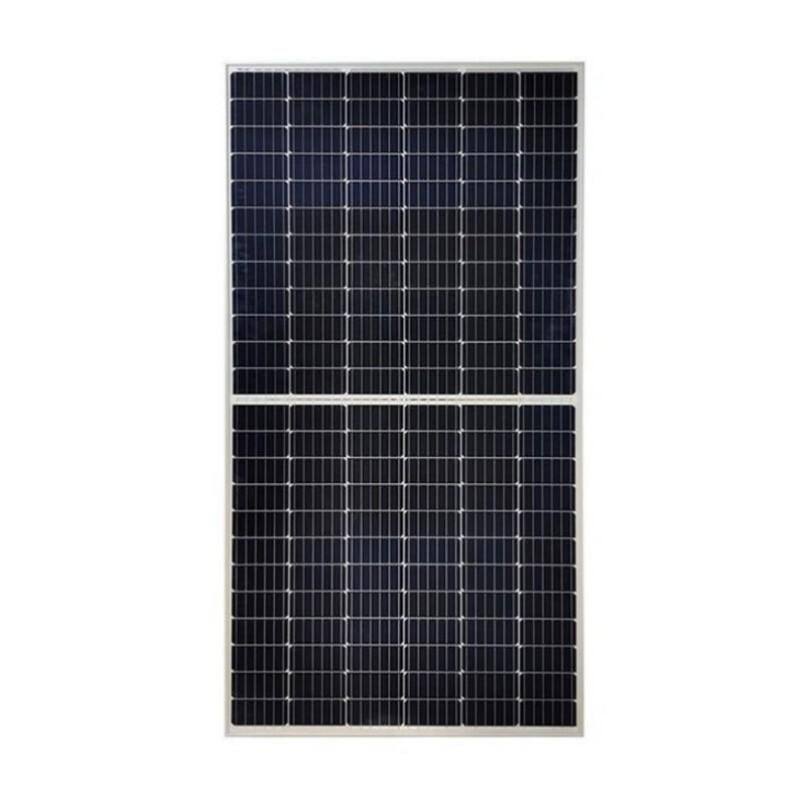
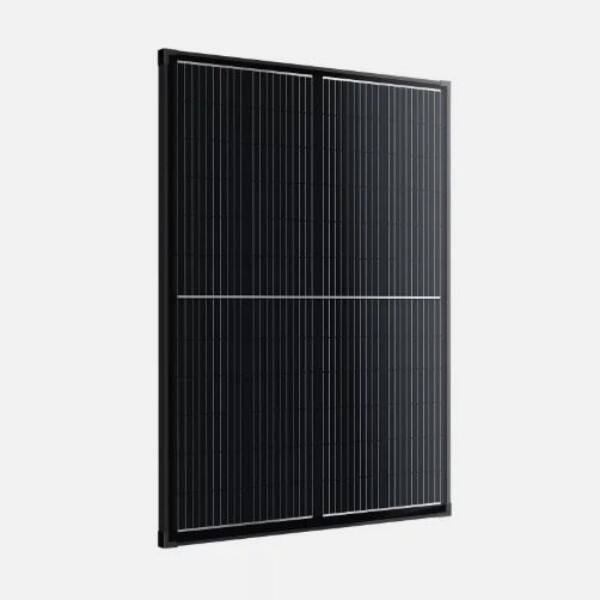
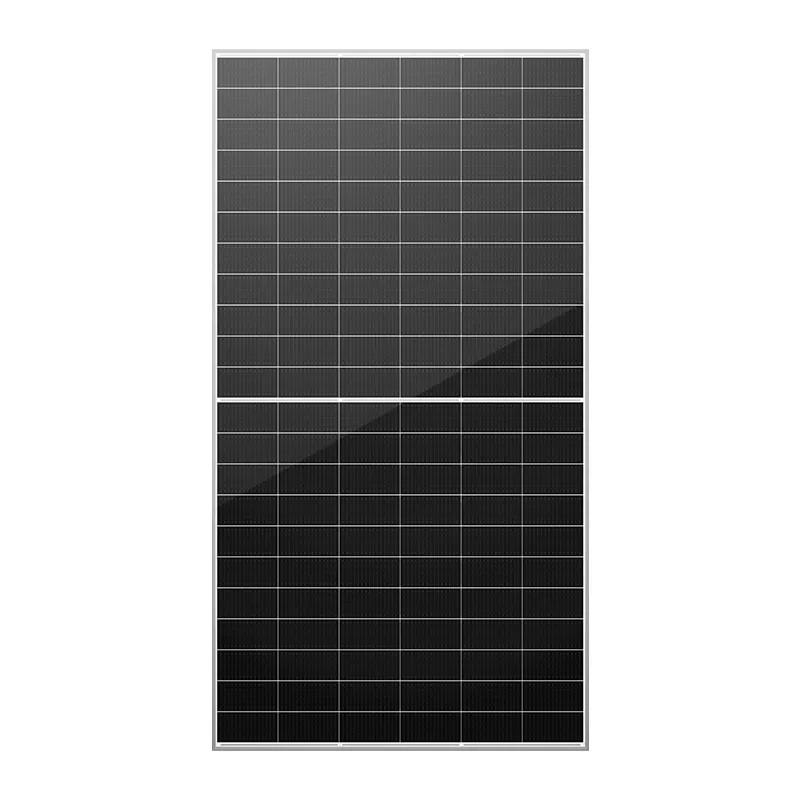
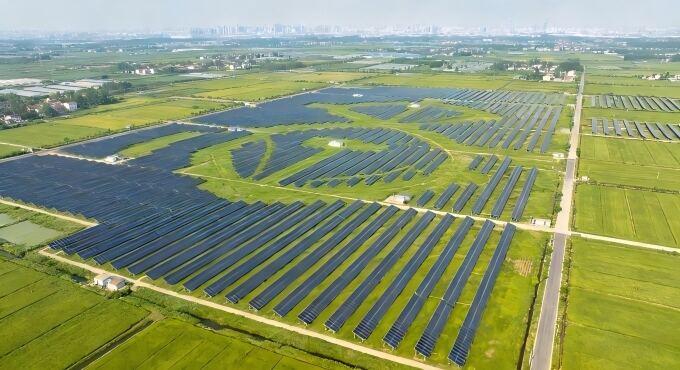
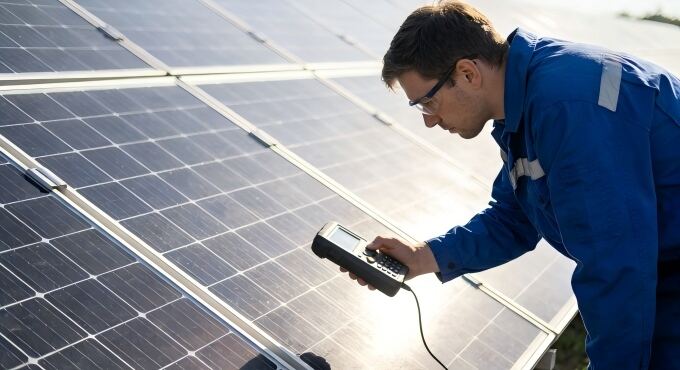
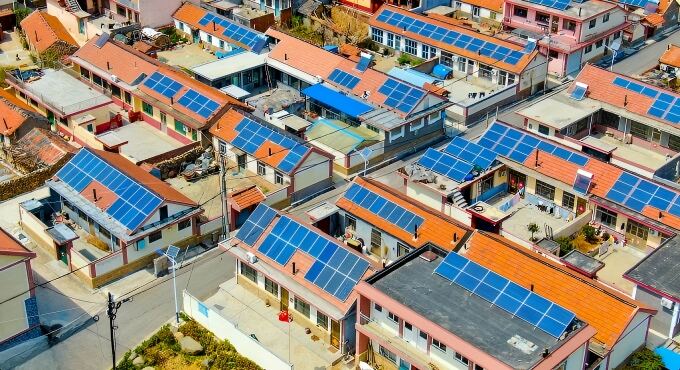
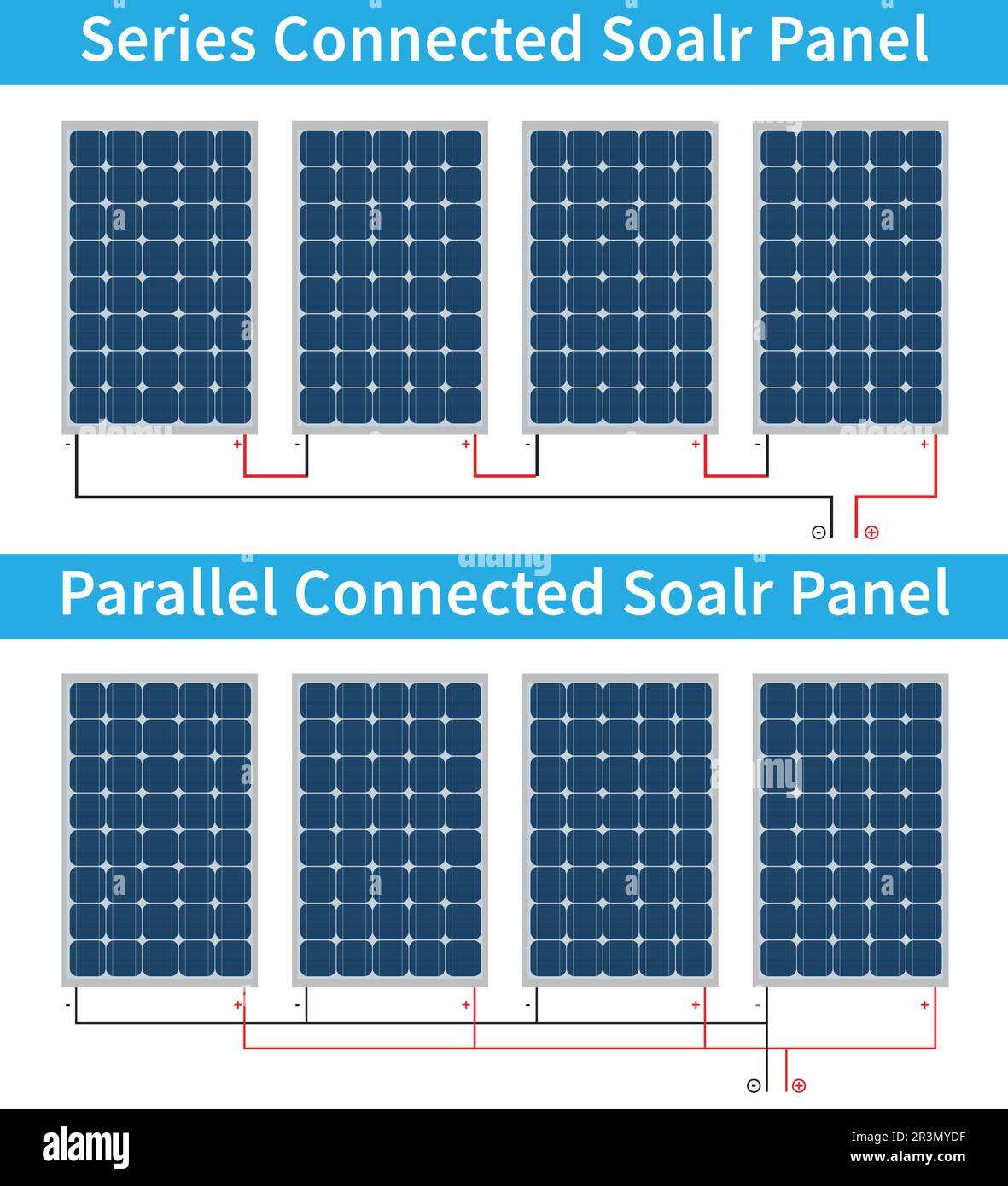
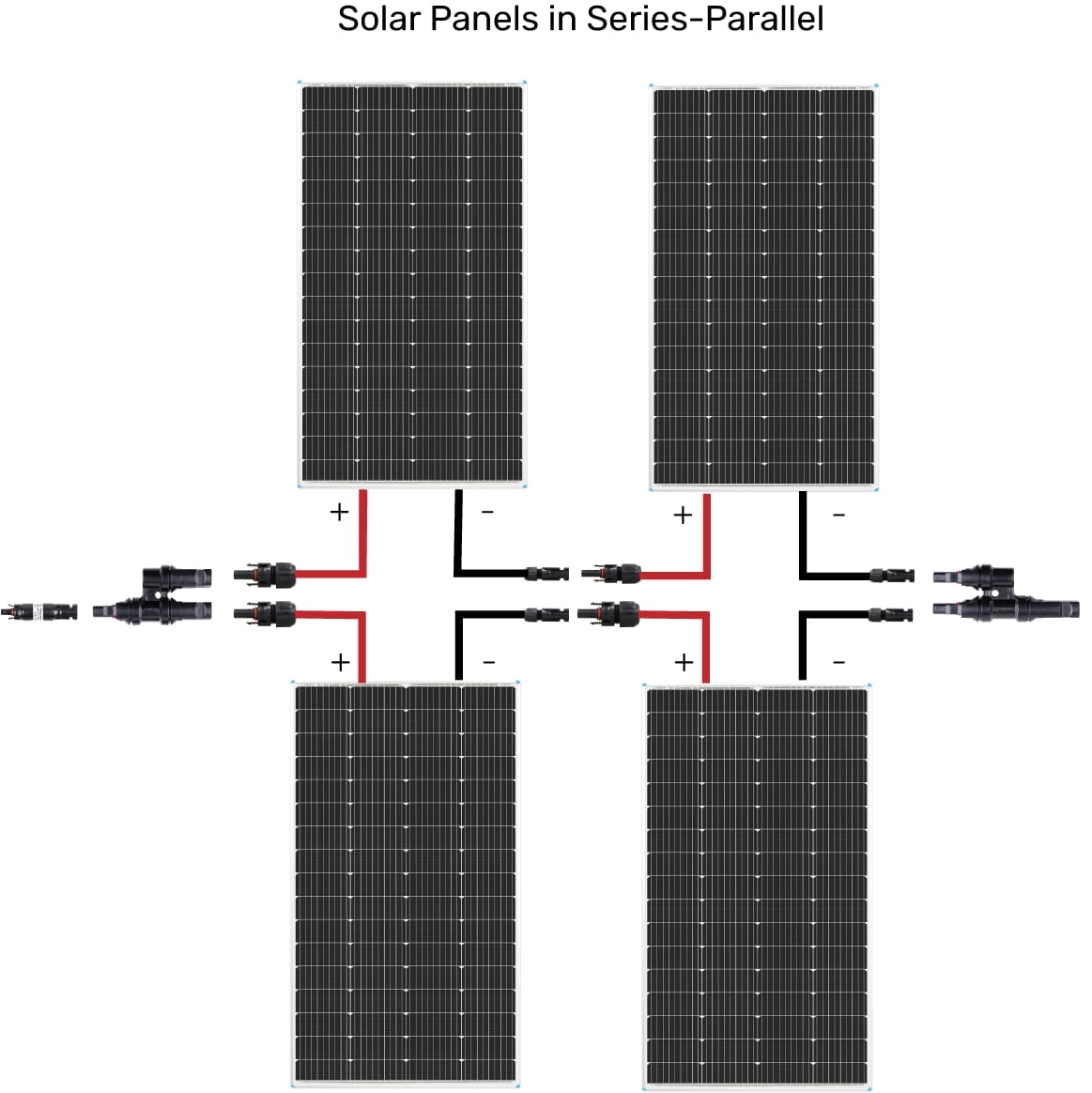
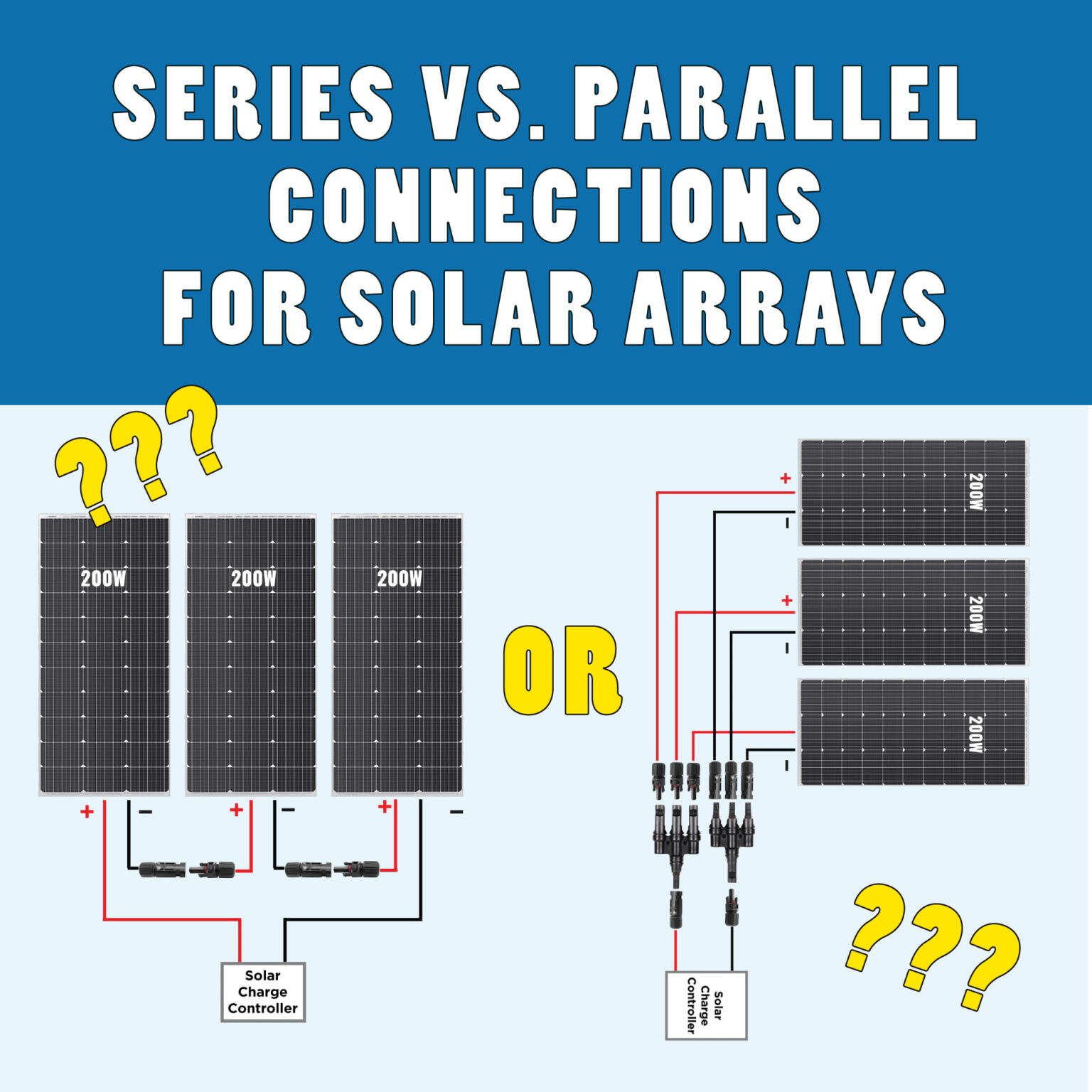
Serial or parallel solar panels represent two fundamental wiring configurations that determine how photovoltaic systems generate and distribute electrical power. These configurations play a crucial role in optimizing energy production, system reliability, and overall performance across residential, commercial, and industrial applications. Understanding the distinction between serial or parallel solar panels enables property owners and businesses to make informed decisions about their renewable energy investments. In series configuration, serial or parallel solar panels connect end-to-end, creating a single pathway for electrical current flow. This arrangement increases the total voltage output while maintaining consistent current levels throughout the circuit. When one panel in a series experiences shading or malfunction, it affects the entire string's performance, similar to how one burned-out bulb can darken an entire string of holiday lights. Conversely, parallel configuration connects serial or parallel solar panels side-by-side, maintaining individual voltage levels while combining current outputs. This setup ensures that each panel operates independently, preventing single-point failures from compromising the entire system's functionality. Modern photovoltaic installations often employ hybrid approaches, combining both series and parallel elements to optimize performance characteristics. Serial or parallel solar panels utilize advanced junction box technology, bypass diodes, and sophisticated monitoring systems to maximize energy harvest under varying environmental conditions. These technological innovations enable installers to customize system designs based on roof geometry, shading patterns, and electrical requirements. The flexibility of serial or parallel solar panels makes them suitable for diverse applications, from small residential rooftops to large-scale utility installations. Professional installers evaluate site-specific factors including available space, local climate conditions, electrical infrastructure, and budget constraints to determine the optimal configuration. This comprehensive analysis ensures that serial or parallel solar panels deliver maximum return on investment while providing decades of reliable clean energy production.
 EN
EN