Low Frequency Inverter: Superior Power Conversion with Exceptional Surge Capacity and Pure Sine Wave Output

Get a Free Quote

Our representative will contact you soon.
Email
Mobile/WhatsApp
Name
Company Name
Message
0/1000

low frequency inverter

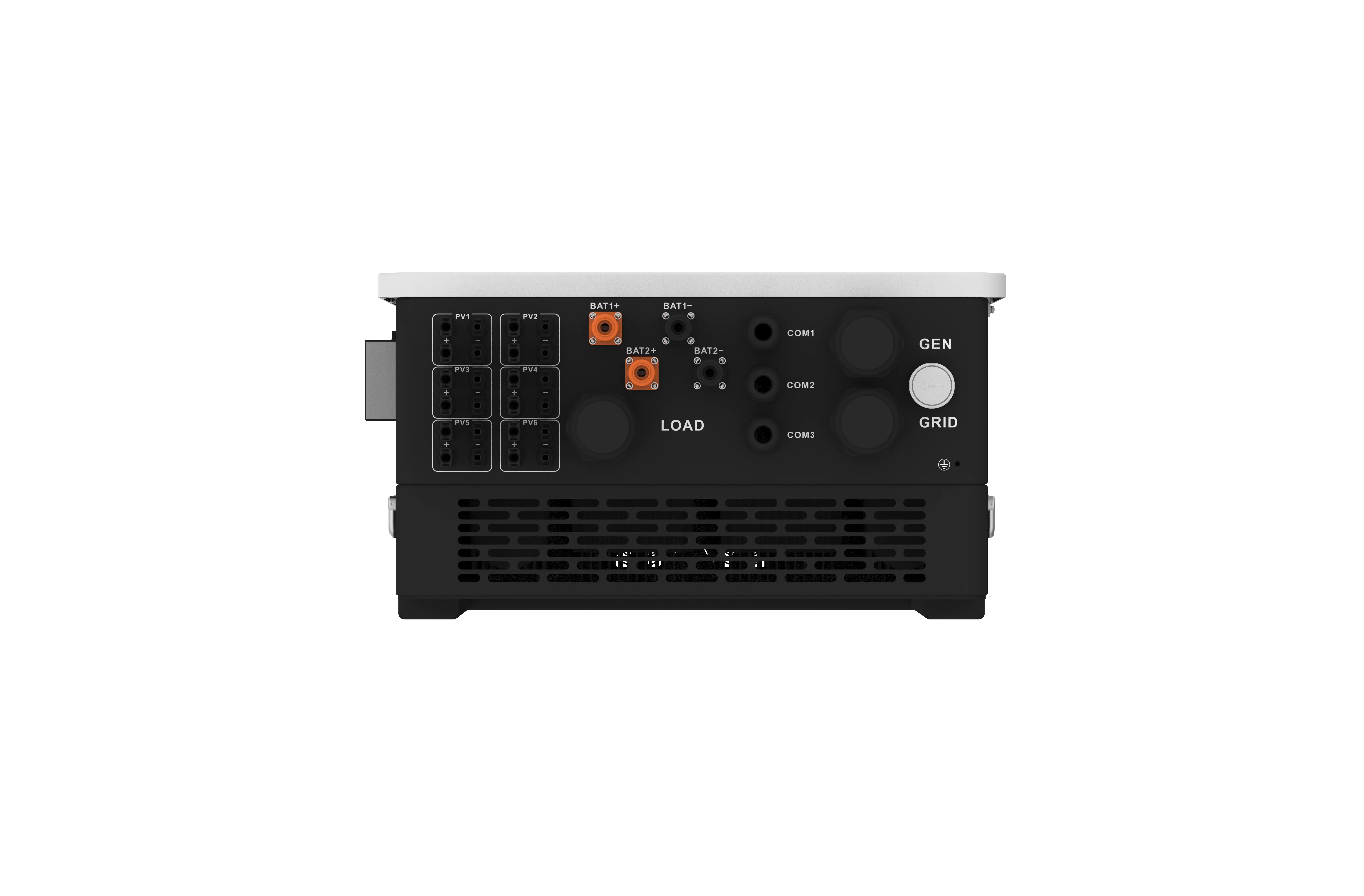
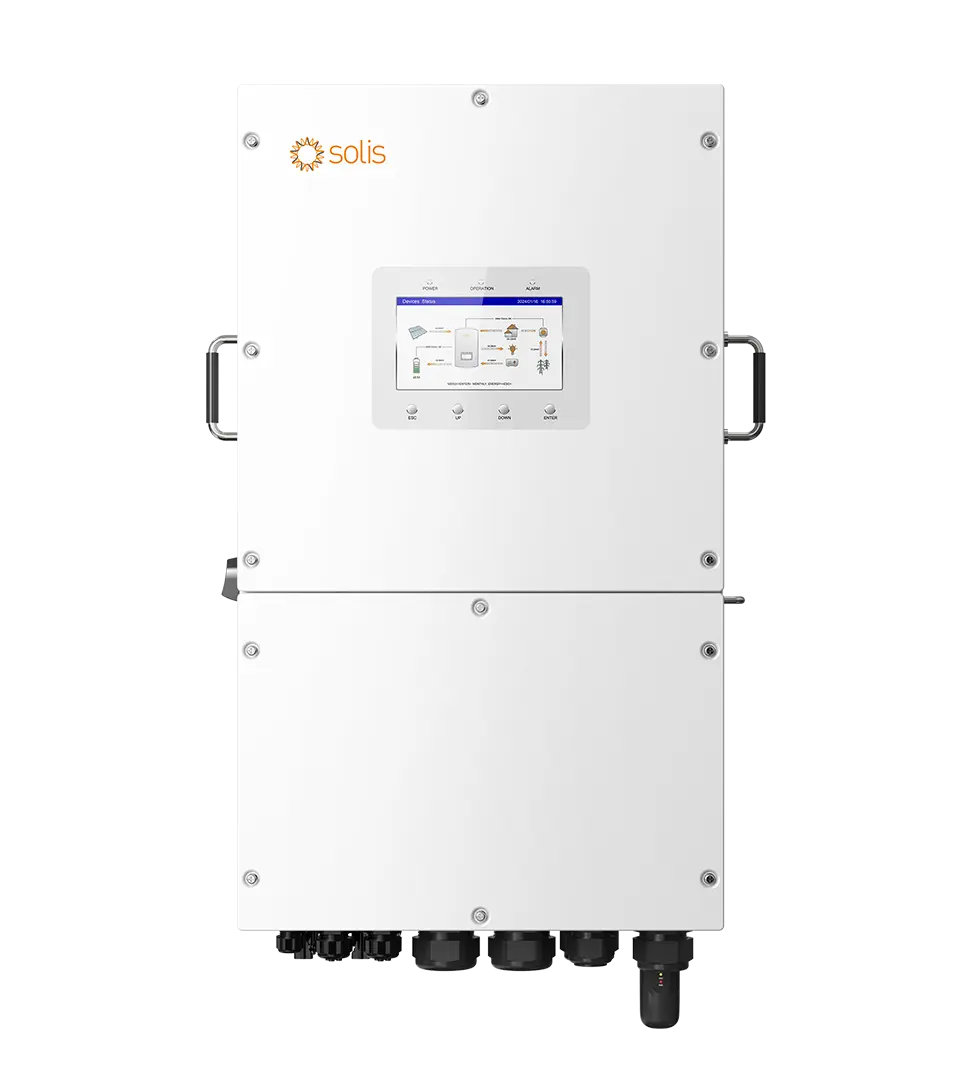
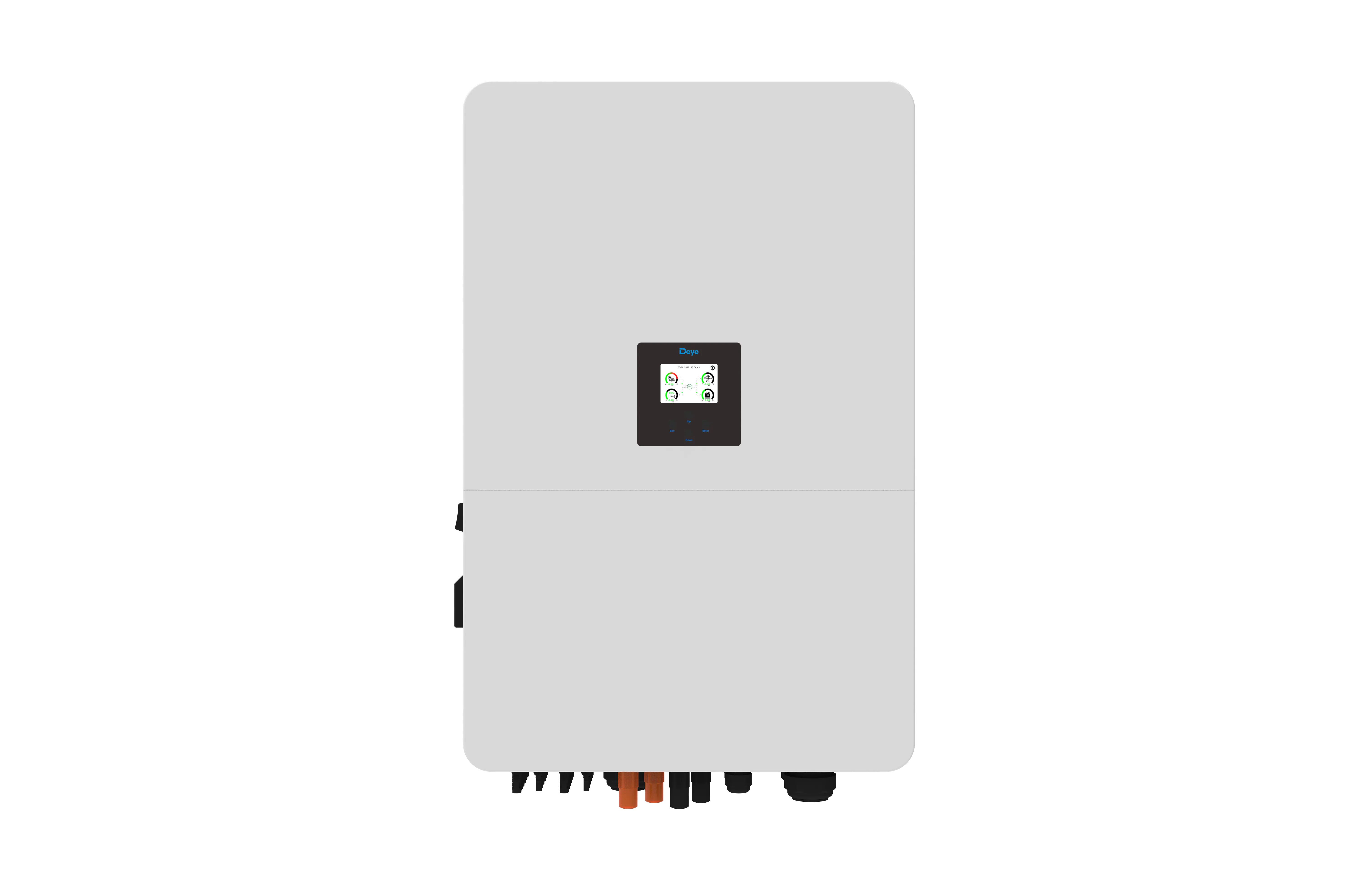
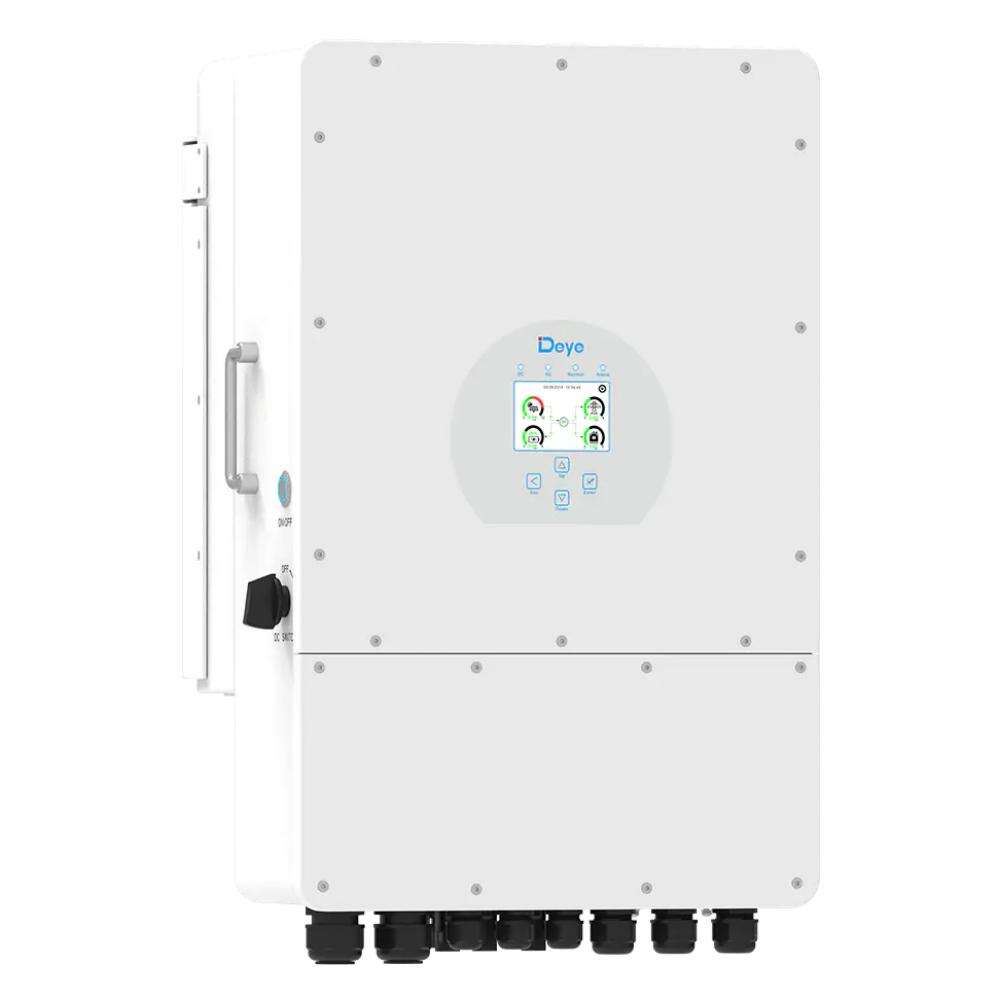
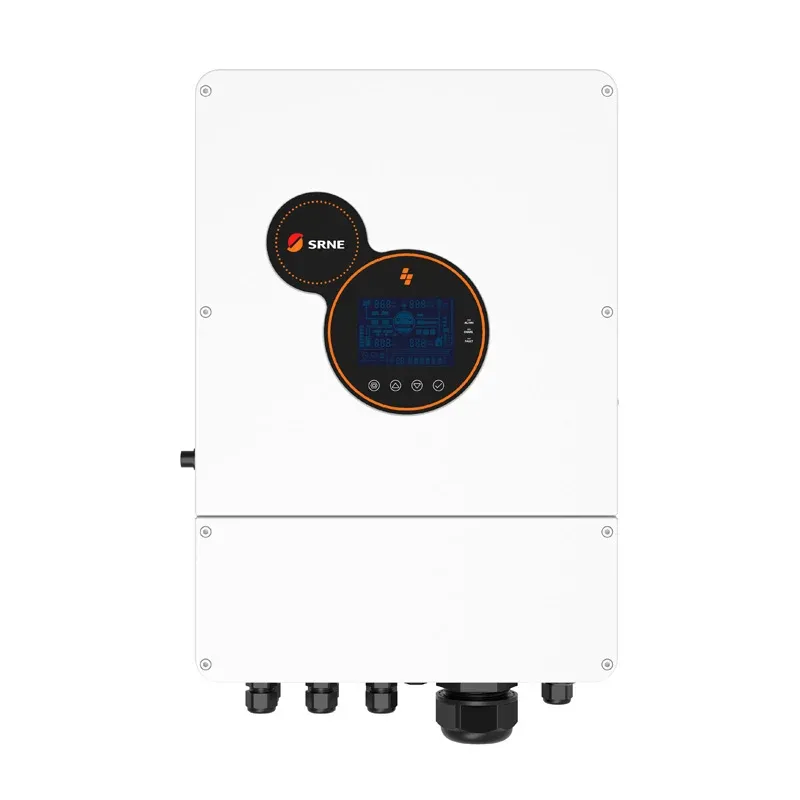
A low frequency inverter represents a sophisticated power conversion device that transforms direct current electricity into alternating current at frequencies typically ranging from 50Hz to 60Hz. This essential electrical equipment operates using step-up transformers and operates at the fundamental frequency of the power grid, distinguishing it from high frequency counterparts. The low frequency inverter architecture incorporates robust transformer-based designs that provide exceptional reliability and performance stability across various operating conditions. These inverters utilize traditional transformer technology combined with modern semiconductor switching components to deliver clean, stable power output. The core functionality revolves around converting DC power sources, such as batteries or solar panels, into standard AC power suitable for residential, commercial, and industrial applications. Low frequency inverter systems excel in handling surge loads and providing continuous power delivery with minimal harmonic distortion. The technology employs pulse width modulation techniques combined with transformer isolation to ensure optimal power quality and electrical safety. These units typically feature comprehensive protection systems including overvoltage protection, undervoltage protection, overload protection, and thermal protection mechanisms. The low frequency inverter design incorporates heavy-duty components that contribute to extended operational lifespan and reduced maintenance requirements. Modern low frequency inverter models integrate advanced microprocessor control systems that monitor performance parameters and optimize efficiency automatically. The transformer-based architecture provides galvanic isolation between input and output circuits, enhancing safety and reducing electrical noise interference. These inverters demonstrate superior performance in applications requiring high surge capacity, such as motor starting and inductive load operations. The low frequency inverter technology supports various input voltage configurations and can accommodate multiple battery types including lead-acid, lithium-ion, and gel batteries for versatile installation options.

New Product Recommendations

The low frequency inverter offers numerous compelling advantages that make it an superior choice for demanding power conversion applications. First and foremost, these inverters deliver exceptional surge handling capability, easily managing loads that exceed their continuous rating by 200-300 percent for several seconds. This surge capacity proves invaluable when starting motors, compressors, or other inductive equipment that requires high initial power draw. The transformer-based design of the low frequency inverter provides complete electrical isolation between input and output circuits, significantly enhancing safety and reducing the risk of electrical faults propagating through the system. This isolation also minimizes electromagnetic interference, making these units ideal for sensitive electronic equipment installations. Low frequency inverter systems demonstrate remarkable durability and longevity, often operating reliably for decades with minimal maintenance requirements. The robust transformer construction withstands harsh environmental conditions, temperature fluctuations, and mechanical stress better than alternative designs. These inverters produce exceptionally clean power output with low total harmonic distortion, typically less than 3 percent, ensuring compatibility with sensitive loads including computers, medical equipment, and precision instruments. The pure sine wave output closely matches utility grid power quality, eliminating compatibility issues with various appliances and equipment. Low frequency inverter technology excels in efficiency, particularly under varying load conditions, maintaining high conversion efficiency across a wide operating range. The thermal characteristics of transformer-based designs provide natural load regulation and voltage stability without complex control circuitry. These units offer superior overload tolerance, continuing to operate safely even when subjected to temporary overload conditions that would damage other inverter types. The low frequency inverter design supports easy scalability through parallel operation, allowing users to increase system capacity by connecting multiple units. Maintenance requirements remain minimal due to the simple, proven technology and absence of high-frequency switching components that typically wear out over time. The low audible noise levels make these inverters suitable for residential and office installations where quiet operation is essential. Finally, the low frequency inverter provides excellent value proposition through combination of reliability, performance, and competitive pricing compared to alternative power conversion solutions.

Tips And Tricks

Solar Product Tech Advances In 2025

20

Jan

Solar Product Tech Advances In 2025

View More
2025 Global Solar Market Demand (Emerging Markets)

20

Jan

2025 Global Solar Market Demand (Emerging Markets)

View More
Solar Products & Rural Electrification 2025

20

Jan

Solar Products & Rural Electrification 2025

View More

Get a Free Quote

Our representative will contact you soon.
Email
Mobile/WhatsApp
Name
Company Name
Message
0/1000

low frequency inverter

Superior Surge Handling and Motor Starting Capability

Superior Surge Handling and Motor Starting Capability

The low frequency inverter stands out in the power conversion market due to its exceptional surge handling capacity, a critical feature that sets it apart from high frequency alternatives. This remarkable capability stems from the transformer-based architecture that naturally accommodates high instantaneous power demands without compromising system stability or longevity. When electrical motors, air conditioning compressors, refrigeration units, or power tools start up, they typically require 3 to 7 times their normal operating current for several seconds. The low frequency inverter handles these demanding surge requirements effortlessly, providing sustained overload capacity that can reach 300 percent of rated power for extended periods. This surge tolerance proves especially valuable in residential applications where multiple appliances may start simultaneously, or in commercial settings where heavy machinery operation is common. The transformer core in the low frequency inverter acts as an energy buffer, storing and releasing magnetic energy to smooth out power delivery during transient conditions. Unlike switching-mode power supplies that can struggle with sudden load changes, the low frequency inverter maintains stable voltage output even under severe surge conditions. This reliability translates directly into equipment protection, preventing voltage sags that could damage sensitive electronics or cause motors to stall during startup. Professional installers and system designers particularly value this surge capability when sizing inverter systems, as it eliminates the need for oversizing units to handle startup loads. The low frequency inverter technology also excels with inductive loads that create reactive power demands, maintaining power factor stability and reducing system stress. This capability extends equipment lifespan by ensuring clean, stable power delivery during the most demanding operational phases. Furthermore, the surge handling excellence of the low frequency inverter reduces the need for soft-start devices or additional surge suppression equipment, simplifying system design and reducing overall installation costs while maintaining superior performance standards.
Unmatched Reliability Through Transformer-Based Design

Unmatched Reliability Through Transformer-Based Design

The reliability advantage of the low frequency inverter stems from its time-tested transformer-based architecture that has proven itself across decades of electrical engineering applications. This design philosophy prioritizes durability and consistent performance over compact size, resulting in inverter systems that operate reliably for 15-25 years with minimal maintenance intervention. The heavy-duty transformer core provides natural electrical isolation, thermal stability, and electromagnetic compatibility that switching-mode designs struggle to match. Unlike high frequency inverters that rely on complex semiconductor switching circuits operating at thousands of cycles per second, the low frequency inverter operates at fundamental grid frequency, dramatically reducing component stress and failure modes. The transformer windings utilize high-grade copper conductors and premium insulation materials designed to withstand temperature cycling, humidity variations, and electrical stress over extended periods. This robust construction allows the low frequency inverter to operate reliably in challenging environments including dusty workshops, humid basements, marine applications, and outdoor installations with appropriate enclosures. The thermal characteristics of transformer-based designs provide inherent overload protection through natural temperature limiting, preventing catastrophic failures that can occur with electronic switching circuits. Additionally, the low frequency inverter design incorporates fewer active semiconductor components, reducing potential failure points and improving mean time between failures statistics significantly. The magnetic components in these inverters demonstrate exceptional longevity, with properly designed transformers often outlasting the electronic control circuits by decades. This reliability translates into lower total cost of ownership through reduced maintenance expenses, fewer replacement parts requirements, and extended service intervals. Industrial users particularly value this reliability when powering critical loads that cannot tolerate power interruptions or inverter failures. The low frequency inverter also demonstrates superior fault tolerance, often continuing to operate even when minor component degradation occurs, providing graceful degradation rather than sudden failure modes that characterize more complex electronic designs.
Exceptional Power Quality with Pure Sine Wave Output

Exceptional Power Quality with Pure Sine Wave Output

The low frequency inverter delivers outstanding power quality that closely replicates utility grid electricity through its pure sine wave output characteristics. This superior power quality stems from the transformer-based output stage that naturally produces smooth, continuous waveforms without the stepped approximations common in modified sine wave or square wave inverters. The low total harmonic distortion achieved by low frequency inverter technology, typically measuring less than 3 percent, ensures compatibility with the most sensitive electronic equipment including computers, medical devices, laboratory instruments, and audio equipment. This clean power output eliminates the buzzing, humming, or interference issues that plague lesser inverter designs when powering inductive loads such as motors, transformers, and fluorescent lighting systems. The pure sine wave characteristics of the low frequency inverter prevent overheating in motor windings, extend equipment lifespan, and maintain optimal efficiency in connected appliances. Sensitive electronic devices with switched-mode power supplies operate more efficiently and reliably when powered by the clean output of a low frequency inverter compared to modified sine wave alternatives. The voltage regulation capabilities inherent in transformer-based designs maintain stable output voltage within tight tolerances regardless of load variations or input voltage fluctuations. This stability proves crucial for precision equipment, computer systems, and medical devices that require consistent power quality for proper operation. The low frequency inverter output also maintains excellent frequency stability, typically within 0.1 Hz of nominal frequency, ensuring synchronous motors and timing-sensitive equipment operate correctly. The absence of high frequency switching noise in the output eliminates radio frequency interference that can disrupt communication equipment, audio systems, and sensitive measurement instruments. Professional applications particularly benefit from this clean power output when operating calibrated test equipment, medical monitoring devices, or precision manufacturing machinery. The superior power quality of the low frequency inverter also reduces stress on connected equipment, minimizing maintenance requirements and extending operational lifespan of valuable appliances and systems throughout the installation.

Get a Free Quote

Our representative will contact you soon.
Email
Mobile/WhatsApp
Name
Company Name
Message
0/1000