Series Parallel Connection of Solar Panels: Complete Guide to Optimal System Design

Get a Free Quote

Our representative will contact you soon.
Email
Mobile/WhatsApp
Name
Company Name
Message
0/1000

series parallel connection of solar panels

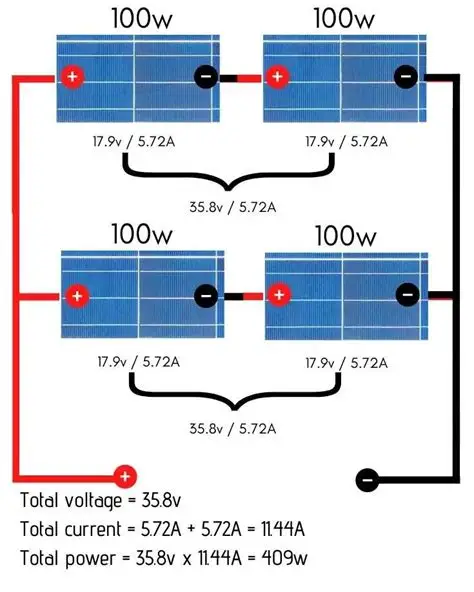
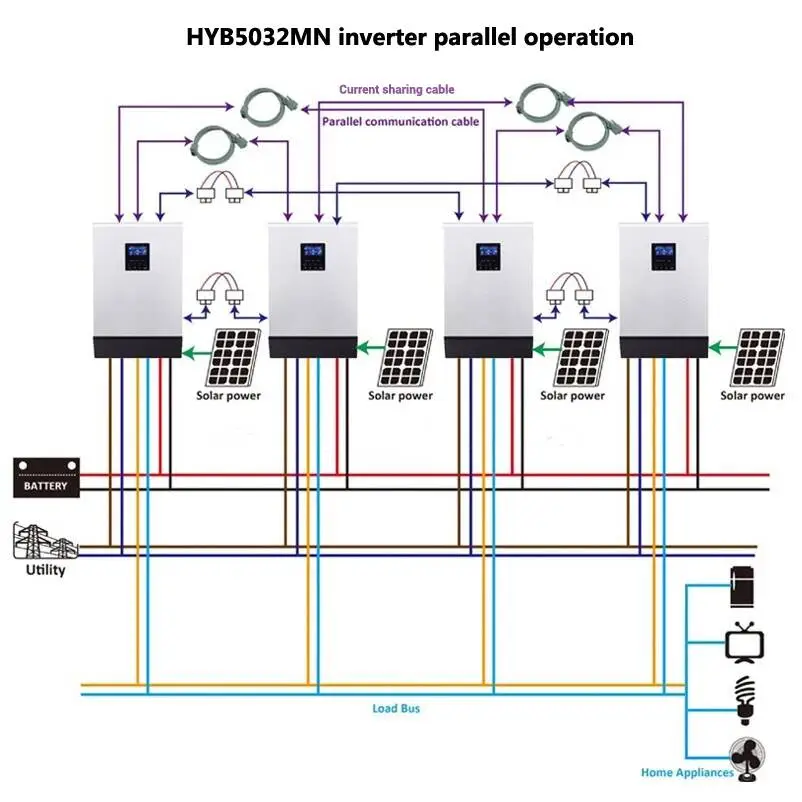
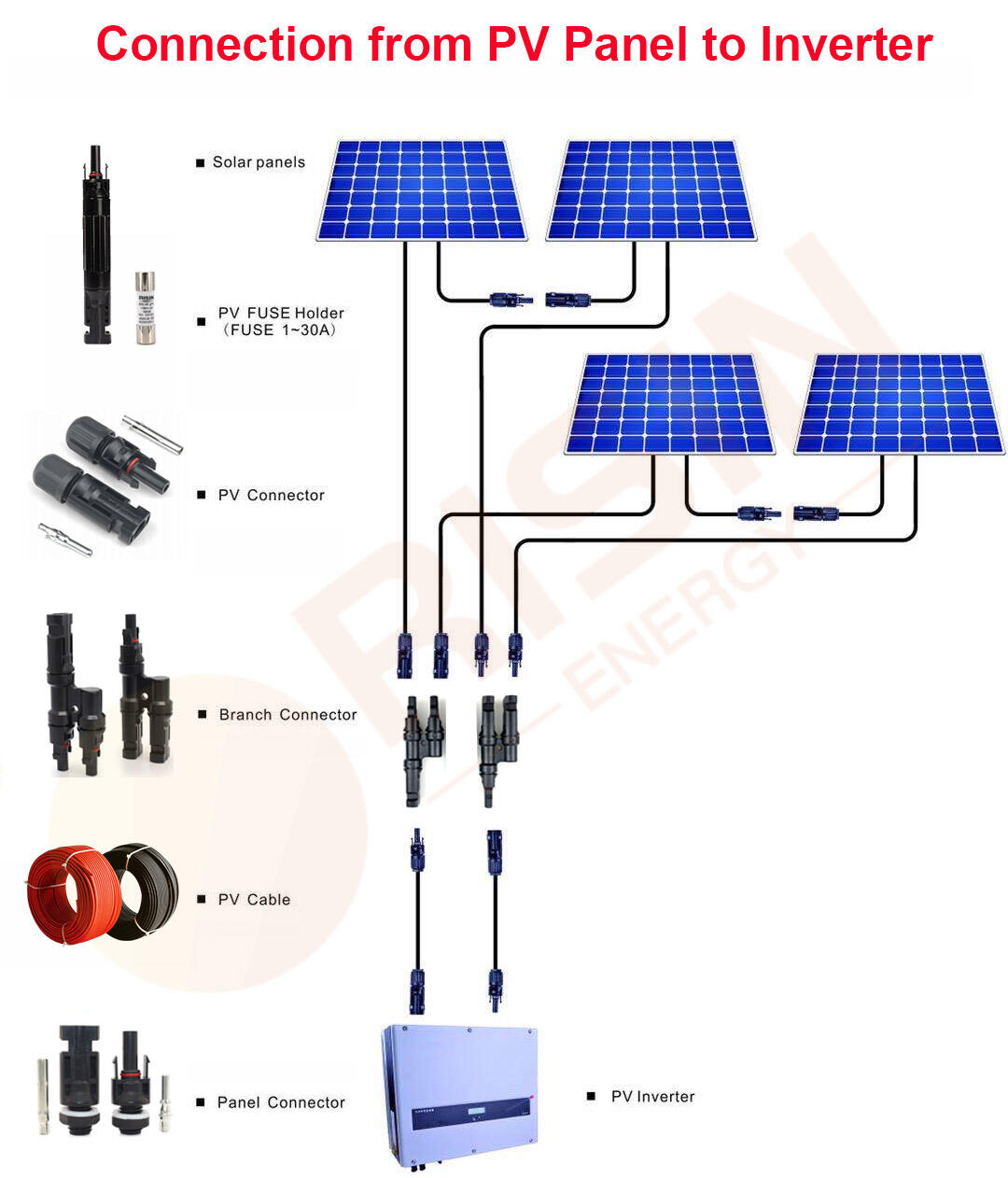
The series parallel connection of solar panels represents a sophisticated electrical configuration that combines both series and parallel wiring methods to optimize solar energy systems. This hybrid approach allows installers to create customized solar arrays that balance voltage requirements with current output needs, making it an essential technique for residential, commercial, and industrial photovoltaic installations. In a series parallel connection of solar panels, multiple panels are first connected in series to form strings, which are then connected in parallel with other strings to create the complete array. This configuration enables system designers to achieve specific voltage and amperage targets while maintaining flexibility in panel placement and system expansion. The series parallel connection of solar panels works by leveraging the additive properties of electrical circuits, where series connections increase voltage while parallel connections increase current capacity. When solar panels are wired in series, their voltages add together while maintaining the same current flow. Conversely, parallel connections maintain voltage levels while combining current outputs. By implementing a series parallel connection of solar panels, installers can create systems that meet inverter specifications, handle partial shading conditions more effectively, and provide redundancy for improved reliability. This wiring method is particularly valuable in large-scale installations where panels may experience varying environmental conditions throughout the day. The technological features of series parallel connection of solar panels include advanced monitoring capabilities, improved fault isolation, and enhanced system performance optimization. Modern solar installations often incorporate smart monitoring systems that can track the performance of individual strings within the array, allowing for precise identification of underperforming components. The series parallel connection of solar panels also enables the use of power optimizers and microinverters, which can maximize energy harvest from each panel regardless of shading or orientation differences. Applications for series parallel connection of solar panels span across residential rooftop systems, commercial building installations, utility-scale solar farms, and specialized applications such as solar carports and ground-mount arrays.
New Products

The series parallel connection of solar panels delivers numerous practical benefits that directly impact system performance, cost-effectiveness, and long-term reliability for property owners and businesses. One of the primary advantages is enhanced system flexibility, allowing installers to design arrays that accommodate various roof configurations, shading patterns, and electrical requirements. This flexibility means homeowners can maximize their available space while achieving optimal energy production, regardless of complex roof layouts or nearby obstructions. The series parallel connection of solar panels also provides superior fault tolerance compared to purely series or parallel configurations. When one panel experiences issues or shading, the impact on overall system performance is minimized because other strings continue operating at full capacity. This redundancy translates to more consistent energy production and reduced maintenance concerns for system owners. Another significant advantage of series parallel connection of solar panels is improved voltage regulation and inverter compatibility. By carefully balancing series and parallel connections, installers can ensure that the array voltage remains within the optimal operating range of the inverter throughout varying weather conditions and seasonal changes. This optimization leads to higher energy conversion efficiency and better return on investment for customers. The series parallel connection of solar panels enables easier system expansion and modification over time. Property owners who want to add more panels to their existing system can do so by incorporating additional strings into the parallel configuration, making future upgrades more straightforward and cost-effective. This scalability is particularly valuable for growing businesses or homeowners who may want to increase their energy production capacity. Maintenance and troubleshooting become more manageable with series parallel connection of solar panels because technicians can isolate individual strings for testing and repair without shutting down the entire system. This capability reduces downtime and maintenance costs while ensuring that energy production continues during service activities. The configuration also allows for better matching of panel characteristics, as strings can be composed of identical panels with similar specifications, leading to more predictable and consistent performance. Financial benefits include reduced installation costs in many scenarios, as the series parallel connection of solar panels often requires less complex wiring and fewer electrical components compared to other configurations. The improved system reliability and performance optimization typically result in faster payback periods and higher lifetime energy yields, making solar investments more attractive and financially rewarding for customers.

Latest News

Solar Product Tech Advances In 2025

20

Jan

Solar Product Tech Advances In 2025

View More
2025 Global Solar Market Demand (Emerging Markets)

20

Jan

2025 Global Solar Market Demand (Emerging Markets)

View More
Solar Products & Rural Electrification 2025

20

Jan

Solar Products & Rural Electrification 2025

View More

Get a Free Quote

Our representative will contact you soon.
Email
Mobile/WhatsApp
Name
Company Name
Message
0/1000

series parallel connection of solar panels

Maximum Power Point Tracking Optimization

Maximum Power Point Tracking Optimization

The series parallel connection of solar panels enables superior Maximum Power Point Tracking (MPPT) optimization, which represents a crucial technological advantage for maximizing energy harvest from photovoltaic systems. This configuration allows MPPT charge controllers and inverters to operate more efficiently by providing voltage and current combinations that fall within optimal operating ranges throughout varying environmental conditions. When implementing a series parallel connection of solar panels, each string can be designed to match the MPPT input specifications of modern inverters, ensuring that the system consistently operates at peak efficiency regardless of temperature fluctuations, seasonal changes, or varying irradiance levels. The importance of this optimization cannot be overstated, as it directly translates to increased energy production and improved financial returns for system owners. In practical terms, the series parallel connection of solar panels allows the MPPT algorithm to track the maximum power point more accurately and respond more quickly to changing conditions. This responsiveness is particularly valuable during periods of intermittent cloud cover or morning and evening hours when solar irradiance levels fluctuate rapidly. The configuration also enables the use of multiple MPPT inputs on advanced inverters, allowing different strings within the series parallel connection of solar panels to be tracked independently. This independent tracking capability means that if one section of the array experiences shading or soiling, the other sections continue operating at their optimal power points, minimizing overall system losses. Furthermore, the series parallel connection of solar panels facilitates the integration of power optimizers and DC-DC converters at the string level, providing even more granular control over power point tracking. These technologies work synergistically with the series parallel configuration to extract maximum energy from each panel, even when individual panels within a string experience different operating conditions. The value this brings to customers is substantial, as improved MPPT optimization typically results in 5-15% higher energy yields compared to less sophisticated wiring configurations. This increased production translates directly to enhanced financial benefits, including reduced electricity bills, faster payback periods, and higher returns on solar investments over the system's 25-year lifespan.
Enhanced System Reliability and Fault Tolerance

Enhanced System Reliability and Fault Tolerance

The series parallel connection of solar panels provides exceptional system reliability and fault tolerance, creating robust photovoltaic installations that maintain consistent performance even when individual components experience issues or environmental challenges. This enhanced reliability stems from the inherent redundancy built into the configuration, where multiple parallel strings ensure that system operation continues even if one or more strings encounter problems. The series parallel connection of solar panels effectively distributes risk across the entire array, preventing single points of failure from compromising overall energy production. This redundancy is particularly valuable for critical applications where consistent power generation is essential, such as commercial facilities, healthcare institutions, or residential homes with high energy demands. When a fault occurs in one string of the series parallel connection of solar panels, the remaining strings continue operating normally, maintaining a significant portion of the system's total power output. This fault isolation capability means that customers experience minimal disruption to their energy production while repairs are scheduled and completed. The diagnostic advantages of series parallel connection of solar panels extend beyond simple fault tolerance, enabling sophisticated monitoring and maintenance strategies that further enhance system reliability. Modern monitoring systems can track the performance of individual strings within the array, providing detailed insights into system health and identifying potential issues before they become major problems. This proactive maintenance approach, enabled by the series parallel connection of solar panels, helps prevent unexpected failures and extends system lifespan. The configuration also simplifies troubleshooting procedures for technicians, as they can isolate and test individual strings without disrupting the entire system's operation. Temperature-related stress, which is a common cause of long-term degradation in solar panels, is better managed through series parallel connection of solar panels because the configuration allows for improved heat dissipation and more balanced electrical loads across the array. This thermal management contributes to longer component lifespans and more predictable system performance over time. For customers, the enhanced reliability of series parallel connection of solar panels translates to greater peace of mind, reduced maintenance costs, and more consistent energy savings throughout the system's operational life, making their solar investment more secure and profitable.
Scalable Design and Future Expansion Capabilities

Scalable Design and Future Expansion Capabilities

The series parallel connection of solar panels offers unparalleled scalability and future expansion capabilities, providing customers with flexible solar solutions that can grow and adapt to changing energy needs over time. This scalability is achieved through the modular nature of the configuration, where additional strings can be seamlessly integrated into the existing parallel framework without requiring major modifications to the original system design. The series parallel connection of solar panels allows property owners to start with a smaller installation that fits their current budget and energy requirements, then expand the system as their needs grow or financial circumstances improve. This phased approach to solar installation makes renewable energy more accessible to a broader range of customers who might not be able to invest in a complete system upfront. The technical advantages of scalable series parallel connection of solar panels include maintained voltage compatibility when adding new strings, simplified electrical connections for expansion modules, and consistent inverter performance across different system sizes. When designing the initial installation, engineers can plan for future expansion by selecting inverters with sufficient capacity and ensuring that electrical infrastructure can accommodate additional strings. This forward-thinking approach eliminates the need for costly system redesigns or equipment replacements during expansion phases. The series parallel connection of solar panels also facilitates technology upgrades over time, allowing customers to integrate newer, more efficient panels alongside existing modules by creating separate strings with compatible specifications. This upgrade capability ensures that solar investments remain current with advancing photovoltaic technology without requiring complete system replacement. Commercial and industrial customers particularly benefit from the expansion flexibility of series parallel connection of solar panels, as their energy demands often increase with business growth, facility expansions, or changing operational requirements. The configuration enables these customers to scale their renewable energy capacity in alignment with their business development, optimizing both energy costs and sustainability goals. Additionally, the modular expansion capability of series parallel connection of solar panels supports different financing strategies, including power purchase agreements and solar leasing programs that may involve gradual system buildouts. The long-term value proposition for customers includes reduced per-watt installation costs for expansion phases, maintained system warranties and performance guarantees, and the ability to maximize available space utilization as roof conditions or property layouts change over time, making the series parallel connection of solar panels an ideal choice for customers seeking adaptable and future-proof solar solutions.

Get a Free Quote

Our representative will contact you soon.
Email
Mobile/WhatsApp
Name
Company Name
Message
0/1000